Source Powder Coated Aluminum Fencing for Homes, Schools, and Gardens
Find 30 options for Powder Coated Aluminum Fencing tailored for residential, commercial, and garden applications. Compare features like anti-climb design, weather resistance, and customization to select the right solution for your project needs.
Key considerations
Products List


Comprehensive Sourcing Guide
Powder Coated Aluminum Fencing Sourcing Guide
Sourcing Powder Coated Aluminum Fencing requires a disciplined approach to balancing aesthetic longevity with structural integrity. Buyers must recognize that while aluminum offers inherent corrosion resistance, the quality of the powder coating process is the primary determinant of the fence’s lifespan in harsh environments. The decision to source this material often hinges on the need for low maintenance solutions that do not compromise on security or visual appeal. Understanding the interplay between the aluminum alloy grade, the thickness of the extrusions, and the application of the protective coating is essential for making an informed procurement decision.
This guide provides a structured framework for evaluating suppliers and products in the global market. It focuses on verifying technical specifications, ensuring compliance with safety standards, and managing commercial risks. By adhering to the evidence-based insights provided, procurement professionals can avoid common pitfalls such as under-specifying material thickness or overlooking critical certification requirements. The goal is to equip buyers with the knowledge to negotiate effectively and secure products that meet their specific project requirements for durability, design, and performance.
Product Scope and Observed Listing Signals
The market for Powder Coated Aluminum Fencing presents a diverse range of products, with observed listing prices varying significantly from $16 to $3,450 USD. This wide price range reflects differences in material quality, design complexity, and customization options available from suppliers. Buyers should note that the minimum order quantity (MOQ) typically ranges from 1 to 100 units, indicating flexibility for both small-scale residential projects and larger commercial installations. Understanding these market signals helps in budgeting accurately and identifying suppliers who align with the scale of the procurement need.
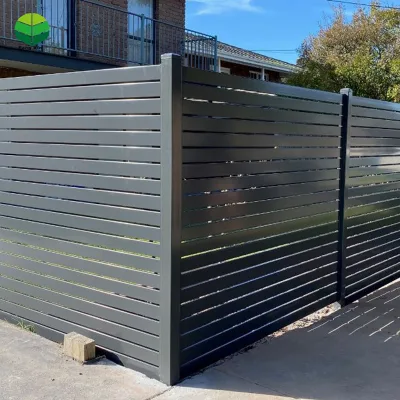
Product attributes observed in the market include a variety of styles such as privacy, louver, and picked designs, catering to different aesthetic and functional requirements. The aluminum material is often finished with a powder-coated surface treatment, which enhances its resistance to rust and weathering. Common colors include black, grey, and customized options, allowing for seamless integration with various architectural styles. Additionally, features like anti-climb properties and low maintenance requirements are frequently highlighted, addressing key concerns for both residential and commercial clients seeking secure and durable fencing solutions.
Technical Specifications to Verify
Verifying the technical specifications of aluminum fencing is critical to ensuring long-term performance and safety. Buyers should confirm the aluminum thickness, which is commonly available in 1.2mm, 1.5mm, and 2.0mm options, as this directly impacts the fence’s strength and wind resistance. The weave technique, such as 20*40 or plain weave, and the hole shape, whether square or hexagonal, also play a significant role in the fence’s security and visual appeal. It is essential to request detailed technical drawings and material certificates to verify that the product meets the specified thickness and structural requirements.
The finishing process is another crucial aspect to verify, with powder coating being the standard for enhancing durability and aesthetic appeal. Buyers should inquire about the surface treatment methods, such as spraying or coating, and ensure that the product is non-combustible and offers excellent weather and rust resistance. Additionally, the installation method, whether surface mounted, embedded, or bolt fixing, should be clearly defined to ensure compatibility with the site conditions. Confirming these details helps in avoiding unexpected costs or performance issues during installation and use.
Compliance and Safety Documentation
Compliance with international standards and certifications is vital for ensuring the safety and quality of Powder Coated Aluminum Fencing. Buyers should verify that the product holds relevant certifications, such as CE, RoHS, and ISO/ASTM, which indicate adherence to strict manufacturing and safety guidelines. These certifications provide assurance that the materials used are free from harmful substances and that the product meets specific performance criteria. Requesting copies of these certificates and verifying their validity with the issuing bodies is a crucial step in the procurement process.
In addition to certifications, buyers should ensure that the fencing product meets local building codes and regulations, particularly regarding fire resistance and structural integrity. The non-combustible nature of aluminum fencing is a significant safety feature, but it is essential to confirm that the powder coating and other components do not compromise this property. Documentation such as test reports and material safety data sheets (MSDS) should be requested to verify compliance with fire safety standards and environmental regulations. This due diligence helps in mitigating legal and safety risks associated with the installation and use of the fencing.
Cost Drivers and Commercial Terms
Several factors influence the cost of Powder Coated Aluminum Fencing, including material thickness, design complexity, and customization options. Buyers should be aware that thicker aluminum profiles and more intricate designs, such as privacy or louver styles, typically command higher prices. Additionally, customized colors and finishes may incur extra costs, so it is important to clarify these details with the supplier before finalizing the order. Understanding these cost drivers helps in making informed decisions and avoiding unexpected expenses during the procurement process.
Commercial terms, such as payment terms, delivery schedules, and warranty coverage, also play a significant role in the overall cost and risk management of the procurement. Buyers should negotiate favorable payment terms, such as partial payments or escrow services, to mitigate financial risks. It is also essential to clarify the delivery lead times and ensure that the supplier can meet the project deadlines. Additionally, verifying the warranty terms, which often cover defects in materials and workmanship for a specified period, provides an added layer of protection and peace of mind.
Supplier Qualification and Quality Control
Evaluating supplier qualifications is a critical step in ensuring the reliability and quality of the sourced aluminum fencing. Buyers should verify the supplier’s manufacturing capabilities, including their production capacity, quality control processes, and experience in the industry. Requesting references from previous clients and conducting site visits, if possible, can provide valuable insights into the supplier’s operational standards and product quality. Additionally, verifying the supplier’s certifications and compliance with international standards helps in assessing their credibility and reliability.
Quality control measures should be clearly defined and agreed upon with the supplier to ensure that the products meet the specified requirements. Buyers should request detailed inspection reports and test results to verify the product’s performance and durability. Implementing a robust quality control process, including pre-shipment inspections and third-party audits, helps in identifying and addressing any potential issues before the products are delivered. This proactive approach minimizes the risk of receiving substandard products and ensures that the fencing meets the project’s quality expectations.
Long-Term Procurement Checks
Long-term procurement checks are essential for maintaining the quality and performance of Powder Coated Aluminum Fencing over time. Buyers should establish a regular maintenance schedule and provide clear guidelines for cleaning and upkeep to ensure the longevity of the product. Regular inspections for signs of wear, corrosion, or damage help in identifying potential issues early and addressing them before they escalate. Additionally, maintaining open communication with the supplier for any warranty claims or technical support ensures that any problems are resolved promptly and efficiently.
Building a strong relationship with the supplier is also crucial for long-term procurement success. Buyers should engage in regular reviews of the supplier’s performance, including product quality, delivery reliability, and customer service. Providing feedback and addressing any concerns promptly helps in fostering a collaborative partnership and ensuring continuous improvement. Additionally, staying informed about industry trends and technological advancements allows buyers to make informed decisions about future procurement needs and upgrades. This proactive approach ensures that the fencing remains a valuable and reliable asset for the project.
FAQs
What customization options are available for aluminum fencing?
Customization is available for this aluminum fencing product. Buyers can select specific colors like black or grey, choose slat shapes such as rectangular or square, and request customized thickness values to meet unique project requirements.
How is the aluminum fencing finished and treated?
The frame undergoes powder coating while the surface receives a general coating treatment. This process ensures excellent weather and rust resistance, making the product suitable for long-term outdoor use in various environments without significant maintenance.
Which certifications does the product hold for safety?
The product holds CE certification and may also include RoHS and ISOASTM standards. These certifications verify that the materials and manufacturing processes meet international safety and quality requirements for export and local compliance.
Can the fencing be installed using different methods?
Yes, the installation method can be surface mounted, embedded, or bolt fixing. This flexibility allows the fencing to be adapted to different site conditions and structural requirements for both residential and commercial applications.
What warranty is provided for the aluminum fencing?
A 10-year warranty is provided for this product. This coverage reflects the manufacturer's confidence in the durability of the aluminum material and the effectiveness of the anti-rust and corrosion-resistant treatments applied.
How does the fencing resist wind and fire?
The fencing features strong wind load capacity and is made from non-combustible material. These attributes ensure stability during high winds and provide fire resistance, enhancing safety for residential, commercial, and garden applications.
What after-sales support is offered for installation?
Guiding installation by video is the primary after-sales service offered. This support helps buyers and contractors ensure correct assembly and mounting, reducing errors and facilitating a smooth installation process for the fencing system.