Source Powder Coated Aluminum Garden Fence for residential, factories, parks
Compare 30 listings of Powder Coated Aluminum Garden Fence designed for residential, factories, and parks. Buyers can review specifications like height, width, and picket distance to find suitable options for green ground projects.
Key considerations
Products List


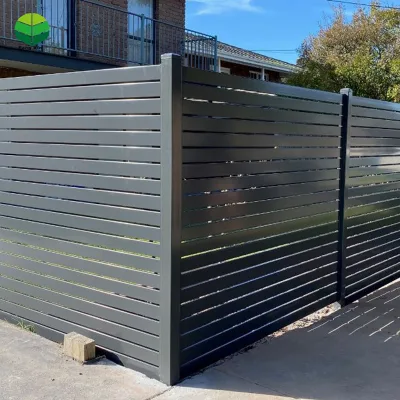
Customized Powder Coated Garden Fence with Courtyard Gate Design
$150.00 - $170.00
MOQ: 6 Square Meters


Comprehensive Sourcing Guide
Strategic Sourcing Guide for Powder Coated Aluminum Garden Fences
Understanding Material Composition and Structural Integrity
When sourcing a Powder Coated Aluminum Garden Fence, the primary consideration is the material composition that defines the product's longevity and aesthetic appeal. The core material identified in current market listings is aluminum, specifically noted as Aluminum Alloy in several high-confidence product attributes. This choice of metal is critical for outdoor applications because aluminum inherently resists corrosion, a significant advantage over steel alternatives in humid or coastal environments. The supply chain data indicates that the metal type is consistently aluminum, which supports the claim of a lightweight yet durable fencing solution suitable for various terrains.
The structural integrity of these fences is often enhanced by specific manufacturing techniques. The observed production method is welding, which creates a robust frame capable of withstanding physical stress. This welded technique ensures that the fence panels and posts are securely joined, minimizing the risk of structural failure over time. Furthermore, the frame finishing process is explicitly described as powder coated. This surface treatment is not merely cosmetic; it serves as a protective barrier against the elements. The data also references alternative surface treatments such as galvanization or spraying, suggesting that buyers should verify the specific coating process used by their potential supplier to ensure it aligns with their environmental requirements.
The physical dimensions of the fence are highly customizable, a key feature for modern landscaping projects. The standard width ranges from 1200mm to 6000mm, while the height typically spans from 400mm to 2400mm. However, the "Customized" designation appears frequently in the specifications, indicating that manufacturers can tailor these dimensions to fit specific site constraints. The spacing between pickets is another critical dimension, with observed standard distances of 80mm or 95mm, though customized spacing is also available. This variability allows buyers to balance privacy needs with airflow and visibility requirements. The hole shape is consistently observed as square, contributing to the modern aesthetic often desired in residential and commercial settings.
Technical Specifications and Design Flexibility
The design flexibility of powder coated aluminum fences is a major driver for their adoption in diverse settings. The product attributes highlight a "Modern" style, which aligns with current architectural trends favoring clean lines and minimalist designs. The color options are extensive, with standard offerings including Black and White, alongside a "Customized" option that allows for brand-specific or site-matching hues. This color versatility is achieved through the powder coating process, which provides a uniform finish that is resistant to fading and chipping.
In addition to color and style, the functional aspects of the fence are equally important. The product is described as having features such as being water-proof, rot-proof, and eco-friendly. These attributes are particularly relevant for garden environments where moisture and soil contact are constant. The "Eco Friendly" claim suggests that the aluminum material is recyclable, and the production process may utilize renewable sources, although buyers should request specific documentation to verify these sustainability claims. The fence is also noted as being easily assembled, which reduces installation time and labor costs. This ease of assembly is often facilitated by the modular nature of the welded aluminum frames.
The application of the fence extends beyond simple boundary definition. The usage data lists residential areas, factories, parks, and green grounds as primary application zones. This broad applicability indicates that the product is versatile enough to meet the security and aesthetic needs of both private homes and large industrial complexes. For instance, in a factory setting, the fence provides security while maintaining visibility. In a park or green ground, the fence defines the space without obstructing the natural view. The "Open Style" and "Swing" options mentioned in the context of gates suggest that the fencing system can be integrated with automated or manual gate mechanisms, adding a layer of security and convenience.
Compliance, Certification, and Regulatory Standards
Navigating the regulatory landscape is essential for B2B procurement, especially when sourcing products from international markets. The high-confidence facts indicate that many products in this category carry CE, RoHS, and ISOASTM certifications. The CE mark signifies that the product meets European health, safety, and environmental protection standards, which is crucial for importing into the European Union. RoHS compliance ensures that the product is free from specific hazardous substances, aligning with global environmental regulations. ISOASTM certification points to adherence to international standards for materials and testing, providing a baseline for quality assurance.
However, buyers must exercise caution regarding certification claims. While FSC (Forest Stewardship Council) is mentioned in the low-confidence background section, it is not listed as a high-confidence fact for aluminum fences. This distinction is vital because FSC certification typically applies to wood products, not aluminum. If a supplier claims FSC certification for an aluminum fence, it may be a misrepresentation or a misunderstanding of the supply chain. Buyers should verify the specific certifications relevant to the metal and coating materials used.
The product standards observed include dimensions such as 2400mm W x 1200mm H or customized sizes, and specific model numbers like "pengxiang" or "HP-F12". These model identifiers are useful for tracking specific product lines but do not inherently guarantee compliance. Buyers should request test reports or certificates of conformity that explicitly reference the standards mentioned (CE, RoHS, ISOASTM) and verify that the specific batch of products they are purchasing matches these certifications. The origin of the products is noted as Shandong, China, and Hebei Province, China. While these regions are known for manufacturing, the location itself does not dictate quality; the supplier's adherence to international standards is the true metric of compliance.
Cost Drivers and Pricing Dynamics
The pricing of powder coated aluminum garden fences is influenced by several dynamic factors, including material costs, customization levels, and order volume. The observed price range in the market spans from $15 to $3450 USD. This wide range reflects the diversity of products available, from small individual panels to large, fully customized fence systems. The minimum order quantity (MOQ) varies from 1 to 100 units, indicating that suppliers cater to both small-scale residential projects and large commercial contracts.
Material costs are a primary driver of the final price. Aluminum prices fluctuate based on global market conditions, and the thickness of the aluminum alloy used directly impacts the cost. Thicker materials offer greater durability but come at a higher price point. The powder coating process also adds to the cost, as high-quality coatings that offer superior UV resistance and color retention are more expensive than standard finishes. Customization is another significant cost factor. While standard sizes and colors are generally more affordable, requests for custom dimensions, unique colors, or specialized finishes will increase the unit price.
The packaging and shipping logistics also play a role in the overall cost. The observed packaging options include steel pallets, cardboard boxes, and wooden cases. Steel pallets are ideal for heavy industrial shipments, while cardboard boxes may be used for smaller, lighter components. The choice of packaging affects the shipping cost and the risk of damage during transit. Buyers should consider the total landed cost, including shipping, insurance, and any import duties, rather than focusing solely on the unit price. The lead time, while not explicitly detailed in the high-confidence facts, is often influenced by the level of customization and the current production capacity of the supplier.
Typical Applications and Functional Requirements
The versatility of powder coated aluminum garden fences makes them suitable for a wide array of applications. In residential settings, these fences provide security and privacy while enhancing the curb appeal of a property. The modern style and customizable colors allow homeowners to match the fence with their home's architecture and landscaping. In commercial and industrial environments, such as factories and parks, the fence serves as a durable boundary that can withstand heavy use and harsh weather conditions. The water-proof and rot-proof features ensure that the fence remains functional and aesthetically pleasing over many years.
The specific features of the fence, such as the "Eco Friendly" and "Renewable Sources" attributes, make it an attractive option for projects with sustainability goals. The aluminum material is fully recyclable, and the powder coating process is generally more environmentally friendly than traditional liquid painting methods, which often release volatile organic compounds (VOCs). For projects requiring high security, the fence can be integrated with security features like automated gates and locking mechanisms. The "Security" function is explicitly listed as a product attribute, highlighting the fence's ability to deter unauthorized access.
In green spaces and parks, the fence's ability to blend with the natural environment is crucial. The open style and customizable picket spacing allow for a balance between visibility and privacy. The "Green Ground" usage category suggests that the fence is designed to be low-maintenance and resistant to the elements, making it ideal for public spaces where frequent maintenance is not feasible. The "TFT" and "Tempered Glass" features mentioned in some product attributes indicate that certain models may incorporate glass panels for added security or aesthetic appeal, though these are specific to certain product lines and should be verified with the supplier.
Supplier Evaluation and Quality Control Protocols
Selecting the right supplier is a critical step in the procurement process. Buyers should evaluate suppliers based on their technical capabilities, quality control measures, and compliance with international standards. The high-confidence facts indicate that suppliers in Shandong and Hebei provinces are active in this market. While these regions are manufacturing hubs, buyers should not assume quality based on location alone. Instead, they should request detailed information about the supplier's production processes, including the welding techniques and surface treatment methods used.
Quality control should be a priority throughout the procurement process. Buyers should verify that the supplier has a robust quality assurance system in place, including regular inspections of raw materials, in-process checks, and final product testing. The "Finished" surface finishing attribute suggests that the product undergoes a final inspection before shipment. Buyers should also request samples to evaluate the quality of the powder coating, the strength of the welds, and the overall finish. The "Customized" nature of the product means that buyers should ensure the supplier has the flexibility to meet specific requirements without compromising quality.
Compliance with certifications is another key factor in supplier evaluation. Buyers should request copies of the CE, RoHS, and ISOASTM certificates and verify their validity. It is also important to check if the supplier has any history of non-compliance or product recalls. The "Low-confidence" mention of FSC certification should be treated with skepticism unless supported by verifiable documentation. Buyers should also consider the supplier's ability to provide after-sales support, including warranty coverage and technical assistance for installation.
Long-Term Procurement and Maintenance Considerations
Long-term procurement planning involves considering the lifecycle of the fence and the ongoing maintenance requirements. Powder coated aluminum fences are known for their durability and low maintenance needs. The "Water-Proof" and "Rot-Proof" features ensure that the fence will not degrade due to moisture or biological growth. However, buyers should still plan for periodic inspections to check for any damage to the powder coating or structural integrity. The "Easily Assembled" feature simplifies the installation process and makes it easier to repair or replace individual sections if necessary.
Sustainability is a growing concern in B2B procurement, and the aluminum material's recyclability is a significant advantage. Buyers should consider the environmental impact of the fence throughout its lifecycle, from production to disposal. The "Eco Friendly" and "Renewable Sources" attributes suggest that the product aligns with sustainability goals, but buyers should request specific data on the carbon footprint and recycling rates of the materials used. The "Customized" nature of the product allows buyers to optimize the design for energy efficiency and environmental integration.
Finally, buyers should consider the scalability of their procurement strategy. As projects grow, the ability to source additional units that match the original specifications is crucial. The "Customized Size" and "Customized Color" options indicate that suppliers can accommodate future expansion, but buyers should ensure that the supplier has the capacity to maintain consistency in quality and design over time. By focusing on these long-term considerations, buyers can ensure that their investment in powder coated aluminum garden fences provides lasting value and performance.
FAQs
What certifications do powder coated aluminum garden fences typically have?
These fences typically carry CE, RoHS, and ISOASTM certifications to ensure safety and compliance. Buyers should verify that the specific batch matches these standards before purchase.
How can I customize the dimensions of the aluminum fence panels?
Customization is available for width ranging from 1200 to 6000mm and height from 400 to 2400mm. Suppliers can also adjust picket spacing to 80 or 95mm based on specific site requirements.
Which surface treatments are used for the aluminum frame finishing?
The frame finishing is commonly powder coated to provide a durable and protective barrier. Some products may also utilize galvanization or spraying as alternative surface treatment methods.
Can the fence be easily assembled for residential or factory use?
Yes, the fence is designed for easy assembly, reducing installation time and labor costs. It is suitable for various applications including residential areas, factories, parks, and green grounds.
What are the standard color options for the aluminum slat fence?
Standard color options include black and white, with customized colors also available. The powder coating process ensures a uniform finish that resists fading and chipping over time.
How does the picket spacing affect the fence functionality?
The distance between pickets is typically 80 or 95mm, though customized spacing is available. This spacing allows buyers to balance privacy needs with airflow and visibility requirements effectively.