Source Powder Coated Height Adjustable Bar for Balconies, Gyms, and Rehabilitation Centers
Explore 30 listings for Powder Coated Height Adjustable Bar options suitable for architectural ornamentation, gymnasium equipment, and rehabilitation centers. Buyers can compare specifications like material, surface treatment, and customization availability from verified Chinese suppliers.
Key considerations
Products List


Adjustable Structural Support Bar for Versatile Load-Bearing Applications
$25.00 - $30.00
MOQ: 1 Meters


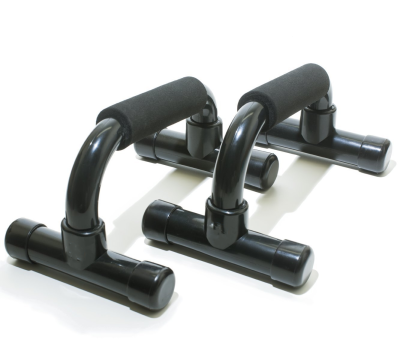


Popular Customized Adjustable Height Training Use Horizontal Bar for Sales
$99.00 - $165.00
MOQ: 10 Pieces


Comprehensive Sourcing Guide
Strategic Sourcing Guide for Powder Coated Height Adjustable Bars
The global market for industrial and architectural hardware has seen a significant surge in demand for versatile, durable mounting solutions. Among these, the powder-coated height adjustable bar has emerged as a critical component for applications ranging from architectural balustrades to specialized rehabilitation equipment. For procurement professionals, navigating this category requires a disciplined approach that separates observed product attributes from generalized claims. This guide provides a comprehensive framework for sourcing these components, focusing on verified technical specifications, compliance verification, and supply chain risk management based on current market data.
Technical Specifications and Material Composition
When evaluating powder-coated height adjustable bars, the primary technical differentiator lies in the base material and the surface treatment process. Market observations indicate a divergence in material selection depending on the intended application. For architectural applications, such as balcony balustrades, the observed material is frequently aluminum, specifically noted as "Alufer" quality in certain listings. This material choice is driven by the need for corrosion resistance and a lightweight profile suitable for structural ornamentation. In contrast, for heavy-duty applications like gymnasium equipment or rehabilitation centers, the observed material shifts to steel. The steel variants often carry specific model identifiers, such as "GC-5094" or "BM-RPB01," suggesting standardized manufacturing protocols for high-load environments.
The surface treatment is a non-negotiable aspect of the product's longevity. The core keyword "powder coated" aligns with the observed process of "Powder Coating Completed" and "Surface Treatment: Coated." This process involves applying a dry powder and curing it under heat to form a hard finish that is typically more durable than conventional paint. The surface preparation phase is critical; successful procurement requires verification that the substrate undergoes proper cleaning and pretreatment before the coating is applied. This ensures adhesion and prevents premature peeling or corrosion. Furthermore, the "Weave Technique" or manufacturing method, observed as "Stamping" and "Cold Rolled," indicates the mechanical processes used to shape the metal. Cold rolling, in particular, enhances the tensile strength of the steel, making it suitable for adjustable mechanisms that undergo frequent stress.
Compliance and Certification Verification
In the B2B sector, compliance is not merely a formality but a prerequisite for market entry and liability protection. The supplied data highlights specific certifications that buyers must verify against their project requirements. The most frequently observed certifications include CE and ISO standards. The presence of "CE" indicates conformity with health, safety, and environmental protection standards for products sold within the European Economic Area. Similarly, "ISO" certification suggests adherence to international quality management systems. A specific listing also references "RoHS," which is crucial for electronic or mixed-material components to ensure compliance with restrictions on hazardous substances.
Buyers must treat these certifications as observations of specific batches rather than universal guarantees for all products in the category. When sourcing, it is essential to request current, valid certificates from the supplier for the specific model being purchased. For instance, while some products are listed with "CE, ISO" and others with "CE, ISO, RoHS," the scope of these certifications can vary. A product intended for a rehabilitation center, classified as a "Class II Instrument," requires rigorous validation of its safety standards. The "Quality Assurance Services" observed as a "5 Years" warranty period suggests a high level of confidence in the product's durability, but this must be backed by a formal contract that explicitly defines the scope of coverage.
Cost Drivers and Pricing Dynamics
Understanding the cost structure of powder-coated height adjustable bars is vital for budgeting and negotiation. The observed price range in the market is exceptionally broad, spanning from $0.02 to $16,500. This variance is not indicative of a single product type but rather reflects the diversity of applications, from small hardware components to large, complex machinery units. For example, a simple architectural bar may fall at the lower end of this spectrum, while a full rehabilitation station with adjustable features, such as the "Physical Therapy Parallel" with a weight of 95kg, commands a significantly higher price point.
Several factors drive these costs. The primary driver is the material quality; aluminum and high-grade steel are more expensive than standard alloys. The complexity of the customization also plays a major role. The observed attribute "Customization: Available" and "Accept Client Dimensions" implies that bespoke orders will incur higher unit costs due to the setup and engineering time required. Additionally, the packaging method influences the final landed cost. While standard packaging is common, specialized requirements like "Wooden Box" or "Plywood Packing" for heavy machinery add to the logistics expense. Buyers should also consider the "Delivery Time," which is observed as "Within 25 Days After Receiving Deposite," as expedited shipping or rush orders may incur premium charges.
Typical Applications and Usage Scenarios
The versatility of powder-coated height adjustable bars allows them to serve in diverse sectors. In the architectural domain, these bars function as "Balcony Balustrades" with a "Modern" design style. Their usage method is described as "Architectural Ornament," yet they must also fulfill functional requirements such as being "Waterproof" and providing a "Long Service Life." The installation site is typically the "Floor Board," requiring precise fitting and structural integrity.
In the health and fitness sector, the application shifts to rehabilitation and exercise. The "Physical Therapy Parallel" is designed for use in "Rehabilitation Centres" and "Gymnasiums." These units are often "Unisex" and intended for "Adult" users, targeting specific exercise parts like the "Chest." The "Folded: Unfolded" attribute suggests that space efficiency is a key design consideration for these facilities. The "Power Source: Manual" indicates that these devices rely on mechanical adjustment rather than electrical motors, which simplifies maintenance and reduces the risk of electrical failure in wet or humid environments. The "Instrument Classification: Class II" further underscores the medical-grade nature of these products, requiring strict adherence to safety protocols.
Supplier Evaluation and Geographic Considerations
Selecting the right supplier is as critical as selecting the product itself. The observed data points to a concentration of manufacturing in China, specifically in the Shandong province. Locations such as "Shandong, China" and "China Shandong Dezhou" are identified as the primary origins for these goods. The "Port of Loading" is frequently listed as "Tianjin," which is a major logistics hub for northern China. Buyers should verify the supplier's actual facility location against their export capabilities to ensure they can meet the "Export Market: Global" demand.
Supplier capabilities extend beyond manufacturing to engineering support. The observed "Engineering Solution Capability" includes "CAD Services" and "Online Technical Support." This indicates that reputable suppliers offer design assistance to customize dimensions and ensure the product fits the client's specific architectural or functional needs. The "Machine Brand" "Tianzhan" is observed in the context of manufacturing equipment, suggesting the level of automation and precision in the production line. When evaluating suppliers, buyers should prioritize those who can demonstrate a track record of "Online Technical Support" and "After-Sale Service," ensuring that any installation issues can be resolved promptly.
Quality Control and Long-Term Procurement Strategy
Quality control in the production of height adjustable bars involves rigorous inspection at multiple stages. The "Surface Preparation: Powder Coating Completed" step is a critical checkpoint. Buyers should request visual and adhesion test results to ensure the coating is uniform and free from defects. The "Hole Shape: Square" observation highlights the importance of dimensional accuracy, as misaligned holes can compromise the structural integrity of the assembly. For medical equipment, the "Quality Assurance Services" of "5 Years" is a strong indicator of quality, but it must be accompanied by a clear definition of what constitutes a defect versus normal wear and tear.
Long-term procurement considerations should focus on the supply chain's resilience. The "Delivery Time" of "Within 25 Days" is a standard benchmark, but buyers should negotiate lead times that account for potential delays in raw material sourcing or logistics. The "MOQ" (Minimum Order Quantity) range of 1 to 50,000 offers flexibility, allowing buyers to start with small pilot orders or scale up to large installations. However, the "Standard Packaging" and "Wooden Box" options must be aligned with the shipping method to prevent damage during transit. Finally, the "Product Standard" being "Customizable" means that buyers should maintain open communication with the supplier to ensure that any changes in design or material specifications are documented and approved before production begins.
Comparative Analysis of Product Attributes
To facilitate decision-making, the following table summarizes the key attributes observed across different product categories within the powder-coated height adjustable bar market. This comparison helps buyers distinguish between architectural hardware and medical rehabilitation equipment.
| Attribute | Architectural Balustrade | Rehabilitation/Gym Equipment |
|---|---|---|
| Primary Material | Aluminum (Alufer) | Steel |
| Surface Treatment | Powder Coated | Powder Coated |
| Design Style | Modern | Functional / Clinical |
| Installation Site | Floor Board | Rehabilitation Centre / Gymnasium |
| Weight | Variable (Lighter) | 95kg (Heavy) |
| Power Source | Manual | Manual |
| Certifications | CE, ISO | CE, ISO, RoHS, Class II |
| Packaging | Standard Packaging | Plywood Packing / Carton |
| Model Example | 0921 | GC-5094, BM-RPB01 |
| Lead Time | Within 25 Days | Within 25 Days |
This table illustrates that while the core technology (powder coating) remains consistent, the engineering requirements diverge significantly based on the end-use. Buyers must ensure that the supplier understands these distinctions to provide the correct specification.
Final Procurement Recommendations
Sourcing powder-coated height adjustable bars requires a balance of technical scrutiny and supply chain management. Buyers should begin by defining the specific application, whether it is for architectural ornamentation or medical rehabilitation, as this dictates the material and certification requirements. Verification of the "CE" and "ISO" certifications is mandatory, and buyers should not assume these apply to all products in a supplier's catalog. The broad price range necessitates a clear definition of budget and quality expectations to avoid confusion between low-cost hardware and high-end machinery.
Furthermore, the emphasis on "Customization" and "CAD Services" suggests that successful procurement involves a collaborative design phase. Buyers should engage suppliers early to leverage their engineering capabilities for dimensioning and structural integrity. Finally, the "5 Years" quality assurance and "Online Technical Support" offered by leading suppliers provide a safety net for long-term operations. By adhering to these evidence-based guidelines, procurement professionals can secure reliable, high-quality components that meet the rigorous demands of modern industrial and architectural projects.
FAQs
What materials are used for powder coated height adjustable bars?
These bars are typically made from aluminum or steel depending on the application. Architectural balustrades often use aluminum for lightweight corrosion resistance, while gym equipment uses steel for high load capacity and durability.
Which certifications are available for these products?
Common certifications include CE, ISO, and RoHS for compliance with safety and environmental standards. Buyers should verify specific certificates for the model, as some medical equipment requires Class II instrument classification alongside standard certifications.
How long is the delivery time for orders?
The standard delivery time is within 25 days after receiving the deposit. This timeline applies to most orders, though expedited shipping or complex customizations may require additional time for production and logistics.
Can the product dimensions be customized for specific projects?
Yes, customization is available and client dimensions are accepted for most models. Suppliers offer CAD services and online technical support to ensure the product fits specific architectural or functional requirements before production begins.
Where are the manufacturers located and what is the origin?
Manufacturers are primarily located in Shandong, China, with some specific facilities in Dezhou. The port of loading is frequently Tianjin, facilitating global export to various international markets for these industrial and architectural components.
What surface treatment processes are applied to the bars?
The bars undergo a powder coating process that includes surface preparation and coating completion. This method creates a durable, hard finish that is more resistant to wear and corrosion compared to conventional paint applications.
What is the price range for these adjustable bars?
The observed price range spans from 0.02 to 16500 USD depending on the product type. Simple hardware components are at the lower end, while heavy-duty rehabilitation stations or large machinery units command significantly higher prices.