Source Powder Coated Steel Fence for Garden, Road, and Home
Find 30 Powder Coated Steel Fence options for garden, road, and home applications. Compare specifications including mesh size, wire diameter, and post dimensions to select the right anti-climb or decorative fencing solution for your project.
Key considerations
Products List


Customized Black Powder Coated Galvanized Steel Fence with CE Certificate
$6.00 - $8.20
MOQ: 100 Meters


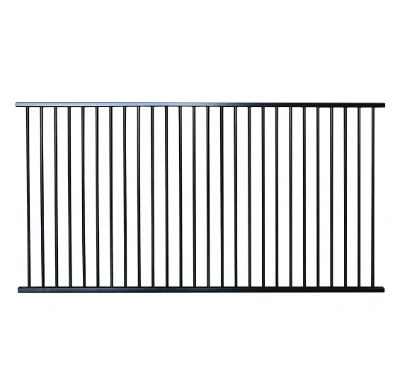


Outdoor Color Steel Fence with Weather Resistant Powder Coated Finish
$20.00 - $30.00
MOQ: 10 Square Meters

Galvanized Powder Coated Steel Fence for Outdoor Commercial Applications
$20.00 - $30.00
MOQ: 10 Square Meters

Heavy Duty Color Steel Security Fence with Powder Coated Surface Finish
$20.00 - $30.00
MOQ: 10 Square Meters

High Performance Color Steel Fence for Outdoor Security Applications
$20.00 - $30.00
MOQ: 10 Square Meters


Factory Powder-Coated Steel Security Fencing with Lifetime Warranty
$30.00 - $80.00
MOQ: 100 Square Meters


Comprehensive Sourcing Guide
Powder Coated Steel Fence Sourcing Guide
Procuring a powder-coated steel fence requires a disciplined approach to distinguishing between generic metal barriers and high-performance security solutions. The market offers a wide spectrum of products, ranging from basic residential garden fencing to specialized anti-climb barriers designed for prisons and airports. Buyers must first clarify whether their project demands standard aesthetic protection or rigorous security features, as the manufacturing techniques and material specifications vary significantly between these categories. Understanding the specific application context is the foundational step before evaluating technical data or commercial terms.
The sourcing process for this category is heavily influenced by the availability of customization and the specific finishing processes applied to the steel substrate. While some listings indicate standard dimensions and colors, others offer extensive customization options for height, mesh size, and post dimensions to meet unique site requirements. This variability means that a single supplier may offer multiple product lines, from simple welded panels to complex 358-style anti-climb fences. Buyers should prepare detailed requirement sheets that specify not just the visual appearance but also the structural integrity and environmental resistance needed for the installation site.
Product Scope and Observed Listing Signals
The observed product landscape for powder-coated steel fencing includes distinct variations in weave techniques, ranging from plain weave to stamping and welding methods. Listings frequently highlight specific attributes such as "Anti-Climb Anti-Cut" capabilities, which are critical for high-security applications like borders and airports, while other products focus on "Easy Assembled" features for residential or garden use. The material composition is consistently identified as steel or metal, often paired with specific plastic types or coatings that define the final product's durability and visual profile.
Visual and functional signals in product listings often point to the intended environment and longevity of the fence. Many suppliers emphasize advantages such as being eco-friendly, weather-resistant, and UV-proof, which are essential for outdoor installations exposed to harsh elements. The observed data includes specific height ranges from 6 feet to over 2 meters, with mesh sizes and wire diameters varying to suit different security levels. Buyers should scrutinize these signals to ensure the product matches the physical constraints and security needs of their specific project, rather than assuming all listed steel fences are interchangeable.
Technical Specifications to Verify
Verifying the technical specifications of a powder-coated steel fence is paramount to ensuring structural integrity and long-term performance. Key parameters to confirm include the wire diameter, which in observed listings ranges from 4.0mm, and the mesh size, which can be as specific as 12.7 x 76.2mm for high-security applications. The post dimensions are equally critical, with options ranging from 50x50mm to 100x100mm, directly impacting the fence's ability to withstand impact and wind loads. Buyers must cross-reference these dimensions against their engineering requirements to prevent under-specification that could lead to premature failure.
The surface treatment and finishing processes are the primary determinants of corrosion resistance and aesthetic longevity for steel fencing. While some products utilize hot-dipped galvanization as a base layer before powder coating, others may rely solely on the coating for protection. The observed data indicates a variety of finishes, including powder-coated and galvanized treatments, with color options ranging from standard silver and black to custom RAL colors. It is essential to verify the thickness of the coating and the quality of the galvanization, as these factors dictate the fence's ability to resist rust and maintain its appearance in wet or coastal environments.
Compliance and Safety Documentation
Compliance and safety documentation serve as the primary evidence of a supplier's commitment to quality and regulatory adherence. In the observed market, certifications such as ISO, CE, and RoHS are frequently cited, indicating that the manufacturing processes meet international standards for environmental safety and product quality. These documents are not merely marketing tools but are critical for verifying that the materials used, particularly the coatings and metals, do not contain hazardous substances that could pose risks during installation or throughout the product's lifecycle.
Safety documentation also extends to the specific performance claims of the fence, such as its anti-climb and anti-cut capabilities. For applications in prisons, airports, or border security, buyers must request test results or third-party verification that the fence meets the required security standards. The observed listings mention features like "Anti-Climb Anti-Cut," but without supporting documentation, these claims remain unverified. Procurement teams should ensure that the supplier provides clear evidence of how the fence design and material composition achieve these safety features, particularly for high-risk environments where failure is not an option.
Cost Drivers and Commercial Terms
The cost of a powder-coated steel fence is driven by a complex interplay of material costs, customization levels, and finishing processes. The observed price range is broad, spanning from approximately $1.53 to $1200, reflecting the difference between simple residential panels and complex, high-security anti-climb systems. Factors such as the thickness of the steel, the complexity of the mesh pattern, and the number of customization options significantly influence the final unit price. Buyers should analyze the cost structure to understand whether a lower price point compromises on material quality or coating durability.
Commercial terms, including lead times and minimum order quantities (MOQ), are critical variables in the procurement planning process. The observed data indicates lead times ranging from 10 to 30 days, with some suppliers requiring a deposit before production begins. MOQs vary from 1 to 200 units, offering flexibility for small projects but potentially increasing unit costs for larger orders. Additionally, shipping methods such as sea, air, and land transport must be factored into the total cost of ownership. Buyers need to negotiate terms that align with their project timeline and budget constraints, ensuring that the supplier can deliver the required volume within the specified timeframe.
Supplier Qualification and Quality Control
Supplier qualification for powder-coated steel fencing requires a rigorous assessment of manufacturing capabilities and quality control systems. Buyers should verify the supplier's origin, with observed data pointing to manufacturers in China and Guangdong, and assess their capacity to handle custom orders. The ability to provide consistent quality across large batches is essential, particularly when dealing with specialized finishes like powder coating and galvanization. A qualified supplier will have established protocols for inspecting raw materials, monitoring the coating process, and conducting final product checks before shipment.
Quality control measures should be explicitly defined in the procurement agreement to ensure that the delivered products meet the specified standards. This includes verifying the uniformity of the powder coating, the integrity of the welds, and the accuracy of the dimensions. Suppliers should be required to provide pre-shipment inspection reports or allow for third-party quality audits. Given the critical nature of fencing in security and safety applications, buyers must ensure that the supplier has a robust system for identifying and rectifying defects, thereby minimizing the risk of receiving substandard products that could compromise the project's integrity.
Long-Term Procurement Checks
Long-term procurement checks are essential for maintaining the reliability and performance of powder-coated steel fences over their intended lifespan. Buyers should establish a schedule for periodic inspections to monitor the condition of the coating and the structural stability of the posts and panels. Environmental factors such as UV exposure, moisture, and temperature fluctuations can degrade the finish over time, so regular maintenance checks are necessary to identify early signs of corrosion or wear. Proactive maintenance can significantly extend the service life of the fence and reduce the need for costly replacements.
Sourcing relationships should be built on a foundation of continuous improvement and feedback loops. Buyers should maintain open communication with suppliers to address any issues that arise during the installation or operation of the fence. This includes tracking the performance of the product in real-world conditions and providing feedback to the manufacturer for future product iterations. By fostering a collaborative relationship, buyers can ensure that the supplier remains responsive to changing needs and continues to deliver high-quality products that meet evolving security and aesthetic standards.
FAQs
What certifications are available for powder coated steel fences?
Powder coated steel fences can be certified with ISO, CE, and RoHS standards. These certifications ensure the product meets international quality and safety requirements. Buyers should verify specific certification documents with suppliers to confirm compliance with local regulations and project specifications before placing orders.
Can powder coated steel fences be customized for specific projects?
Yes, customization is available for powder coated steel fences. Buyers can request specific colors, dimensions, and post sizes to match their site requirements. Customization options allow for tailored solutions that fit unique architectural or security needs while maintaining the durability of the powder coating finish.
What is the typical lead time for Powder Coated Steel Fence orders?
The typical lead time ranges from 10 to 30 days after deposit payment. This duration depends on order volume and customization complexity. Buyers should plan their procurement schedule accordingly to ensure timely delivery, especially for large-scale projects requiring specific manufacturing batches or special packaging arrangements.
Which applications are suitable for powder coated steel anti-climb fences?
Powder coated steel anti-climb fences are suitable for high-security applications such as prisons, airports, and border areas. They are also used in gardens, roads, homes, and factories for general perimeter security. The robust construction and weather-resistant coating make them ideal for both industrial and residential outdoor environments.
How does the powder coating process enhance fence durability?
The powder coating process provides a durable, weather-resistant finish that protects the steel from corrosion and UV damage. This surface treatment ensures the fence remains eco-friendly and long-lasting in various outdoor conditions. The coating also offers aesthetic flexibility with multiple color options while maintaining structural integrity.