Source Forklift Hydraulic Flow Control Valve for Excavators
Compare 26 Forklift Hydraulic Flow Control Valve options from global suppliers. Evaluate specifications like flow rate, pressure rating, and mounting type to find the right component for industrial and mobile machinery applications; compare the available evidence and request quotations based on your requirements.
Key considerations
Products List


$33.00 - $35.00
MOQ: 1 Pieces


Manual Lever Operated Hydraulic Control Valve for Tractor Forklift Loader Hydraulic System
$26.00 - $115.00
MOQ: 10 Pieces
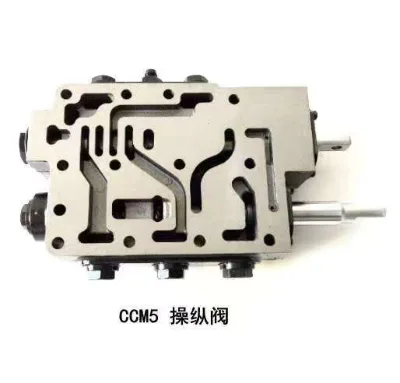


$10.00 - $100.00
MOQ: 1 Pieces


Comprehensive Sourcing Guide
Forklift Hydraulic Flow Control Valve Sourcing Guide
Procuring hydraulic flow control valves for forklift applications requires a disciplined approach to technical verification and supplier capability. Buyers must move beyond generic catalog descriptions to understand the specific operational demands of their material handling equipment. The core challenge lies in matching the valve's flow characteristics and pressure ratings to the exact hydraulic circuit of the forklift. Misalignment in these parameters can lead to sluggish lift operations, excessive heat generation, or premature seal failure. Therefore, the initial sourcing phase should focus on gathering precise technical data from the forklift manufacturer or service manual. This ensures that the replacement or upgrade component integrates seamlessly with the existing system.
The market for these components is diverse, with listings often varying significantly in specification and origin. Buyers should treat product attributes as observations rather than universal guarantees. For instance, while many listings indicate stainless steel construction and CE certification, not every supplier may adhere to the same quality benchmarks. It is crucial to distinguish between standard industrial valves and those specifically engineered for mobile machinery. The observed data suggests a range of control types, including manual, hydraulic, and electro-hydraulic options. Selecting the correct actuation method is vital for operational safety and efficiency. Buyers must verify that the valve’s installation method, such as threaded cartridge or sub-plate mounting, matches the physical constraints of the forklift’s hydraulic manifold.
Product Scope and Observed Listing Signals
The scope of available forklift hydraulic flow control valves encompasses a wide array of configurations designed for various operational needs. Listings frequently highlight features such as adjustable flow control, which allows operators to fine-tune the speed of hydraulic actuators. This is particularly important in forklifts where precise control of the mast or tilt cylinder is required for safe load handling. The observed data indicates that many valves are designed for medium-sized applications, with flow rates ranging from 25 to 200 liters per minute. Buyers should pay close attention to the port size, as common standards include 3/8" BSP or NPT. Ensuring compatibility with the existing hydraulic lines prevents the need for costly adapters or system modifications.
Listing signals also reveal variations in material composition and temperature tolerance. Stainless steel is a common material choice, offering corrosion resistance and durability in harsh industrial environments. However, buyers must verify the seal material, as options like Nit-Rile rubber or fluorocarbon affect chemical compatibility with the hydraulic oil. Temperature ratings are another critical signal; while some valves are rated for ordinary temperatures, others are specified for low-temperature operation. This distinction is vital for forklifts operating in cold storage facilities or outdoor winter conditions. Additionally, the presence of certifications such as CE and ISO indicates a baseline level of compliance, but buyers should request detailed test reports to confirm that these certifications apply to the specific model being purchased.
Technical Specifications to Verify
Technical verification begins with the hydraulic power source and transmission type. The observed data notes that many valves are designed for hydraulic transmission, with some supporting electric hydraulic drives. Buyers must confirm that the valve’s pressure rating exceeds the maximum operating pressure of the forklift’s hydraulic system. Exceeding this limit can cause catastrophic failure, while operating below the minimum pressure may result in insufficient actuator force. The flow rate is equally critical; a valve rated for 45 LPM may be suitable for smaller forklifts, while larger units may require higher capacities. Mismatched flow rates can lead to cavitation or reduced efficiency. Buyers should cross-reference the valve’s datasheet with the forklift’s hydraulic pump specifications to ensure optimal performance.
Installation and actuation methods are the next technical aspects to scrutinize. The data indicates that installation can be via threaded cartridge or sub-plate mounting. Each method has specific requirements for the hydraulic manifold, including hole patterns and thread types. Buyers must verify that the valve’s mounting dimensions align with the forklift’s existing hardware. Actuation methods, such as lever or hydraulic actuator, also play a role in operational control. For forklifts with complex control systems, electro-hydraulic valves may be necessary to integrate with electronic control units. Buyers should request detailed dimensional drawings and electrical schematics if applicable. This ensures that the valve can be installed without modifying the forklift’s structure or control system.
Compliance and Safety Documentation
Compliance documentation is a non-negotiable aspect of sourcing hydraulic components for material handling equipment. The observed data highlights CE certification as a common standard, indicating conformity with European health, safety, and environmental protection standards. However, buyers should not assume that a generic CE mark covers all relevant directives. For hydraulic valves used in forklifts, specific machinery directives may apply. Buyers should request the full declaration of conformity and any relevant test reports. These documents should detail the specific standards against which the valve was tested, including pressure testing and leak testing. Verifying that the valve has undergone rigorous quality control processes helps mitigate the risk of safety incidents in the field.
Safety documentation also extends to material certifications and environmental compliance. Since hydraulic valves often contain seals and coatings, buyers should verify that the materials comply with relevant environmental regulations. The use of fluorocarbon seals, for example, may be preferred in certain applications due to their chemical resistance and temperature stability. Buyers should also check for any restrictions on hazardous substances, such as lead or mercury, in the valve’s construction. This is particularly important for forklifts operating in food processing or pharmaceutical environments. Requesting material safety data sheets (MSDS) for all components ensures that the valve meets the specific safety requirements of the operating environment.
Cost Drivers and Commercial Terms
Understanding the cost drivers for forklift hydraulic flow control valves is essential for budgeting and negotiation. The primary cost factors include the material grade, precision of manufacturing, and complexity of the actuation system. Stainless steel valves generally command a higher price than cast iron alternatives due to their durability and corrosion resistance. Similarly, electro-hydraulic valves with integrated sensors and control circuits are more expensive than simple manual or hydraulic actuated models. Buyers should consider the total cost of ownership, including maintenance, replacement parts, and potential downtime. A higher initial investment in a high-quality valve may result in lower long-term costs due to reduced failure rates and extended service life.
Commercial terms also play a significant role in the procurement process. The observed data indicates a wide range of minimum order quantities (MOQ), from 1 to 100 units. Buyers should negotiate terms that align with their inventory management strategy. For high-volume purchases, suppliers may offer discounts, but buyers must ensure that the storage and handling costs do not offset the savings. Payment terms, such as net 30 or net 60 days, can impact cash flow. Buyers should also clarify the warranty terms, with one year being a common standard. Understanding the lead time for production and shipping is crucial for planning maintenance schedules. Delays in valve delivery can result in significant downtime for forklift operations, so buyers should build buffer time into their procurement plans.
Supplier Qualification and Quality Control
Supplier qualification is a critical step in ensuring the reliability of forklift hydraulic flow control valves. Buyers should evaluate suppliers based on their manufacturing capabilities, quality management systems, and track record in the hydraulic industry. The observed data mentions origins such as China and Japan, indicating a global supply base. Buyers should verify that the supplier has a robust quality control process, including incoming material inspection, in-process checks, and final testing. Requesting samples for testing before placing a large order is a prudent step. This allows buyers to verify the valve’s performance, fit, and finish against their specifications. Suppliers with ISO 9001 certification, although not explicitly confirmed for all listings, often demonstrate a commitment to consistent quality.
Quality control extends to the supplier’s ability to provide technical support and after-sales service. Buyers should assess the supplier’s responsiveness to technical queries and their ability to provide troubleshooting assistance. A supplier with a strong technical team can help buyers resolve installation issues or performance problems quickly. Additionally, buyers should verify the supplier’s capacity to handle custom requests, such as specific port configurations or actuation methods. The observed data notes that customization is available, but buyers should clarify the lead time and cost implications of custom orders. Establishing a long-term relationship with a qualified supplier can provide access to better pricing, priority production slots, and technical expertise.
Long-Term Procurement Checks
Long-term procurement checks focus on ensuring the sustainability and reliability of the supply chain for forklift hydraulic flow control valves. Buyers should monitor the supplier’s financial health and production capacity to avoid disruptions. A supplier with a stable financial position is less likely to face production delays or quality issues. Buyers should also consider the availability of spare parts and consumables, such as seals and filters. Ensuring that these components are readily available from the supplier or other sources reduces the risk of extended downtime. The observed data indicates that packing is typically in cartons, but buyers should verify that the packaging is suitable for long-term storage and transportation.
Strategic procurement also involves evaluating the supplier’s innovation and product development capabilities. As forklift technology evolves, with the introduction of electric and hybrid models, the requirements for hydraulic valves may change. Buyers should engage with suppliers who are investing in R&D to develop valves that meet the demands of new technologies. This includes valves with improved energy efficiency, reduced noise, and enhanced control precision. By partnering with suppliers who are at the forefront of hydraulic technology, buyers can ensure that their forklift fleet remains competitive and efficient. Regular reviews of the supplier’s performance and market trends help buyers make informed decisions about future procurement strategies.
FAQs
What is the flow rate range for these valves?
The flow rate ranges from 25 to 200 liters per minute depending on the specific model selected. This adjustable capacity supports various industrial and mobile machinery applications requiring precise hydraulic control for different operational loads.
Which certifications do these hydraulic valves hold?
These valves hold CE certification as a standard requirement for compliance. Some models also reference ISO standards, ensuring they meet international safety and quality benchmarks for use in heavy-duty machinery environments globally.
Can the valves operate in low temperature conditions?
Yes, specific models are designed for low temperature operation with an operating range from minus 20 to plus 90 degrees Celsius. This ensures reliable performance in diverse climates while maintaining seal integrity using Nit-Rile or Fluorocarbon materials.
What is the warranty period for these products?
The standard warranty period provided for these hydraulic valves is one year from the date of purchase. This coverage protects against manufacturing defects and ensures buyer confidence in the durability of the internal thread and cartridge installation.
How are these valves typically packed for shipping?
Products are packed in standard cartons or custom packaging depending on the supplier configuration. This ensures safe transport while maintaining the integrity of the hydraulic monoblock valve during international logistics and handling processes.
What drive types are available for these systems?
Available drive types include internal combustion drive and electric hydraulic options. These configurations allow flexibility for different machinery setups, ensuring compatibility with various power sources required for specific industrial or mobile applications.
Where are these hydraulic valves manufactured?
Manufacturing origins include Japan and specific regions in China such as Jiangsu Province. This global production base allows for diverse sourcing options while maintaining consistent quality standards across different product lines and specifications.