Source Powder Coated Welded Aluminum Railings for balconies, staircases, and decks
Find 30 listings for Powder Coated Welded Aluminum Railings suitable for balconies, staircases, and decks. Buyers can compare specifications like material, thickness, and finishing options from suppliers in China to find the right solution for indoor or outdoor projects.
Key considerations
Products List


Aluminium Railing Custom Powder Coated Aluminum Railing Aluminum Railings
$20.00 - $30.00
MOQ: 5 Pieces

Aluminum Rail Aluminum Balustrade Railing Handrail Powder Coating Railings
$20.00 - $30.00
MOQ: 5 Pieces


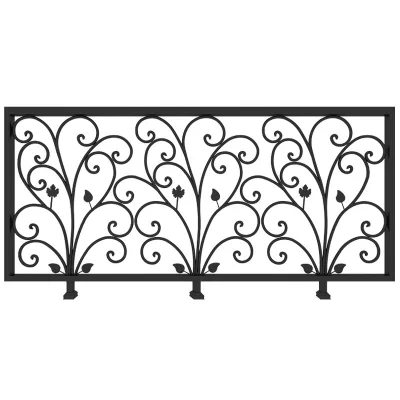


Aluminum Fence Railing Aluminum Balustrades Metal Outdoor Stair Railing Handrail
$200.00 - $300.00
MOQ: 100 Sets


China Supplier Aluminium Stair Handrail Balustrade Aluminum Stair Railing
$120.00 - $130.00
MOQ: 200 Pieces


Wholesale Factory High Quality Balcony Stair Aluminium Railing/Handrail
$200.00 - $300.00
MOQ: 100 Sets


Comprehensive Sourcing Guide
Strategic Sourcing Guide for Powder Coated Welded Aluminum Railings
Understanding Material Specifications and Structural Integrity
When sourcing Powder Coated Welded Aluminum Railings, the primary focus must be on the alloy composition and the structural thickness of the profile. The supply chain for these components typically relies on aluminum alloys that offer a balance of corrosion resistance and mechanical strength. Specifically, the 6063-T5 alloy is a prevalent standard in the industry, providing the necessary ductility for extrusion while maintaining the rigidity required for safety applications. Buyers must verify that the raw material meets this specific temper designation, as it directly influences the load-bearing capacity of the final railing system.
The physical dimensions of the railing components are critical for both aesthetic integration and structural safety. The wall thickness of the aluminum profiles is a non-negotiable specification. Industry observations indicate that high-quality profiles generally possess a thickness greater than 0.7mm. However, this is not a universal constant; many suppliers offer customizable thickness options to meet specific engineering requirements or local building codes. When evaluating a potential supplier, procurement teams should request mill test reports that explicitly confirm the wall thickness for the specific order, rather than relying on general marketing claims.
Furthermore, the welding process used to join these aluminum sections determines the final structural integrity. A "welded" designation implies that the joints are fused, often requiring post-weld finishing to ensure a seamless appearance. The frame processing methods observed in the market include powder coating or custom-made fabrication. This distinction is vital because custom-made frames often allow for unique architectural designs that standard extrusions cannot accommodate. Buyers should confirm whether the supplier utilizes automated welding for consistency or manual welding for complex custom geometries, as this impacts the uniformity of the weld beads and the overall aesthetic finish.
Surface Treatment and Finishing Processes
The durability and visual appeal of aluminum railings are heavily dependent on the surface treatment and finishing processes applied. The most common and effective method for protecting aluminum in various environments is powder coating. This process involves applying a dry powder to the metal surface, which is then cured under heat to form a hard, durable finish. The observed data indicates that "Powder Coated" is a standard frame finishing technique, offering superior resistance to chipping, scratching, and fading compared to traditional liquid paints.
In addition to powder coating, some suppliers may offer anodic oxidation as a surface finishing option. This electrochemical process enhances the natural oxide layer on the aluminum, providing excellent corrosion resistance and allowing for a range of metallic finishes. However, for the specific keyword of "powder coated" railings, the focus should remain on the quality of the powder application. The surface treatment layer must be uniform, with no visible runs, sags, or orange-peel textures.
Color customization is a significant advantage of powder coating. The market offers standard colors such as black, but the ability to customize colors to match specific architectural palettes is a key feature. Buyers should verify the supplier's capability to match specific RAL codes or custom color requests. The coating process also contributes to the "Eco-friendly" and "Renewable Sources" attributes often associated with modern railing systems, as powder coating generates less volatile organic compound (VOC) emissions than liquid painting.
Compliance, Certification, and Safety Standards
Ensuring that purchased railings meet international safety and environmental standards is a fundamental requirement for B2B procurement. The supply chain for these products often includes certifications such as CE, RoHS, and ISO/ASTM standards. These certifications indicate that the manufacturer adheres to specific safety, environmental, and quality management protocols. The CE mark, for instance, suggests conformity with health, safety, and environmental protection standards for products sold within the European Economic Area. RoHS compliance ensures that the materials used do not contain restricted hazardous substances, which is crucial for projects in sensitive environments like schools or hospitals.
While specific certification documents must be verified on a case-by-case basis, the presence of these marks on product documentation is a strong indicator of a reputable supplier. Buyers should request copies of valid certificates before placing an order. It is important to note that certifications are not static; they must be current and applicable to the specific product model being purchased. For example, a certification for a standard railing model may not automatically cover a custom-designed variant unless explicitly stated.
In terms of application location, the railings must be suitable for the intended environment. The observed data highlights suitability for indoor, outdoor, and seashore applications. This versatility implies that the powder coating and aluminum alloy combination must withstand various weather conditions, including salt spray in coastal areas. Buyers should verify that the specific product model has been tested or certified for the intended location, particularly for seashore applications where corrosion resistance is paramount.
Cost Drivers and Procurement Economics
The cost of Powder Coated Welded Aluminum Railings is influenced by several dynamic factors, including material costs, customization levels, and order volume. The observed price range in the market spans from 20 to 300 USD, reflecting the vast difference between standard off-the-shelf components and highly customized, large-scale projects. This wide range indicates that price is not a reliable standalone metric for quality; instead, it must be analyzed in the context of the specific specifications required.
Customization is a primary cost driver. While standard models like the AR-040 or SH131 may be available at lower price points, custom-made frames and specific thickness requirements will increase the unit cost. The "Custom Made" attribute allows for tailored solutions but inevitably adds to the manufacturing time and complexity. Buyers should anticipate that custom orders will command a premium over standard inventory items.
Minimum Order Quantity (MOQ) is another critical economic factor. The observed MOQ range varies from 1 to 200 units. For small-scale projects or prototype testing, suppliers with low MOQs are essential. However, for large commercial projects, negotiating a lower unit price by increasing the order volume within the 1-200 range or beyond is a standard strategy. Payment terms also play a role in the overall cost structure. The typical term observed is a 30% deposit via T/T (Telegraphic Transfer) followed by a 70% balance against the Bill of Lading copy. This structure protects both the buyer and the supplier, ensuring that production begins with a commitment and that the supplier is paid upon shipment.
Typical Applications and Design Versatility
Powder Coated Welded Aluminum Railings are designed for a diverse array of applications, ranging from residential to heavy commercial use. The versatility of these products allows them to be deployed in various settings, including bridges, decks, porches, and stairs. The specific positioning of the railing, such as "Bridge Railings," "Deck Railings," or "Stair Railings," dictates the design requirements, including height, load capacity, and aesthetic style.
The market data indicates a strong presence of these railings in hospitality and public spaces. Applications include hotels, villas, apartments, office buildings, hospitals, schools, malls, and sports venues. In these environments, the railings serve not only a safety function but also contribute to the overall architectural design. The "Modern" design style is prevalent, offering clean lines and a sleek appearance that complements contemporary architecture.
For residential projects, the railings are often used in kitchens, bathrooms, home offices, and living areas. The "Easily Assembled" feature is particularly valuable in these contexts, as it reduces installation time and labor costs. Additionally, the "Rodent Proof" and "Security" features make these railings suitable for warehouses, workshops, and farmhouses where durability and protection are priorities. The ability to customize the design allows architects and designers to create unique solutions that fit the specific needs of each project, whether it is a high-end villa or a public park.
Supplier Evaluation and Quality Control Protocols
Selecting the right supplier requires a rigorous evaluation process that goes beyond price comparisons. Buyers should assess the supplier's production capabilities, including their frame processing methods and surface finishing techniques. The ability to offer "Powder Coating or Custom Made" options suggests a flexible manufacturing base capable of handling both standard and bespoke orders. Suppliers with a strong track record in "Graphic Design" and "3D Model Design" can provide additional value by helping buyers visualize the final product before production begins.
Quality control is paramount in the railing industry. Buyers should verify that the supplier implements strict quality checks throughout the production process. This includes inspecting the aluminum alloy for purity, checking the weld quality for consistency, and ensuring the powder coating is applied evenly and cured correctly. The "High Quality" attribute observed in the market should be backed by tangible quality assurance protocols, such as regular inspections and testing.
After-sales service is another critical factor in supplier evaluation. A reliable supplier should offer comprehensive support, including online technical support, onsite installation, onsite training, and onsite inspection. The availability of free spare parts and a return and replacement policy provides a safety net for the buyer in case of any issues. The warranty period, typically observed as 3 years in the market, is a key indicator of the supplier's confidence in their product's durability.
Long-Term Procurement and Maintenance Considerations
Long-term procurement strategies for aluminum railings must account for maintenance requirements and lifecycle costs. The powder coating and aluminum alloy combination offers excellent longevity, but regular maintenance can extend the service life even further. Buyers should consider the environmental conditions where the railings will be installed. For outdoor and seashore applications, the coating must be robust enough to resist UV degradation and salt corrosion.
The "Eco-friendly" and "Renewable Sources" features of these railings align with sustainable building practices. Buyers looking to achieve green building certifications should prioritize suppliers who can provide documentation on the recyclability of the aluminum and the environmental impact of the powder coating process. The "Easily Assembled" nature of the railings also reduces the carbon footprint associated with installation, as it minimizes the need for heavy machinery and extensive labor.
In terms of future-proofing, buyers should consider the scalability of the supplier's production capacity. If a project expands or requires additional railings, the supplier should be able to match the original batch in terms of color, finish, and dimensions. This consistency is crucial for maintaining the aesthetic integrity of the building over time. By selecting a supplier with a strong track record and comprehensive after-sales support, buyers can ensure that their investment in Powder Coated Welded Aluminum Railings remains a valuable asset for years to come.
FAQs
What certifications do Powder Coated Welded Aluminum Railings have?
These railings typically hold CE, RoHS, and ISOASTM certifications. Buyers should verify that the specific product model carries valid documentation for these standards before placing an order to ensure compliance with safety and environmental regulations.
Can I customize the thickness of the aluminum profiles?
Yes, the wall thickness is customizable and generally exceeds 0.7mm for high-quality profiles. Suppliers offer this flexibility to meet specific engineering requirements or local building codes, but mill test reports must confirm the exact thickness for your order.
How long is the delivery time for custom orders?
Delivery usually occurs within 20 to 30 days after receiving the deposit. This timeline applies to both standard and custom-made frames, provided the initial 30% T/T deposit is processed successfully by the manufacturer.
Which surface treatments are available for these railings?
Powder coating is the standard frame finishing method, though anodic oxidation is also available. Powder coating provides superior resistance to chipping and fading, while anodic oxidation enhances the natural oxide layer for a metallic finish.
What is the minimum order quantity for these products?
The minimum order quantity ranges from 1 to 200 units depending on the supplier. Small projects may access low MOQs, while larger commercial orders can negotiate better unit prices by increasing volume within this range.
Where are these aluminum railings manufactured?
Products originate from regions including Shandong and Jiangsu in China. Buyers should confirm the specific place of origin for their order, as this may influence logistics costs and the suitability for specific application locations like seashores.
Can these railings be used in coastal environments?
Yes, they are suitable for indoor, outdoor, and seashore applications. The powder coating and aluminum alloy combination must withstand salt spray, so buyers should verify that the specific model is certified for coastal corrosion resistance.