Source PP Carrier Pink Color Masterbatch for pipe blowing film
Find 30 verified listings for PP Carrier Pink Color Masterbatch suitable for pipe, blowing film, and injection molding applications. Buyers can compare specifications, carrier types, and pricing directly from suppliers in China.
Key considerations
Products List





Comprehensive Sourcing Guide
Strategic Sourcing Guide for PP Carrier Pink Color Masterbatch
Understanding the Product and Carrier Dynamics
When sourcing a pink color masterbatch with a polypropylene (PP) carrier, buyers must first distinguish between the pigment function and the carrier matrix. The carrier is the vehicle that transports the color concentrate into the final plastic product, and in this specific case, the carrier is Polypropylene. This selection is critical because the carrier must be compatible with the base resin of the final application to ensure proper dispersion and avoid defects like streaking or poor mechanical properties. The supplied data indicates that PP is a confirmed carrier type for these products, often listed alongside PE, ABS, PET, and PS as available options. For a "PP carrier" specification, the masterbatch is designed to melt and flow at temperatures similar to the base PP resin, facilitating seamless integration during extrusion or injection molding processes.
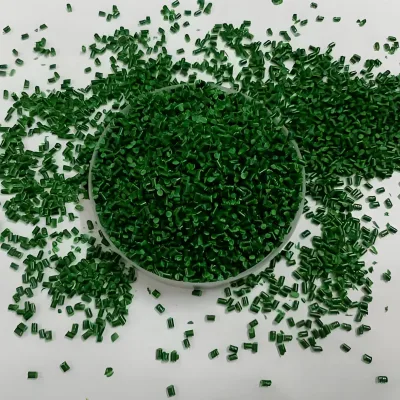
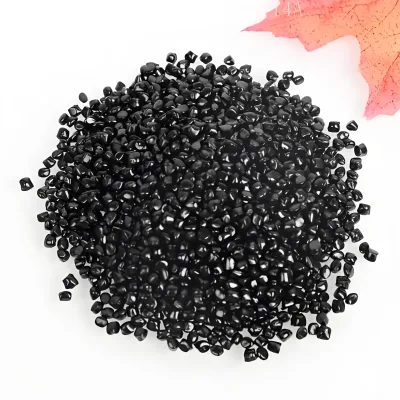
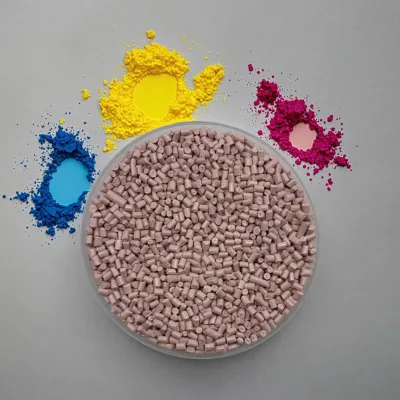
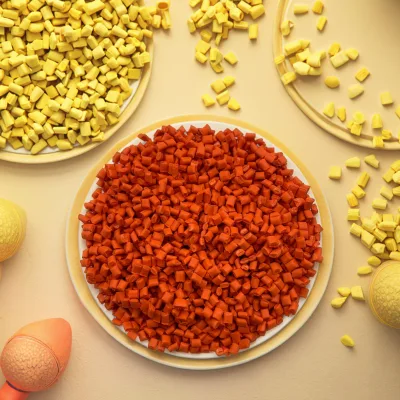
The physical form of the product is another primary observation. The available data describes the appearance as "small granule," "cylindrical particles," or "orange/red/yellow cylindrical granules." While the specific request is for pink, the physical morphology of the product is consistently granular. This shape is engineered to prevent dust generation during handling and to ensure uniform feeding into hoppers. The standard packaging for these granules is typically 25kg per bag, often described as a "waterproof bag" or simply a "bag" to protect the hygroscopic nature of the material from moisture, which can degrade performance during processing. The origin of these materials is frequently cited as China, with specific mentions of locations like Dezhou and Anhui, indicating a concentrated manufacturing hub for plastic raw materials in that region.
Technical Specifications and Application Compatibility
The technical viability of a PP carrier pink masterbatch depends heavily on the intended application method. The observed data lists a wide range of applications, including "blowing film extrusion," "injection molding," "pipe," "chair," and "bucket" manufacturing. This versatility suggests that the product is formulated for general-purpose plastic processing. However, buyers must verify that the specific pink masterbatch they select is rated for their specific process. For instance, a grade optimized for "blowing film" may have different fluidity characteristics than one designed for "injection molding." The data explicitly mentions "fluidity" as a key advantage, which is a critical parameter for ensuring the masterbatch disperses evenly without clogging equipment or causing uneven color distribution.
The dosage rate is another technical specification that requires verification. The provided context notes a usage range of "1%-5%," which serves as a baseline for formulation. This percentage indicates the proportion of masterbatch to be mixed with the base virgin or recycled resin. Exceeding this range without adjusting the processing parameters can lead to over-concentration, resulting in brittleness or surface defects, while under-dosing will fail to achieve the desired pink hue. The base material compatibility is also a factor; while the carrier is PP, the masterbatch may be compatible with other resins like PE, PVC, PBT, EVA, ABS, and PET, as indicated in the standard specifications. However, the primary recommendation is to use it with PP to maintain the integrity of the carrier system. The product is categorized under "specialty plastics" and "plastic raw material granule," reinforcing its role as an additive rather than a structural resin.
Compliance, Certification, and Regulatory Standards
In the B2B procurement of color masterbatches, regulatory compliance is non-negotiable, particularly for applications in consumer goods, automotive parts, and medical devices. The observed data confirms that products in this category often carry certifications such as CE, ISO, and RoHS. The presence of ISO certification, specifically ISO9001, indicates that the manufacturer has a quality management system in place, which is a strong indicator of process consistency. The CE mark suggests compliance with European health, safety, and environmental protection standards, while RoHS compliance ensures the product is free from specific hazardous substances, a requirement for electronics and automotive components.
Buyers must treat these certifications as observations of the supplier's portfolio rather than automatic guarantees for every specific batch. The data lists "RoHS" with lower confidence, suggesting that while it is a common attribute, it may not be universally present in every listing without explicit verification. Therefore, procurement teams should request current test reports or certificates of analysis (CoA) for the specific pink masterbatch being ordered. The standard specifications mention "PP/PE, Plastic Raw Material Granule" as a standard, but for regulated industries, buyers should verify if the product meets specific migration limits or heavy metal content requirements. The "Grade" attribute lists various applications such as "medical grade," "automotive parts," and "optical grade," implying that different grades exist with varying levels of purity and compliance. It is essential to confirm that the pink masterbatch selected matches the specific grade required for the end-use application.
Cost Drivers and Pricing Structure Analysis
The pricing of PP Carrier Pink Color Masterbatch is influenced by several volatile factors, primarily the cost of raw pigments and the base PP resin. The observed price range in the market spans from $0.1 to $3,000, a wide spectrum that reflects differences in concentration, pigment quality, and order volume. The lower end of this range likely corresponds to high-volume orders of standard pink shades with lower pigment concentrations, while the higher end may reflect specialized formulations, custom shades, or small-batch orders. The "Factory Directly Supply" attribute suggests that bypassing intermediaries can significantly reduce costs, but buyers must weigh this against the potential risks of dealing directly with manufacturers without established logistics networks.
The Minimum Order Quantity (MOQ) is another critical cost driver, with observed ranges between 1 and 1000 units. For small prototyping or trial runs, a low MOQ is essential to minimize inventory risk, whereas large-scale production requires higher volumes to achieve economies of scale. The "Customization" attribute being available indicates that buyers can request specific shades of pink or tailored formulations, but this often comes with a premium and potentially higher MOQ requirements. The packaging size of 25kg/bag also impacts logistics costs; larger orders may benefit from consolidated shipping, while smaller orders might incur higher per-unit freight charges. Buyers should also consider the "Advantage" of fluidity; a masterbatch with superior fluidity may reduce cycle times in injection molding, indirectly lowering the total cost of production even if the upfront material cost is slightly higher.
Supplier Evaluation and Verification Protocols
Evaluating a supplier for PP carrier pink masterbatch requires a multi-faceted approach that goes beyond price comparison. The data indicates that suppliers are located in China, with specific mentions of Dezhou and Anhui. While these regions are known for plastic manufacturing, buyers should verify the specific factory capabilities rather than relying solely on the country of origin. The "Brand Name" attribute, such as "Belief," suggests that some suppliers operate under established brand identities, which can be a proxy for reliability. However, the absence of a specific brand in a listing does not preclude the supplier from being reputable.
Key evaluation criteria should include the supplier's ability to provide samples for testing, their response time to technical inquiries, and their track record with similar applications. The "Advantage" of fluidity and the "Grade" specifications (e.g., blow molding grade, extrusion grade) should be cross-referenced with the buyer's specific processing equipment. A supplier that can demonstrate experience with "automotive parts" or "medical grade" applications is likely to have more rigorous quality controls. Buyers should also verify the "Place of Origin" details; while "China" is a broad designation, specific provinces like Anhui may have different regulatory environments or supply chain efficiencies. The "Customization" availability is a strong indicator of a flexible supplier capable of meeting unique color or performance requirements, but this capability must be validated through a trial run before committing to large orders.
Quality Control and Long-Term Procurement Strategy
Ensuring consistent quality in color masterbatch procurement requires a robust quality control (QC) framework. The physical attributes of the product, such as "small granule" shape and "cylindrical particles," should be verified upon receipt to ensure no degradation or contamination has occurred during transit. The "Waterproof Bag" packaging is a critical feature to maintain, as moisture absorption can lead to voids in the final product. Buyers should implement incoming inspection protocols that check for color consistency, particle size distribution, and moisture content. The "Usage" range of 1%-5% should be validated through trial batches to ensure the masterbatch performs as expected in the specific production environment.
For long-term procurement, establishing a stable supply chain is paramount. The "Factory Directly Supply" model offers cost advantages but requires strong communication channels to manage lead times and inventory levels. The "Standard" of 25kg/bag should be standardized across orders to simplify logistics and storage. Buyers should also monitor the "Carrier" composition; while PP is the primary carrier, fluctuations in the supply of PP resin can affect the masterbatch's performance. A strategic approach involves maintaining a relationship with a supplier who can provide technical support for troubleshooting processing issues, such as poor dispersion or color variation. The "Grade" diversity, including options for "foaming grade" or "hot melt grade," suggests that the supplier may offer a broader portfolio, allowing for future expansion of product lines without changing vendors.
Comparative Analysis of Masterbatch Attributes
To facilitate decision-making, the following table summarizes the key attributes observed in the market for PP carrier color masterbatches, highlighting the variations buyers may encounter.
| Attribute Category | Observed Values | Procurement Consideration |
|---|---|---|
| Carrier Material | PP, PE, ABS, PET, PS | Must match base resin (PP) for optimal dispersion. |
| Color Options | Red, Yellow, White, Orange, Pink (Custom) | Verify specific pink shade against standard color charts. |
| Physical Shape | Small Granule, Cylindrical Particles | Ensure shape matches feeding system requirements. |
| Packaging | 25kg/Bag, Waterproof Bag | Check for moisture damage upon delivery. |
| Certifications | CE, ISO, ISO9001, RoHS (Variable) | Request current certificates for regulated applications. |
| Applications | Pipe, Chair, Bucket, Blowing, Injection | Match grade to specific molding process (e.g., blow vs. injection). |
| Origin | China (Dezhou, Anhui) | Verify specific factory location for logistics planning. |
| Usage Rate | 1%-5% | Validate dosage through trial runs to prevent waste. |
This comparative view underscores the importance of specificity in procurement. While the general category is "PP Carrier Pink Color Masterbatch," the variations in carrier compatibility, certification status, and application grades mean that a "one-size-fits-all" approach is rarely effective. Buyers must align their specific technical requirements with the observed attributes of the supplier's product line. By rigorously checking the carrier type, verifying certifications, and validating the physical properties through sampling, procurement teams can mitigate risks and ensure a successful integration of the masterbatch into their production processes. The availability of customization and the wide range of applications suggest a mature market with diverse options, but the onus remains on the buyer to select the precise configuration that meets their quality and compliance standards.
FAQs
What carrier materials are available for pink color masterbatch?
PP is a confirmed carrier type for these products, often listed alongside PE, ABS, PET, and PS as available options. Buyers must verify that the specific pink masterbatch selected matches their base resin to ensure proper dispersion and avoid defects like streaking.
How is the product typically packaged for shipping?
The standard packaging for these granules is typically 25kg per bag, often described as a waterproof bag or simply a bag. This packaging protects the hygroscopic nature of the material from moisture, which can degrade performance during processing if not properly sealed.
Which certifications are commonly observed for these masterbatches?
Products in this category often carry certifications such as CE, ISO, and RoHS. The presence of ISO certification, specifically ISO9001, indicates a quality management system, while CE suggests compliance with European safety standards, though buyers should request current test reports for verification.
Can the color and specifications be customized for orders?
Customization is available for specific shades of pink or tailored formulations, but this often comes with a premium and potentially higher MOQ requirements. Buyers should validate this capability through a trial run before committing to large orders to ensure the supplier meets unique color or performance needs.
What is the typical usage rate for this masterbatch?
The provided context notes a usage range of 1%-5%, which serves as a baseline for formulation. This percentage indicates the proportion of masterbatch to be mixed with the base virgin or recycled resin to achieve the desired pink hue without causing brittleness or surface defects.
Where are these plastic raw material granules typically sourced from?
The origin of these materials is frequently cited as China, with specific mentions of locations like Dezhou and Anhui. While these regions are known for plastic manufacturing, buyers should verify the specific factory capabilities rather than relying solely on the country of origin for quality assurance.