Source PP Cotton Sleep Pillow for Home, Bedding, and Travel
Compare 30 PP Cotton Sleep Pillow options from verified suppliers. Buyers can evaluate materials like polyester and cotton, customization features, and packing details for home, bedding, and travel applications.
Key considerations
Products List


Sleeping Back Support Pillow Multifunctional Comfortable Bed Reading Pillow
$10.90 - $11.50
MOQ: 100 Pieces


Comfortable and Breathable Polyester Hollow Fiber Bed Sleeping Cotton Pillow
$2.00 - $12.00
MOQ: 300 Pieces


Wholesale Hotel Collection Bed Pillows for Sleeping Bed Cushion for Sleeping
$2.00 - $12.00
MOQ: 300 Pieces
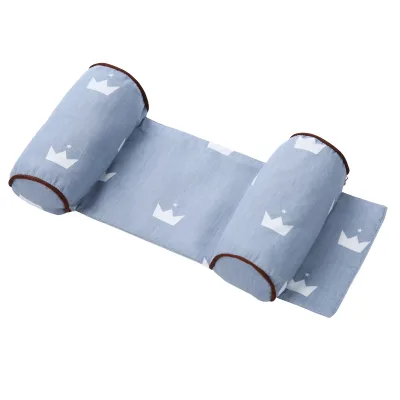
Comprehensive Sourcing Guide
PP Cotton Sleep Pillow Sourcing Guide
Sourcing high-quality sleep pillows requires a nuanced understanding of material composition, manufacturing techniques, and commercial terms. The term "pp cotton" often refers to polyester fiberfill, a synthetic alternative to natural down or memory foam, valued for its resilience, washability, and cost-effectiveness. Buyers must distinguish between marketing terminology and actual material specifications to ensure the product meets performance expectations for comfort and durability. This guide provides evidence-based procurement strategies for sourcing these products, focusing on verified attributes and risk mitigation.
The following sections outline critical verification steps for product scope, technical specifications, compliance, cost structures, supplier qualification, and long-term procurement checks. Each section is designed to help buyers make informed decisions by aligning supplier claims with observable market data and industry standards. By adhering to these guidelines, procurement teams can minimize risks associated with quality inconsistencies, regulatory non-compliance, and supply chain disruptions.
Product Scope and Observed Listing Signals
The observed market data indicates a diverse range of pillow products, with prices ranging from $1 to $20 USD and minimum order quantities (MOQs) varying between 20 and 1,000 units. This wide price and volume range suggests that suppliers cater to both small-batch custom orders and large-scale wholesale purchases. Buyers should note that lower price points may correlate with basic materials or simpler manufacturing processes, while higher prices could reflect specialized features such as ergonomic design or premium certifications. Understanding this spectrum helps in setting realistic budget expectations and identifying suppliers that align with specific volume requirements.
Product attributes observed in listings include various shapes such as rectangular, round, and U-shape, with materials ranging from 100% polyester to polyester blends with memory cotton. Some products are labeled as "pp cotton" sleep pillows, while others are described as nap pillows, neck cushions, or decorative pillows. The usage categories span home, seat, decorative, bedding, and travel applications. Buyers must carefully review product descriptions to ensure the material and shape match their intended use, as a pillow designed for decorative purposes may not provide the necessary support for sleep or travel.
Technical Specifications to Verify
Material composition is a critical factor in determining the quality and performance of sleep pillows. Listings indicate materials such as 100% polyester, polyester with memory cotton, and 100% cotton. Buyers should verify the exact material composition, as "pp cotton" may refer to different types of polyester fiberfill depending on the supplier. Additionally, the filling material, such as cotton or memory cotton, significantly impacts the pillow's firmness, support, and breathability. Requesting detailed material specifications and samples is essential to ensure the product meets comfort and durability expectations.
Technical specifications also include dimensions, shape, and manufacturing techniques. Observed standards include sizes such as 2520 cm, 604012 cm, and 2619*14 cm, with shapes ranging from rectangular to U-shape. Manufacturing techniques vary from woven and handmade to vacuum-packed options. Buyers should confirm that the dimensions and shape align with their product requirements, especially for specialized applications like travel or ergonomic support. Verifying the manufacturing technique is also important, as handmade products may offer higher quality but come with longer lead times and higher costs.
Compliance and Safety Documentation
Compliance with safety and quality standards is crucial for sleep pillows, especially those intended for children or sensitive users. Observed certifications include CE, ISO, and RoHS, which indicate adherence to specific safety and environmental standards. Buyers should verify the validity and scope of these certifications, ensuring they cover the specific product and manufacturing process. Additionally, trusted category knowledge suggests that standards such as OEKO-TEX and GOTS may be relevant for ensuring the absence of harmful substances and the use of sustainable materials. Requesting certification documents and test reports is essential to confirm compliance.
Safety documentation should also include information on flammability, chemical content, and allergen resistance. Buyers should inquire about the pillow's compliance with local and international safety regulations, such as those in the European Union, United States, and other target markets. Ensuring that the product meets these requirements is critical for market access and consumer trust. Suppliers should be able to provide clear documentation on how their products meet these standards, including any third-party testing results.
Cost Drivers and Commercial Terms
Cost drivers for sleep pillows include material quality, manufacturing complexity, customization options, and order volume. Observed payment terms include a 30% advance payment with the balance due before shipping, which is a common practice in B2B transactions. Buyers should negotiate payment terms that align with their cash flow and risk tolerance, considering factors such as supplier reliability and product complexity. Additionally, customization options such as OEM services and custom colors or shapes may incur additional costs, which should be factored into the total procurement budget.
Packaging and shipping costs are also significant factors in the total cost of ownership. Observed packaging options include woven bags, cartons, and vacuum-packed units, each with different implications for storage and transportation efficiency. Buyers should evaluate the packaging requirements to ensure they protect the product during transit while minimizing shipping costs. Negotiating favorable shipping terms and considering the supplier's location, such as Zhejiang or other regions in China, can also impact the overall cost and lead time.
Supplier Qualification and Quality Control
Supplier qualification is a critical step in ensuring the reliability and quality of sleep pillow products. Buyers should assess suppliers based on their production capacity, quality control processes, and past performance. Requesting references and conducting site audits can provide valuable insights into the supplier's operations and capabilities. Additionally, verifying the supplier's ability to meet customization requirements and handle large order volumes is essential for long-term partnerships.
Quality control measures should include pre-production samples, in-process inspections, and final product checks. Buyers should establish clear quality standards and inspection criteria, ensuring that the supplier has the necessary processes in place to meet these requirements. Implementing a robust quality control plan can help identify and address issues early in the production process, reducing the risk of defects and returns. Regular communication and feedback with the supplier are also important for maintaining consistent quality and addressing any concerns promptly.
Long-Term Procurement Checks
Long-term procurement success depends on continuous monitoring and evaluation of supplier performance. Buyers should establish key performance indicators (KPIs) such as on-time delivery, product quality, and responsiveness to issues. Regular performance reviews and feedback sessions can help identify areas for improvement and strengthen the supplier relationship. Additionally, staying informed about market trends and technological advancements in pillow manufacturing can help buyers make informed decisions and stay competitive.
Risk management is also crucial for long-term procurement. Buyers should develop contingency plans for potential supply chain disruptions, such as raw material shortages or production delays. Diversifying the supplier base and maintaining open communication with multiple suppliers can help mitigate these risks. Finally, staying compliant with evolving regulations and standards is essential for maintaining market access and consumer trust. Regularly reviewing and updating procurement policies and practices can help ensure long-term success and sustainability.
FAQs
What materials are used for pp cotton sleep pillows?
The pillows are made from 100% polyester or 100% cotton with cotton filling. Some variants combine polyester with memory cotton for enhanced comfort. These materials ensure durability and softness suitable for home and travel use.
Can I customize the size and color of these pillows?
Yes, customization is available for size, color, and design patterns. Buyers can request specific dimensions like 60*40*12cm or standard sizes. OEM services allow for tailored branding and unique color options such as white or custom shades.
What are the standard packaging methods for these products?
Products are packed in woven bags, cartons, or vacuum-sealed bags depending on the model. Each item may be individually packed in a polybag for protection. This ensures safe transport and maintains the shape during shipping.
Which certifications do these pillows meet for safety?
Some models carry CE, ISO, and RoHS certifications to ensure safety standards. These certifications verify that the materials and production processes meet international requirements. Buyers should verify specific certification details for each product model.
How is the payment structured for bulk orders?
Payment terms typically require 30% in advance with the balance due before shipping. This standard arrangement secures the order and covers production costs. Buyers must arrange the final payment prior to the shipment of goods.
What shapes are available for pp cotton sleep pillows?
Available shapes include rectangular, round, and U-shape designs to suit different needs. Rectangular and round options are common for home and decorative use. U-shape variants are specifically designed for neck support and travel comfort.
Where are these pillows manufactured and shipped from?
The products originate from Zhejiang, China, and are shipped from there. This location is a known hub for textile manufacturing with established logistics networks. Buyers can expect efficient shipping processes from this region.