Source PP Tank for Industrial, Home, and Agriculture Uses
Compare 30 PP Tank options from verified suppliers. Buyers can evaluate models like E-51 and XC-7, check certifications such as CE and ISO9001, and review features including corrosion resistance and custom sizes for industrial, home, and agricultural applications; compare the available evidence and request quotations based on your requirements.
Key considerations
Products List


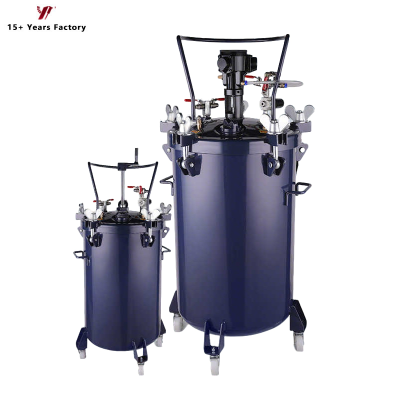


$100.00 - $10000.00
MOQ: 1 Pieces
Comprehensive Sourcing Guide
PP Tank Sourcing Guide
Procurement professionals must first distinguish between the diverse applications of polypropylene tanks, ranging from residential squatting pan cisterns to heavy-duty industrial electroplating vessels. The observed market data reveals a significant divergence in product structure, with some units designed as two-piece wall-mounted systems featuring bottom inflow valves, while others serve as large-scale storage solutions with wall thicknesses spanning from 5 to 250mm. Buyers should carefully align their specific operational needs with these structural variations to ensure the selected unit fits the intended installation environment.
A critical initial step involves verifying the customization capabilities and material consistency across different product lines. While some listings indicate standard white finishes with button-operated flush mechanisms, others offer customized logos and colors like beige or dark grey for specialized industrial use. Sourcing teams must confirm whether the polypropylene material meets specific corrosion resistance requirements, as the supply chain offers both general-purpose tanks and those treated with chemical processes for harsh environments like hospitals or agriculture.
Product Scope and Observed Listing Signals
The market for polypropylene tanks presents a wide spectrum of price points, ranging from affordable components to high-value industrial systems, necessitating a clear definition of budget constraints before engaging suppliers. Observed listing signals indicate that minimum order quantities can vary drastically, from single-unit purchases for small projects to bulk orders of up to 2000 units for large-scale infrastructure. Buyers must analyze these volume thresholds to determine the most cost-effective procurement strategy without compromising on the specific technical requirements of their project.
Product specifications in the current market show significant variation in dimensions and packing standards, which directly impacts logistics planning and storage requirements. Some units are standardized with dimensions like 320120300mm and packed eight per carton, whereas others offer fully customized dimensions and packing methods to suit unique shipping constraints. Procurement teams should scrutinize these physical attributes early in the sourcing process to avoid unexpected freight costs or storage issues upon delivery.
Technical Specifications to Verify
Technical due diligence requires a rigorous verification of the tank's structural integrity, particularly regarding the wall thickness and the specific type of valve systems installed. The supply chain offers units with bottom inflow valves and double-pressing or double-button drain mechanisms, but the exact wall thickness can range from 5mm to 250mm depending on the intended pressure and load. Buyers must explicitly request detailed engineering drawings to confirm that the selected wall thickness aligns with the operational pressure and chemical exposure levels of their specific application.
Installation compatibility is another vital technical parameter that varies significantly between residential and industrial product lines. While some tanks are designed as hidden-type wall-mounted units with front button locations, others are intended for floor installation in industrial settings. Sourcing teams must verify the inlet and outlet configurations, such as bottom inflow versus other types, to ensure seamless integration with existing plumbing or piping systems without requiring costly retrofitting.
Compliance and Safety Documentation
Regulatory compliance is a non-negotiable aspect of sourcing polypropylene tanks, with certifications like CE, RoHS, and ISO9001 serving as key indicators of manufacturing quality and safety. The observed market data confirms that many suppliers provide these certifications, but buyers must request valid, up-to-date documentation for each specific batch to ensure adherence to international safety standards. Relying on general certification claims without verifying the specific product model can lead to significant compliance risks in regulated markets.
Safety documentation must also address the material's resistance properties and the manufacturing conditions under which the tanks are produced. Products are often marketed with features such as anti-corrosion, anti-UV protection, and a lifespan of up to 10 years, but these claims require validation through independent test reports. Procurement professionals should insist on seeing evidence of chemical treatment methods and corrosion resistance testing to ensure the tank will perform reliably in its intended environment over its projected life span.
Cost Drivers and Commercial Terms
The total cost of ownership for polypropylene tanks is influenced by several factors beyond the unit price, including customization levels, material grades, and packaging requirements. While some standard models are available at lower price points, customized options featuring specific logos, colors, or unique dimensions often command a premium. Buyers should evaluate the trade-off between standard inventory and custom specifications to optimize their budget while meeting all functional and branding requirements.
Commercial terms regarding warranty and after-sales support are critical components of the procurement agreement that vary widely across different suppliers. The market offers warranty periods ranging from one year to four years, with support services extending from online assistance to parts repair. Procurement teams must negotiate clear terms that define the scope of coverage, response times for support, and the process for handling defects to mitigate long-term operational risks.
Supplier Qualification and Quality Control
Supplier qualification should focus on verifying the manufacturer's origin and their capacity to maintain consistent quality across large production runs. Many suppliers are located in established manufacturing hubs like Xiamen, China, but buyers must assess their production capabilities to ensure they can meet specific order volumes and delivery schedules. A thorough background check on the supplier's history and financial stability is essential to prevent disruptions in the supply chain.
Quality control protocols must be established to ensure that every delivered unit meets the agreed-upon specifications and performance standards. Buyers should implement a rigorous inspection process that includes checking for structural defects, verifying valve functionality, and confirming the accuracy of dimensions and material thickness. Establishing a clear quality assurance framework with the supplier helps ensure that the final product aligns with the buyer's expectations and reduces the risk of receiving substandard goods.
Long-Term Procurement Checks
Long-term procurement success depends on establishing a robust relationship with suppliers who can provide consistent after-sales service and technical support. The observed market data highlights the importance of checking for online support and parts repair services, which are crucial for maintaining the operational continuity of the tanks over their lifespan. Buyers should prioritize suppliers who demonstrate a commitment to long-term partnership rather than just transactional sales.
Regular performance reviews and feedback loops are necessary to ensure that the polypropylene tanks continue to meet the evolving needs of the organization. Procurement teams should schedule periodic assessments of the tanks' condition, checking for signs of wear, corrosion, or performance degradation. By maintaining a proactive approach to maintenance and supplier engagement, organizations can maximize the value and longevity of their polypropylene tank investments.
FAQs
What certifications do pp tanks typically have?
Many pp tanks carry CE, RoHS, and ISO9001 certifications to ensure safety and quality standards. Some models also include CUPC or ISODrain Valve certifications. Buyers should verify specific documents for each product to confirm compliance with regional regulations and industry requirements.
Can pp tanks be customized for specific needs?
Yes, customization is available for pp tanks regarding logos, dimensions, and functional features. Manufacturers offer tailored solutions for industrial, home, or agricultural applications. Buyers can request specific modifications to fit unique operational requirements while maintaining material integrity and performance standards.
What is the typical warranty period for pp tanks?
Warranty periods vary, with some models offering up to four years of coverage. Other industrial units may provide a one-year warranty depending on the manufacturer. Buyers should check the specific product details to understand the exact duration and scope of the warranty provided.
How are pp tanks packed for shipping?
Packing methods include one piece per box with eight or ten pieces per carton for standard units. Customized packaging options are also available for bulk orders. This ensures safe transport and protects the tank from damage during transit to various global destinations.
Where are pp tanks manufactured?
Most pp tanks originate from Xiamen, China, or other domestic production facilities. The location impacts shipping times and logistics costs for international buyers. Suppliers often list their specific origin to help buyers assess lead times and potential import duties for their region.
What materials are used to construct pp tanks?
PP tanks are primarily constructed from polypropylene material known for its durability. This material offers excellent corrosion resistance and anti-UV properties for long-term use. The construction ensures the tank remains stable in various environments including industrial, agricultural, and hospital settings.
What is the lifespan of a PP Tank?
The lifespan of a PP Tank can reach up to ten years with proper maintenance. Factors like chemical exposure and installation conditions affect longevity. Buyers should consider the material quality and usage environment to estimate the actual service life for their specific application needs.