Source PP Watch for Business, Sport, and Holiday Gifts
Compare 22 PP Watch options featuring analog-digital displays, various case shapes, and customizable designs. Buyers can evaluate movement types, waterproof ratings, and MOQs ranging from 1 to 10,000 units for business, sport, and holiday gift applications.
Key considerations
Products List


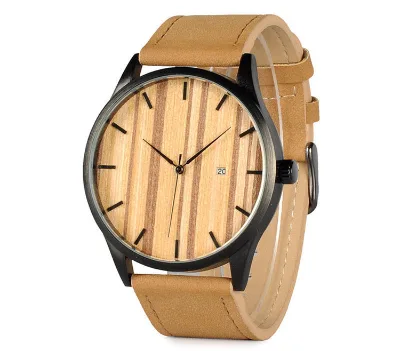


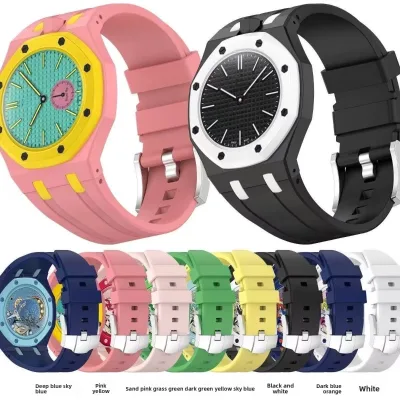
Comprehensive Sourcing Guide
Strategic Sourcing Guide for PP Watch Procurement
The global market for plastic polymer (PP) watches presents a unique intersection of durability, cost-efficiency, and design versatility. For procurement professionals, sourcing these timepieces requires a nuanced understanding of material properties, manufacturing capabilities, and the specific regulatory landscape governing consumer electronics and accessories. The following guide synthesizes available product attributes and industry standards to provide a disciplined framework for evaluating potential suppliers and managing the procurement lifecycle.
Technical Specifications and Material Architecture
When evaluating PP watches, the primary differentiator lies in the construction of the case and band materials. The observed product data indicates a diverse range of configurations, from stainless steel bands paired with tempered glass surfaces to ceramic band types. This suggests that while the core keyword "PP Watch" often implies a plastic casing, the final product may feature composite structures where plastic components are integrated with metal or glass elements for enhanced aesthetics and durability.
A critical technical observation is the variability in movement technology. The supply base includes products powered by digital movements, quartz mechanisms, and even automatic systems. This diversity allows buyers to target specific market segments, from high-end fashion to rugged utility. The display methods further complicate the specification matrix, with listings showing both analog and analog-digital hybrid interfaces. Procurement teams must verify the specific movement type required for their target demographic, as digital movements often offer features like chronographs and alarms, whereas quartz movements are typically associated with precision and lower maintenance.
Water resistance is another paramount specification. While some product listings explicitly state a rating of 50 meters, others simply use the generic term "Waterproof." In B2B procurement, relying on generic terms is risky. Buyers must demand specific ISO 2281 or equivalent testing data to confirm whether a watch can withstand submersion at the claimed depth. The presence of features such as power reserves, day/date displays, and multiple time zones indicates a higher level of functional complexity that may require more rigorous quality control during the assembly phase.
Compliance, Certification, and Regulatory Standards
Navigating the regulatory landscape is essential for importing PP watches into international markets. The observed data highlights several certifications, including CE, CCC, ISO, and RoHS. The CE mark is particularly critical for European markets, indicating conformity with health, safety, and environmental protection standards. Similarly, RoHS compliance ensures that the product does not contain restricted hazardous substances, which is a standard requirement for electronics and accessories in many jurisdictions.
For products originating from China, as indicated in the supply data, the CCC (China Compulsory Certification) may be relevant for domestic sales or specific export corridors. However, buyers targeting North American or European markets must verify that the CE and RoHS certifications are backed by valid test reports from accredited laboratories. The data also mentions "Ethylene Oxide Sterilization: Without Ethylene Oxide Sterilization," which is a specific attribute relevant to medical or hygiene-related applications, though less common for standard timepieces. Procurement teams should clarify if the intended use case requires any specific sterilization protocols or if the standard manufacturing process suffices.
Furthermore, the "Customized" standard noted in the product attributes suggests that many suppliers operate on an OEM basis. This flexibility allows for branding and design modifications but necessitates a thorough review of the supplier's quality management system to ensure that customizations do not compromise the integrity of the certifications. Buyers should request copies of current certificates and verify their validity dates before placing orders.
Cost Drivers and Economic Considerations
The economic landscape for PP watches is influenced by several variable factors, including the complexity of the movement, the materials used for the band and case, and the level of customization required. The observed price range of $0.66 to $80 USD reflects this volatility. The lower end of the spectrum likely corresponds to basic digital or quartz models with simple plastic casings and minimal features. Conversely, the higher price points are associated with advanced features like chronographs, power reserves, automatic movements, and premium materials such as tempered glass or ceramic.
Minimum Order Quantity (MOQ) is a significant cost driver in this sector. The data reveals a wide disparity, with MOQs ranging from 1 unit to 10,000 units. A specific listing indicates an MOQ of 500 units, while another suggests a requirement of 1,000 units, and a third points to a high-volume threshold of 10,000 units. Buyers must align their order volume with these thresholds to achieve optimal unit pricing. Small batch orders may incur higher per-unit costs due to setup fees and the inefficiency of running production lines for low volumes.
Packaging also impacts the final cost. The standard packaging method observed is "Each Packed in a Polybag." While cost-effective, this may not be sufficient for premium branding. Upgrading to custom boxes or branded packaging will increase the unit cost but can enhance the perceived value of the product. Additionally, the "Customized" logo printing option allows for brand differentiation but adds a setup cost and potentially a higher MOQ requirement.
Typical Applications and Market Segmentation
The versatility of PP watches allows them to serve a broad spectrum of applications. The product attributes list usage scenarios ranging from "Compass, Photo Frame, Flashlight" to "Promotion Gifts, Coin Holder, Holiday" items. This indicates that many PP watches are designed as promotional merchandise or multi-functional gadgets rather than traditional timekeeping devices. The "Sport" and "Business" style classifications further suggest that these watches are marketed toward specific lifestyle segments.
For promotional buyers, the ability to customize the design, including the logo and case shape (round or square), makes these watches ideal for corporate gifting and trade show giveaways. The "Fruit or Customized" design option points to a niche market for novelty items or children's products. In the fashion sector, the availability of "Modern" and "Business" styles with features like day/date displays allows these watches to function as affordable fashion accessories for the mass market.
The "Unisex" and "Men" gender classifications indicate that the product line is designed to appeal to a wide demographic. However, procurement teams must ensure that the design and sizing of the watch align with the specific gender preferences of their target audience. The "Ion Watch" type suggests a specific coating or finish that may be marketed towards a younger, trend-conscious demographic.
Supplier Evaluation and Production Capabilities
Selecting the right supplier requires a deep dive into their production capabilities and flexibility. The data confirms that "Customization" is available, and "OEM" services are offered, indicating that suppliers are willing to adapt products to buyer specifications. The "Die-Casting" process mentioned in the attributes suggests that some components are manufactured using high-precision metal casting, which is a sign of robust manufacturing infrastructure.
When evaluating suppliers, buyers should assess their ability to handle the specific movement types and display methods required. The coexistence of digital, quartz, and automatic movements in the product listings suggests that suppliers may have partnerships with multiple movement manufacturers or possess in-house assembly capabilities. It is crucial to verify that the supplier can consistently source the specific components needed for the desired configuration.
The "Customized" standard and "Logo Printing" options highlight the importance of communication. Buyers must provide clear specifications for branding, packaging, and design to avoid discrepancies in the final product. The "Without Logo Printing" option suggests that some suppliers offer blank units, which can be useful for buyers who intend to apply their own branding later or for markets where branding is restricted.
Quality Control and Long-Term Procurement Strategies
Ensuring consistent quality in PP Watch procurement requires a structured approach to quality control (QC). Given the variability in materials and movements, buyers should implement a rigorous inspection protocol. This includes checking the waterproof rating, verifying the functionality of features like chronographs and alarms, and inspecting the finish of the case and band. The "Detachable Case" and "Undetachable Case" attributes indicate that the structural integrity of the watch is a key quality metric.
For long-term procurement, establishing a strategic partnership with a supplier is advisable. The wide range of MOQs suggests that suppliers are willing to scale production, but buyers must negotiate terms that allow for flexibility in order volumes. Building a relationship with a supplier who understands the specific certification requirements and customization needs can streamline the procurement process and reduce lead times.
Buyers should also consider the lifecycle of the product. The "Eco-Friendly" feature noted in the attributes suggests a growing market demand for sustainable products. Procurement teams should inquire about the recyclability of the materials used and the environmental impact of the manufacturing process. This can be a significant differentiator in markets where consumers are increasingly conscious of sustainability.
Comparison of Key Product Attributes
To facilitate decision-making, the following table summarizes the key attributes observed in the supply base, highlighting the variability that buyers must navigate.
| Attribute Category | Observed Variations | Procurement Consideration |
|---|---|---|
| Movement Type | Digital, Quartz, Automatic | Verify accuracy, battery life, and maintenance requirements. |
| Display Method | Analog, Analog-Digital | Ensure the interface matches user expectations and brand image. |
| Case Shape | Round, Square | Align with target market aesthetics and ergonomic needs. |
| Water Resistance | 50 m, Waterproof (Generic) | Demand specific test reports for claimed water resistance levels. |
| Band Material | Stainless Steel, Ceramic, Plastic | Assess durability, comfort, and cost implications. |
| MOQ | 1, 500, 1000, 10000 | Negotiate volume discounts and align with inventory strategy. |
| Customization | Logo, Design, Case Shape | Define clear specifications to avoid production errors. |
| Certifications | CE, CCC, ISO, RoHS | Verify validity and scope of certifications for target markets. |
In conclusion, sourcing PP watches requires a balanced approach that considers technical specifications, regulatory compliance, cost dynamics, and supplier capabilities. By leveraging the detailed product attributes and adhering to rigorous quality control standards, procurement professionals can secure high-quality timepieces that meet the diverse needs of their target markets. The flexibility of the supply base offers significant opportunities for customization and innovation, provided that buyers maintain a disciplined and evidence-based approach to their selection process.
FAQs
What customization options are available for pp watches?
Customization is available for logo, design, and case shape. Buyers can select round or square cases with fruit or custom designs. OEM services allow for specific branding and packaging adjustments to meet unique requirements.
Which certifications do PP Watch manufacturers typically hold?
Common certifications include CE, CCC, ISO, and RoHS. These standards ensure compliance with safety and environmental regulations for international markets. Buyers should verify valid test reports to confirm the authenticity of these certifications before ordering.
Can I find pp watches with specific movement types?
Yes, the supply base offers digital, quartz, and automatic movements. Digital models often feature chronographs and alarms, while quartz movements provide precision. Select the movement type based on the target demographic and required functionality for the product line.
What is the minimum order quantity for pp watches?
Minimum order quantities vary significantly, ranging from 1 to 10,000 units depending on the supplier. Specific listings show thresholds of 500, 1000, and 10,000 units. Buyers must align their order volume with these thresholds to achieve optimal unit pricing.
How waterproof are the available PP Watch models?
Some models are rated for 50 meters of water resistance, while others use generic waterproof claims. Buyers must demand specific ISO 2281 testing data to confirm submersion capabilities. Relying on generic terms without verification is risky for B2B procurement.
Which materials are used for PP Watch bands and cases?
Band materials include stainless steel and ceramic, while cases may feature tempered glass. Some products integrate plastic components with metal or glass elements. The choice of material impacts durability, comfort, and the overall cost of the final product.
Where are PP Watch products typically manufactured?
The observed product data indicates that these watches originate from China. This location influences shipping logistics and potential regulatory requirements for export. Buyers should verify the specific factory location to ensure compliance with their import regulations.