Source Pre-Galvanized Steel Farm Gate for Farms, Yards, and Breeding
Compare 30 Pre-Galvanized Steel Farm Gate options from verified suppliers. These welded metal gates feature corrosion-proof finishes and customizable sizes for livestock breeding areas, residential yards, and farm applications; compare the available evidence and request quotations based on your requirements.
Key considerations
Products List




Comprehensive Sourcing Guide
Pre-Galvanized Steel Farm Gate Sourcing Guide
Buyers must first distinguish between pre-galvanized and hot-dipped galvanized options, as the supplied data indicates a mix of finishes including hot-dip galvanizing and powder coating. The observed product attributes list "Hot-DIP Galvanized" and "Galvanized" as primary surface treatments, suggesting that true pre-galvanized wire may be a subset of the broader welded steel gate inventory. Procurement teams should verify the specific zinc coating process in the supplier's technical sheet to ensure the corrosion resistance matches the intended farm environment, particularly for livestock breeding areas where moisture and manure accelerate degradation.
The observed listing signals reveal a wide range of customization options, including specific wire diameters from 3mm to 5.0mm and mesh hole sizes like 50x50mm or 100x200mm. This variability implies that a single standard SKU rarely fits all farm layouts, requiring buyers to define their exact height and length requirements before requesting quotes. The presence of "Custom Size" and "Logo Printing" services suggests that many suppliers operate on a made-to-order basis, which impacts lead times and minimum order quantities significantly compared to stock items.
Product Scope and Observed Listing Signals
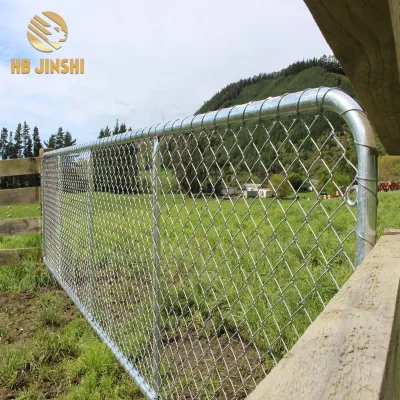
The product scope encompasses various gate types including sliding, swing, and telescopic opening mechanisms, all constructed from metal frames with welded wire mesh. The observed specifications highlight frame pipe dimensions ranging from 28mm to 38mm in diameter, which directly influences the structural integrity and load-bearing capacity of the gate. Buyers should note that the "Heavy-Duty" and "Livestock-Proof" advantages are frequently paired with these specific frame dimensions, indicating that thinner frames may not meet the rigorous demands of large animal containment.
Listing signals also indicate a diverse array of accessories such as locks, reflector strips, and even motorized components for automatic operation. This suggests that the market offers both manual and automated solutions, requiring buyers to clarify their power availability and security needs early in the sourcing process. The observed "Metal Pallet + Plastic Film" packing method points to a standardized shipping protocol, yet the "in bulk" option mentioned for some listings requires careful negotiation regarding damage liability during transit.
Technical Specifications to Verify
Verification of wire diameter is critical, as the observed range spans from 3mm to 5.0mm, with specific listings citing 3.5mm, 4.0mm, and 4.5mm as common standards. Thicker wires generally offer superior resistance to impact and bending, which is essential for gates used in high-traffic farm entrances or areas with aggressive livestock. Buyers must explicitly confirm the wire gauge in the purchase order, as the difference between a 3mm and a 5mm wire represents a significant variance in material cost and long-term durability.
The mesh hole geometry and weave technique are equally important, with observed data specifying square holes and satin weave patterns. The listed mesh sizes, such as 50x50mm or 100x300mm, dictate the type of animals that can be safely contained, preventing smaller livestock from escaping or getting trapped. Additionally, the "Welded" technique noted in the attributes ensures a rigid structure, but buyers should request proof of weld quality to prevent mesh separation under tension or repeated use.
Compliance and Safety Documentation
Compliance documentation should focus on the presence of CE and ISO certifications, which are explicitly listed in the product attributes for multiple gate configurations. These certifications indicate that the manufacturing process adheres to specific European and international quality management standards, providing a baseline assurance of product consistency and safety. Buyers should request copies of these certificates to verify that the specific batch of gates being ordered was produced under the same certified conditions.
Safety considerations extend to the frame finishing and surface treatment, with options ranging from "Not Coated" to "Powder Coated" and "Hot Dipped Galvanized." The choice of finish impacts the gate's resistance to rust and chemical exposure, which is vital for farm environments. Procurement teams must ensure that the selected finish aligns with the local climate and that the supplier provides data on the coating thickness or zinc layer weight to confirm the longevity of the corrosion protection.
Cost Drivers and Commercial Terms
Cost drivers are heavily influenced by the material thickness, frame dimensions, and the complexity of the surface treatment process. The observed wire diameter range and frame pipe sizes suggest that heavier gates with thicker steel and robust galvanizing will command a higher price point. Buyers should analyze the cost per square meter rather than the unit price, as the variation in material usage between a 1m high gate and a 1.5m high gate can drastically alter the total expenditure.
Commercial terms must account for the observed MOQ range, which spans from 1 to 362 units, with specific listings citing an MOQ of 50 pieces. This variability allows for flexibility but requires careful planning to avoid overstocking or incurring high per-unit costs for small orders. Additionally, the "Custom Size" service implies that non-standard dimensions may incur setup fees or longer lead times, which should be factored into the total landed cost calculation.
Supplier Qualification and Quality Control
Supplier qualification should prioritize manufacturers located in Anping County, Hebei Province, China, as this region is a recognized hub for metal fencing production. The observed "HB JINSHI" brand name and the specific origin details suggest a concentration of specialized suppliers in this area, offering buyers a concentrated pool of potential partners. However, buyers must verify the specific factory's capacity to handle custom orders and their track record for meeting the "Easy Installation" and "Instruction Book" service promises.
Quality control protocols must include visual inspections of the weld points and the uniformity of the galvanizing or powder coating. The "Heavy-Duty" and "Corrosion-Proof" claims require physical verification, such as checking for consistent coating thickness and ensuring that the frame pipes are free from defects. Buyers should consider requesting third-party inspection reports or sample testing to validate that the delivered gates meet the specified wire diameter and mesh hole dimensions before full shipment.
Long-Term Procurement Checks
Long-term procurement checks should focus on the consistency of the "Hot-Dipped Galvanized" or "Powder Coated" finishes over time, as these are the primary defenses against environmental degradation. Buyers need to establish a schedule for periodic inspections of installed gates to detect early signs of rust or coating failure, which can compromise the "Livestock-Proof" integrity of the barrier. Maintaining a relationship with the supplier for replacement parts or additional panels ensures that the farm's fencing system remains uniform and functional.
Finally, buyers should monitor the supplier's ability to maintain the "Custom Size" and "Logo Printing" services over multiple order cycles. As farm layouts evolve, the need for gates of varying heights and lengths will likely increase, making a reliable supply chain essential. Establishing clear communication channels for technical support and after-sales service will help mitigate risks associated with installation errors or unexpected maintenance needs in the future.
FAQs
What certifications do the farm gates have?
The farm gates carry CE and ISO certifications to ensure safety and quality standards. These certifications apply to the metal construction and frame finishing processes used in production. Buyers can verify these documents when sourcing from Anping County suppliers for verified compliance.
How is the surface treated for durability?
The surface treatment involves hot-dip galvanizing to provide corrosion-proof protection for outdoor use. Some options also feature powder coating in RAL colors for additional aesthetic appeal. This process ensures the metal remains heavy-duty and livestock-proof in farm environments.
Which wire diameters are available for purchase?
Available wire diameters range from 3.0mm to 5.0mm depending on the specific model requirements. Thicker wires like 5.0mm offer enhanced strength for heavy-duty applications. Buyers can select the appropriate diameter based on their livestock breeding area security needs.
Can I request custom sizes for the gate?
Yes, custom sizes are available to meet specific installation requirements. The standard lengths vary from 2 meters to 6 meters, but manufacturers can produce gates as requested. This customization service includes logo printing and easy installation features for residential or farm yards.
What is the minimum order quantity for these gates?
The minimum order quantity varies by supplier but can be as low as 1 piece or up to 362 pieces depending on the vendor. Some specific listings require a minimum of 50 pieces for standard orders. Buyers should check individual supplier terms for exact MOQ values.
Where are these steel farm gates manufactured?
These gates are manufactured in Anping County, Hengshui, Hebei Province, China. This region is known for its metal processing industry and produces welded steel fencing products. The origin ensures access to established supply chains for global export and local distribution.
What opening types are supported for the gates?
The gates support sliding, swing, telescopic, and automatic opening types to suit various access needs. Automatic options may include motors and remote controls for convenience. These mechanisms are designed for easy assembly and reliable operation in farm or residential settings.