Source Precision Custom Copper Casting Part for Machinery, Hardware, Auto
Find 30 verified suppliers offering Precision Custom Copper Casting Part solutions for machinery parts, hardware tools, and auto accessories. Compare specifications, materials, and lead times to select the right manufacturer for your batch production needs; compare the available evidence and request quotations based on your requirements.
Updated
Key considerations
Products List




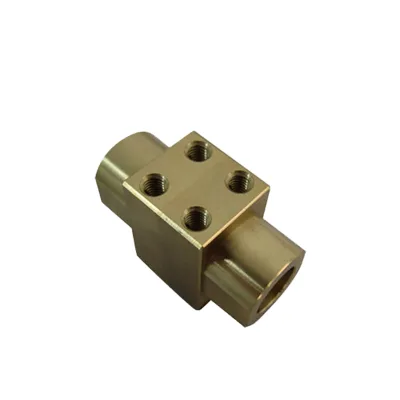
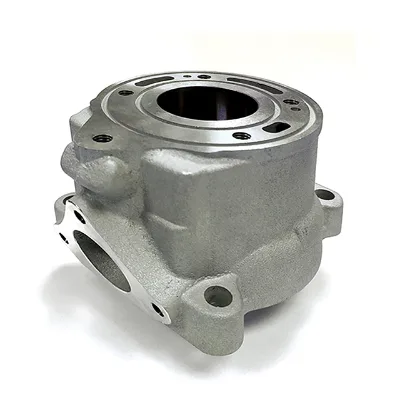


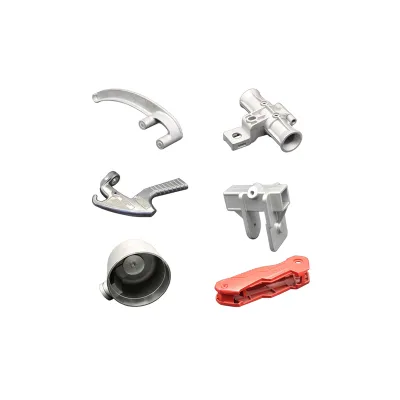


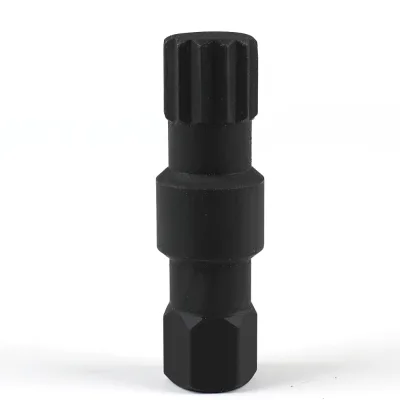




Comprehensive Sourcing Guide
Precision Custom Copper Casting Part Sourcing Guide
Sourcing precision custom copper casting parts requires a nuanced understanding of the intersection between material properties and manufacturing tolerances. Buyers must recognize that copper alloys offer superior thermal and electrical conductivity, making them ideal for high-performance machinery components and hardware accessories. The procurement process begins with defining the specific alloy grade and geometric complexity, as these factors directly influence the choice of casting method, such as thermal gravity casting or lost wax casting. Understanding these foundational elements ensures that the selected supplier possesses the technical capability to meet the rigorous demands of the application.
The market landscape for these components is diverse, with suppliers offering a wide range of customization options and production scales. Observed listing signals indicate that manufacturers support batch production and can accommodate both sample orders and bulk runs, with minimum order quantities starting as low as a single piece for prototyping. This flexibility allows buyers to validate design feasibility before committing to large-scale manufacturing. However, the variability in supplier capabilities means that buyers must carefully evaluate each potential partner’s specific expertise in copper alloy processing, ensuring they can deliver the required surface finishes and dimensional accuracy without compromising the material’s inherent properties.
Product Scope and Observed Listing Signals
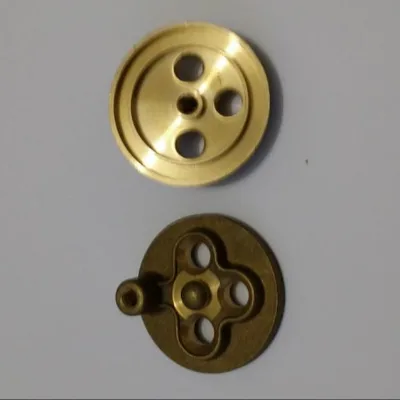
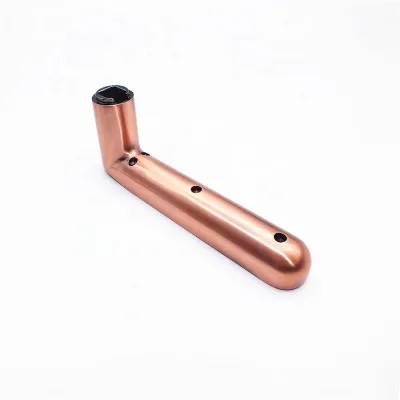
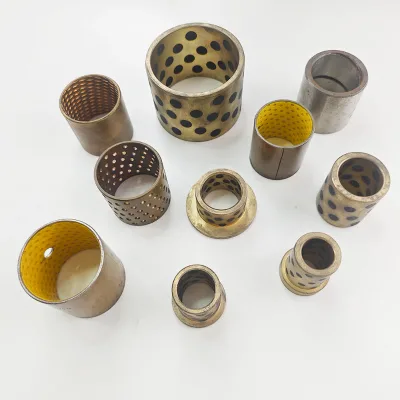
The product scope for precision custom copper casting parts encompasses a variety of industrial applications, including machinery parts, hardware tools, and automotive accessories. Suppliers often list these components under broader categories such as fasteners or mechanical accessories, highlighting their versatility in assembly and structural roles. The observed data suggests that manufacturers are equipped to handle complex geometries, utilizing advanced molding techniques like gravity casting and die casting to achieve intricate designs. This breadth of application underscores the importance of clearly defining the functional requirements of the part, such as load-bearing capacity or thermal dissipation needs, to ensure the selected component performs reliably in its intended environment.
Listing signals also reveal significant variation in surface preparation and finishing treatments, which are critical for both aesthetic appeal and corrosion resistance. Common processes include polishing, passivation, tin plating, and nickel plating, with some suppliers offering sandblasting or oxidation treatments to enhance surface texture. Buyers should note that these finishing steps are not merely cosmetic but play a vital role in the part’s longevity and performance. The availability of customized packaging, ranging from wooden boxes to cartons and polybags, further indicates that suppliers are attentive to the logistical needs of different clients, ensuring that delicate precision parts are protected during transit and storage.
Technical Specifications to Verify
Verifying technical specifications is paramount when sourcing precision copper castings, particularly regarding dimensional accuracy and surface roughness. Buyers should confirm that the supplier can maintain tight tolerances, typically ranging from ±0.01mm to ±0.05mm, which are essential for parts that require precise fitment in machinery or assemblies. Additionally, surface roughness values, often specified between Ra 0.8 and Ra 3.2, must be aligned with the functional requirements of the application. These metrics are not optional but critical indicators of the manufacturer’s machining and finishing capabilities, directly impacting the part’s performance and compatibility with mating components in the final assembly.
Material composition and casting method are equally critical technical factors that must be explicitly defined in the procurement agreement. While copper alloy is the primary material, buyers should verify the specific alloy grade to ensure it meets the required mechanical and electrical properties. The casting method, whether thermal gravity casting, lost wax casting, or die casting, significantly influences the part’s microstructure and integrity. Suppliers may also offer CNC machining as a secondary process to achieve higher precision, so buyers should clarify whether the final part is cast-only or requires additional machining to meet the specified tolerances and surface finish requirements.
Compliance and Safety Documentation
Compliance and safety documentation form the backbone of a reliable procurement process, ensuring that purchased parts meet international quality and safety standards. Buyers should request material certifications, such as EN 10204-3.1 or material test reports, to verify the chemical composition and mechanical properties of the copper alloy used. These documents provide traceability and assurance that the material meets the specified standards, which is crucial for industries with strict regulatory requirements. Without proper certification, buyers risk sourcing components that may fail under operational stress or not meet the intended performance criteria, leading to costly recalls or safety hazards.
Quality control standards and inspection protocols are another vital aspect of compliance. Suppliers should adhere to recognized quality management systems, such as ISO 9001, and perform 100% inspection before shipment to ensure consistency and defect-free delivery. Buyers should also verify if the parts comply with environmental regulations like RoHS or CE, particularly if the components are destined for markets with strict environmental standards. These certifications not only demonstrate the supplier’s commitment to quality but also provide legal protection and market access for the buyer, ensuring that the sourced parts are safe, reliable, and compliant with global trade requirements.
Cost Drivers and Commercial Terms
Cost drivers for precision custom copper casting parts include material costs, mold expenses, and the complexity of the manufacturing process. Buyers should anticipate that mold prices can vary significantly, with some suppliers listing costs around $1500 for custom tooling, which is a one-time investment that affects the overall unit price. Additionally, the choice of casting method and surface treatment can impact the final cost, with processes like lost wax casting or multiple plating steps adding to the production time and expense. Understanding these cost components allows buyers to negotiate more effectively and budget accurately for both prototyping and mass production phases.
Commercial terms, including lead times and minimum order quantities, are critical for supply chain planning. Suppliers typically offer lead times of 7-10 working days for samples and 15-25 working days for mass production, which buyers must factor into their project schedules. Minimum order quantities can range from one piece for samples to 100 pieces for bulk orders, providing flexibility for different production needs. Buyers should also clarify payment terms and shipping arrangements, as these can influence the total cost of ownership. Clear communication of these commercial terms ensures that both parties have aligned expectations, reducing the risk of delays or disputes during the procurement process.
Supplier Qualification and Quality Control
Supplier qualification involves a thorough assessment of the manufacturer’s technical capabilities, production capacity, and quality management systems. Buyers should verify that the supplier has experience in handling copper alloys and can provide references or case studies demonstrating successful projects in similar industries. It is also essential to confirm the supplier’s ability to support custom designs, as many buyers require tailored solutions that go off-the-shelf offerings. Evaluating the supplier’s equipment, such as cold chamber die casting machines or CNC machining centers, provides insight into their ability to produce high-precision parts consistently and efficiently.
Quality control processes must be robust and transparent, with clear protocols for inspection and testing at various stages of production. Buyers should inquire about the supplier’s in-house testing capabilities and whether they conduct third-party inspections for critical components. Documentation of quality control measures, including inspection reports and non-conformance handling procedures, should be readily available. Additionally, buyers should assess the supplier’s commitment to continuous improvement and their ability to implement corrective actions if defects are identified. A strong quality control system ensures that the final products meet the specified standards and perform reliably in the field.
Long-Term Procurement Checks
Long-term procurement checks focus on building a sustainable and resilient supply chain for precision custom copper casting parts. Buyers should establish regular performance reviews with their suppliers, assessing metrics such as on-time delivery, defect rates, and responsiveness to issues. These reviews help identify potential risks and areas for improvement, allowing for proactive management of the supply relationship. Additionally, buyers should monitor market trends and material price fluctuations to anticipate cost changes and adjust procurement strategies accordingly. Maintaining open communication with suppliers fosters trust and collaboration, leading to better service and more competitive pricing over time.
Continuous improvement initiatives should be encouraged, with buyers and suppliers working together to optimize designs and manufacturing processes. This may involve exploring new materials, technologies, or finishing techniques that enhance performance or reduce costs. Buyers should also consider diversifying their supplier base to mitigate risks associated with single-source dependencies. By regularly evaluating and updating their procurement strategies, buyers can ensure that they remain competitive and resilient in the face of changing market conditions. Long-term success in sourcing precision copper casting parts depends on a strategic approach that balances quality, cost, and reliability.
FAQs
Can you provide custom samples for precision custom copper casting parts?
Yes, custom samples are available for precision custom copper casting parts. The lead time for samples is typically 7-10 working days. This allows buyers to verify quality and specifications before committing to bulk orders. The MOQ for samples is just one piece, making it easy to test the manufacturing capabilities and surface finish.
What materials are used for precision custom copper casting parts?
Precision custom copper casting parts are manufactured using various materials including copper alloy, iron, aluminum, brass, and steel. The specific material selection depends on the application requirements such as machinery parts or hardware tools. Buyers can choose from these options based on their technical needs and performance expectations for the final component.
What is the lead time for mass production of these parts?
The lead time for mass production of precision custom copper casting parts is 15-25 working days. This timeframe ensures quality control and adherence to specifications. For bulk orders, the MOQ is 100 pieces. This production schedule allows for efficient batch processing while maintaining the high standards required for machinery and automotive accessories.
What certifications and quality standards are applied to these parts?
These parts comply with ASME, TEMA, JIS Code, China GB Code, EN, and GB standards. Quality control follows ISO 9001 guidelines with 100% inspection before shipment. Material certification is provided via EN 10204-3.1 or a material test report. This ensures that every Precision Custom Copper Casting Part meets rigorous international quality and safety requirements.
What surface treatments are available for these casting parts?
Available surface treatments include polishing, passivation, tin plating, and nickel plating. Some parts may also undergo powder coating or sandblasting oxidation. The surface roughness ranges from Ra 0.8 to Ra 3.2. These options allow buyers to achieve the desired aesthetic and functional finish for their specific machinery or hardware applications.
What drawing formats are supported for custom orders?
The supplier supports 2D and 3D CAD, PDF, IGS, and STEP drawing formats. This flexibility allows engineers to submit designs in their preferred software environment. The customization service accepts these digital files to produce precision custom copper casting parts that match exact specifications. This ensures accurate manufacturing and reduces communication errors during the production process.