Source Taiwan Precision Casting Parts for Household, Electronic, and Car
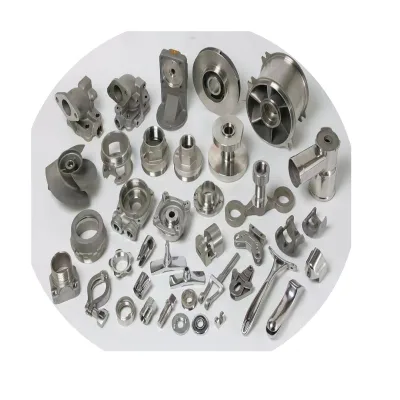
Find Taiwan Precision Casting Parts from 30 verified listings. Compare options made from steel and iron, featuring CNC machining and various surface treatments like plating and sand blasting for household appliances, electronics, and automotive applications; compare the available evidence and request quotations based on your requirements.
Updated
Key considerations
Products List


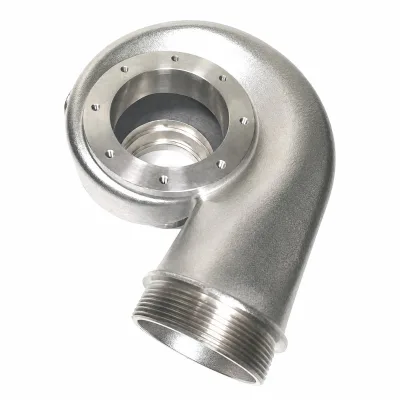
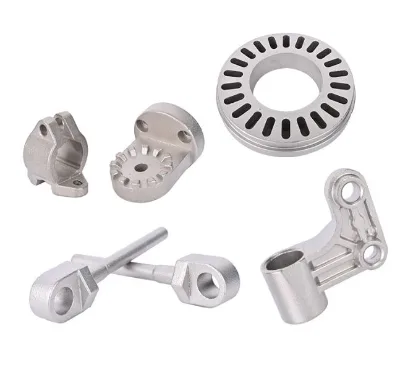
Precision Customized Casting Parts for Auto Parts
$1000.00 - $1200.00
MOQ: 1 Tons
Jiangsu Shengrong High End Equipment Manufacturing Industry Co., Ltd


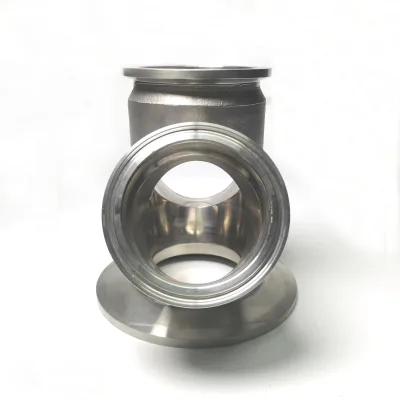
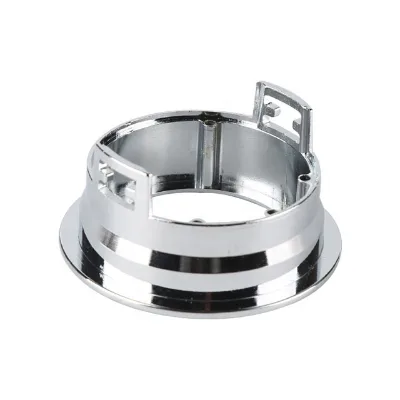
Forged Ring and Precision Casting Parts Factory
$1000.00 - $1200.00
MOQ: 1 Tons
Jiangsu Shengrong High End Equipment Manufacturing Industry Co., Ltd

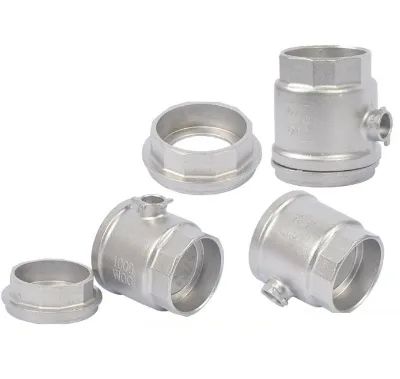
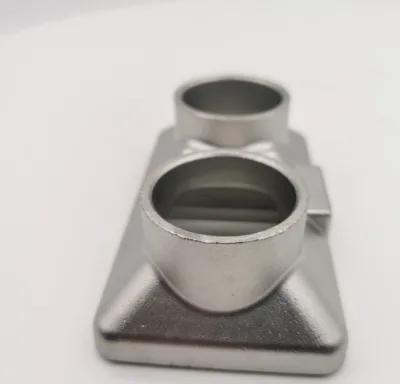
High Precision Cast Iron Parts OEM Factory China
$1000.00 - $1200.00
MOQ: 1 Tons
Jiangsu Shengrong High End Equipment Manufacturing Industry Co., Ltd







Comprehensive Sourcing Guide
Taiwan Precision Casting Parts Sourcing Guide
Sourcing precision casting components from Taiwan requires a nuanced understanding of the region’s specialized manufacturing ecosystem, which often bridges high-end engineering with cost-effective production. Buyers must recognize that while the core keyword suggests a geographic origin, the actual supply chain may involve mainland Chinese facilities serving global markets, particularly in regions like Ningbo and Qingdao. This distinction is critical for logistics planning and tariff classification. The procurement strategy should focus on verifying the actual place of manufacture rather than relying solely on the brand’s registered location. Understanding this dynamic helps buyers align their expectations with realistic lead times and shipping costs, ensuring that the final delivered goods meet both technical specifications and commercial timelines.
Furthermore, the term "precision casting" encompasses a wide array of technologies, including sand casting, lost foam casting, and investment casting, each offering different tolerances and surface finishes. Buyers need to evaluate which specific casting method aligns with their part’s geometric complexity and material requirements. For instance, directional crystallization or gravity casting might be preferred for certain mechanical parts, while resin sand cores could be essential for intricate internal channels. It is vital to communicate these technical preferences clearly during the initial inquiry phase. By doing so, suppliers can provide accurate quotations and sample timelines, reducing the risk of miscommunication and ensuring that the final product meets the intended application standards without unnecessary rework or delays.
Product Scope and Observed Listing Signals
The observed market signals indicate a diverse range of products, with prices varying significantly from low-cost components to high-precision industrial parts. Listings often highlight specific models such as HS-PCP-009 or RT-16082009, suggesting a catalog-driven approach where buyers can select from predefined designs or request custom modifications. The presence of attributes like "Customization: Available" and "Customized: Customized" underscores the flexibility of the supply base, allowing for tailored solutions that fit unique operational needs. Buyers should pay close attention to these model identifiers, as they often correlate with specific tooling investments and production capabilities. Understanding the scope of these offerings helps in determining whether off-the-shelf solutions are sufficient or if custom tooling is required for long-term volume production.
Additionally, the observed data reveals a strong emphasis on material properties and surface treatments, with steel and iron being common choices for durability and strength. Attributes such as "Using Hardness: >HRC45" and "Surface Treatment: Coat-Plating" indicate a focus on performance and longevity, which are critical for applications in household appliances, electronics, and hardware. The mention of "Mould Life: 000-000 shots" suggests that buyers should inquire about the expected lifespan of the tooling to assess long-term cost efficiency. By analyzing these listing signals, buyers can gauge the supplier’s technical maturity and their ability to deliver consistent quality. This analysis also helps in identifying suppliers who prioritize precision and reliability, ensuring that the selected components will perform as expected in the final assembly.
Technical Specifications to Verify
When evaluating technical specifications, buyers must prioritize dimensional accuracy and material integrity, as these factors directly impact the functionality of the final product. The observed data highlights specifications such as "Average Wall Thickness: ≤3mm" and "Machining Tolerance: as Drawing," which indicate a capability for fine tolerances and thin-walled structures. Buyers should verify these claims by requesting detailed engineering drawings and tolerance maps from the supplier. It is also essential to confirm the core steel and cavity configurations, such as "Core Steel: SKD61" and "Cavity: 1X1," as these influence the durability and efficiency of the casting process. By rigorously checking these technical details, buyers can ensure that the components will meet the rigorous demands of their specific applications, whether in automotive, machinery, or consumer electronics.
Moreover, the casting process itself plays a crucial role in determining the quality of the final part. Buyers should inquire about the specific casting methods employed, such as "Sand Casting/Lost Foam Casting/Investment Casting," and the associated heat treatment procedures. The mention of "Heat Treatment: as Requirement" suggests that suppliers can tailor the thermal processing to meet specific material properties, such as hardness or toughness. Additionally, the "Demoulding: Automatic" attribute indicates a level of automation that can enhance consistency and reduce human error. By understanding these process details, buyers can assess the supplier’s ability to maintain quality control throughout the production cycle. This knowledge is vital for selecting a partner who can deliver reliable, high-quality components that meet strict engineering standards.
Compliance and Safety Documentation
Compliance with international standards is a non-negotiable aspect of sourcing precision casting parts, particularly for industries with stringent regulatory requirements. The observed data mentions certifications such as "ISO9001 Ts16949" and "CE," which indicate adherence to quality management and safety standards. Buyers should verify the validity of these certifications by requesting current certificates from accredited bodies. It is also important to check for additional standards like "SGS" or "RoSH," which may be relevant depending on the product’s end-use and destination market. By ensuring that suppliers maintain these certifications, buyers can mitigate risks associated with non-compliance, such as product recalls or legal liabilities. This due diligence is essential for building a trustworthy supply chain that prioritizes safety and quality.
Furthermore, buyers should request detailed documentation regarding the materials used in the casting process, including material safety data sheets (MSDS) and test reports. The mention of "Material: Steel" and "Material: Iron" suggests that suppliers should provide proof of material composition and purity. Additionally, inquiries about "Surface Treatment: Coat-Plating" should be accompanied by requests for environmental compliance data, especially if the plating process involves hazardous chemicals. By collecting and reviewing these documents, buyers can ensure that the components meet both regulatory and environmental standards. This proactive approach not only protects the buyer’s brand reputation but also ensures that the final products are safe for end-users and compliant with global trade regulations.
Cost Drivers and Commercial Terms
Understanding the cost drivers behind precision casting parts is essential for effective budgeting and negotiation. Factors such as material costs, tooling expenses, and labor intensity significantly influence the final price. The observed data indicates a wide price range, from $0.01 to $5000, reflecting the diversity of products and their complexity. Buyers should request detailed cost breakdowns to understand how these factors contribute to the overall price. Additionally, the mention of "MOQ: No Need" for some items suggests that suppliers may offer flexible order quantities, which can be advantageous for prototyping or low-volume production. By analyzing these cost drivers, buyers can identify opportunities for cost savings, such as optimizing order quantities or selecting alternative materials that meet performance requirements at a lower cost.
Commercial terms also play a crucial role in the procurement process, with payment methods and lead times being key considerations. The observed data highlights payment options such as "L/C, T/T" and delivery times ranging from 20 to 45 days. Buyers should negotiate terms that align with their cash flow and production schedules. For instance, longer lead times may require earlier planning and larger inventory buffers, while shorter lead times might come at a premium. Additionally, the mention of "Trade Methods: FOB" indicates that buyers are responsible for shipping and insurance costs from the port of origin. By understanding these commercial terms, buyers can make informed decisions that balance cost, speed, and risk. This strategic approach ensures that the procurement process is efficient and aligned with the buyer’s overall business objectives.
Supplier Qualification and Quality Control
Supplier qualification is a critical step in ensuring the reliability and consistency of precision casting parts. Buyers should conduct thorough due diligence by verifying the supplier’s production capacity, quality control processes, and track record. The observed data mentions "No. of Employess: 120," which provides insight into the supplier’s scale and operational structure. Buyers should also inquire about the supplier’s experience with similar products and industries, as this can indicate their ability to meet specific technical requirements. Additionally, requests for factory audits or third-party inspections can provide valuable insights into the supplier’s quality management systems. By rigorously qualifying suppliers, buyers can mitigate risks associated with poor quality or delivery failures, ensuring a stable and reliable supply chain.
Quality control measures should be integrated into the procurement process from the outset, with clear specifications and acceptance criteria defined in the contract. Buyers should request detailed inspection reports and test results for each batch of components, particularly for critical dimensions and material properties. The mention of "Machining Tolerance: as Drawing" suggests that suppliers should adhere strictly to the provided engineering drawings. Buyers should also establish protocols for handling non-conforming products, including procedures for rework, replacement, or compensation. By implementing robust quality control measures, buyers can ensure that the components meet the required standards and perform as expected in the final assembly. This proactive approach helps maintain product quality and customer satisfaction, reducing the likelihood of costly defects or recalls.
Long-Term Procurement Checks
Long-term procurement success depends on continuous monitoring and evaluation of supplier performance. Buyers should establish key performance indicators (KPIs) to track metrics such as on-time delivery, defect rates, and responsiveness to issues. Regular reviews of these metrics can help identify trends and areas for improvement, allowing buyers to address potential problems before they escalate. Additionally, maintaining open communication channels with suppliers is essential for fostering a collaborative relationship. Buyers should schedule periodic meetings to discuss performance, share feedback, and explore opportunities for innovation or cost reduction. By actively managing the supplier relationship, buyers can ensure that the supply chain remains agile and responsive to changing market conditions.
Furthermore, buyers should periodically reassess their supplier base to ensure it remains competitive and aligned with their strategic goals. This may involve benchmarking against other suppliers or exploring new markets for alternative sources. The observed data suggests a dynamic supply landscape, with suppliers in regions like Ningbo and Qingdao offering diverse capabilities. Buyers should stay informed about industry trends and technological advancements that could impact their sourcing strategy. By continuously evaluating and optimizing their supplier base, buyers can maintain a resilient and efficient supply chain. This long-term perspective ensures that the procurement function remains a strategic asset, contributing to the overall success and competitiveness of the business.
FAQs
What certifications are available for precision casting parts?
Certifications such as ISO9001, Ts16949, CE, and SGS are available for these components. Some products also meet RoSH standards. These credentials verify quality management and safety compliance for industrial applications. Buyers should verify specific certificates against their project requirements to ensure regulatory alignment and supply chain reliability.
Can these parts be customized for specific applications?
Yes, customization is available for various product models. Manufacturers offer tailored solutions for household appliances, electronics, and hardware sectors. Customization options include specific dimensions and surface treatments like coat-plating. Buyers can provide drawings to ensure the final parts meet exact functional and dimensional needs for their unique assembly processes.
What is the typical lead time for orders?
The typical lead time ranges from 20 to 45 days depending on the order specifics. Some standard items may be delivered within 30 days, while complex casting and machining projects require 35 to 45 days. Sample preparation usually takes 30 days after payment. Buyers should plan production schedules accordingly to account for these manufacturing and delivery windows.
Which materials are used for these casting parts?
Common materials include steel and iron for durability and strength. Specific models utilize core steel like SKD61 for high hardness exceeding HRC45. The casting methods involve gravity casting, sand casting, or investment casting. Material selection depends on the application requirements, ensuring the parts meet necessary mechanical properties and wear resistance standards for industrial use.
What are the payment methods accepted by suppliers?
Suppliers typically accept L/C and T/T payment methods. These standard financial instruments ensure secure transactions for B2B orders. Buyers should confirm the specific payment terms with the supplier before placing orders. Using these established methods helps mitigate financial risks and aligns with international trade practices for manufacturing components and industrial parts.
How is the packaging handled for shipping?
Products are packed in wooden cases or wooden boxes to ensure safe transit. This robust packaging protects the precision components from damage during logistics. The choice between cases and boxes may depend on the specific product model and order size. Proper packaging is essential for maintaining the integrity of the parts upon arrival at the buyer's facility.