Source Precision Lithium Battery Module Tester for Production
Find 30 Precision Lithium Battery Module Tester options from verified Chinese suppliers. Compare specifications like voltage accuracy, test methods, and customization support for lithium-ion battery applications.
Key considerations
Products List


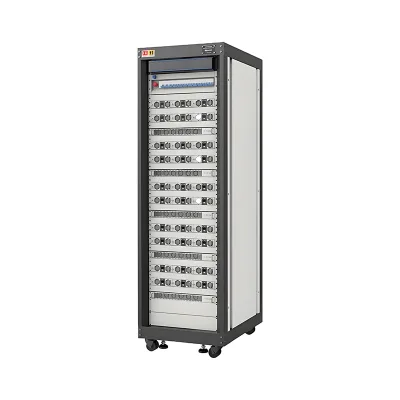


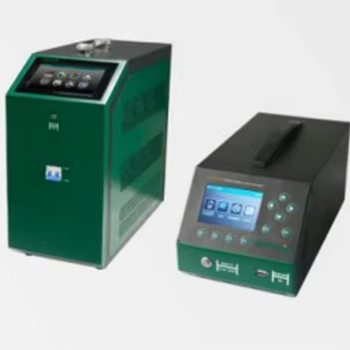


Hot Sale Battery Cycler Simulator Tester for Analog Lithium-Ion Power Supply
$1359.00 - $1599.00
MOQ: 1 Pieces

Lithium Ion Battery Testing System Battery Tester with 8 Channels 5V10mA Tester
$1100.00 - $1600.00
MOQ: 1 set
Comprehensive Sourcing Guide
Strategic Sourcing Guide for Precision Lithium Battery Module Testers
Understanding the Technical Landscape of Module Testing Equipment
When sourcing a Precision Lithium Battery Module Tester, buyers must first navigate a complex array of technical configurations that define the device's capability. The market offers a diverse range of instruments, from simple monomer testers to sophisticated multi-channel systems designed for full module validation. The core keyword, Precision Lithium Battery Module Tester, implies a need for high accuracy in measuring electrical parameters, specifically voltage and internal resistance, which are critical for ensuring battery safety and performance.
Based on available product data, the technical specifications for these devices vary significantly depending on the intended application. Some units are designed as "Batteries Monomer Testers" or "Short Testers," focusing on individual cell integrity. These devices often feature a "Mirror Analog Panel Meter Indication" for voltage display, providing a direct visual readout that can be useful in specific industrial environments. The accuracy of these measurements is a primary concern; observed data indicates voltage accuracy specifications can reach 2%, a figure that buyers should verify against their specific quality control thresholds.
The testing methodology is another critical technical differentiator. Advanced systems utilize a "Four-Wire Measurement" technique to eliminate lead resistance errors, ensuring that the internal resistance readings are precise. This is particularly important for Lithium-ion battery applications where even minor resistance variances can indicate degradation or manufacturing defects. Furthermore, the operational environment dictates the power requirements. Units may be designed for specific voltage ranges, such as 198V-242V AC, and frequency ranges like 47.5Hz-52.5Hz, or higher industrial voltages like 380V. Buyers must ensure the tester's power requirements align with their facility's electrical infrastructure.
The physical construction of the tester also plays a role in its longevity and reliability. Materials such as "316 Stainless Steel" are observed in certain models, offering corrosion resistance and durability in harsh manufacturing settings. The internal components may be categorized by specific part counts, such as a "5 Parts" configuration, which can simplify maintenance and troubleshooting. Additionally, the physical dimensions of the test fixtures, including inner diameters of 13mm and outer diameters of 25.4mm, must match the form factors of the battery cells or modules being tested.
Compliance, Certification, and Safety Standards Verification
In the realm of lithium battery equipment, compliance is not merely a formality but a fundamental requirement for operational safety and market access. While specific certification statuses for individual suppliers cannot be asserted without direct verification, buyers must be aware of the industry standards that govern these devices. The context suggests that standards such as IEC 62619 and UL 1642 are relevant benchmarks for lithium battery safety, even if specific product listings do not explicitly confirm compliance.
Buyers should treat the "Standard exported package" and "Wooden Case" packaging options as indicators of the manufacturer's attention to logistics and protection, but they must also verify the electrical safety certifications of the device itself. The presence of a "Fail Alarm" and "Pass and Fail" comparator function suggests built-in safety logic, which is essential for preventing the shipment of defective units. However, the absence of explicit certification claims in the provided data means that the procurement team must request proof of compliance from potential suppliers.
The testing region is noted as "All," implying a broad applicability, but this does not guarantee local regulatory compliance. For instance, a device manufactured in Hubei, China, or Guangdong, China, must meet the specific electrical safety standards of the destination country. Buyers should verify if the equipment adheres to local standards for electrical machinery, particularly regarding the "Voltage Measurement" capabilities which are sometimes "Divided Into Two Levels." This feature might be a specific design choice to handle different battery chemistries, but it requires validation to ensure it meets the precision requirements of the buyer's application.
Furthermore, the "Customized Support" for OEM and ODM services indicates that many manufacturers are willing to adapt their equipment to meet specific regulatory or operational needs. This flexibility can be leveraged to ensure that the final product meets all necessary safety and performance certifications. However, buyers must be cautious not to assume that customization automatically includes certification; the burden of proof for compliance remains with the supplier. The "Warranty" period of one year is a standard observation, but it does not substitute for third-party safety certifications.
Cost Drivers and Pricing Dynamics in the Market
The pricing landscape for precision lithium battery module testers is highly variable, reflecting the complexity of the technology and the level of customization required. The observed price range in the market spans from 100 USD to 19,800 USD, a significant spread that underscores the diversity of available solutions. This range suggests that basic, single-channel testers or simple monomer testers can be acquired at the lower end, while comprehensive, multi-channel systems with advanced features command prices at the higher end.
Several factors drive these cost variations. First, the number of channels is a primary determinant. Devices with "8 Channel" capabilities or higher are likely to be more expensive due to the increased complexity of the circuitry and software required to manage multiple simultaneous tests. Second, the accuracy and measurement capabilities, such as the "Voltage Accuracy" of 2% or the specific "AC Current Frequency" of 1kHz±0.1kHz, add to the cost. Higher precision instruments require more sophisticated components and rigorous calibration processes.
Customization is another major cost driver. The availability of "Customized Support" for OEM and ODM services means that buyers can request specific modifications, such as custom colors, specific packaging, or tailored software interfaces. These bespoke requirements inevitably increase the unit price and may affect the Minimum Order Quantity (MOQ). The observed MOQ range of 1 to 10 units suggests that while some suppliers offer single-unit purchases, others may require bulk orders to justify the setup costs for customized production.
The material composition also influences pricing. Units constructed with "316 Stainless Steel" or other high-grade materials will generally cost more than those with standard steel or plastic components. Additionally, the "Product Name" and specific model designation, such as "V28-24" or "BK-600A," often correlate with the feature set and price point. Buyers should be prepared to pay a premium for models that offer advanced features like "Fail Alarm" systems or specialized "Test Method" configurations.
Finally, the supply chain dynamics, including the "Place of Origin" in regions like Hubei or Guangdong, China, can impact costs. While these regions are known for manufacturing efficiency, logistics and shipping costs for heavy equipment like "Wooden Case" packaged testers can add to the total landed cost. Buyers must consider the total cost of ownership, including maintenance, calibration, and potential downtime, rather than focusing solely on the initial purchase price.
Typical Applications and Operational Use Cases
Precision lithium battery module testers are versatile tools employed across various stages of the lithium battery value chain. The primary application is in the manufacturing and quality control of Lithium-ion batteries, where these devices ensure that each cell or module meets strict performance criteria before being integrated into larger systems. The "Supply 1: Lithium Battery Equipment" and "Supply 2: Lithium Battery Materials" categories highlight the broad utility of these testers in both equipment production and material testing.
In the context of battery production, these testers are used to verify the "Rechargeable" nature of the cells and to measure critical parameters like internal resistance and voltage. The "Four-Wire Measurement" technique is particularly valuable here, as it provides accurate data on the internal health of the battery, which is crucial for predicting lifespan and safety. The "Comparator Function" that indicates "Pass and Fail" allows for rapid sorting of units, ensuring that only high-quality cells proceed to the next stage of assembly.
Beyond manufacturing, these testers are also used in research and development settings. The ability to customize the "Color" and "Product Name" suggests that R&D teams may require specific configurations for prototyping and testing new battery chemistries, such as "LFP" (Lithium Iron Phosphate) cathode materials. The "Thermal Battery Materials" supply category further indicates that these devices can be used to test batteries under various thermal conditions, which is essential for developing safe and reliable energy storage solutions.
The "Testing Machine" classification also points to applications in recycling and second-life battery assessment. As the demand for sustainable energy grows, the ability to accurately test used batteries for their remaining capacity and internal resistance is becoming increasingly important. The "Inner Diameter" and "Outer Diameter" specifications suggest that these testers can accommodate a wide range of cell sizes, making them suitable for testing various battery formats, from small consumer electronics cells to larger industrial modules.
In summary, the applications of precision lithium battery module testers span from initial material testing to final product validation. Their ability to provide accurate, reliable data makes them indispensable tools for manufacturers, researchers, and recyclers in the lithium battery industry.
Supplier Evaluation and Selection Criteria
Selecting the right supplier for a Precision Lithium Battery Module Tester requires a rigorous evaluation process that goes beyond simple price comparison. Buyers should prioritize suppliers who demonstrate a clear understanding of the technical requirements and who offer robust "Customized Support" for OEM and ODM needs. The presence of a "Brand Name" such as "Derui" in the market data indicates that established brands exist, but buyers should not rely solely on brand recognition without verifying the specific product capabilities.
Key evaluation criteria include the supplier's ability to provide detailed technical specifications, such as the "Voltage Accuracy" and "Test Method" details. Buyers should request documentation that confirms the device's ability to meet their specific accuracy and performance requirements. The "Product Origin" in China, specifically Hubei or Guangdong, suggests a concentration of manufacturing expertise, but buyers must verify the quality control processes of individual suppliers.
The "Warranty" period is another critical factor. A standard one-year warranty is observed, but buyers should inquire about the terms of service, including response times for repairs and the availability of spare parts. The "Package" options, such as "Box," "Wooden Case," or "Standard Package," can also indicate the supplier's attention to detail and their commitment to protecting the equipment during transit.
Additionally, buyers should assess the supplier's experience in the lithium battery industry. The "Supply 1," "Supply 2," and "Supply 3" categories suggest that suppliers often provide a range of equipment and materials, indicating a broader expertise in the field. A supplier with a diverse product portfolio is more likely to understand the nuances of battery testing and can offer valuable insights and support.
Finally, buyers should consider the supplier's responsiveness and communication. The ability to customize the "Color" and "Product Name" suggests a willingness to collaborate, but this must be balanced with the supplier's ability to deliver on time and within budget. A thorough due diligence process, including site visits and reference checks, is essential to ensure that the selected supplier can meet the buyer's expectations.
Quality Control and Long-Term Procurement Considerations
Ensuring the quality of precision lithium battery module testers is paramount for maintaining the integrity of the battery production process. Buyers should implement a comprehensive quality control strategy that includes pre-shipment inspections, acceptance testing, and ongoing performance monitoring. The "Standard exported package" and "Standard Package" options suggest that suppliers have established packaging protocols, but buyers should verify that these protocols are sufficient to protect the equipment during shipping.
Long-term procurement considerations also include the availability of software updates and technical support. As battery technology evolves, the testing equipment may require firmware updates to accommodate new cell chemistries or testing protocols. Buyers should inquire about the supplier's policy on software maintenance and whether they offer remote support services.
The "Component" count, such as the "5 Parts" configuration, can simplify maintenance, but buyers should ensure that replacement parts are readily available. The "Material" specifications, such as "316 Stainless Steel," indicate durability, but regular maintenance is still necessary to prevent wear and tear. Buyers should establish a maintenance schedule that includes calibration checks and visual inspections to ensure the equipment remains in optimal condition.
Furthermore, the "Voltage" and "Frequency" requirements of the tester must be compatible with the buyer's facility. Any changes in the electrical infrastructure could render the equipment unusable, so buyers should plan for potential upgrades or modifications. The "Rechargeable" nature of the batteries being tested also implies that the tester must be capable of handling the specific charging and discharging cycles required for accurate testing.
In conclusion, a successful procurement strategy for precision lithium battery module testers involves a holistic approach that addresses technical specifications, compliance, cost, applications, supplier evaluation, and long-term maintenance. By carefully considering these factors, buyers can ensure that they acquire high-quality equipment that meets their specific needs and supports their long-term business goals.
Comparative Analysis of Key Product Attributes
To facilitate informed decision-making, the following table summarizes key attributes observed in the market for precision lithium battery module testers. This comparison highlights the diversity of options available and helps buyers identify the features that align with their specific requirements.
| Attribute | Observation A | Observation B | Observation C |
|---|---|---|---|
| Product Type | Batteries Monomer Tester | Testing Machine | Short Tester |
| Model Number | V28-24 | Yd2681A | BK-600A |
| Voltage Accuracy | 2% | Not Specified | Not Specified |
| Test Method | Four-Wire Measurement | Not Specified | Not Specified |
| Material | 316 Stainless Steel | Lithium ion battery | Not Specified |
| Customization | OEM, ODM | OEM, ODM, Obm | Customized |
| Packaging | Wooden Case | Standard Package | 1 Standard Exported Package |
| Origin | Hubei, China | Guangdong, China | China |
| Channel Count | Not Specified | 8 | Not Specified |
| Voltage Range | 198V-242V AC | 380 V | Not Specified |
This table illustrates that while some attributes are consistent across different models, others vary significantly. Buyers should use this information as a starting point for their research, ensuring that they verify the specific details of each product before making a purchase decision. The diversity in attributes underscores the importance of a thorough evaluation process to select the most suitable equipment for the intended application.
FAQs
What customization options are available for these testers?
Customized support including OEM and ODM services is available for these devices. Buyers can request specific colors and packaging configurations to match their operational needs.
How accurate is the voltage measurement on these units?
The voltage accuracy is specified at 2% for the observed models. This precision is achieved through four-wire measurement techniques to ensure reliable internal resistance readings.
Which materials are used to construct the tester housing?
The housing is constructed from 316 stainless steel to ensure durability and corrosion resistance. This material choice supports long-term reliability in harsh manufacturing environments.
Can the device test multiple battery channels simultaneously?
Yes, certain models support 8 channels for simultaneous testing. This capacity allows for efficient batch processing of lithium-ion battery cells during quality control procedures.
What is the typical packaging for shipping these machines?
Products are shipped in wooden cases or standard exported packages. This packaging ensures protection during transit and aligns with international logistics requirements for heavy equipment.
Where are these precision testers manufactured?
Manufacturing origins include Hubei and Guangdong regions in China. These locations are known for producing specialized lithium battery equipment and materials for global export.