Source Precision Molded Plastic Parts for Car, Appliances, Electronics
Find 30 listings for Precision Molded Plastic Parts designed for automotive, household appliance, and electronic applications. Buyers can compare specifications including cavity counts, mold materials like H13 and P20, and surface finishes to identify suitable suppliers.
Key considerations
Products List


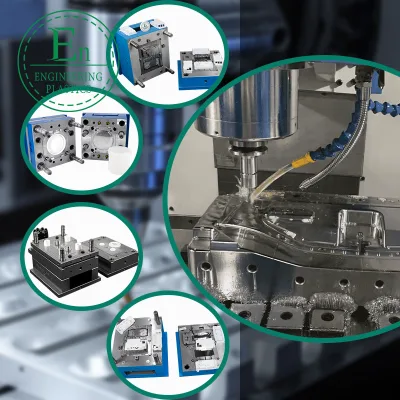


Comprehensive Sourcing Guide
Strategic Sourcing Guide for Precision Molded Plastic Parts
Understanding Technical Specifications and Design Parameters
When sourcing Precision Molded Plastic Parts, the foundational step involves a rigorous analysis of technical specifications that directly influence part functionality and manufacturability. The core of this process lies in understanding the specific molding methods and material constraints. Buyers must verify that the supplier utilizes Injection Molding as the primary shaping mode, as this is the industry standard for high-volume, high-precision components. The design software capabilities of the supplier are equally critical; a robust workflow often relies on advanced tools like UG (Unigraphics) to ensure that complex geometries are accurately translated from concept to physical mold.
Material selection is a decisive factor in the final product's performance. The supply chain for these parts often involves a variety of thermoplastic materials, including HDPE, PVC, and reinforced composites like PA66+GF (Polyamide 66 with Glass Fiber). The physical state of the plastic during processing is typically Liquid, and the material type is generally classified as Thermosoftening Plastic, which allows for repeated melting and reshaping. Buyers should note that while some specifications list "all materials can be customized," the actual material compatibility must be validated against the specific application requirements, such as chemical resistance or mechanical strength.
The physical configuration of the mold itself dictates production efficiency and part consistency. Key attributes include the Mold Cavity count, which can range from Single Cavity to Multi Cavity configurations depending on the required output volume. The Runner system is another critical technical element; Hot Runner systems are frequently employed to reduce material waste and improve cycle times. Furthermore, the Mold Steel composition, often citing grades like H13, P20, 718, 738H, NAK80, or S136, determines the durability and surface finish quality of the mold. These steel grades are selected based on the anticipated production volume and the abrasiveness of the plastic material being processed.
Compliance, Certification, and Standardization
Navigating the regulatory landscape is essential for ensuring that sourced parts meet international quality and safety benchmarks. In the context of precision molded parts, several certifications and standards serve as indicators of a supplier's commitment to quality management and product safety. The supply base often references a combination of certifications including TSCE, ISO, FDA, and Ts16949. These credentials suggest adherence to specific management systems and regulatory requirements, particularly for industries such as automotive and medical devices where FDA compliance is paramount.
Standardization plays a vital role in the interchangeability and precision of mold components. Buyers should verify that the supplier adheres to recognized industry standards such as HASCO and Dme. These standards govern the dimensions and specifications of mold bases and components, ensuring that parts are compatible with standard machinery and reducing the risk of fitment issues. Additionally, the prod_standard field often references specific molding types like plastic injection, which serves as a baseline for the manufacturing process.
It is important to distinguish between general standards and specific product certifications. While ISO 9001 is a widely recognized quality management standard, its presence in the background context should be treated as a general indicator rather than a guaranteed attribute for every listed product without explicit confirmation. Buyers must request proof of current certification status for TSCE, ISO, FDA, and Ts16949 directly from the supplier. The Standard field also includes specific numerical or dimensional references, such as 111X111X111, which may represent specific mold dimensions or cavity layouts that require verification against the buyer's engineering drawings.
Cost Drivers and Economic Factors
The pricing structure for Precision Molded Plastic Parts is influenced by a complex interplay of factors, including material costs, mold complexity, and production volume. The observed market data indicates a significant price range, spanning from 0.02 to 2000 USD per unit. This wide variance is not arbitrary but is driven by the specific application, material grade, and the intricacy of the mold design. For instance, parts requiring PA66+GF material will inherently cost more than those made from standard HDPE due to the enhanced mechanical properties of the reinforced plastic.
The Minimum Order Quantity (MOQ) is another critical economic driver, with observed ranges extending from 1 to 1000 units. Suppliers with lower MOQs may offer greater flexibility for prototyping or low-volume production runs, while those requiring higher MOQs often provide better unit economics for mass production. The Mold Lead Time, typically cited as 30 days in many contexts, represents a significant portion of the total procurement timeline. This lead time encompasses the design, manufacturing, and testing phases of the mold itself. Buyers must account for this duration when planning production schedules, as delays in mold delivery can cascade into significant delays in final product availability.
Packaging and logistics also contribute to the overall cost. The prod_packing specification often lists Steel Box as the standard packaging method, which ensures the protection of delicate mold components during transit. However, the Single package size can vary, with some entries listing dimensions like 1X1X1 cm, which may refer to sample parts or specific small components rather than the entire mold assembly. Buyers should clarify the actual packaging dimensions to accurately calculate shipping costs and storage requirements.
Typical Applications and Industry Use Cases
Precision Molded Plastic Parts serve a diverse array of industries, each with unique performance requirements. The Application field highlights a broad spectrum of use cases, including Car, Household Appliances, Electronic, Hardware, Commodity, Home Use, and Furniture. This versatility underscores the adaptability of injection molding technology across different sectors.
In the automotive sector, parts such as the Car air cleaner cover injection mould are critical for maintaining engine efficiency and air quality. These components often require high precision and durability, necessitating the use of robust mold steels like H13 and materials capable of withstanding temperature fluctuations. For the Household Appliances and Home Use sectors, the focus shifts to aesthetic appeal and functional reliability. Products in this category often feature Customized Colors and specific Surface Finish Processes like Polishing or Texture to meet consumer expectations.
The Electronic and Hardware industries demand parts with tight tolerances and excellent electrical properties. Materials like PVC and HDPE are commonly used for insulation and structural components. Additionally, the Furniture sector utilizes these parts for hinges, connectors, and decorative elements, where Multi Cavity molds are often employed to maximize production efficiency. The Application list also includes Injection Molding Plastic Parts as a general category, indicating that the technology is applicable to a wide range of custom designs.
Supplier Evaluation and Capability Assessment
Selecting the right supplier requires a comprehensive evaluation of their technical capabilities, production capacity, and customization options. A key differentiator is the Customization level offered. Many suppliers indicate that Customization is Available and that the Customized attribute is a standard offering. This flexibility allows buyers to tailor parts to specific design requirements, including Customized Size and Customized Colors.
The Installation method is another critical evaluation point. Suppliers may offer both Fixed and Mobile installation options, depending on the nature of the mold and the intended use of the final product. Buyers should clarify which installation method aligns with their production line setup. Furthermore, the Drawing Format capabilities of the supplier are essential for seamless collaboration. A competent supplier should support 2D formats (PDF, CAD) and 3D formats (IGES, STEP), ensuring that design data can be easily exchanged and processed.
The Brand Name and Product Material specifications also provide insights into the supplier's specialization. Some suppliers may brand themselves around Engineering plastics, indicating a focus on high-performance materials. The Mold Life, often cited as 500,000 shots, is a crucial metric for assessing the long-term value of the mold. A higher mold life suggests better quality control in the manufacturing process and the use of superior steel grades.
Quality Control and Production Standards
Maintaining consistent quality is paramount in the production of precision molded parts. The Surface Finish Process is a primary indicator of quality, with Polishing being a common requirement to achieve smooth, defect-free surfaces. The Process Combination Type can vary between Compound Die and Single-Process Mode, each offering different advantages in terms of efficiency and part complexity. Buyers should verify which process type is best suited for their specific part design.
The Mold Life of 500,000 shots serves as a benchmark for durability, but buyers must also consider the Mold Lead Time of 30 days as a factor in the overall production schedule. Quality control should extend beyond the mold itself to the final product. The Product Material is often listed as "all materials can be customized," but this requires strict validation to ensure that the selected material meets the application's performance criteria.
Long-Term Procurement Considerations
Sourcing Precision Molded Plastic Parts is not merely a transactional activity but a strategic partnership that requires long-term planning. The Place of Origin is often cited as Guangdong, China, a region known for its robust manufacturing ecosystem. However, buyers should also consider the Location of the supplier's facilities and their proximity to logistics hubs to minimize shipping times and costs.
The Standard and Certification landscape is dynamic, and buyers must ensure that their suppliers maintain up-to-date compliance with evolving regulations. The Mold Steel grades and Plastic Material choices should be reviewed periodically to ensure they remain optimal for the application. Additionally, the Customization capabilities of the supplier should be leveraged to adapt to changing market demands and design requirements.
In conclusion, sourcing Precision Molded Plastic Parts requires a meticulous approach that balances technical specifications, compliance, cost, and supplier capabilities. By carefully evaluating these factors, buyers can secure a reliable supply chain that delivers high-quality components tailored to their specific needs. The integration of advanced design software, robust material selection, and strict quality control measures ensures that the final products meet the rigorous standards of modern manufacturing.
FAQs
What certifications do Precision Molded Plastic Parts suppliers hold?
Suppliers typically hold TSCE, ISO, FDA, and Ts16949 certifications. These credentials indicate adherence to quality management systems and regulatory requirements, especially for automotive and medical applications where safety is critical.
Which materials are commonly used for injection molding these parts?
Common materials include HDPE, PVC, and PA66+GF reinforced composites. The plastic is processed in a liquid state as a thermosoftening plastic, allowing for repeated melting and reshaping to meet specific application needs.
How long is the lead time for manufacturing a custom mold?
The standard mold lead time is approximately 30 days. This duration covers the design, manufacturing, and testing phases required to produce a durable mold capable of 500,000 shots.
Can buyers request customized sizes and colors for the parts?
Yes, customization is available for both size and color. Buyers can specify customized dimensions and colors, with surface treatments like polishing or painting to meet specific aesthetic and functional requirements.
What is the typical price range for Precision Molded Plastic Parts?
The observed price range spans from 0.02 to 2000 USD per unit. This variance depends on factors like material grade, mold complexity, and the specific application requirements of the part.
Which industries commonly use these injection molded plastic parts?
These parts are widely used in automotive, household appliances, electronics, hardware, and furniture industries. The versatility of injection molding allows for applications ranging from car air cleaner covers to household electronic components.