Source eco-friendly heat seal ffs film for Food Agriculture Pharma
Compare 30 listings for eco-friendly heat seal ffs film suitable for food, agriculture, and pharmaceutical packaging. Buyers can evaluate customization options, material types like PE and POF, and sealing methods to find the right solution.
Key considerations
Products List

$1.35 - $1.40
MOQ: 5000 kg


Plastic Film/Polyethylene Film/PE Film/25kg Plastic Film/25kg FFS Film
$15100.00 - $15500.00
MOQ: 10000 kg


Plastic Film/Polyethylene Film/PE Film/25kg Plastic Film/25kg Ffs Film
$0.08 - $0.40
MOQ: 50000 Pieces

Ffs Film Packaging Film Ffs Packaging Film 25kg Packing Film 25kg Packaging Film
$0.08 - $0.40
MOQ: 50000 Pieces


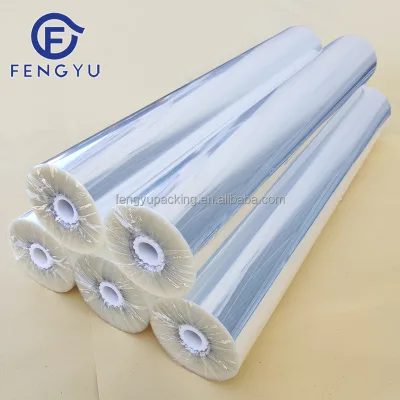


Flexible Soft Food Packaging Heat Seal Plastic Roll Film for Wet Tissues
$0.01 - $0.02
MOQ: 30000 Pieces
Comprehensive Sourcing Guide
Sourcing Guide for Eco-Friendly Heat Seal FFS Film
Understanding the Technical Landscape of FFS Film
Flexible packaging remains a dominant force in modern supply chains, particularly for the Food, Pharmaceutical, and Agriculture sectors. When sourcing eco-friendly heat seal FFS (Form-Fill-Seal) film, buyers must first distinguish between the material composition and the functional performance required for their specific production lines. The core of this inquiry lies in the raw materials. While traditional options often rely on High Pressure Polyethylene, modern eco-conscious procurement increasingly looks toward Polyethylene (PE) and Polyolefin (POF) variants that balance durability with recyclability. The observed market data indicates that Polyethylene is a primary raw material, often processed via blow molding to create the necessary film structure.
A critical technical attribute for FFS applications is the sealing method. The film must be compatible with heat-sealing processes to ensure a robust, hermetic closure that protects the product from external contaminants. The data confirms that MLLDPE (Metallocene Linear Low-Density Polyethylene) is a recognized heat seal layer, providing the necessary thermal stability. Furthermore, the film's transparency and hardness are vital for both machine readability and product protection. While some applications require opaque films for light-sensitive pharmaceuticals, others demand transparent films for consumer visibility. The hardness profile is typically soft, allowing the film to conform to the product shape during the forming stage without tearing.
The structural integrity of the film is often enhanced through embossing processes, which can improve grip and reduce slippage during high-speed packaging operations. For heavy-duty applications, the film may feature a functional layer of PE designed to withstand significant mechanical stress. The width of the film is a crucial specification, with observed ranges extending from 100mm to 2200mm, accommodating various roll widths required by different FFS machinery. Buyers must verify that the selected film width aligns precisely with their equipment's specifications to avoid operational downtime.
Compliance and Certification Verification
In the realm of eco-friendly packaging, compliance is not merely a regulatory hurdle but a market differentiator. Buyers must rigorously verify the certification status of potential suppliers. The supply chain data highlights specific certifications such as ISO9001:2008, Intertek, and SGS. These credentials indicate that the manufacturer adheres to international quality management standards and has undergone third-party testing for material integrity. However, buyers should remain cautious regarding environmental claims. While standards like EN 13432 are often associated with compostable packaging, the provided context does not explicitly confirm that all listed products meet this specific standard. Therefore, procurement teams must request specific test reports to validate any biodegradability or compostability claims before finalizing a purchase.
Certification verification extends beyond the manufacturer to the raw materials used. For food and pharmaceutical applications, the film must meet strict safety standards to prevent chemical migration. The presence of Intertek and SGS certifications suggests that the supplier has a history of meeting these rigorous benchmarks. However, buyers should not assume that "eco-friendly" automatically implies compliance with all environmental standards. It is essential to request documentation proving that the specific batch of film meets the relevant safety and environmental regulations for the target market. This due diligence protects the buyer from liability and ensures that the final packaged product can be legally sold in regulated environments.
Cost Drivers and Pricing Structures
The pricing of FFS film is influenced by a complex interplay of material costs, production complexity, and order volume. The observed price range in the market is vast, spanning from $0.01 to $15,500. This significant variance is not indicative of a single product type but rather reflects the diversity of specifications, including thickness, width, and the inclusion of specialized features like custom printing or barrier layers. The Minimum Order Quantity (MOQ) is another critical cost driver, ranging from 1 unit to 50,000 units. Smaller MOQs offer flexibility for startups or trial runs but often come with a higher unit cost. Conversely, larger orders typically benefit from economies of scale, reducing the per-unit price.
Thickness is a primary determinant of cost. The observed thickness range for these films is 12 microns to 30 microns. Thicker films generally require more raw material and energy to produce, leading to higher costs. Additionally, the complexity of the printing process adds to the expense. Offset printing is a common method, allowing for high-quality branding and information display, but it requires setup costs that are amortized over larger volumes. Customization is a significant factor; options such as custom designs, specific colors, and tailored sizes (e.g., 10KG, 20KG, 30KG, 50KG, 60KG models) increase the complexity of the manufacturing process. Buyers should carefully evaluate whether these customizations are necessary for their specific application or if standard options can reduce costs without compromising performance.
Typical Applications and Usage Scenarios
The versatility of heat seal FFS film makes it suitable for a wide array of industrial uses. The primary sectors identified include Food, Agriculture, Pharmaceutical, and Chemical industries. In the food sector, the film's moisture-proof features are essential for preserving product freshness and extending shelf life. The opaque or transparent nature of the film can be selected based on the need for light protection or product visibility. For pharmaceutical applications, the integrity of the seal is paramount to ensure the safety and efficacy of the medication. The film must be capable of withstanding the rigors of the Form-Fill-Seal process without compromising the sterility of the contents.
Agricultural applications often demand heavy-duty films capable of withstanding harsh environmental conditions. The "Tentile" attribute, described as high strength in the data, suggests that these films are designed for durability in demanding environments. The film's ability to be used as a back seal bag or an upright bag offers flexibility in packaging different types of products, from loose grains to bulk powders. The inclusion of side gussets allows the bag to stand upright, improving shelf presence and ease of handling. For chemical applications, the film must provide a barrier against corrosive substances, ensuring that the packaging does not degrade or leak during storage and transport.
Supplier Evaluation and Selection Criteria
Selecting the right supplier is a critical step in the procurement process. Buyers should prioritize suppliers who demonstrate a clear understanding of the specific requirements of FFS film production. The origin of the product is a key factor, with China being a primary source of supply. Suppliers located in regions like Chuzhou, China, have established expertise in plastic packaging bag manufacturing. When evaluating suppliers, buyers should look for those who offer OEM (Original Equipment Manufacturer) services, allowing for custom branding and design. The ability to customize the product model, such as the TD094 or TD095 series, indicates a supplier's flexibility and capacity to meet unique client needs.
The supplier's production process is another vital consideration. The use of blow molding and surface finishing techniques like embossing suggests a mature manufacturing capability. Buyers should inquire about the supplier's capacity to handle large volumes, given the observed MOQs up to 50,000 units. Additionally, the packaging method for the film itself, whether in small bales, cartons, or on pallets, should be evaluated to ensure it aligns with the buyer's logistics and storage capabilities. A supplier that offers standardized packaging (e.g., 25kg or 50kg units) can streamline the receiving process. Finally, the supplier's commitment to quality control, evidenced by their certifications and testing protocols, should be a primary selection criterion.
Quality Control and Performance Verification
Ensuring the quality of FFS film requires a robust quality control (QC) framework. Buyers must verify that the film meets specific performance metrics, such as waterproof performance and moisture resistance. The data confirms that these films are designed to be waterproof, a critical feature for protecting contents from humidity and liquid ingress. The sealing method, specifically heat-sealing, must be consistent and reliable. Buyers should request samples to test the seal strength and integrity under various conditions. The transparency of the film should also be verified to ensure it meets the visual requirements of the end product.
The thickness of the film is a key quality parameter. The observed range of 12 to 30 microns provides a baseline, but buyers should verify that the actual thickness of the delivered product falls within the specified tolerance. Variations in thickness can affect the film's performance during the FFS process, potentially leading to jams or seal failures. The surface finish, such as embossing, should be consistent across the roll to ensure uniform handling and feeding into the packaging machine. Additionally, the raw materials used should be verified to ensure they are free from contaminants that could compromise the safety of the packaged product. Regular audits and third-party testing can help maintain high quality standards throughout the supply chain.
Long-Term Procurement and Sustainability Considerations
Sourcing eco-friendly FFS film is not just a one-time transaction but a long-term strategic decision. Buyers should consider the sustainability implications of their packaging choices. While the data highlights the use of Polyethylene and Polyolefin, which are recyclable materials, the end-of-life management of the packaging is equally important. Buyers should engage with suppliers who are committed to reducing their environmental footprint, whether through energy-efficient manufacturing processes or the use of recycled content. The ability to customize the film for specific applications allows for optimization of material usage, reducing waste and improving overall efficiency.
Long-term procurement also involves building a resilient supply chain. Buyers should diversify their supplier base to mitigate risks associated with supply disruptions. Establishing clear communication channels and maintaining a collaborative relationship with suppliers can help address any issues that arise quickly. The flexibility of the supplier to adapt to changing market demands, such as shifts in material costs or regulatory requirements, is crucial for long-term success. By focusing on quality, compliance, and sustainability, buyers can ensure that their FFS film procurement strategy supports both their business goals and environmental responsibilities.
FAQs
What materials are used for eco-friendly heat seal FFS film?
The film is primarily made from Polyethylene (PE) or Polyolefin (POF) materials. These raw materials are processed via blow molding to create a soft, flexible structure suitable for Form-Fill-Seal applications in food and pharmaceutical sectors.
Can the film be customized for specific industrial uses?
Yes, customization is available for various industrial uses including food, agriculture, and pharmaceuticals. Buyers can request specific models like TD094 or TD095, custom colors, and designs to meet unique packaging requirements.
What certifications do the manufacturers hold for quality assurance?
Manufacturers hold ISO9001:2008, Intertek, and SGS certifications to ensure quality management standards. These credentials verify that the film meets rigorous safety benchmarks for material integrity and performance in regulated environments.
How is the film sealed to ensure waterproof performance?
The film utilizes a heat-sealing method with an MLLDPE layer to ensure robust, hermetic closures. This process guarantees waterproof performance and moisture-proof protection for products stored in back seal or upright bags.
What are the standard thickness and width specifications available?
Available thickness ranges from 12 microns to 30 microns, with widths spanning 100mm to 2200mm. These dimensions accommodate various roll widths required by different FFS machinery for diverse packaging applications.
Where are the products manufactured and what is the origin?
Products originate from China, with specific manufacturing hubs located in Chuzhou. Suppliers in this region offer expertise in plastic packaging bag manufacturing with options for OEM services and custom designs.