Source Pressure Compensating Dripper for Agriculture, Garden, and Greenhouse
Find 28 Pressure Compensating Dripper options from China. Compare flow rates, working pressures, and materials to select the right water-saving irrigation solution for your agricultural or garden needs. These drippers support various applications including lawn and farm use with eco-friendly plastic construction.
Updated
Key considerations
Products List
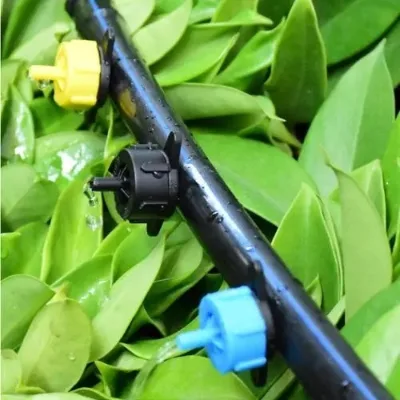
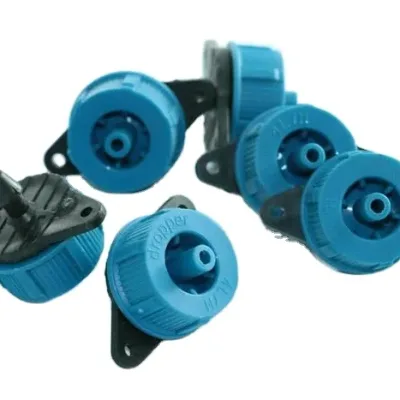
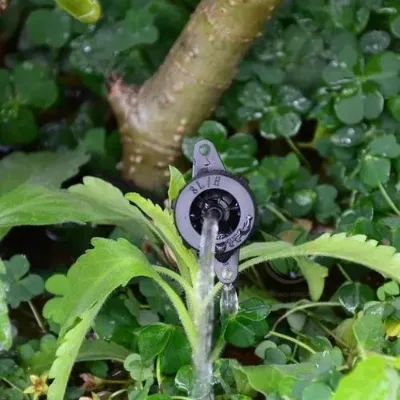


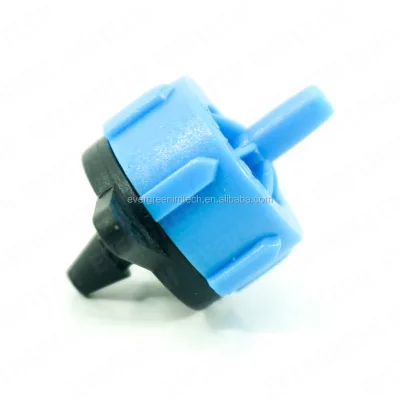
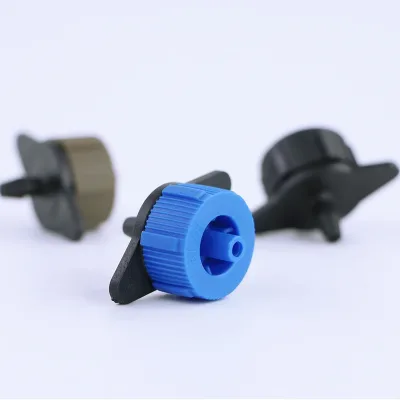
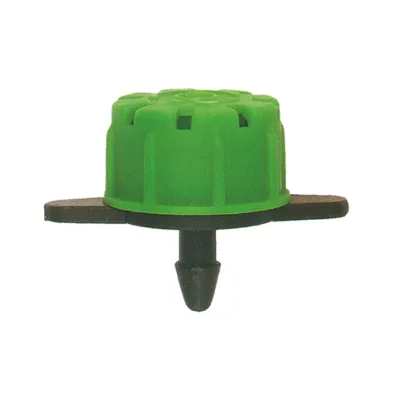
Hot Sale Durable Pressure Compensating Dripper Water Emitter for Drip Irrigation
$0.02 - $0.025
MOQ: 1000 Pieces

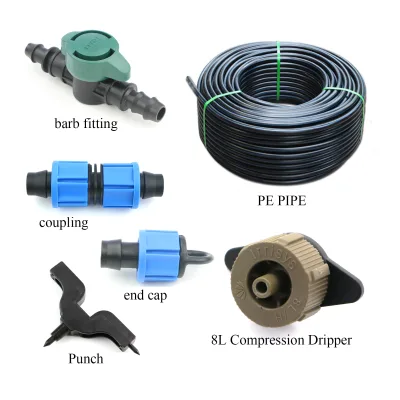
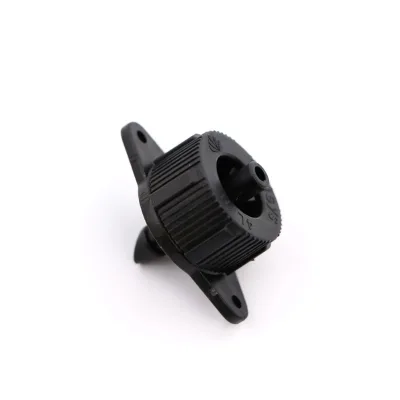
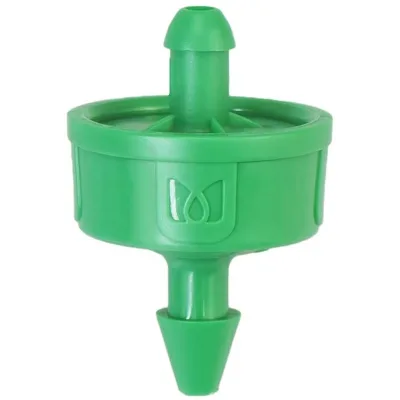
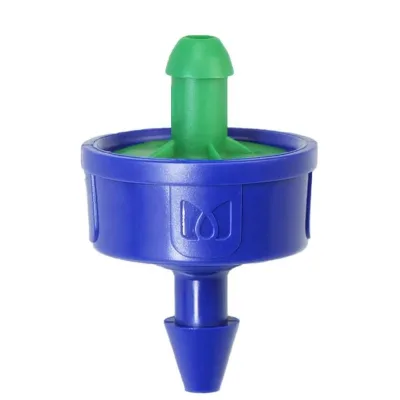
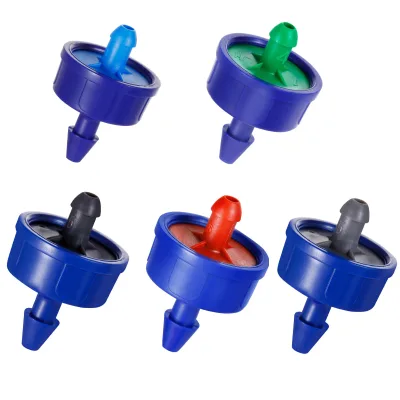
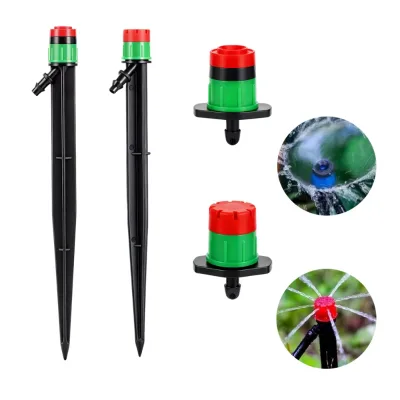
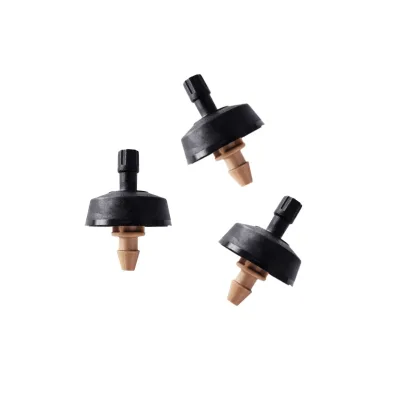
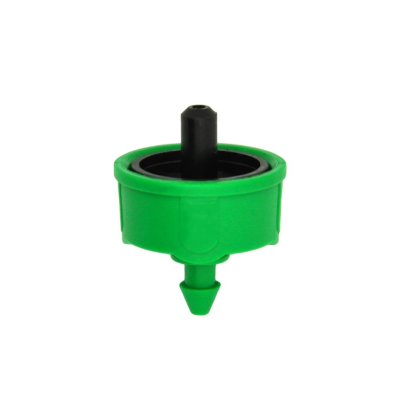
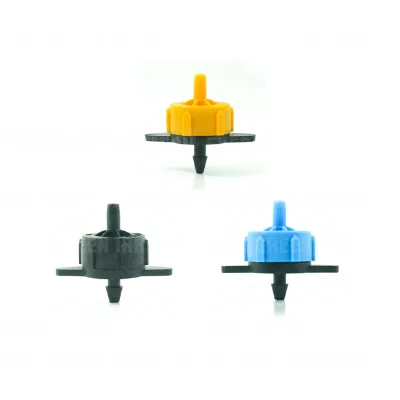
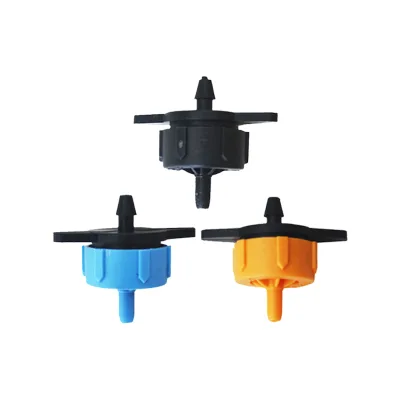

6 Type Flux Detachable Pressure Compensation Dripper for Drip Irrigation
$0.018 - $0.0231
MOQ: 5500 Pieces

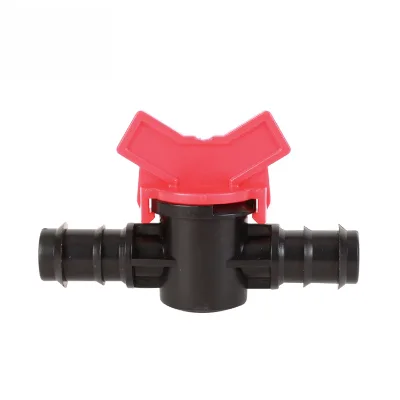
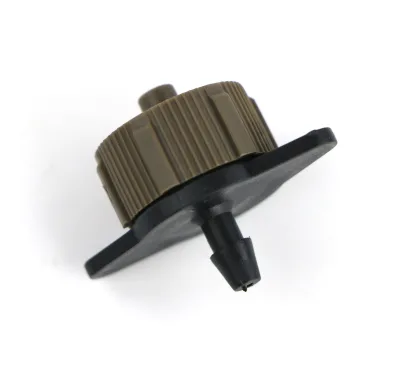


Durable Pressure Compensated Dripper for Efficient Agricultural Irrigation Systems
$0.025 - $0.03
MOQ: 100 Pieces
Comprehensive Sourcing Guide
Pressure Compensating Dripper Sourcing Guide
Buyers must first distinguish between the specific product attributes observed in current listings to avoid specification mismatches. The available data indicates a range of flow rates, from 2-8L/H up to 0-70L/H, alongside varying working pressures such as 0.8-3.2bar and 0.08-0.4bar. This variance suggests that a single generic search term may yield incompatible components for different irrigation zones. Procurement teams should prioritize verifying the exact flow and pressure requirements of their specific system design before selecting a supplier, as the observed models include both fixed and adjustable drippers with distinct operational limits.
Commercial terms also vary significantly across the observed inventory, with Minimum Order Quantities ranging from a single bag to 16,000 units. Some listings specify an MOQ of 1000 pieces, while others allow for 200 pieces or even single-item purchases, directly impacting initial capital outlay and inventory risk. Buyers should align their order volume with these observed thresholds to secure favorable pricing without overstocking. Additionally, the presence of different packaging sizes, such as 11x7x5 cm versus 64x45x38 cm, requires careful logistics planning to optimize shipping costs and storage efficiency for the specific quantity ordered.
Product Scope and Observed Listing Signals
The product scope for pressure compensating drippers in the current market includes applications for agriculture, gardens, farms, lawns, and greenhouses. The observed listings explicitly mention usage for water-saving irrigation systems and drip irrigation work, confirming their primary function in delivering precise water distribution. Materials are consistently identified as plastic, with colors ranging from black to black-blue, indicating a standard industrial aesthetic designed for durability in outdoor environments. These attributes suggest a broad applicability across various agricultural and landscaping sectors where consistent water delivery is critical.
Listing signals reveal significant diversity in model numbers and packaging configurations, which buyers must scrutinize to ensure compatibility. Specific models like "ls201" and "DFS" appear alongside generic descriptions such as "Pressure Compensation Dripper" and "PC Dripper." Packaging details vary from single items to bulk cartons containing up to 8000 pieces, with gross weights ranging from 0.050 kg to 16 kg per unit or carton. This variation implies that buyers must carefully review the specific product description for each listing to confirm the exact model, weight, and packaging format before finalizing a purchase order.
Technical Specifications to Verify
Technical verification must begin with the flow rate and pressure compensation capabilities, as observed data shows a wide spectrum from 4.8L/H to 70L/H. Buyers should confirm that the selected dripper maintains a constant flow rate despite fluctuations in system pressure, a key feature of pressure-compensating technology. The observed working pressure ranges, such as 0.08-0.4bar and 0.8-3.2bar, indicate that different models are designed for specific pressure regimes. It is essential to match the dripper's rated pressure range with the actual operating pressure of the irrigation system to prevent under-performance or component failure.
Physical dimensions and material composition are equally critical for system integration and longevity. The observed single package sizes range from compact 11x7x5 cm units to larger 50x44x38 cm packages, affecting how the product fits into existing infrastructure. The material is consistently listed as plastic, which offers corrosion resistance but requires verification of UV stability and chemical compatibility with fertilizers. Buyers should request detailed material specifications to ensure the plastic can withstand local environmental conditions and the chemical composition of the irrigation water without degrading over time.
Compliance and Safety Documentation
While the observed listings highlight features like "Eco Friendly" and "Saving Water," explicit certification documents are not provided in the current data. Buyers should request proof of compliance with relevant international standards for agricultural irrigation equipment, particularly regarding material safety and water quality. The absence of specific certification names in the listing data means that procurement teams must actively seek documentation to verify that the plastic materials do not leach harmful substances into the water supply. This due diligence is crucial for maintaining the integrity of the irrigation system and ensuring the safety of the crops being watered.
Documentation regarding the origin and manufacturing standards is also necessary to assess the reliability of the supply chain. The observed places of origin include Shandong and Fuzhou, China, which are known manufacturing hubs but require verification of the specific factory's quality management systems. Buyers should ask for factory audit reports or quality certificates that confirm adherence to production standards. Without these documents, it is difficult to guarantee that the products meet the expected durability and performance benchmarks, especially for large-scale agricultural projects where system failure can lead to significant crop loss.
Cost Drivers and Commercial Terms
Cost drivers for pressure compensating drippers are heavily influenced by the Minimum Order Quantity and the complexity of the flow rate technology. The observed MOQs range from 1 piece to 16,000 pieces, creating a wide variance in unit pricing and total investment. Higher volume orders typically yield lower per-unit costs, but the buyer must balance this against storage costs and cash flow constraints. Additionally, the customization options, such as OBM support and adjustable flow rates, may introduce additional costs that need to be factored into the total budget. Buyers should negotiate based on their specific volume needs to optimize the cost per unit.
Commercial terms regarding packaging and shipping logistics also play a significant role in the total landed cost. The observed packing configurations vary from single items to bulk cartons with 8000 pieces, directly impacting shipping efficiency and freight charges. The gross weight of the products, ranging from 0.050 kg to 16 kg, further influences shipping costs, as heavier shipments incur higher freight rates. Buyers should calculate the total cost including freight and insurance, considering the specific packaging dimensions and weight to ensure the most economical shipping method is selected for their order volume.
Supplier Qualification and Quality Control
Supplier qualification should focus on verifying the manufacturing capabilities and quality control processes of the identified producers. The observed listings mention "Customized Support: OBM," indicating that some suppliers offer original brand manufacturing services. Buyers should assess the supplier's ability to maintain consistent quality across large production runs, especially given the wide range of observed MOQs. It is essential to request samples and conduct pre-shipment inspections to verify that the flow rates, pressure compensation, and material quality match the specifications provided in the listing.
Quality control measures must be established to ensure that the pressure compensating drippers perform reliably under field conditions. Buyers should implement a rigorous testing protocol that includes flow rate verification at different pressure levels to confirm the compensation mechanism works as advertised. Given the observed variations in working pressure and flow rates, it is critical to test a representative sample from each batch. This proactive approach helps identify any manufacturing defects or inconsistencies early, preventing potential failures in the irrigation system and protecting the buyer's investment.
Long-Term Procurement Checks
Long-term procurement checks should include regular performance monitoring of the installed drippers to ensure sustained efficiency. The observed features like "Water-saving Irrigation" and "Saving Water" imply a focus on resource efficiency, which must be validated over time. Buyers should track water usage and crop health to confirm that the drippers are delivering the expected water-saving benefits. Regular maintenance schedules should be established to inspect for clogging, wear, or degradation of the plastic components, ensuring the system continues to operate at peak efficiency throughout its lifespan.
Supplier relationship management is also vital for long-term success, particularly given the observed variations in product models and specifications. Buyers should maintain open communication with suppliers to stay informed about new product developments or improvements in pressure compensating technology. Establishing a reliable supply chain with consistent quality and delivery times is crucial for large-scale agricultural operations. Regular reviews of supplier performance, including adherence to agreed-upon specifications and delivery schedules, will help mitigate risks and ensure a stable supply of high-quality irrigation components.
FAQs
How does a Pressure Compensating Dripper maintain uniform flow rates?
A Pressure Compensating Dripper uses an internal silicone or rubber membrane that adjusts to pressure changes, keeping flow close to the rated rate within the working pressure range. Typical listed working pressures span 0.8 to 3.2 bar with flow rates such as 2 to 8 liters per hour. This keeps emission uniform across long laterals and uneven terrain where plain drippers would over- or under-water.
What flow rates are available for pressure compensating drippers?
Listed products include flow rates of 2-8 L/H, 4 and 8 L/H, and adjustable models reaching 0-70 L/H. Choose a rate based on crop water demand, soil type, and emitter spacing. Low-flow models suit potted or row crops, while higher or adjustable outputs fit orchards and greenhouse zones needing faster delivery per plant.
What working pressure should I use with a Pressure Compensating Dripper?
Most listed drippers work between 0.8 and 3.2 bar, while some adjustable models operate at 0.08 to 0.4 bar. Always match the dripper rating to your pump and filtration setup, and install a pressure regulator if system pressure exceeds the maximum. Running above the rated range can damage the compensating membrane and destroy uniformity.
Can pressure compensating drippers be customized for my irrigation project?
Customization is available on listed products, with some suppliers offering OBM support and adjustable dripper variants. You can typically request specific flow rates, colors such as black or black-blue, and packaging formats like cartons. Confirm minimum order quantities before committing, since listed MOQs range from single bags to 1000 pieces or 200 pieces depending on the model.
Which crops and settings suit a Pressure Compensating Dripper best?
Listed applications cover agriculture irrigation and garden, farm, lawn, and greenhouse use. They perform best on sloped ground, long drip lines, and systems with fluctuating pressure where uniform delivery matters. Row crops, orchards, vines, and greenhouse benches benefit most, while very short, level laterals may not justify the higher cost of compensating emitters.
How is a Pressure Compensating Dripper packaged and shipped?
Listed packaging includes cartons, with examples such as 8000 pieces per carton and single package sizes of 11x7x5 cm, 15x8x20 cm, and 50x44x38 cm. Single gross weights range from 0.050 kg per item to 12 kg or more per carton. Check the packed size and gross weight per carton before arranging freight so container volume and costs are accurate.
What material are these pressure compensating drippers made from?
Listed products are made of plastic, in colors such as black and black-blue, and are described as eco-friendly and water-saving. Plastic construction keeps cost low and resists most fertilizers used in fertigation. Quality varies between suppliers, so review material specifications and sample performance under your actual working pressure before placing bulk orders.
Can I use pressure compensating drippers in low-pressure gravity systems?
Yes, if you select a model rated for the low range. Some listed drippers operate at 0.08 to 0.4 bar, which suits gravity-fed tanks and low-head setups. Standard compensating drippers needing 0.8 bar or more will not compensate properly at very low pressure. Check the pressure class, elevation head, and lateral losses before choosing between the two types.