Source European Truck Speed Odometer Sensor for Fleet Repair, Maintenance, and Replacement
Compare 30 listings for the European Truck Speed Odometer Sensor to find suitable parts for fleet repair, routine maintenance, and vehicle replacement. Buyers can review specifications, prices, and supplier details to make informed sourcing decisions.
Key considerations
Products List
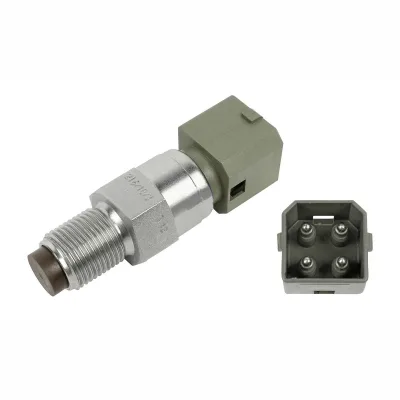


High Quality Truck Parts Speed Sensor Odometer Speed Sensor Wg2209280010/1
$5.00 - $100.00
MOQ: 500 Pieces


Auto Sensor Transmission Speed Sensor Odometer Truck Speed Sensor 81.27421.0129
$5.00 - $100.00
MOQ: 500 Pieces
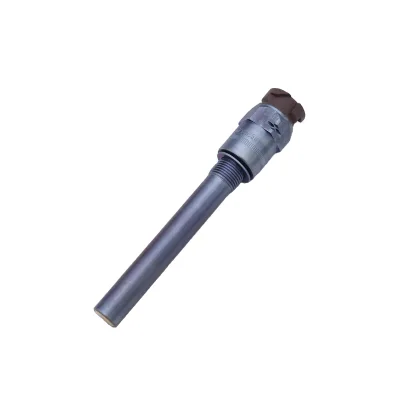


Tire Pressure and Temperature Monitoring Sensor for Truck Trailer (03)
$100.00 - $1000.00
MOQ: 1 Pieces


Truck Trailer Automobile Tire Pressure / Mileage / Speed Wheel Sensors (03)
$100.00 - $1000.00
MOQ: 1 Pieces


Comprehensive Sourcing Guide
Strategic Sourcing Guide for European Truck Odometer Speed Sensors
Understanding Component Specifications and Technical Variability
When sourcing a European Truck Speed Odometer Sensor, buyers must first navigate a complex landscape of technical specifications that often vary significantly between listings. The core component serves a dual function as both an odometer sensor and a speedometer sensor, designed primarily for the replacement and repair of transmission systems in heavy-duty vehicles. In the current market, observed product attributes indicate a "New" condition with a specific focus on mechanical transmission control systems. The technical construction often involves a "Push" type of technics, which suggests a specific mechanical actuation method rather than purely electronic or magnetic sensing, although the exact mechanism requires verification against the specific vehicle's transmission architecture.
A critical observation in the current supply data is the divergence in functional descriptions. While the primary purpose is speed measurement, some listed attributes claim a function of "Temperature Regulation" and a measuring medium of "Gas." This discrepancy highlights a potential data inconsistency or a mislabeling of components that buyers must rigorously investigate. A genuine speedometer sensor for a diesel-powered European truck should primarily measure rotational speed, not gas temperature. Therefore, procurement teams must verify that the "Measuring Medium" and "Function" attributes align with the vehicle's actual transmission requirements rather than accepting broad or contradictory marketing claims.
The physical characteristics of the sensor are equally vital. The product is typically described as a "Transmission Part" or "Part Type: Transmission Part," installed in the "Interior" of the vehicle's transmission housing. The standard color for these units is black, and the weight is observed to be approximately 1kg. However, buyers should not assume a uniform weight across all suppliers, as variations in internal components or housing materials can alter this metric. The packaging is generally supplied in cartons or wooden boxes, which is essential for protecting the delicate internal mechanisms during international shipping from origins such as Zhejiang or Hubei in China.
Compliance, Certification, and Origin Verification
The geographical origin of the component plays a pivotal role in the procurement strategy. The supply chain for these sensors is heavily concentrated in China, with specific provinces like Zhejiang and Hubei appearing as primary places of origin. This concentration offers competitive advantages in terms of logistics and volume but necessitates strict verification of the "Place of Origin" to ensure the product meets the intended quality standards for European markets. Buyers must distinguish between products originating from different manufacturing hubs, as production capabilities and quality control protocols can vary between regions.
Certification status is another area requiring careful scrutiny. While some data points mention certifications such as "TSCylinder:Multi-cylinder," this appears to be a specific descriptor rather than a universal industry standard for speed sensors. Buyers should not assume that a product listing with a certification tag automatically meets international safety or performance standards. Instead, the procurement process must include a request for valid, up-to-date certification documents that specifically cover the "Odometer Speed Sensor" category. The absence of a universally recognized standard in the provided data suggests that buyers must define their own compliance requirements based on the regulations of the destination country and the specific truck manufacturer's guidelines.
Furthermore, the "Brand Name" and "Brand" attributes in the market data show a mix of proprietary names like "BullHorse" and generic descriptors like "Original." This variability indicates a market filled with both branded aftermarket parts and unbranded or rebranded OEM-equivalent components. Buyers must verify whether the "Original" claim refers to the vehicle manufacturer's original equipment or a generic aftermarket standard. Without explicit certification or a verified supply chain history, the term "Original" should be treated as a marketing claim rather than a guaranteed specification.
Cost Drivers and Pricing Structure Analysis
The pricing structure for European truck speed odometer sensors is influenced by several dynamic factors, including the complexity of the sensor, the brand reputation, and the volume of the order. The observed price range in the market spans from 1 to 1000 USD, a wide spectrum that reflects the diversity of product quality and specification. Lower-priced items in this range may correspond to basic mechanical sensors or those with minimal packaging, while higher-priced items likely include advanced features, superior materials, or established brand premiums.
The Minimum Order Quantity (MOQ) is a significant cost driver in this sector. The observed MOQ range varies from 1 to 500 units, with some specific listings indicating an MOQ of 1000 units. This variation suggests that buyers can access single-item purchases for testing or emergency repairs, but bulk procurement is necessary to achieve optimal unit economics. The "Selling Units" attribute confirms that single-item transactions are possible, which is beneficial for small fleet operators or individual mechanics. However, for large-scale fleet maintenance, negotiating a lower MOQ or securing a volume discount is essential to manage the total cost of ownership.
Other cost factors include the "Delivery Time," which is observed to be between 7 and 15 days. This lead time impacts the total procurement cost when factoring in inventory holding costs or the potential downtime of a vehicle. Buyers must balance the immediate need for a sensor against the cost savings of a longer lead time. Additionally, the "Warranty" period, typically listed as 1 year, is a critical component of the cost-benefit analysis. A longer warranty period can reduce the long-term risk and potential replacement costs, making a slightly higher initial price more attractive if the warranty terms are robust and clearly defined.
Typical Applications and Vehicle Compatibility
The primary application for these sensors is the replacement and repair of speedometer and odometer systems in European trucks. The "Car Make" attribute specifically identifies "eurotruck" as the target vehicle category, indicating that these components are designed to fit the specific transmission architectures of heavy-duty European commercial vehicles. The "OE NO." (Original Equipment Number) list, which includes codes such as 1594138, 8150500, and 340216010003c, provides a critical reference for compatibility. Buyers must cross-reference these numbers with their specific vehicle models to ensure a perfect fit.
The "Model Number" and "prod_model" attributes further refine the application scope. Specific model numbers like 50-436-008 and 3171490/3836010-TV111 suggest that these sensors are tailored to specific transmission systems or engine configurations. The "Fuel" type is consistently listed as "Diesel," which is standard for European trucks, and the "Stroke" is noted as "4 Stroke," aligning with typical heavy-duty diesel engine designs. However, the presence of attributes like "Fuel Saver Type: Use Water as Raw Material" and "Carburettor Type: Horizontal Draught" raises questions about the applicability of these specific listings to modern diesel trucks, which typically use direct injection systems rather than carburetors.
Buyers must be cautious when matching these sensors to their fleet. The "Installation Position" is listed as "Interior," which generally refers to the transmission housing or the dashboard area where the speed signal is processed. The "Type" is described as both "Speedometer Sensor" and "Sensor," indicating a broad categorization that requires specific verification. To avoid compatibility issues, procurement teams should prioritize sensors with clear OE number matches and specific model numbers that align with the vehicle's transmission control system, which is described as "Mechanical" in the provided data.
Supplier Evaluation and Quality Assurance Protocols
Evaluating suppliers for European truck speed odometer sensors requires a multi-faceted approach that goes beyond simple price comparison. The "Quality" attribute is often listed as "Higher," but this is a subjective claim that must be validated through objective testing and historical performance data. Buyers should request detailed quality control reports, including test results for durability, accuracy, and resistance to environmental factors such as vibration and temperature fluctuations. The "Efficiency" attribute, described as "Fuel-Efficient," is another claim that requires verification, as the sensor itself does not directly influence fuel efficiency but rather ensures accurate speed and distance readings for the vehicle's management systems.
The "Customization" attribute indicates that some suppliers offer tailored solutions, which can be beneficial for unique fleet requirements or older truck models that may not have standard replacement parts. However, customization introduces additional variables in the supply chain, including longer lead times and higher costs. Buyers must clearly define their customization needs and ensure that the supplier has the technical capability to meet these requirements without compromising the integrity of the sensor.
Quality control should also extend to the packaging and shipping process. The "prod_packing" attributes, which include "Carton" or "Wooden Box," are essential for protecting the sensor during transit. Buyers should verify that the packaging meets international shipping standards to prevent damage from moisture, impact, or vibration. The "Weight" of the product, observed at 1kg, should be used to calculate shipping costs accurately and to ensure that the packaging is sufficient to protect the item without being overly bulky.
Long-Term Procurement and Inventory Management
Sourcing European truck speed odometer sensors is not just a one-time transaction but a long-term procurement strategy that requires careful inventory management and relationship building with suppliers. The "Delivery Time" of 7-15 days suggests that buyers should maintain a buffer stock to avoid vehicle downtime due to part shortages. For fleets with high utilization rates, maintaining a strategic inventory of critical sensors can significantly reduce operational disruptions.
The "Warranty" period of 1 year is a standard expectation, but buyers should negotiate terms that extend beyond this period or include provisions for rapid replacement in case of early failure. The "Selling Units" attribute confirms that single-item purchases are possible, which allows for flexible inventory management. However, for cost efficiency, buyers should aim to consolidate orders to meet higher MOQ thresholds, thereby reducing the per-unit cost and shipping expenses.
Long-term success in this procurement category also depends on the ability to adapt to changing vehicle technologies. As European trucks evolve, the specifications of speed sensors may change, requiring buyers to stay informed about new model numbers and OE numbers. The "Customization" capability of suppliers can be a valuable asset in this regard, allowing for the adaptation of existing parts to new vehicle models. By building strong relationships with suppliers who offer customization and high-quality standards, buyers can ensure a steady supply of compatible sensors for their fleet.
Conclusion
The procurement of European truck speed odometer sensors requires a disciplined approach that balances technical specifications, cost considerations, and supplier reliability. By carefully analyzing the provided data and verifying critical attributes such as OE numbers, model numbers, and certification status, buyers can make informed decisions that ensure the longevity and performance of their fleet. The wide range of prices and MOQs offers flexibility, but it also demands rigorous evaluation to avoid the pitfalls of low-quality or incompatible parts. Ultimately, a strategic sourcing plan that prioritizes quality, compatibility, and long-term supplier relationships will yield the best results for fleet operators and maintenance teams.
FAQs
What is the warranty period for this sensor?
The warranty period is 1 year for this new odometer speed sensor. This coverage applies to the replacement and repair of transmission systems in eurotruck vehicles, ensuring reliability during the specified duration.
Which OEM numbers are compatible with this part?
Compatible OEM numbers include 1594138, 8150500, and 340216010003c. Additional compatible codes are 0015451809, 1423968, and 1394465, ensuring fitment for various heavy-duty transmission architectures.
Can I order a single item for testing?
Yes, you can order a single item as the selling unit is listed as single item. However, some suppliers may require a minimum order quantity of 1000 units for bulk pricing or specific customizations.
How long is the delivery time for this sensor?
The delivery time is typically between 7 and 15 days. This lead time applies to shipments originating from manufacturing hubs in Zhejiang or Hubei, China, depending on the specific supplier capacity.
What is the typical weight of this transmission part?
The typical weight of this transmission part is 1kg. This metric helps in calculating shipping costs and ensures the packaging, often a carton or wooden box, is sufficient for protection.
Which location is the primary place of origin?
The primary places of origin are Zhejiang and Hubei in China. These regions are key manufacturing hubs for diesel-powered European truck components, offering competitive logistics for international buyers.
What is the condition of the supplied sensor?
The condition of the supplied sensor is new. This ensures the component is ready for immediate installation in the interior of the vehicle's transmission housing for speedometer and odometer functions.