Source Pressure Testing Bronze Globe Valve for Household, Industrial, Water Usage
Find 30 Pressure Testing Bronze Globe Valve options from verified manufacturers in Zhejiang, China. Buyers can compare specifications including thread connections, pressure ratings, and certifications like ISO9001 and UL.CSA for household, industrial, and water applications.
Key considerations
Products List




Comprehensive Sourcing Guide
Pressure Testing Bronze Globe Valve Sourcing Guide
Sourcing pressure testing bronze globe valves requires a disciplined approach that balances material integrity with precise mechanical performance. These valves are critical components in fluid control systems, particularly where reliable shut-off and flow regulation are paramount. The procurement process must account for the specific metallurgical properties of bronze, the manufacturing techniques used to form the valve body, and the rigorous testing protocols necessary to ensure leak-tight performance under pressure. Buyers must navigate a landscape where variations in casting methods, thread connections, and pressure ratings can significantly impact the valve’s suitability for specific industrial or household applications.
This guide provides a structured framework for evaluating suppliers and products based on observable market data and technical realities. It focuses on verifying the core attributes of bronze globe valves, including their construction materials, connection types, and compliance with international standards. By adhering to the evidence-based insights provided, procurement professionals can mitigate risks associated with substandard components, ensure compatibility with existing piping systems, and secure long-term reliability in fluid management infrastructure. The following sections detail the essential steps for validating product scope, technical specifications, compliance documentation, commercial terms, supplier qualifications, and long-term maintenance considerations.
Product Scope and Observed Listing Signals
The market for bronze globe valves encompasses a diverse range of configurations tailored to various operational environments. Observed listings indicate that these valves are commonly available in sizes ranging from 1/2" to 4", with some extended ranges reaching up to 12" for specialized industrial applications. The primary material composition is typically brass or bronze, chosen for its corrosion resistance and durability in water and other non-aggressive media. These valves are often designed for ordinary pressure applications and normal temperature conditions, making them suitable for household usage, general industrial processes, and water treatment facilities. The driving mode is predominantly manual, relying on handwheels or levers for operation, which aligns with standard practices for isolation and throttling duties.
Listing signals also reveal significant variation in manufacturing origins and packaging standards. Many suppliers originate from Zhejiang, China, a major hub for valve manufacturing, and offer products packed in polybags, inner boxes, cartons, or wooden pallets depending on order volume. Customization is frequently available, allowing buyers to specify thread connections, such as male and female threads, or specific pressure ratings. However, buyers must be cautious of inconsistent data points in listings, such as conflicting material descriptions (e.g., iron, steel, carbon steel) or unrelated product models like BGV04 or NRS004, which may indicate generic templates rather than specific product details. It is essential to verify that the actual product matches the described bronze construction and globe valve structure, rather than accepting broad categorizations that may include dissimilar valve types.
Technical Specifications to Verify
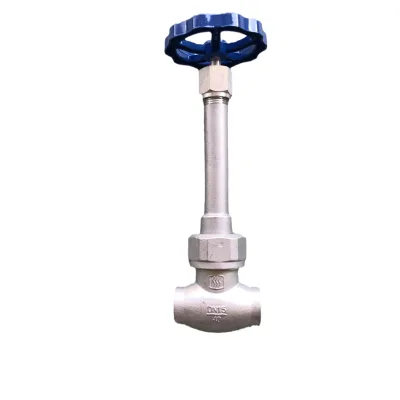
Verifying the technical specifications of a bronze globe valve is critical to ensuring it meets the operational requirements of the intended system. The valve’s structure should be confirmed as a through-way globe valve, which provides effective flow control and shut-off capabilities. Buyers must inspect the stem thread position, which can be either inside gate valve or outside screw stem globe valve configurations, as this affects maintenance accessibility and protection against environmental corrosion. The sealing form is typically gland packings, which require periodic adjustment to maintain a leak-tight seal. Additionally, the connection form should be verified as threaded, with specific attention to thread standards such as BSP, NPT, or metric, to ensure compatibility with existing piping infrastructure.
Pressure and temperature ratings are equally important technical parameters that must be validated against the valve’s design. While some listings suggest ordinary pressure and normal temperature suitability, others may indicate high-temperature or specific pressure classes. Buyers should request detailed pressure-temperature rating charts from the supplier to confirm the valve’s limits. The manufacturing process, often involving pressure casting or forging, significantly influences the valve’s structural integrity. Forging tolerances, such as +/-0.5mm, and heat treatment processes like quenching, enhance the material’s strength and durability. Surface treatments, including sand blasting, improve corrosion resistance and aesthetic finish. Buyers must ensure that the specified molding style and technical attributes align with the valve’s intended service conditions to prevent premature failure.
Compliance and Safety Documentation
Compliance with international standards and certifications is a non-negotiable aspect of sourcing pressure testing bronze globe valves. Buyers should verify that the supplier holds valid ISO 9001 certification, which demonstrates a commitment to quality management systems. Additional certifications such as UL, CSA, UPC, BS5154, CE, and DIN, GB, ANSI, BSW, and JIS standards may be relevant depending on the target market and regulatory requirements. These certifications ensure that the valves meet specific safety, performance, and environmental criteria. Buyers must request copies of these certificates and verify their authenticity with the issuing bodies to avoid fraudulent claims.
Pressure testing documentation is another critical component of compliance. Valves must undergo rigorous hydrostatic and pneumatic tests to verify their ability to withstand specified pressures without leakage. Buyers should request test reports that detail the test pressure, duration, and results for each batch of valves. These reports should align with recognized standards such as ASME, GB, or API, depending on the application. Additionally, material certifications should be provided to confirm the composition of the bronze or brass used in the valve body. This documentation ensures traceability and accountability, allowing buyers to verify that the materials meet the specified grades and properties. Without proper compliance documentation, the risk of non-conformance and potential system failures increases significantly.
Cost Drivers and Commercial Terms
Understanding the cost drivers associated with bronze globe valves is essential for effective budgeting and negotiation. The primary cost factors include the raw material prices of bronze or brass, which fluctuate based on global market conditions. Manufacturing processes such as casting or forging also impact costs, with forging generally being more expensive due to higher labor and equipment requirements. Customization options, such as specific thread types, pressure ratings, or surface treatments, can further increase the unit price. Buyers should also consider the impact of packaging and shipping costs, especially for international orders, as these can add significant overhead to the total procurement cost.
Commercial terms, including minimum order quantities (MOQ), payment terms, and lead times, play a crucial role in the overall procurement strategy. Observed MOQ ranges vary widely, from as low as 1 unit to 3000 units, depending on the supplier and product configuration. Buyers should negotiate MOQs that align with their inventory management strategies and project timelines. Payment terms, such as advance payment, letter of credit, or open account, should be structured to balance risk and cash flow. Lead times can be influenced by production schedules, material availability, and shipping logistics. Buyers should establish clear communication channels with suppliers to monitor production progress and anticipate any potential delays. Understanding these commercial dynamics allows buyers to optimize their procurement process and achieve better value for money.
Supplier Qualification and Quality Control
Supplier qualification is a foundational step in ensuring the reliability and consistency of bronze globe valve supplies. Buyers should conduct thorough due diligence on potential suppliers, assessing their manufacturing capabilities, quality control processes, and track record. Factories with advanced molding techniques, such as pressure casting or forging, and robust heat treatment processes are preferred. Suppliers should have dedicated quality control teams that perform inspections at various stages of production, from raw material receipt to final packaging. Buyers should request site audits or third-party inspections to verify the supplier’s operational standards and compliance with quality management systems.
Quality control measures should include rigorous testing protocols to ensure each valve meets the specified performance criteria. Hydrostatic and pneumatic tests should be conducted on a sample basis or on every unit, depending on the criticality of the application. Dimensional checks should verify that the valve’s size, thread pitch, and connection dimensions conform to the agreed specifications. Material analysis should confirm the chemical composition of the bronze or brass to ensure it meets the required standards. Buyers should also evaluate the supplier’s packaging and labeling practices to prevent damage during transit and ensure proper identification of the valves. Establishing a strong quality control framework with the supplier helps minimize defects and ensures consistent product quality over time.
Long-Term Procurement Checks
Long-term procurement checks are essential for maintaining the performance and reliability of bronze globe valves throughout their service life. Buyers should establish a periodic review process to assess supplier performance, product quality, and market trends. This includes monitoring any changes in material prices, manufacturing processes, or regulatory requirements that may impact the valves’ suitability. Buyers should also gather feedback from end-users and maintenance teams to identify any issues related to valve performance, such as leakage, corrosion, or operational difficulties. This feedback loop allows for continuous improvement and proactive problem-solving.
Regular audits and re-qualification of suppliers are necessary to ensure ongoing compliance with quality and safety standards. Buyers should verify that suppliers maintain their certifications and adhere to the agreed-upon quality control procedures. Additionally, buyers should stay informed about advancements in valve technology and materials that may offer improved performance or cost savings. This includes exploring new alloys, manufacturing techniques, or testing methods that could enhance the durability and efficiency of the valves. By maintaining a proactive approach to long-term procurement checks, buyers can ensure that their bronze globe valve installations remain reliable, safe, and cost-effective over the long term.
FAQs
What certifications do pressure testing bronze globe valves have?
These valves typically hold ISO9001, UL.CSA, Upc, and BS5154 certifications. The manufacturing process adheres to strict quality standards like ISO 9001 with forging tolerances of plus or minus 0.5mm to ensure reliability in industrial applications.
Which materials are used for pressure testing bronze globe valves?
Common materials include iron, steel, carbon steel, and brass. These materials are selected for their durability and ability to withstand normal to high temperatures while maintaining structural integrity during pressure testing procedures.
How are pressure testing bronze globe valves connected?
They feature male and female thread connections with a standard size range from 1/2 inch to 4 inches. Some models also support sizes up to 12 inches using specific connection forms suitable for water and industrial usage.
Can these valves be customized for specific industrial needs?
Yes, customization is available to meet unique application requirements. Buyers can request specific packing options like polybags, inner boxes, or wooden pallets, and the valves are designed for both household and heavy industrial water usage.
What is the origin and standard for these valves?
The products originate from Zhejiang, China, and comply with standards such as ASME, GB, DIN, and ANSI. They are manufactured using pressure casting and forging techniques to ensure high-quality performance in various pressure environments.
What is the driving mode for these globe valves?
The driving mode is manual, allowing operators to control flow directly. This design is suitable for applications requiring precise flow control where automated systems are not necessary or preferred for the specific operational context.