Source Progressive Die Stamping Solar Bracket for Roof, Ground, Tracking
Find 30 verified options for Progressive Die Stamping Solar Bracket tailored to commercial, home, and outdoor applications. Compare materials like carbon steel and aluminum, surface treatments, and customization features from Jiangsu and Xiamen suppliers.
Key considerations
Products List


Custom Sheet Metal Stamping Brackets for Solar Energy PV Mounting Systems
$2.50 - $3.00
MOQ: 100 Pieces


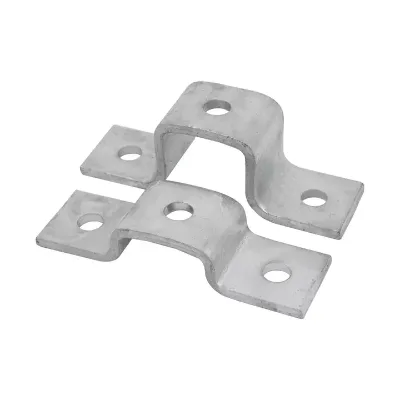


Stainless Steel Solar Photovoltaic Bracket Solar Stamping for Solar Panel
$0.01 - $0.05
MOQ: 1000 Pieces


Comprehensive Sourcing Guide
Strategic Sourcing Guide for Progressive Die Stamping Solar Brackets
Understanding the Technical Architecture of Progressive Die Stamping
When sourcing solar brackets, the distinction between general metal fabrication and precision progressive die stamping is critical. Progressive die stamping, often categorized under "Cold Stamping" and "Shaping Metal" processes, represents a high-efficiency manufacturing method where a single strip of metal is fed through a series of stations within a single die. Each station performs a specific operation—such as punching, bending, or forming—until the final part is ejected. This method is particularly suited for the "Multi-Position" fine blanking requirements often seen in solar mounting hardware.
The core material for these components is predominantly steel, with specific listings indicating "Carbon Steel" as a primary base material. However, the supply chain also offers "Steel, Stainless Steel, Aluminum, Brass and Others" to accommodate varying environmental and structural needs. For solar applications, "Aluminum Alloy" is frequently utilized due to its corrosion resistance and weight-to-strength ratio, while "Steel" remains the standard for high-load bearing components like "Ground Brackets" and "Roof Brackets." The manufacturing process typically involves "Casting, Extrusion, Cutting, Drilling," and "Shaping Metal," ensuring the final product meets the rigorous demands of "Commercial" and "Home" applications.
The physical specifications of these parts are highly variable. Buyers must verify the "Thickness" range, which in observed listings spans from "0.5 - 40 mm." This wide range allows for the production of everything from thin, lightweight rail components to heavy-duty structural supports. The "Mould" technology employed is often "Multistep Progressive Dies," which enables the production of complex geometries with high repeatability. The "Surface Processing" is a critical differentiator, with options ranging from "Spraying" and "Painting" to high-performance finishes like "PVDF" or "Powder Coating." These surface treatments are essential for "Weather Resistance" and "Water Resistance," ensuring the bracket survives "Outdoor" exposure without degrading.
Compliance, Certification, and Material Standards Verification
In the B2B procurement of solar mounting systems, compliance is not merely a formality but a prerequisite for market entry and project approval. The supply chain for progressive die stamped solar brackets is heavily influenced by international quality management standards. Observed product data frequently cites "ISO 9001: 2015" as a baseline certification, indicating a supplier's commitment to consistent quality management systems. Additionally, broader certification suites including "CE," "TUV," "ISO," and "GB" (Guobiao, the Chinese national standard) are common indicators of compliance with regional safety and performance regulations.
Buyers must exercise caution when interpreting these certifications. While "ISO 9001" is a standard for quality management, it does not inherently guarantee the material composition or the specific mechanical performance of the solar bracket. Similarly, "CE" and "TUV" marks suggest conformity with European safety standards, but the specific test protocols and the scope of these certifications must be verified against the specific product model, such as "HY002" or "Solar Panel Rail." The "prod_standard" is often listed as "customized as customer's requirement," which means the supplier must align their manufacturing with the specific engineering drawings and standards provided by the buyer, rather than relying solely on generic industry standards.
Material verification is equally important. The "Material Availble" list includes "Steel, Stainless Steel, Aluminum, Brass and Others," but the specific alloy grade (e.g., 6063 for aluminum or Q235 for steel) is rarely explicitly stated in general listings. Buyers should demand material test reports (MTRs) to confirm the chemical composition and mechanical properties of the "Carbon Steel" or "Aluminum Alloy" being used. The "Standard" for the product is often "Custiomized" or specific to the "aluminum" or "steel" type, requiring the buyer to define the exact standard (such as ASTM, EN, or JIS) during the procurement phase. The "Certificate" section often lists "ISO 9001: 2015," but buyers should verify if this certification covers the specific manufacturing site and the specific product line being ordered.
Cost Drivers and Economic Factors in Procurement
The pricing of progressive die stamped solar brackets is influenced by a complex interplay of material costs, manufacturing complexity, and order volume. The observed listed price range in the market is "0.01-10" USD, a span that reflects the vast difference between small, simple components like connectors and larger, complex structural brackets. This wide range underscores the importance of understanding the specific unit economics of the part being sourced. The "MOQ" (Minimum Order Quantity) varies significantly, ranging from "1" to "1000" units. This flexibility allows for both prototyping and large-scale deployment, but it also impacts the unit cost.
Material costs are a primary driver. The choice between "Carbon Steel," "Stainless Steel," "Aluminum," and "Brass" directly affects the base price. Aluminum, while often more expensive per kilogram than carbon steel, may offer cost savings in logistics due to its lighter weight and reduced corrosion treatment requirements. The "Surface Treatment" process also adds to the cost. A simple "Spraying" or "Painting" finish is generally less expensive than a "PVDF" coating or a specialized "Powder Coating" designed for extreme "Weather Resistance." The complexity of the "Multistep Progressive Dies" required for "Multi-Position" fine blanking also influences the tooling cost, which is often amortized over the production run.
Lead time is another critical economic factor. The observed "Lead Time" for these products is "5-15 days," which is relatively short compared to custom casting or forging. This agility is a significant advantage for solar projects with tight installation schedules. However, buyers must verify if this lead time includes the time for mold creation or if it assumes existing tooling is available. The "prod_packing" method, ranging from "Clean Poly Bags First Plus Cartons" to "Box+Wooden/Steel Pallet" or "Bundled Straps, Wooden Boxes," also impacts shipping costs. Heavier or bulkier packaging for "Steel Bracket" components will increase freight charges, which must be factored into the total landed cost.
Typical Applications and Performance Requirements
Progressive die stamped solar brackets are designed for a diverse range of applications, primarily categorized under "Commercial" and "Home" sectors. The specific type of bracket dictates its performance requirements. "Ground Brackets" are designed to anchor solar arrays to the earth, requiring high structural integrity and resistance to soil moisture. "Roof Brackets" and "Roof Support Structures" must withstand wind loads and thermal expansion without compromising the roof's integrity. "Tracking Brackets" are more complex, requiring precision to allow for the movement of solar panels to follow the sun, which demands tight tolerances and durable pivot points.
The "Application" context also influences the necessary "Design Advantage." For instance, a "Roof Bracket" must "Meet The Strength Test" to ensure it can support the weight of the solar panels and resist wind uplift. The "Performance" attributes are critical, with "Weather Resistance" and "Water Resistance" being non-negotiable for "Outdoor" installations. The "Surface Finish" plays a pivotal role here; "PVDF" and "PC" (Polycarbonate) coatings are often specified for their superior durability against UV radiation and chemical exposure. The "The Top Panel" of the system, which includes the "Solar Panel MC4 Connector" and the "Solar Panel Rail," must be compatible with the bracket's design to ensure a secure and electrically safe connection.
The "Design" capability of the supplier is also a key consideration. Many suppliers offer "ODM & OEM" services, allowing for customization of the "prod_model" to fit specific project needs. The "prod_standard" is often "customized as customer's requirement," meaning the supplier must be able to adapt the "Multistep Progressive Dies" to produce unique geometries. The "Color" is typically "OEM," allowing for aesthetic integration with the building or environment. The "Position" of the bracket, whether on a flat roof, pitched roof, or ground mount, determines the specific engineering challenges and the required "Thickness" of the material, which can range from "0.5 - 40 mm."
Supplier Evaluation and Quality Control Protocols
Evaluating a supplier for progressive die stamped solar brackets requires a rigorous assessment of their manufacturing capabilities and quality control systems. The "Location" of the supplier, such as "Jiangsu, China" or "Xiamenchina," can influence logistics and communication, but the primary focus should be on the supplier's technical infrastructure. The presence of "Multistep Progressive Dies" and "Cold Stamping" capabilities is essential. Buyers should verify the supplier's ability to handle "Fine Blanking" and "Shaping Metal" processes to ensure the final product meets the required dimensional accuracy.
Quality control is paramount in the solar industry, where system failures can lead to significant financial losses. The "Quality" attribute often cited as "100% QC Test" is a strong indicator of a supplier's commitment to defect prevention. However, buyers should not rely solely on this claim. Instead, they should request detailed quality control procedures, including in-process inspections and final acceptance testing. The "Certificate" list, including "ISO 9001: 2015," "CE," "TUV," and "GB," should be validated to ensure they are current and cover the specific products being ordered. The "prod_packing" method, whether "Clean Poly Bags," "Cartons," or "Wooden Pallets," should be evaluated to ensure it protects the product during transit and storage.
The "Design Advantage" of the supplier, such as the ability to "Meet The Strength Test," should be backed by third-party test reports or internal validation data. Buyers should also assess the supplier's ability to handle "Customization," as the "prod_standard" is often "customized as customer's requirement." The "Lead Time" of "5-15 days" should be confirmed as a reliable metric, considering potential supply chain disruptions. The "Material Availble" list, including "Steel, Stainless Steel, Aluminum, Brass and Others," should be verified to ensure the supplier has the necessary inventory and processing capabilities for the chosen material.
Long-Term Procurement and Lifecycle Management
Sourcing progressive die stamped solar brackets is not a one-time transaction but a long-term partnership that requires careful lifecycle management. The "Standard" for the product is often "Custiomized," which means the buyer must maintain clear documentation of the design specifications to ensure consistency in future orders. The "prod_model" (e.g., "HY002", "Solar Panel Rail", "Steel Bracket") should be standardized to facilitate easy reordering and replacement. The "Surface Finish" options, such as "PVDF" or "Powder Coating," should be selected based on the expected service life of the installation, which can span 20 to 25 years.
The "Performance" attributes, including "Weather Resistance" and "Water Resistance," are critical for long-term reliability. Buyers should consider the environmental conditions of the installation site when selecting the "Material" and "Surface Treatment." For example, coastal installations may require "Stainless Steel" or enhanced "Aluminum Alloy" with superior corrosion protection. The "Design" capability of the supplier, offering "ODM & OEM" services, should be leveraged to optimize the bracket for future solar technologies or mounting configurations.
The "prod_packing" method, whether "Bundled Straps," "Wooden Boxes," or "Wooden Pallets," should be evaluated for its impact on storage and handling over the long term. Proper packaging ensures that the brackets remain in pristine condition until installation. The "Lead Time" of "5-15 days" should be monitored to ensure it remains consistent, as delays can impact the overall project timeline. The "MOQ" range of "1-1000" offers flexibility for scaling production, but buyers should negotiate volume-based pricing to optimize costs over the lifecycle of the project.
In conclusion, sourcing progressive die stamped solar brackets requires a comprehensive understanding of the technical specifications, compliance requirements, cost drivers, and supplier capabilities. By focusing on the "Material," "Process," and "Quality" aspects, buyers can ensure the procurement of high-performance components that meet the rigorous demands of the solar industry. The "Customization" options and "Design Advantage" of the supplier should be fully utilized to create a tailored solution that maximizes efficiency and longevity.
FAQs
What certifications do Progressive Die Stamping Solar Bracket suppliers typically hold?
Suppliers typically hold ISO 9001: 2015, CE, TUV, and GB certifications. These marks indicate compliance with quality management and safety standards, though specific test protocols must be verified against the product model like HY002.
Which materials are available for Progressive Die Stamping Solar Bracket manufacturing?
Available materials include Carbon Steel, Stainless Steel, Aluminum, Brass, and Aluminum Alloy. The choice depends on structural needs, with steel often used for ground brackets and aluminum for corrosion resistance in outdoor positions.
Can suppliers customize the specifications for progressive die stamping solar brackets?
Yes, customization is available for product models and standards to meet customer requirements. Suppliers use multistep progressive dies to produce unique geometries, allowing for specific thicknesses ranging from 0.5 to 40 mm.
How long is the lead time for Progressive Die Stamping Solar Bracket orders?
The standard lead time ranges from 5 to 15 days. This duration assumes existing tooling is available, as mold creation for custom designs may require additional time beyond this observed range.
What surface treatments are used for progressive die stamping solar brackets?
Surface treatments include spraying, painting, powder coating, and PVDF finishes. These processes ensure weather and water resistance, which are critical for outdoor applications and meeting strength test requirements.
Where are Progressive Die Stamping Solar Bracket manufacturers located?
Manufacturers are located in regions such as Jiangsu and Xiamen in China. These locations host factories capable of cold stamping and shaping metal processes for commercial and home applications.