Source Programmable Salt Spray Test Chamber for Lab Factory School
Find 30 Programmable Salt Spray Test Chamber units with customizable options and CE certification. Compare specifications like chamber dimensions, power requirements, and spray types from verified manufacturers in Dongguan, China.
Key considerations
Products List


Walk-in Multifunctional Comprehensive Composite Salt Spray Test Chamber
$499.00 - $8999.00
MOQ: 1 Pieces


Programmable Salt Fog Corrosion Resistance Testing Salt Spray Test Chamber
$1500.00 - $5000.00
MOQ: 1 Pieces


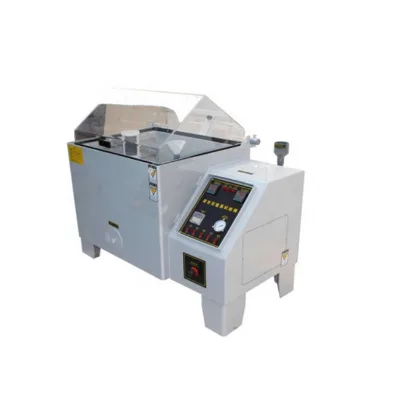


ISO 9227 Touched Screen Salt Spray Tester Programmable Salt Spray Test Equipment
$1000.00 - $3000.00
MOQ: 1 Pieces


Comprehensive Sourcing Guide
Strategic Sourcing Guide for Programmable Salt Spray Test Chambers
Understanding Core Technical Specifications and Operational Parameters
When sourcing a Programmable Salt Spray Test Chamber, the primary objective is to identify equipment that aligns precisely with the required testing protocols for material durability and corrosion resistance. The technical architecture of these units varies significantly based on the intended application, ranging from laboratory-grade precision to industrial-scale production line integration. A critical observation from current market offerings is the diversity in chamber dimensions and internal capacities. For instance, specific models feature inner dimensions of 900mm by 600mm by 500mm, while others are designed with external sizes reaching 870mm by 1400mm by 1150mm. Buyers must verify that the internal volume accommodates the physical dimensions of the test specimens without overcrowding, which could compromise the uniformity of the salt spray distribution.
The operational environment of the chamber is equally vital. The humidity range is a key performance indicator, with observed specifications indicating a capability to maintain relative humidity between 95% and 98%. This high-humidity environment is essential for simulating harsh marine conditions. Furthermore, the heating method employed is typically radiant heating, which ensures consistent temperature distribution throughout the test chamber. Temperature control is often specified within a range of room temperature to 50°C, with a tolerance of ±0.5°C, allowing for precise replication of specific environmental stressors. The power requirements also vary; while some units operate on standard AC220V sources, others may require higher amperage inputs, such as 45A, to sustain the heating elements and spray mechanisms during extended cycles.
The spray mechanism itself is a defining characteristic of the programmable unit. Buyers should look for systems that offer both continuous and periodic spraying modes, providing flexibility in testing durations. The spray volume is another critical metric, with observed data suggesting a range of 1.0 to 2.0ml per 80cm² per hour. This metric directly correlates to the concentration of the saline solution, which is typically a 5% concentration of sodium chloride (NaCl). The compressed air pressure required to drive the spray nozzle is another variable, with observed ranges spanning from 1.0 to 6.0 Kgf, or specifically noted as 2kgf/Cm2 in certain configurations. Understanding these parameters is essential for ensuring the chamber can deliver the necessary corrosive load to the test samples.
Compliance, Certification, and Regulatory Standards
Navigating the landscape of compliance and certification is a non-negotiable aspect of sourcing a salt spray test chamber. The reliability of test data depends heavily on the equipment meeting international standards and possessing valid certifications. The market currently presents a mix of certifications, including ISO, CE, RoHS, FCC, SGS, and TUV. These certifications serve as third-party validations of the manufacturer's quality management systems and the safety of the electrical components. For instance, specific product listings indicate compliance with CE and ISO standards, while others may include RoHS and FCC, suggesting adherence to environmental and electromagnetic compatibility regulations.
In terms of testing standards, the equipment must align with recognized international protocols to ensure the results are globally accepted. Observed specifications reference standards such as ISO9227, ASTM B117, and EN 61000. ISO9227 is particularly relevant as it defines the salt spray testing method, while ASTM B117 provides the standard practice for operating salt spray apparatus. Additionally, standards like JIS Z 2371 may be referenced in specific regional contexts. Buyers must verify that the chamber's calibration and operation procedures are explicitly designed to meet these standards. The presence of a "Standard" attribute listing specific test protocols is a strong indicator of compliance, though it is crucial to cross-reference these claims with the actual test reports provided by the supplier.
The distinction between different types of corrosion tests is also important. The equipment may be configured for NSS (Neutral Salt Spray) or ACSS (Acidified Salt Spray) tests, and some advanced models support the CASS (Copper Accelerated Salt Spray) test. The ability to perform these varied tests expands the utility of the chamber, allowing manufacturers to assess materials under different corrosive conditions. When evaluating a supplier, request documentation that explicitly maps the chamber's capabilities to these specific standards. A lack of clear certification or standard alignment can lead to rejected test data in international trade, making this a critical due diligence step.
Cost Drivers and Financial Considerations in Procurement
The financial landscape of sourcing a Programmable Salt Spray Test Chamber is influenced by several distinct cost drivers. The observed price range in the current market spans from approximately 499 USD to 60,000 USD, reflecting a vast disparity in capabilities, build quality, and brand positioning. This wide range suggests that the base price is not solely determined by the chamber's physical size but by the sophistication of its control systems, the quality of materials used in construction, and the level of customization offered.
One of the primary cost drivers is the degree of customization. Many suppliers offer OEM (Original Equipment Manufacturer) and ODM (Original Design Manufacturer) services, allowing for non-standard configurations. Customization can significantly increase the unit price but is often necessary for unique testing requirements or integration into existing production lines. The choice of control interface is another factor; models featuring digital control or touch-screen interfaces generally command a higher price point compared to those with analog or basic digital displays. These advanced interfaces provide better programmability, data logging, and user convenience, which are essential for modern quality assurance workflows.
The packaging and shipping logistics also contribute to the total cost of ownership. Observed packaging types include plywood cases, wooden cases for export, and professional export packaging designed to be seaworthy. The weight of the units, ranging from 100kg to 500kg, impacts shipping costs and the structural requirements of the receiving facility. Additionally, the warranty period is a significant financial consideration. While some suppliers offer a standard 12-month warranty, others provide extended coverage up to 3 years. A longer warranty often indicates higher confidence in product durability and can reduce long-term maintenance costs. Buyers should weigh the upfront price against the total cost of ownership, including potential maintenance, energy consumption, and warranty coverage.
Typical Applications and Industry Use Cases
Programmable salt spray test chambers are indispensable tools across a diverse range of industries where material durability and corrosion resistance are paramount. The primary applications identified include usage in schools, hospitals, laboratories, and factories. In educational and research settings, these chambers are used to teach material science principles and validate the performance of new alloys or coatings. In hospital environments, they ensure that medical devices and equipment components can withstand sterilization processes and exposure to bodily fluids without degrading.
Industrial applications are the most prevalent, particularly in the automotive, aerospace, and electronics sectors. Manufacturers use these chambers to test the corrosion resistance of painted surfaces, metal platings, and protective coatings on components such as chassis parts, engine blocks, and electronic connectors. The ability to simulate specific environmental conditions, such as high humidity and salt concentration, allows engineers to predict the lifespan of products before they reach the market. The "Usage" attribute explicitly categorizes these units as "Plastic Testing Machines," highlighting their role in evaluating the resilience of polymer-based materials against corrosive agents.
Furthermore, the versatility of these chambers supports a wide array of testing protocols. The ability to perform NSS, ACSS, and CASS tests makes them suitable for evaluating a broad spectrum of materials, from raw metals to finished consumer goods. The specific model series, such as the Si Series, GF Series, or ZH Series, often indicate specialized applications. For example, the GF series models (GF-60/90/120/160) may be tailored for different chamber sizes to accommodate varying batch sizes in manufacturing. Understanding the specific application requirements is crucial for selecting the right model, as a chamber designed for small laboratory samples may not be suitable for large-scale industrial testing of vehicle parts.
Supplier Evaluation and Quality Assurance Protocols
Evaluating a supplier for a Programmable Salt Spray Test Chamber requires a rigorous assessment of their technical capabilities, production standards, and service offerings. The origin of the equipment is a key factor, with many suppliers based in Dongguan, Guangdong, or generally in China. While the geographic location provides insight into the manufacturing ecosystem, it is the supplier's adherence to quality standards that truly matters. Buyers should verify the supplier's certifications, such as ISO and CE, and request evidence of their quality management systems.
The service capabilities of the supplier are equally important. Many manufacturers offer OEM and ODM services, indicating their ability to customize products to meet specific client needs. This flexibility is a strong indicator of a supplier's technical competence and willingness to collaborate. Additionally, the availability of after-sales support, including maintenance and repair services, is critical for ensuring the long-term reliability of the equipment. The warranty terms, ranging from 1 to 3 years, serve as a proxy for the supplier's confidence in their product quality. A longer warranty period often suggests a more robust build and better customer support infrastructure.
Quality control during the manufacturing process is another vital consideration. Buyers should inquire about the testing procedures used to validate the chamber's performance before shipment. This includes verifying the accuracy of temperature control, humidity levels, and spray volume. The use of high-quality materials, such as stainless steel for the chamber interior, is essential for preventing corrosion of the equipment itself. Suppliers that provide detailed specifications, including inner dimensions, external sizes, and power requirements, demonstrate transparency and attention to detail. It is also advisable to request sample test reports or references from previous clients to validate the supplier's claims.
Long-Term Procurement and Operational Sustainability
Sourcing a Programmable Salt Spray Test Chamber is not merely a one-time transaction but a long-term investment that requires careful consideration of operational sustainability. The lead time for delivery is a critical factor in procurement planning, with observed lead times ranging from 15 days for standard models to potentially longer periods for customized units. Buyers must account for these timelines when scheduling production or testing cycles to avoid delays in their quality assurance processes.
The maintenance requirements of the chamber also play a significant role in long-term sustainability. Regular calibration and cleaning are necessary to maintain the accuracy of the test results. The choice of a chamber with a robust warranty and accessible spare parts can significantly reduce downtime and maintenance costs. Additionally, the energy efficiency of the unit, determined by its power consumption and heating method, impacts the ongoing operational expenses. Units with advanced digital controls may offer energy-saving features that reduce the overall cost of operation over time.
Finally, the scalability of the procurement strategy should be considered. As a company grows, its testing needs may evolve, requiring larger or more sophisticated chambers. Selecting a supplier that offers a range of models and customization options ensures that the procurement strategy can adapt to future needs without the need for a complete equipment overhaul. By focusing on quality, compliance, and long-term support, buyers can secure a reliable and efficient salt spray test chamber that meets their current and future testing requirements.
FAQs
What certifications do programmable salt spray test chambers typically have?
These chambers typically hold ISO and CE certifications, with some models also featuring RoHS, FCC, SGS, and TUV certificates. Buyers should verify that the specific unit meets standards like ISO9227 and ASTM B117 for valid corrosion testing results.
Which specifications define the inner dimensions of these test chambers?
Inner dimensions vary by model, with common configurations measuring 900mm by 600mm by 500mm. External sizes can reach 870mm by 1400mm by 1150mm, so users must ensure the chamber volume accommodates their test specimens without overcrowding.
How is the humidity and temperature controlled during operation?
The units maintain a humidity range of 95% to 98% Rh using radiant heating methods. Temperature control typically spans from room temperature to 50°C with a precision tolerance of ±0.5°C to ensure consistent environmental stress simulation.
Can these machines perform different types of corrosion tests?
Yes, they support NSS, ACSS, and CASS tests depending on the model configuration. The spray volume is adjustable between 1.0 and 2.0ml per 80cm² per hour using a 5% sodium chloride solution to simulate various corrosive conditions.
What power source and pressure requirements are needed for operation?
Most units operate on an AC220V power source, with some requiring 45A amperage. Compressed air pressure is generally set between 1.0 and 6.0 Kgf or specifically 2kgf/Cm2 to drive the continuous or periodic spraying mechanisms effectively.
What warranty periods are available for these industrial testing machines?
Warranty coverage ranges from 12 months to 3 years depending on the supplier and model. Extended warranties often indicate higher confidence in product durability and can reduce long-term maintenance costs for factory or laboratory users.