Source protein-rich chicken breast dog snacks for puppies, adults, and seniors
Find 30 verified options for protein-rich chicken breast dog snacks tailored for puppies, adult pets, and seniors. Compare specifications like crude protein levels, moisture content, and packaging sizes from suppliers in Zhejiang, Fujian, and Yantai.
Key considerations
Products List




Comprehensive Sourcing Guide
Strategic Sourcing Guide for Protein-Rich Chicken Breast Dog Snacks
Understanding Product Categories and Technical Specifications
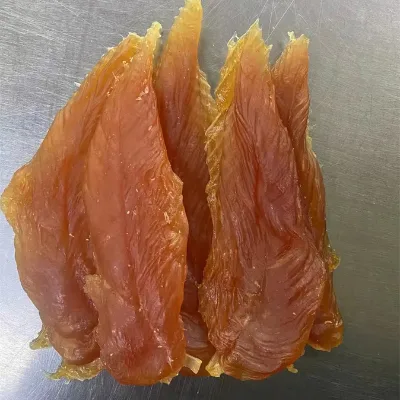
The procurement of protein-rich chicken breast dog snacks requires a precise understanding of the distinct product categories available in the global market. Based on current industry observations, these products generally fall into two primary classifications: processed treats like "Chicken & Biscuits" and whole-muscle or strip-style treats such as "Chicken Breast Tenders" and "Chicken Jerky." The technical differentiation between these categories is significant and directly impacts the nutritional profile, texture, and suitability for specific pet life stages.
For buyers seeking high-protein options, the distinction between a biscuit-based snack and a jerky or tender is critical. Biscuit-style products, such as the "Chicken & Biscuits" variant, typically feature a balanced formulation where protein is a key component but integrated with other ingredients to create a dry, crunchy texture. In contrast, chicken breast tenders and jerky products are characterized by significantly higher protein concentrations derived directly from the muscle tissue. Market data indicates that chicken breast tenders can achieve crude protein levels of 77% minimum, while chicken jerky variants often range between 60% and 70% minimum crude protein. This variance is a primary technical specification that buyers must verify against their specific nutritional requirements.
Moisture content is another pivotal technical specification that defines the shelf life and texture of the product. Dry treats, including the "Chicken & Biscuits" category, generally exhibit a moisture maximum of 10%, ensuring a long shelf life of up to 18 months. Conversely, jerky and tender products may have slightly higher moisture tolerances, with observed maximums ranging from 4.5% to 12% depending on the processing method and desired chewiness. The crude fat content also varies; while biscuit products may contain around 5% minimum fat, lean jerky options can be formulated with fat levels as low as 0.2% to 1%. These numerical ranges are not universal but represent observed specifications that buyers should expect to find in high-quality listings.
Compliance Verification and Standardization Protocols
When sourcing protein-rich chicken snacks, verifying compliance with regional and international standards is essential to ensure product safety and marketability. The term "All Natural" is frequently observed as a product feature, yet this label requires rigorous verification. Buyers must confirm that the supplier provides documentation supporting the absence of artificial preservatives, colors, or flavors, as the definition of "natural" can vary by jurisdiction. Furthermore, the "Customization" attribute is a common offering in this sector, allowing buyers to tailor specifications such as flavor profiles, packaging sizes, and ingredient ratios. However, customization capabilities do not automatically imply compliance with all regulatory standards; the final product must still meet the safety requirements of the destination market.
Product standards often reference specific weights or packaging configurations rather than a single universal safety code. For instance, standard packaging units observed in the market include 180g/bag, 226g, 453g, and 907g formats. These standard weights serve as a baseline for production but must be aligned with local labeling laws. Buyers should also investigate the origin of the raw materials. Sourcing from regions such as Zhejiang, Fujian, Ningbo, and Yantai in China is common, but the specific origin impacts the traceability and potential regulatory hurdles. For example, products originating from Yantai may have different export clearance requirements compared to those from Ningbo.
Certification status is a critical area where buyers must exercise caution. While many suppliers claim adherence to quality standards, specific certification names (such as ISO, HACCP, or BRC) should not be assumed without explicit documentation. The presence of a product model number, such as DSPI102, DSPI105, or DSPS021, indicates a standardized production line, but it does not inherently verify that the batch has passed third-party testing. Buyers must request current test reports that verify the crude protein, crude fat, crude fiber, and moisture levels match the claimed specifications. For instance, a product claiming a 77% minimum crude protein must be supported by a laboratory analysis confirming this value, rather than relying on the supplier's marketing description.
Cost Drivers and Pricing Dynamics in the Supply Chain
The pricing structure for protein-rich chicken breast dog snacks is influenced by several dynamic factors, including raw material costs, processing complexity, and packaging requirements. The observed price range for these products in the market spans from $0.02 to $15 USD, a wide variance that reflects differences in product type, quality, and order volume. Lower-priced items typically correspond to bulk dry biscuits or smaller packaging units, while higher-priced items often represent premium jerky or tender products with higher protein concentrations and specialized packaging.
Minimum Order Quantity (MOQ) is a significant cost driver in this sector. The observed MOQ range is substantial, varying from 200 units to over 10,000 units. This high variability suggests that suppliers have different production capacities and inventory strategies. Buyers with smaller order volumes may face higher per-unit costs or may need to negotiate with suppliers who have lower MOQ thresholds. Conversely, larger orders can leverage economies of scale, potentially reducing the unit price. However, buyers must balance the cost savings of large orders against the risks of inventory holding and potential obsolescence.
Packaging specifications also play a role in the final cost. Customized packaging, such as specific bag sizes or shapes, often incurs additional setup fees and higher per-unit costs compared to standard packaging. For example, a standard 180g/bag configuration may be more cost-effective than a custom-sized pouch designed for retail display. Additionally, the physical dimensions of the packaging, such as 6.22 x 4.92 x 4.84 inches or 9.53 x 7.2 x 2.36 inches, affect shipping costs. Buyers should calculate the total landed cost, including freight, by considering the volume and weight of the packaging. Sea freight is a common shipping method for these products, but the specific logistics arrangement can significantly impact the overall budget.
Typical Applications and Target Market Segmentation
The application of protein-rich chicken breast dog snacks is diverse, catering to various pet life stages and dietary needs. The market data indicates that these products are suitable for both puppy pets and adult pets, making them versatile options for a broad consumer base. The high protein content, particularly in chicken breast tenders and jerky, makes these snacks ideal for active dogs, growing puppies, and pets requiring muscle maintenance. The "Protein-Rich" feature is a key selling point for owners seeking to supplement their pet's diet with high-quality animal protein.
Flavor profiles also dictate the target application. Chicken is the dominant flavor observed, with beef options available as an alternative. The "Chicken & Biscuits" product, with its dry texture and moderate protein content, is often used as a daily treat or training reward. In contrast, the "Chicken Breast Tenders" and "Chicken Jerky" products, with their higher protein and lower fat content, are often marketed as premium treats for dogs with specific dietary restrictions or for owners seeking a healthier alternative to traditional high-fat treats. The "All Natural" feature further enhances the appeal to health-conscious pet owners who prioritize clean labels.
The shelf life of the product is another factor influencing its application. With a shelf life of up to 18 months for dry biscuits, these products are well-suited for long-term storage and distribution to retail chains. Jerky products, with their varying moisture levels, may have slightly different storage requirements but generally offer a comparable shelf life. Buyers should consider the intended distribution channel when selecting a product type. Retailers may prefer longer shelf-life products to minimize waste, while direct-to-consumer brands might prioritize freshness and texture over extended shelf life.
Supplier Evaluation and Quality Control Measures
Evaluating suppliers for protein-rich chicken dog snacks requires a multi-faceted approach that goes beyond basic product specifications. Buyers should assess the supplier's ability to provide consistent quality across batches, particularly given the high variability in observed crude protein and moisture levels. A reliable supplier should be able to demonstrate a robust quality control system that includes regular testing of raw materials and finished goods. The presence of specific product models, such as AR019 or LYMPF1014, suggests a standardized production process, but buyers must verify that these models are consistently produced to the same specifications.
Customization capabilities are a key differentiator among suppliers. The ability to offer customized flavors, packaging, and formulations allows buyers to differentiate their products in a competitive market. However, customization should not come at the expense of quality. Buyers must ensure that the supplier has the technical expertise to maintain product integrity during the customization process. For example, altering the moisture content in a jerky product to achieve a specific texture must not compromise the safety or nutritional value of the final product.
Quality control measures should also include verification of the supply chain. Buyers should request information about the origin of the chicken breast used in the products. Sourcing from reputable regions like Zhejiang, Fujian, Ningbo, and Yantai is common, but the specific farm or processing facility should be transparent. Traceability is crucial for ensuring that the product meets safety standards and for managing any potential recalls. Additionally, buyers should verify the supplier's capacity to handle large order volumes, given the high MOQs observed in the market. A supplier with limited production capacity may struggle to meet demand during peak seasons.
Long-Term Procurement Considerations and Strategic Planning
Sourcing protein-rich chicken breast dog snacks is not a one-time transaction but a strategic partnership that requires long-term planning. Buyers should consider the stability of the supply chain and the potential for future growth. The observed MOQ range of 200 to over 10,000 units suggests that suppliers are capable of scaling production, but buyers must ensure that the supplier can maintain quality and consistency as order volumes increase. Long-term contracts can provide stability and potentially better pricing, but they should be structured with flexibility to accommodate market changes.
Sustainability and ethical sourcing are increasingly important considerations for modern buyers. While specific certification data is not provided in the current context, buyers should inquire about the supplier's practices regarding animal welfare, environmental impact, and waste management. The "All Natural" feature implies a commitment to clean ingredients, but buyers should verify that the supplier's practices align with their own sustainability goals. Additionally, the packaging materials used should be evaluated for their environmental impact, with a preference for recyclable or biodegradable options.
Finally, buyers should plan for potential market fluctuations. The price range of $0.02 to $15 USD indicates that the market is sensitive to various factors, including raw material costs and logistics. Buyers should develop a risk management strategy that includes diversifying suppliers and maintaining a buffer stock to mitigate supply chain disruptions. Regular communication with suppliers and ongoing performance monitoring are essential to ensure that the procurement strategy remains effective and aligned with business objectives. By focusing on these long-term considerations, buyers can build a resilient and sustainable supply chain for protein-rich chicken breast dog snacks.
FAQs
What is the minimum crude protein content for chicken breast tenders?
Chicken breast tenders have a minimum crude protein content of 77%. This high level is observed in specific models like DSPI105, distinguishing them from lower protein biscuit options.
How long is the shelf life for dry chicken and biscuit treats?
Dry chicken and biscuit treats have a shelf life of 18 months. This extended duration is supported by a maximum moisture content of 10%, ensuring product stability during storage.
Which customization options are available for these dog snacks?
Customization is available for flavor, packaging, and ingredient ratios. Buyers can tailor specifications such as the 180g bag size or specific product models to meet unique market requirements.
Can these snacks be suitable for both puppies and adult dogs?
Yes, these snacks are suitable for both puppy and adult pets. The formulation supports various life stages, with options ranging from protein-rich biscuits to lean jerky treats.
What is the typical minimum order quantity for these products?
The minimum order quantity ranges from 200 to over 10,000 units. This wide range allows buyers to select suppliers based on their specific volume needs and production capacity.
Where are these chicken breast dog treats typically manufactured?
Products originate from regions including Zhejiang, Fujian, Ningbo, and Yantai. These locations are common sourcing hubs, though specific factory details require direct supplier verification.