Find Compare Source Proximity Vibration Standard Mount Probe for Industrial Monitoring
Source 30 units of Proximity Vibration Standard Mount Probe designed for industrial monitoring, engine protection, and turbine diagnostics. Buyers can compare specifications, certifications, and pricing to select the right high voltage proximity probe for their machinery needs.
Key considerations
Products List

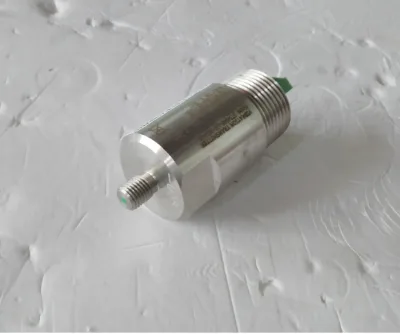


$3500.00 - $5000.00
MOQ: 1 Pieces


Comprehensive Sourcing Guide
Strategic Sourcing Guide for High-Voltage Proximity Vibration Probes
Understanding the Technical Landscape of Proximity Probes
When sourcing a Proximity Vibration Standard Mount Probe, buyers must first navigate the specific technical attributes that define the device's operational capabilities. The core keyword suggests a focus on industrial-grade sensors designed for monitoring shaft vibration and position in rotating machinery. Based on available market data, these devices often operate as high-voltage proximity probes, utilizing specific power requirements such as AC220V±22V to function correctly within industrial environments. The measuring medium for these sensors is explicitly temperature, indicating their role in monitoring thermal conditions alongside mechanical vibration in critical assets.
The physical construction of these probes varies significantly across different models. Buyers will encounter products labeled with specific model identifiers such as HL, RH505, RH605, RH560, and RH712. These model numbers often correlate with distinct output signal types, which in some observed cases are digital outputs, while others may rely on analog principles depending on the specific application. The type of sensor technology employed is frequently piezoelectric, a choice that offers high sensitivity and durability for measuring shaft quantities, which can range from single shaft monitoring to systems designed for three shafts. The accuracy grade of these instruments is a critical metric, with some units achieving a precision level of 0.1g, ensuring that minute deviations in vibration are captured accurately for predictive maintenance programs.
The environmental robustness of the probe is another paramount consideration. Many units in this category are engineered with an IP67 rating, signifying that they are dust-tight and capable of withstanding temporary immersion in water. This level of protection is essential for probes installed in harsh industrial settings where exposure to coolant, oil mist, or washdown processes is common. The installation mode is typically handheld or fixed, depending on the specific application requirements, with some models designed for single-cylinder structures or specific mounting configurations. The weight of these units is generally compact, with observed specifications indicating a mass of approximately 0.5 kg, facilitating easier handling during installation and maintenance procedures.
Compliance, Certification, and Regulatory Standards
Navigating the compliance landscape is a critical step in the procurement process for proximity vibration probes. Buyers must verify that the equipment meets the necessary safety and environmental standards for their specific region and industry. The market data indicates that products in this category often carry CE certification, a mandatory conformity mark for products sold within the European Economic Area. Additionally, some units are certified under RoHS (Restriction of Hazardous Substances), ensuring that the manufacturing process adheres to environmental guidelines regarding the use of specific hazardous materials.
Beyond the product-level certifications, buyers should be aware of broader industry standards that may apply to the system integration. While specific test reports for machinery are not always available for every listed item, the underlying design principles often align with standards such as IEC60335 for safety of household and similar electrical appliances, or IEC 61508 for functional safety of electrical/electronic/programmable electronic safety-related systems. It is important to note that while these standards are relevant to the industry, the availability of a specific machinery test report for a given unit is not guaranteed and should be verified on a case-by-case basis.
The origin of the product plays a significant role in compliance verification. Supply chains for these probes often originate from manufacturing hubs in China, specifically regions like Hebei and Guang Dong, as well as America. The "Made in" label must be clearly distinguished from the brand name, which may be listed as Metrix or other proprietary identifiers. Buyers should ensure that the documentation provided by the supplier explicitly states the place of origin to avoid confusion regarding regulatory compliance, particularly when importing goods across international borders. The standard packaging or customized packaging options must also align with the shipping regulations of the destination country to prevent damage during transit.
Cost Drivers and Pricing Dynamics
The pricing structure for proximity vibration probes is influenced by a complex interplay of factors, including the specific model, customization level, and the complexity of the output signal. The observed price range in the market is exceptionally broad, spanning from 0.07 USD to 5000 USD. This wide variance suggests that the market includes both low-cost generic components and high-end, specialized industrial systems. The lower end of the spectrum may represent basic accessories or simplified sensor units, while the upper end likely encompasses complete systems with advanced digital output capabilities, ruggedized housings, and proprietary calibration.
A primary cost driver is the level of customization. While some products are listed as "Non-Customized" with standard packaging, others offer "Customized" options. Customization can significantly impact the final price, as it involves additional engineering, tooling, and production time. The standard packaging is typically a carton box or a specialized suitcase, but customized packaging solutions may be required for specific logistical needs. The brand name, such as Metrix, can also influence pricing, as established brands often command a premium for their reputation for reliability and after-sales support.
The minimum order quantity (MOQ) is another critical factor affecting the total cost of ownership. The observed MOQ range is between 1 and 1000 units. For small-scale projects or pilot installations, buyers can procure single items, but larger industrial deployments may require bulk purchasing to achieve economies of scale. The selling units are typically listed as single items, but bulk discounts may be available depending on the supplier's policy. Buyers should carefully evaluate the total cost, including shipping and potential tariffs, which can vary based on the product's origin, whether it is Hebei, Guang Dong, or America.
Typical Applications and Operational Context
Proximity vibration probes are indispensable in various industrial sectors where the monitoring of rotating machinery is critical for safety and efficiency. The primary application for these devices is industrial protection, where they serve as a frontline defense against equipment failure. By monitoring the vibration and position of shafts, these probes can detect anomalies such as misalignment, imbalance, or bearing wear before they lead to catastrophic breakdowns. The function of the probe is explicitly listed as "Protection," highlighting its role in preventing unplanned downtime and ensuring the longevity of expensive machinery.
The specific applications often involve automotive and heavy machinery sectors. For instance, some probes are designed with specific compatibility for vehicle components, such as the Audi car make, indicating their use in automotive testing or manufacturing lines. The spring type, such as air springs, and the damping force direction, which can be bidirectional, suggest applications in suspension systems or vibration isolation setups. The position of the component, such as the front of a vehicle or machine, is also a key specification that must be matched to the application requirements.
In power generation and petrochemical industries, these probes are used to monitor the health of turbines, compressors, and pumps. The ability to measure temperature and shaft quantities makes them versatile for a wide range of rotating equipment. The installation mode, whether handheld for temporary testing or fixed for permanent monitoring, dictates the specific use case. For permanent installations, the probe must be securely mounted to withstand the continuous vibration of the machinery, while handheld units are used for periodic inspections and troubleshooting.
Supplier Evaluation and Verification Protocols
Selecting the right supplier for proximity vibration probes requires a rigorous evaluation process that goes beyond simple price comparison. Buyers should prioritize suppliers who can provide clear documentation regarding the product's origin, certification status, and technical specifications. The presence of a brand name like Metrix is a positive indicator, but it must be verified against the actual manufacturer to ensure authenticity. Suppliers should be transparent about the place of origin, whether it is Hebei, Guang Dong, or America, as this impacts shipping costs and lead times.
One of the most critical aspects of supplier evaluation is the availability of test data and quality assurance documentation. While machinery test reports are listed as "Not Available" for some products, buyers should still request any available quality control records or calibration certificates. The warranty status is another key factor; if the warranty is listed as "Unavailable," buyers must assess the risk of equipment failure and the potential cost of replacement. A supplier that offers a robust warranty or a clear return policy demonstrates confidence in their product quality.
The core components of the probe are also a point of scrutiny. If the core components are listed as "other," buyers should request a detailed breakdown of the internal parts to ensure they meet the required performance standards. The IP rating, such as IP67, should be verified through independent testing if possible, as this rating is crucial for the probe's durability in harsh environments. Additionally, the supplier's ability to provide customized packaging or solutions should be evaluated, as this can be a significant differentiator in meeting specific logistical or operational needs.
Quality Control and Long-Term Procurement Considerations
Ensuring the quality of proximity vibration probes is essential for maintaining the integrity of industrial monitoring systems. Buyers should implement a quality control strategy that includes incoming inspection, functional testing, and long-term performance monitoring. The accuracy grade of 0.1g is a specific claim that must be validated through testing, especially if the application requires high precision. The weight of the unit, typically around 0.5 kg, should also be verified to ensure it matches the specifications provided by the supplier.
Long-term procurement considerations involve building a sustainable relationship with suppliers who can provide consistent quality and support. The warranty and after-sales service are critical components of this relationship. If the warranty is unavailable, buyers should consider the total cost of ownership, including the potential for frequent replacements and the impact of downtime on operations. The availability of spare parts and the lead time for reordering should also be factored into the procurement strategy.
The standard of the product, such as S/R/B/W or 188g, should be clearly defined in the procurement contract to avoid ambiguity. Buyers should also consider the environmental impact of the product, ensuring that it complies with RoHS and other environmental standards. The packaging, whether standard or customized, should be designed to protect the probe during transit and storage, minimizing the risk of damage before installation.
Conclusion and Strategic Recommendations
Sourcing a Proximity Vibration Standard Mount Probe requires a balanced approach that considers technical specifications, compliance, cost, and supplier reliability. The market offers a wide range of options, from basic single-item units to complex, customized systems. Buyers must carefully evaluate the specific needs of their application, such as the required IP rating, output signal type, and accuracy grade, to select the most appropriate product.
The broad price range and varying MOQs mean that buyers should conduct a thorough cost-benefit analysis before making a purchase. While the observed price range is extensive, the value of the product should be judged based on its performance, durability, and the support provided by the supplier. Compliance with standards such as CE and RoHS is non-negotiable for many applications, and buyers should verify these certifications before finalizing any transaction.
Ultimately, the success of a procurement strategy for proximity vibration probes depends on the ability to identify suppliers who can deliver high-quality, reliable products that meet the specific demands of the industrial environment. By focusing on technical accuracy, regulatory compliance, and long-term supplier relationships, buyers can ensure the effective monitoring and protection of their critical machinery assets.
FAQs
What power source does the Proximity Vibration Standard Mount Probe use?
The probe operates on an AC220V±22V power source. This specific voltage requirement ensures stable functionality within industrial environments where these sensors are commonly deployed for monitoring rotating machinery.
Which certifications are available for these proximity vibration probes?
Available certifications include CE and RoHS. These marks indicate compliance with European safety standards and restrictions on hazardous substances, which are critical for international procurement and regulatory adherence.
How is the measuring medium defined for this probe type?
The measuring medium is explicitly defined as temperature. This attribute indicates the device's capability to monitor thermal conditions alongside mechanical vibration in critical industrial assets for predictive maintenance.
Can the product be customized for specific packaging needs?
Customization is available for packaging options such as standard packaging or customized solutions. Buyers can also select specific packing types like suitcases or carton boxes depending on their logistical requirements.
What is the IP rating for the high voltage proximity probe?
The probe features an IP67 rating. This level of protection ensures the device is dust-tight and capable of withstanding temporary immersion in water, making it suitable for harsh industrial settings.
Which models are listed for the high voltage proximity probe?
Listed models include HL, RH505, RH605, RH560, and RH712. These identifiers correlate with distinct output signal types and specific application requirements for monitoring shaft quantities in various industrial sectors.
Where is the origin of the Proximity Vibration Standard Mount Probe?
The product origin is listed as Hebei China, Guang Dong China, or America. Buyers must verify the specific place of origin on the product documentation to ensure accurate compliance and shipping logistics.
What is the accuracy grade for the measuring shaft quantities?
The accuracy grade is specified as 0.1g. This precision level ensures that minute deviations in vibration are captured accurately, which is essential for reliable predictive maintenance programs in industrial applications.