Source PSA Adult Hypoxia Simulator for Training Fitness Athletics
Find 30 PSA Adult Hypoxia Simulator units from Chinese manufacturers for training, fitness, and athletics. Compare specifications including flow rates, oxygen purity, and certifications like CE and ISO to select the right equipment for altitude simulation needs.
Key considerations
Products List
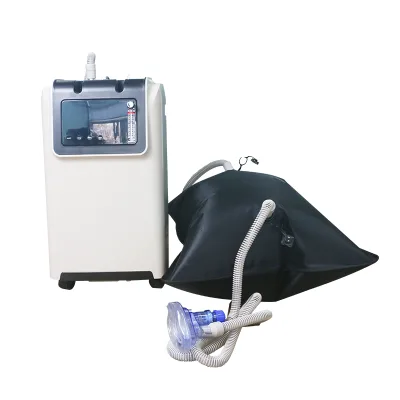

9% Hypoxia Simulation Equipment Hypoxia Simulator Plateau Simulation Machine
$630.00 - $690.00
MOQ: 1 Pieces

9%-20.9% Hypoxia Simulating Equipment Hypoxia Plateau Simulation Machine
$630.00 - $690.00
MOQ: 1 Pieces


9%-20.9% Hypoxia Simulation Equipment Hypoxia Simulator Plateau Simulation Machine
$630.00 - $690.00
MOQ: 1 Pieces


Hypoxia Generator Hypoxic Generator Simulated Altitude 100lpm Hipoxia Altitude
$630.00 - $690.00
MOQ: 1 Pieces


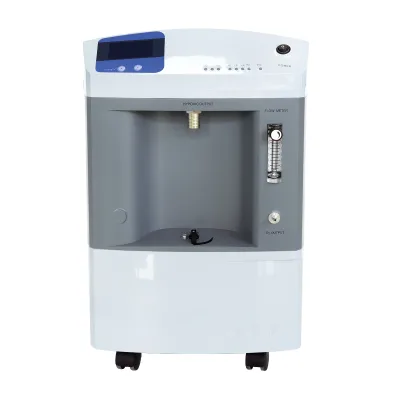
Hypoxic Generator Altitude Hypoxia Generator 100lpm Hipoxia Altitud Hipoxia
$500.00 - $700.00
MOQ: 1 Minimum
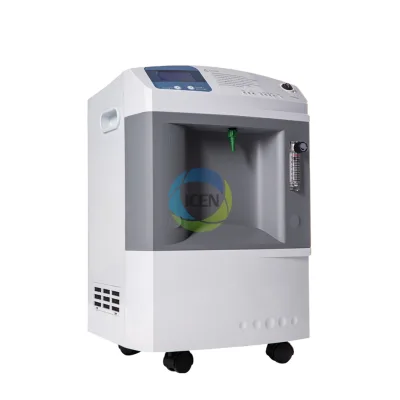
9% to 20% Hypoxic Generator 120l for Simulated High Altitude Training Hypoxia
$505.44 - $1010.88
MOQ: 1 Minimum


Individual Hypoxic Training Machine Hypoxic Altitude Generator Low Purity Oxygen Device
$870.00 - $950.00
MOQ: 2 Pieces


5L Psa Oxygen Concentrator 14.4kg Oxygen Device for Home Hypoxia Therapy
$245.00 - $270.00
MOQ: 2 Pieces

Plateau Use Oxygen Concentrator Outdoor Elderly Hypoxia Oxygen Equipment Apoc-5
$780.00 - $850.00
MOQ: 1 Sets


Comprehensive Sourcing Guide
Strategic Sourcing Guide for PSA Adult Hypoxia Simulators
Procuring a PSA (Pressure Swing Adsorption) adult hypoxia simulator requires a disciplined approach that balances technical performance with regulatory compliance. These devices are critical for altitude training, allowing athletes and medical professionals to simulate high-altitude conditions by manipulating oxygen concentration. The core technology relies on PSA, which separates nitrogen from ambient air to produce a controlled hypoxic environment. Buyers must navigate a complex landscape of specifications, certifications, and supply chain variables to ensure the selected equipment meets rigorous operational standards. This guide outlines the essential factors for evaluating potential suppliers and products in this specialized category.
Technical Architecture and Performance Specifications
The fundamental operation of a hypoxia simulator centers on the PSA technology, which utilizes zeolite molecular sieves to adsorb nitrogen while allowing oxygen to pass through. For adult applications, the system must deliver precise flow rates and purity levels to ensure safety and efficacy. Based on observed market data, the hypoxic flow rate for robust units typically ranges between 80 and 100 liters per minute (L/min). This capacity is essential for covering the respiratory needs of multiple users or larger training chambers. Conversely, the high-purity oxygen output, often required for backup or specific therapeutic protocols, generally operates within a range of 1 to 10 L/min.
Purity control is the most critical technical metric. The hypoxic purity generated by these units is often adjustable, with observed ranges spanning from 9% to 20.9% oxygen concentration. Some advanced models specify a narrower band, such as 9% to 12% for specific altitude simulations, while others maintain a high oxygen purity of approximately 93% at a flow of 10 liters per minute. The simulated altitude capability is another key performance indicator, with units capable of replicating conditions from sea level up to 6,500 meters. The outlet pressure for the gas delivery system is typically maintained between 0.04 and 0.07 MPa (6-10 Psi), ensuring consistent flow without excessive pressure that could compromise the integrity of the training environment.
Power consumption is a significant operational consideration. Units generally operate on a dual-voltage system compatible with 110V, 220V, or 230V inputs, with power consumption figures observed between 550W and 580W. The physical footprint of the equipment varies, with dimensions often cited around 330mm x 320mm x 620mm or 365mm x 375mm x 600mm. Weight is another logistical factor; net weights may range from 19.2 kg to 27 kg, while single gross weights for shipping can reach 23 kg. The inclusion of an LCD display is standard for monitoring real-time oxygen concentration, flow rates, and altitude settings, providing the user interface necessary for precise control during training sessions.
Regulatory Compliance and Certification Verification
In the medical and sports equipment sectors, certification is not merely a formality but a prerequisite for market entry and liability protection. Buyers must verify that the supplier holds valid certifications from recognized bodies. Commonly observed certifications for these devices include CE and ISO standards. Specific listings may reference ISOCE or combinations such as CE and RoHS, indicating compliance with European safety directives and restrictions on hazardous substances. The instrument classification is typically designated as Class II, which implies a moderate level of risk and requires specific regulatory oversight regarding design and manufacturing controls.
When evaluating a supplier, the buyer should request copies of the actual certificates rather than relying on marketing claims. The certification status must be current and applicable to the specific model number being purchased. For instance, a model designated as JAY-10H or YS-800H must have documentation that explicitly links the certification to that specific configuration. Additionally, the "Theory" of operation, often listed as PSA, should be supported by technical documentation that aligns with the certified design. It is vital to ensure that the "Scale" of the device, whether labeled as Medium or Small, aligns with the intended application and that the "Sports Type" compatibility (e.g., Athletics, Ball, Gymnastics) is documented in the compliance files.
Cost Drivers and Pricing Structure Analysis
The pricing for PSA adult hypoxia simulators exhibits significant variance, reflecting differences in build quality, technology, and brand positioning. Observed market data indicates a price range spanning from 1 USD to 19,200 USD. This wide spectrum suggests that the lowest price points may correspond to basic components or entry-level configurations, while the upper end likely encompasses fully integrated systems with advanced features, larger capacities, or premium branding such as Hacenor. Buyers should be cautious of prices that seem anomalously low, as they may indicate compromised quality or incomplete specifications.
Several factors drive the final cost. The "Customized" nature of the product is a primary variable; units offering OEM services or specific customization options will naturally command a higher price than standard off-the-shelf models. The "After-sale Service" package, particularly the provision of "Free Spare Parts," adds value and should be factored into the total cost of ownership. Furthermore, the "Warranty" period, observed at 15 or 18 months, influences the price; longer warranty terms often correlate with higher initial costs but reduce long-term risk. The "Selling Units" configuration, typically sold as a single item, also affects the pricing structure, as bulk discounts may not apply unless explicitly negotiated.
Operational Applications and User Suitability
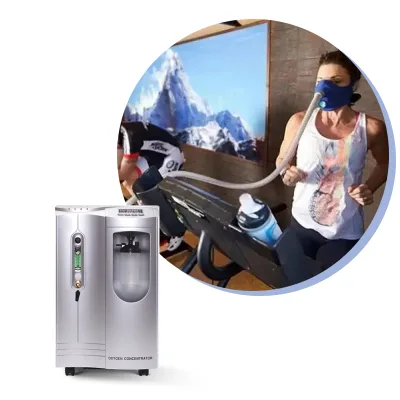
The primary application for these devices is simulated altitude training, designed to enhance athletic performance by stimulating erythropoiesis (red blood cell production). The "Function" is explicitly listed as Simulated Altitude Training, making these units suitable for professional sports teams, fitness centers, and rehabilitation facilities. The "Group" designation of "Adult" confirms that the physiological parameters are calibrated for mature users, distinguishing them from pediatric or general-purpose air purification units.
The versatility of the equipment allows for use across various "Sports Type" categories, including Athletics, Ball sports, Gymnastics, and National Traditional Sports. This broad applicability makes the device a valuable asset for multi-sport training centers. The "Usage" is defined as Training and Fitness, indicating that the device is intended for active physiological adaptation rather than passive therapy alone. The "Sound Level" of 50dB or a "Low" noise rating is crucial for maintaining a quiet training environment, ensuring that the device does not disrupt communication or concentration during sessions. The ability to simulate altitudes up to 6,500 meters provides a wide range of training intensities, from mild acclimatization to extreme altitude preparation.
Supplier Evaluation and Manufacturing Capabilities
When selecting a supplier, the "Place of Origin" is a critical data point. Observed manufacturing locations include Shandong, China, and Hebei, China. These regions are known for their industrial manufacturing capabilities, but buyers should verify the specific factory's capacity and history. The "Brand Name" Hacenor is one example of a manufacturer in this space, but buyers should not limit their search to a single brand. Instead, they should evaluate the supplier's ability to provide "Service" such as OEM and their track record with "Customization."
The "Scale" of the supplier's operation, whether they produce "Medium" or "Small" scale units, can indicate their flexibility. Smaller scale operations might offer more personalized service, while larger ones may have more robust quality control systems. The "Single package size" of 44.5 x 39 x 75.5 cm and the "prod_packing" method (Carton Case) are important for logistics planning. Buyers should also inquire about the "Standard" dimensions, such as 365x375x600mm, to ensure compatibility with their facility's layout. The "ABS casting" mentioned in some specifications suggests a durable housing material, which is essential for equipment subjected to frequent use.
Quality Control and Long-Term Procurement Strategy
Quality control in the production of hypoxia simulators must be rigorous, given the life-critical nature of oxygen delivery systems. The "Certificate" status, such as CE&ISO, serves as a baseline, but buyers should also look for internal quality management processes. The "Warranty" period, typically 15 to 18 months, is a key indicator of the manufacturer's confidence in their product. A robust warranty should cover the core components, including the PSA generator and the control electronics.
Long-term procurement considerations extend beyond the initial purchase price. The availability of "Free Spare Parts" is a significant advantage, reducing the total cost of ownership. Buyers should also verify the "After-sale Service" capabilities, including technical support and repair turnaround times. The "Input power" and "Power Consumption" figures should be monitored to ensure energy efficiency over the device's lifespan. Additionally, the "Outlet Pressure" stability and "Hypoxic Flow" consistency are metrics that should be tested during the acceptance phase to ensure the device performs as advertised.
| Feature Category | Observed Specification Range | Verification Requirement |
|---|---|---|
| Hypoxic Flow Rate | 80~100 L/min | Verify actual flow at max altitude setting |
| Oxygen Purity | 9%~12% (Hypoxic) / 93% (High) | Confirm with independent gas analyzer |
| Simulated Altitude | 0-6500m | Test altitude accuracy at 3000m and 6000m |
| Power Input | 110V/220V/230V | Ensure compatibility with local grid |
| Noise Level | 50dB / Low | Measure decibel level in operational mode |
| Warranty | 15-18 Months | Confirm coverage of specific components |
| Certification | CE, ISO, RoHS | Request valid certificate copies |
| Dimensions | 330x320x620mm / 365x375x600mm | Verify physical fit in intended space |
Conclusion
Sourcing a PSA Adult Hypoxia Simulator involves a careful synthesis of technical, regulatory, and logistical factors. The technology offers significant benefits for altitude training, but the variability in specifications and pricing requires a vigilant procurement strategy. Buyers must prioritize devices with verified certifications, clear performance metrics, and robust after-sales support. By focusing on the core attributes such as flow rate, purity, and altitude range, and by rigorously evaluating the supplier's manufacturing capabilities and warranty terms, organizations can secure equipment that delivers reliable performance and long-term value. The decision should be driven by data and verified facts rather than marketing claims, ensuring that the investment aligns with the specific needs of the training program.
FAQs
What certifications do PSA adult hypoxia simulators typically hold?
These devices typically hold CE and ISO certifications, with some models also listing RoHS compliance. Buyers must verify that the specific model number, such as JAY-10H or YS-800H, has valid documentation linking the certification to that configuration before purchase.
How is the hypoxic flow rate defined for these units?
The hypoxic flow rate for robust units typically ranges between 80 and 100 liters per minute. This capacity is essential for covering the respiratory needs of multiple users or larger training chambers during simulated altitude sessions.
Can the oxygen purity be adjusted for different training needs?
Yes, the hypoxic purity is often adjustable, with observed ranges spanning from 9% to 20.9% oxygen concentration. Some advanced models specify a narrower band, such as 9% to 12%, to simulate specific altitude conditions accurately.
What is the power consumption and voltage requirement for operation?
Units generally operate on a dual-voltage system compatible with 110V, 220V, or 230V inputs. Power consumption figures are observed between 550W and 580W, which is a significant operational consideration for facility planning.
Which warranty periods are standard for these medical devices?
The warranty period is typically 15 to 18 months, serving as a key indicator of manufacturer confidence. A robust warranty should cover core components like the PSA generator and control electronics to reduce long-term risk.
How does the PSA technology function in altitude training?
The PSA technology utilizes zeolite molecular sieves to adsorb nitrogen while allowing oxygen to pass through. This process separates gases to produce a controlled hypoxic environment suitable for professional sports teams and fitness centers.
What dimensions and weight should be expected for shipping?
Physical dimensions often cite around 330mm x 320mm x 620mm or 365mm x 375mm x 600mm. Net weights may range from 19.2 kg to 27 kg, while single gross weights for shipping can reach 23 kg.