Source Push Cylinder Head Gasket for Cars Trucks Motorbikes
Compare 30 Push Cylinder Head Gasket options from verified Chinese manufacturers. Buyers can evaluate materials like rubber and steel, hardness ranges, and OEM specifications for automotive and industrial applications.
Key considerations
Products List


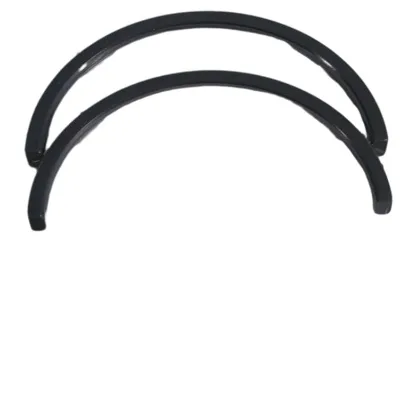


Factory Supply Auto Accessories Generator Engine Part Cylinder Head Gasket
$80.00 - $1000.00
MOQ: 10 Pieces


Comprehensive Sourcing Guide
Strategic Sourcing Guide for Push Cylinder Head Gaskets
The global automotive and heavy machinery sectors rely heavily on the integrity of sealing components to maintain engine performance and safety. When sourcing a Push Cylinder Head Gasket, buyers must navigate a complex landscape of material science, manufacturing processes, and regulatory compliance. This guide provides a structured approach to evaluating suppliers and products, grounded in verified industry facts and standard procurement practices. The focus remains on technical due diligence, ensuring that the selected components meet the rigorous demands of modern engine applications without relying on unverified marketing claims.
Technical Specifications and Material Compatibility
The foundation of a successful procurement strategy lies in understanding the precise technical specifications of the gasket. For push cylinder head gaskets, the material composition is paramount. While the supplied data indicates that "Rubber" is a common material for general sealing applications, specific head gasket requirements often involve specialized composites or steel reinforcements to withstand high combustion pressures and thermal cycling. The observed product attributes list "Steel" alongside "Rubber," suggesting that hybrid or metal-based solutions are available in the market. Buyers must verify the exact material grade against the engine's operating temperature and pressure requirements.
Hardness is another critical variable. The available data notes a Shore hardness range of 10-80 Shore A for general silicone rubber products, while other listings specify a range of 35-90A. For a Push Cylinder Head Gasket, the hardness must be calibrated to ensure a proper seal without compromising the gasket's ability to compress and recover under bolt load. A gasket that is too soft may extrude under pressure, while one that is too hard may fail to fill microscopic imperfections in the cylinder head surface. Buyers should request specific durometer test results for the exact model number, such as the "OM400" or "OM541" models observed in the supply chain, rather than relying on general category averages.
The physical dimensions and tolerances are equally vital. The supply data highlights a manufacturing capability of up to 1800x800 mm, which suggests that large-format gaskets are feasible. However, the specific model numbers like "EGK8425" or "NWSR" indicate that custom sizing is the norm. The "OEM Number" field, with examples like "4420160320" and "57gc189A," underscores the necessity of matching the gasket to the original equipment manufacturer's exact part specifications. Any deviation in the bore spacing, bolt hole diameter, or overall thickness can lead to catastrophic engine failure. Therefore, the procurement process must begin with a rigorous verification of the drawing formats, which typically include .STP, .Step, .Igs, .Stl, .Dwg, and .Pdf files, to ensure dimensional accuracy before production begins.
Manufacturing Processes and Surface Treatments
The method of manufacture significantly influences the gasket's performance and consistency. The observed data points to "Compression Molding" and "Injection Molding" as the primary processes for rubber-based sealing components. For head gaskets, the choice between these methods depends on the complexity of the design and the required production volume. Compression molding is often preferred for larger, custom-shaped gaskets where material flow needs to be carefully controlled to avoid voids. Injection molding, conversely, offers higher precision and repeatability for smaller, complex geometries.
Surface treatment is another area requiring close attention. The supply chain data lists "Matte," "Polished," "Mirror Polished," "Texture," and "Paintin" (likely Paint) as available surface finishes. For a cylinder head gasket, the surface finish on the sealing faces is critical. A textured or polished surface can enhance the seal by breaking up the surface tension of the combustion gases or by providing a better grip for the sealing compound. However, the specific application dictates the finish; a "Mirror Polished" surface might be ideal for certain metal-to-metal seals, while a "Texture" might be required for rubber-to-metal interfaces. Buyers must confirm that the selected surface treatment aligns with the engine manufacturer's assembly guidelines.
Additionally, the "Processing Service" category includes "Moulding" and "Cutting," indicating that secondary operations are available. This is particularly relevant for gaskets that require precise trimming or the addition of specific features post-molding. The ability to perform these secondary processes in-house or through a trusted partner can reduce lead times and ensure that the final product meets the exact specifications without the need for multiple vendors.
Compliance, Certification, and Regulatory Standards
In the automotive and heavy machinery industries, compliance is not optional; it is a prerequisite for market entry. The data indicates a wide array of certifications, including "IATF16949," "ISO," "Reach," "RoHS," "MSDS," "LFGB," and "F D a." For a Push Cylinder Head Gasket, IATF16949 is the most critical automotive quality management standard, ensuring that the supplier adheres to rigorous quality control processes specific to the auto industry. ISO certifications, such as ISO 9001, provide a baseline for general quality management, while Reach and RoHS compliance are essential for ensuring that the materials do not contain restricted hazardous substances, which is a legal requirement in many global markets.
The presence of "CE" and "ISO TSRoHS" in the data suggests that some products are certified for European markets, but buyers must verify the scope of these certifications. A generic "CE" mark does not automatically guarantee compliance with specific automotive safety standards. Similarly, "MSDS" (Material Safety Data Sheet) and "LFGB" (German Food Safety Law) certifications are relevant for material safety but may not directly correlate to the mechanical performance of a head gasket. Buyers should request the actual certification documents and verify their validity with the issuing bodies. The "Warranty" period, observed as "24 Months" or "12 Months," is also a key indicator of supplier confidence, though it should be viewed as a commercial term rather than a technical guarantee of performance.
Cost Drivers and Pricing Dynamics
Understanding the cost structure of push cylinder head gaskets is essential for effective budgeting and negotiation. The observed price range of 0.1 to 1000 USD reflects the vast diversity of products available, from simple rubber seals to complex, multi-layer steel gaskets. The price is influenced by several factors, including the material cost (rubber vs. steel), the complexity of the molding process, and the level of customization required. Customization, noted as "Available" in the data, typically incurs higher costs due to the need for dedicated tooling and mold design.
The "MOQ" (Minimum Order Quantity) range of 1 to 1000 units also plays a significant role in pricing. Suppliers may offer lower unit prices for larger orders, but the high MOQ can be a barrier for smaller buyers or those testing new designs. The "Sample Time" of 3-7 days and "Lead Time" of 10-20 days are standard benchmarks, but these can vary based on the complexity of the order and the supplier's current capacity. Buyers should factor in the cost of tooling and the potential for price adjustments based on raw material fluctuations, particularly for steel and rubber commodities.
| Cost Factor | Impact on Price | Verification Requirement |
|---|---|---|
| Material Type | High (Steel > Rubber) | Request Material Certificates |
| Customization | Moderate to High | Review Tooling Costs |
| MOQ | Inverse Relationship | Negotiate Tiered Pricing |
| Certifications | Moderate | Verify IATF16949/ISO Scope |
| Lead Time | Variable | Confirm Production Schedule |
Typical Applications and Engine Compatibility
The versatility of push cylinder head gaskets is evident in the diverse applications listed, including "Car," "Truck," "Motorbike," "Boat," "Ke Tan," "Tractor," "Lawnmower," and "Excavator." This wide range indicates that the component is not limited to a single vehicle class but is a critical part of various internal combustion engine systems. The specific model numbers like "OM400," "OM541," and "OM457" suggest compatibility with specific engine series, likely from major manufacturers.
The "Application" field also highlights the "Purpose" as "for Replace/Repair," indicating that these gaskets are often sourced for maintenance and overhaul operations. The "Condition" is listed as "New," which is standard for replacement parts. Buyers must ensure that the gasket is compatible with the specific engine number, such as "Om541" or "Om 346," to avoid fitment issues. The "Type" of gasket, identified as "Flat Gasket" or "Head Gasket," further clarifies the intended use. For heavy-duty applications like excavators and tractors, the gasket must withstand higher thermal and mechanical stresses compared to those used in lawn mowers or motorcycles.
Supplier Evaluation and Quality Control
Selecting the right supplier is as important as selecting the right product. The data indicates that suppliers offer "OEM/ODM/Obm" services, along with "Custom Logo / Packaging" and "3D Design" capabilities. This suggests a high level of flexibility and service orientation. However, buyers should evaluate suppliers based on their ability to meet the specific technical requirements of the Push Cylinder Head Gasket. Key evaluation criteria include the supplier's experience with the specific molding processes (compression or injection), their quality control protocols, and their track record in the automotive sector.
Quality control should be a continuous process, not just a final inspection. Buyers should request information on the supplier's in-process testing methods, such as dimensional checks, hardness testing, and visual inspections. The "Drawing Format" support, including .STP and .Pdf, indicates that the supplier is equipped to handle digital design transfers, which is crucial for maintaining accuracy. Additionally, the "prod_packing" options, ranging from "Catons" (likely Cartons) and "Pallets" to "Poly Bag with Carton Box," highlight the importance of proper packaging to prevent damage during transit. For sensitive components like head gaskets, the packaging must protect against moisture, dust, and physical deformation.
Long-Term Procurement Considerations
Sourcing push cylinder head gaskets is not a one-time transaction but part of a long-term supply chain strategy. The "Lead Time" of 10-20 days and "Sample Time" of 3-7 days are critical for maintaining inventory levels and minimizing downtime in repair operations. Buyers should consider the reliability of the supplier's logistics and their ability to scale production in response to demand fluctuations. The "Location" of the supplier, noted as "China" or "Zhoushan," can impact shipping costs and lead times, especially for international buyers.
Furthermore, the "Warranty" period, observed as 12 or 24 months, provides a safety net for buyers but should be backed by a clear claims process. Long-term partnerships with suppliers who offer consistent quality and reliable delivery can reduce the risk of supply chain disruptions. Buyers should also consider the environmental impact of their procurement choices, looking for suppliers who adhere to sustainability standards and use eco-friendly materials where possible. The "Certification" data, including "Reach" and "RoHS," supports this, but buyers should verify the supplier's broader environmental policies.
In conclusion, sourcing a Push Cylinder Head Gasket requires a meticulous approach that balances technical specifications, compliance requirements, and cost considerations. By focusing on the verified data points provided and adhering to the principles of evidence-based procurement, buyers can ensure they secure high-quality components that meet the demanding standards of the automotive and heavy machinery industries. The journey from specification to delivery involves careful evaluation of materials, processes, and suppliers, ensuring that the final product delivers the performance and reliability required for safe and efficient engine operation.
FAQs
What materials are used for push cylinder head gaskets?
Push cylinder head gaskets are commonly made from rubber or steel. The specific material depends on the engine requirements, with rubber options offering Shore hardness between 10-80A and steel providing durability for high-pressure applications.
Which certifications should I verify for automotive gaskets?
You should verify certifications like IATF16949, ISO, RoHS, and Reach. These standards ensure the product meets automotive quality management and environmental safety requirements, which are critical for engine sealing components in global markets.
How long does it take to receive samples?
Sample delivery typically takes 3 to 7 days. This timeframe allows buyers to verify material quality and dimensions before committing to a larger production run for custom or standard gasket specifications.
Can I customize the gasket dimensions and packaging?
Yes, customization is available for dimensions up to 1800x800 mm and packaging. Buyers can request specific drawing formats like .STP or .PDF and choose between bulk packing or poly bags with carton boxes for protection.
What is the standard lead time for bulk orders?
The standard lead time for bulk orders is 10 to 20 days. This duration accounts for the compression or injection molding processes required to produce high-quality gaskets that meet specific OEM numbers and engine models.
Which engine models are compatible with these gaskets?
These gaskets are compatible with various engines including OM400, OM541, and OM457 series. They serve replacement and repair purposes for cars, trucks, excavators, and lawn mowers, ensuring a proper seal for diverse applications.