Source Purple Silicone Masterbatch for Leather, Food, and Cosmetic Uses
Compare 18 listings for Purple Silicone Masterbatch from Chinese manufacturers. Options include PP carrier types, high-temperature resistance, and various packaging sizes like 1kg or 25kg bags for leather, food, and cosmetic applications; compare the available evidence and request quotations based on your requirements.
Key considerations
Products List



Comprehensive Sourcing Guide
Purple Silicone Masterbatch Sourcing Guide
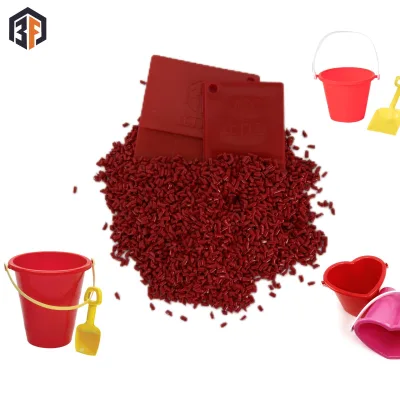
Procuring Purple Silicone Masterbatch requires distinguishing between standard color concentrates and specialized silicone-based formulations, as the supplied data indicates a mix of general color masterbatches and specific silicone pigment products. Buyers must verify that the carrier resin and pigment dispersion are compatible with their specific silicone processing temperatures, noting that observed listings include high-temperature resistance features alongside standard color brilliancy. The market offers various models, such as the 1332A and 1701T, which may serve different polymer matrices, necessitating a careful review of the carrier type, such as PP, to ensure it aligns with the intended silicone application.
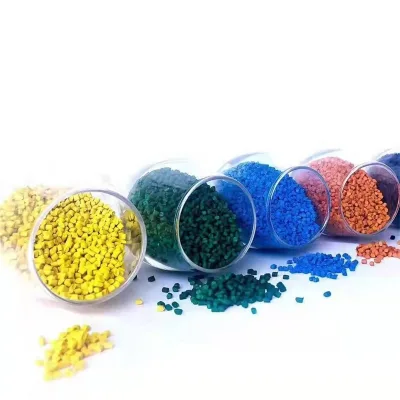
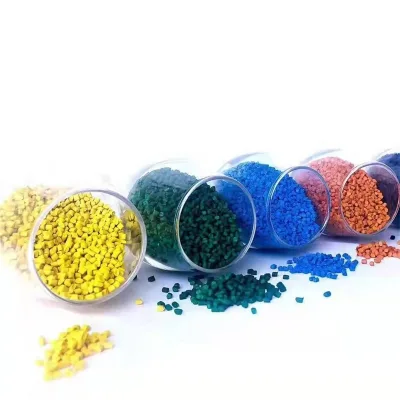
Sourcing strategies should prioritize suppliers who explicitly list customization availability, as the observed product range includes options for any color, including specific purple shades, alongside standard yellow and orange granules. While some listings mention waterproof packaging and specific bag weights like 25kg, others offer smaller 1kg or 5kg units, suggesting flexibility for pilot runs versus bulk production. Buyers should confirm whether the "Silicone Color Pigment" keyword applies to the specific purple SKU, ensuring the product is not merely a standard plastic colorant mislabeled for silicone applications, and verify the solubility characteristics to prevent processing defects.
Product Scope and Observed Listing Signals
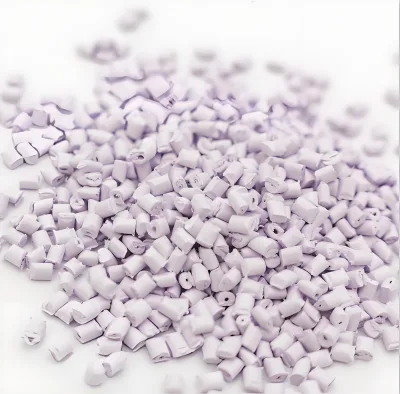
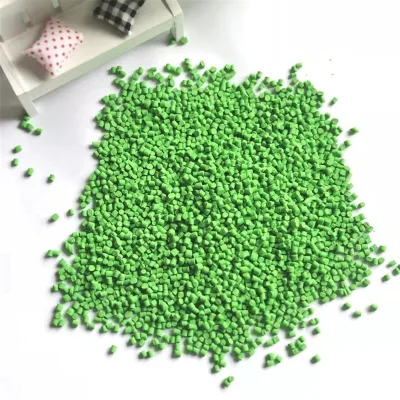
The observed product landscape reveals a diverse array of masterbatch types, ranging from general color masterbatches to specialized silicone variants with distinct physical appearances like orange cylindrical granules. Buyers must navigate listings that specify models such as CMJ-1741 and HJ-ABS6, which may indicate different base resins or functional additives beyond simple coloring. The presence of attributes like "Flame Retardant" and "Antistatic" functions suggests that some purple masterbatches may offer dual-purpose utility, combining coloration with performance enhancements for industries like automotive or electronics.
Listing signals also highlight significant variation in packaging standards, with options ranging from 1kg bags to 25kg bulk bags, and some products explicitly noting waterproof packaging to protect against moisture. The price range observed spans from 0.82 to 19.3 USD, reflecting differences in concentration, carrier quality, and functional additives. Procurement teams should scrutinize the "Factory Directly Supply" claims against the actual product model numbers to ensure they are sourcing the specific silicone formulation required rather than a generic color concentrate that lacks the necessary thermal stability for silicone processing.
Technical Specifications to Verify
Technical verification must begin with the carrier resin compatibility, as the data explicitly lists PP as a carrier for some models, which may not be suitable for all silicone applications without modification. Buyers should confirm the particle size specifications, noting observed data points like ">100nm" and specific surface area metrics, as these directly influence dispersion quality and the final color uniformity in the cured silicone matrix. The solubility attributes vary between "Solubility" and "Insolubility" in the listings, requiring precise confirmation that the purple masterbatch will remain stable and not migrate or bleed during the curing process.
Functional performance is another critical verification point, with observed listings citing high-temperature resistance, heat-resistant properties, and specific functions like flame retardancy and antioxidant capabilities. Buyers must ensure the purple masterbatch meets the thermal requirements of their specific molding or extrusion process, as the "High Temperature Resistance" feature is a key differentiator in the observed product set. Additionally, the purity and specific surface area data provided for some products should be cross-referenced with the intended application, such as pharmaceuticals or energy storage, to guarantee that the pigment concentration and dispersion do not compromise the material's structural integrity.
Compliance and Safety Documentation
Compliance verification is essential when sourcing masterbatches for sensitive industries, as the observed data includes certifications like CE, ISO, RoHS, and SGS, which are critical for medical, cosmetic, and food-grade applications. Buyers must request specific test reports confirming that the purple pigment and silicone carrier meet the regulatory requirements for the intended end-use, particularly if the product is destined for the pharmaceutical or food sectors where migration limits are strict. The presence of ISO9001 certification in some listings indicates a quality management system, but this should be validated against the specific batch of purple masterbatch being purchased to ensure consistent adherence to safety standards.
Safety documentation should also address the specific chemical composition of the purple colorant, ensuring it does not contain restricted substances that might violate RoHS or REACH regulations. While the observed listings mention "Custom" standards, buyers should not assume compliance without explicit documentation for the specific purple SKU, as the general "Custom" designation may not cover all regulatory jurisdictions. It is vital to verify that the "Flame Retardant" and "Antistatic" additives included in the masterbatch are also compliant with the relevant safety standards for the target market, preventing potential legal or safety liabilities during product deployment.
Cost Drivers and Commercial Terms
Cost drivers for Purple Silicone Masterbatch are heavily influenced by the complexity of the formulation, including the specific carrier resin, the concentration of the purple pigment, and the inclusion of functional additives like flame retardants or antioxidants. The observed price range of 0.82 to 19.3 USD suggests that high-performance variants with specialized properties command a premium over standard color concentrates. Buyers should analyze whether the higher price points correlate with verified technical specifications, such as superior heat resistance or specific surface area metrics, rather than simply marketing claims, to ensure value alignment with their production needs.
Commercial terms vary significantly across the observed listings, with MOQs ranging from 1 unit to 500 units and packaging options from 1kg to 25kg bags. The "Factory Directly Supply" claim implies potential cost savings, but buyers must verify the lead times and shipping terms, as the origin locations range from general China references to specific cities like Dezhou and Dongguan. Negotiating terms should account for the customization availability, as bespoke purple formulations may require longer lead times or higher minimum order quantities compared to standard stock items, impacting the overall procurement budget and inventory planning.
Supplier Qualification and Quality Control
Supplier qualification should focus on verifying the origin and manufacturing capabilities, as the data indicates production in specific Chinese locations like Dongguan City and Dezhou. Buyers must assess whether the supplier has the technical expertise to produce consistent purple silicone masterbatches, given the variation in models and specifications observed in the market. The presence of certifications like ISO9001 and SGS is a positive indicator, but it is crucial to confirm that these certifications are current and applicable to the specific production line manufacturing the purple masterbatch, ensuring that quality control processes are robust and consistent.
Quality control protocols must include rigorous testing of the color consistency, dispersion, and thermal stability of the purple masterbatch before full-scale production. Buyers should request batch-specific test reports that verify the particle size, purity, and functional performance attributes like flame retardancy, as these are critical for maintaining product quality. The observed "Custom" standard designation suggests flexibility, but this should not come at the expense of quality assurance; suppliers must demonstrate a clear process for maintaining color accuracy and functional integrity across different production batches to prevent costly production failures.
Long-Term Procurement Checks
Long-term procurement strategies require establishing a framework for continuous quality monitoring and supply chain stability, ensuring that the Purple Silicone Masterbatch remains consistent over time. Buyers should implement regular audits of the supplier's production processes and quality control records to verify that the observed specifications, such as particle size and functional additives, remain within the agreed tolerances. This proactive approach helps mitigate risks associated with formulation drift or changes in raw material quality, which could otherwise compromise the final product's performance and appearance.
Sustainability and regulatory compliance should also be integrated into long-term checks, as global regulations regarding chemical safety and environmental impact are increasingly stringent. Buyers must stay informed about updates to standards like RoHS and REACH, ensuring that the purple masterbatch continues to meet all applicable requirements throughout the product lifecycle. Additionally, maintaining a relationship with the supplier for ongoing technical support and customization capabilities will be essential for adapting to future market demands or changes in processing technologies, ensuring a resilient and responsive supply chain for Purple Silicone Masterbatch needs.
FAQs
What colors are available for silicone masterbatch?
Any color is available for silicone masterbatch products. Suppliers offer a wide range of options including yellow, orange, and white to meet specific color matching requirements. This customization allows buyers to select the exact hue needed for their manufacturing processes without being limited to standard stock colors.
Can silicone masterbatch be customized for specific applications?
Customization is available for silicone masterbatch to suit diverse industrial needs. Buyers can specify carrier types such as PP or adjust formulations for leather, food, and cosmetic uses. This flexibility ensures the product integrates seamlessly into various production lines while maintaining desired performance characteristics and aesthetic consistency.
What certifications do silicone masterbatch suppliers typically hold?
Suppliers often hold CE, ISO, RoHS, and SGS certifications for their masterbatch products. These credentials verify compliance with international safety and quality standards. Buyers can rely on these documented certifications to ensure the materials meet regulatory requirements for industries like electronics, automotive, and packaging where strict compliance is essential.
How is silicone masterbatch packaged for shipment?
Packaging options include 1kg, 5kg, 10kg, and 25kg bags. Some products use waterproof bags to protect against moisture, while others utilize standard 25kg bags. This variety allows buyers to choose packaging that fits their storage capacity and handling preferences, ensuring the material remains protected during transit and storage.
What are the key features of silicone masterbatch?
Key features include high temperature resistance, color brilliancy, and bright luster. The material also offers flame retardant, antistatic, and antioxidant functions. These properties make it suitable for demanding applications in pharmaceuticals, energy storage, and automotive industries where durability and visual quality are critical performance factors.
Where are silicone masterbatch products typically manufactured?
Products are typically manufactured in China, with origins in locations like Dezhou and Dongguan City in Guangdong Province. This regional concentration provides access to established supply chains and manufacturing expertise. Buyers can source directly from these hubs to benefit from competitive pricing and efficient logistics for international orders.