Source Puzzle Piece Charms for Souvenirs, Promotion, and Decor
Compare 30 listings for Puzzle Piece Charms made from PVC, metal, and iron. Buyers can review customization options, packing details, and usage for souvenirs, promotion gifts, and personal decorations across various manufacturers in China.
Key considerations
Products List


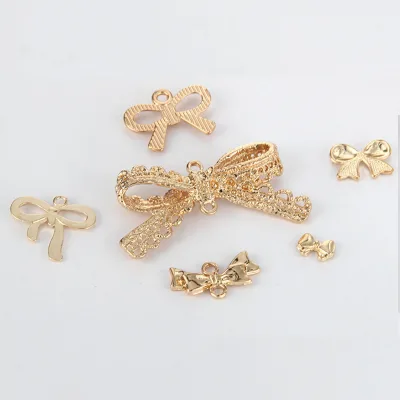


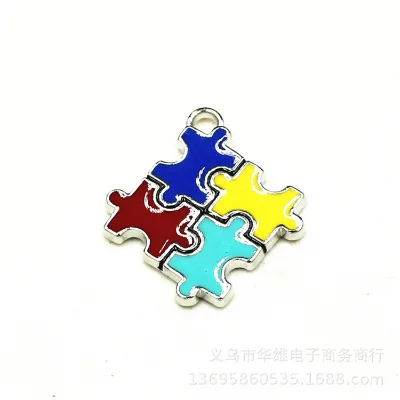
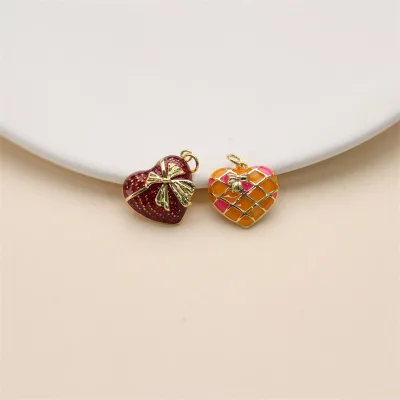
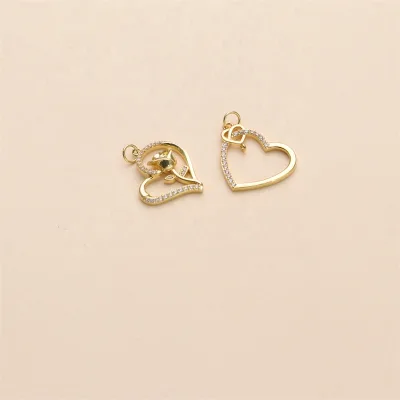
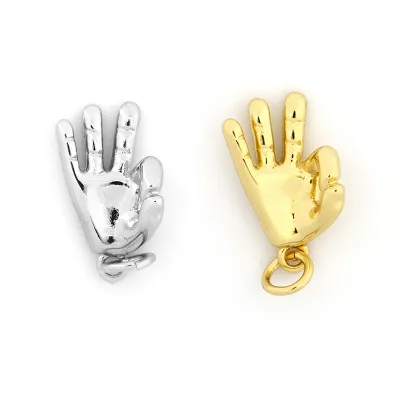


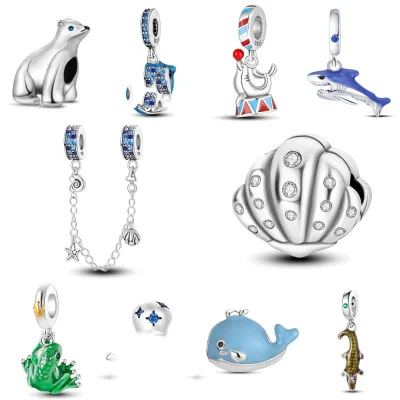


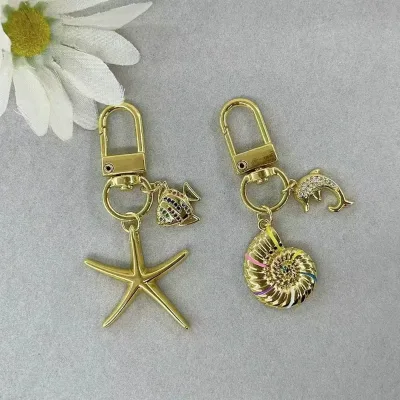
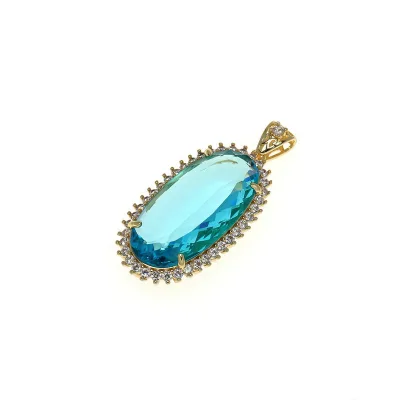


Comprehensive Sourcing Guide
Strategic Sourcing Guide for Puzzle Piece Charms in the B2B Market
Understanding Product Variability and Core Specifications
When sourcing Puzzle Piece Charms, buyers must first recognize that this category encompasses a wide spectrum of materials, finishes, and functional designs rather than a single uniform product. The market data indicates that "puzzle piece" is often a design motif applied to various base materials, including PVC, metal, iron, and brass. For instance, specific product listings highlight a "PVC" material option, while others specify "Metal," "Iron," or "Brass" as the primary component. This variability dictates that procurement strategies cannot rely on a single material specification. Instead, buyers must define the intended application to select the appropriate substrate. A charm intended for a children's toy or a promotional giveaway might utilize PVC for its durability and cost-effectiveness, whereas a fashion accessory or a religious craft item may require the aesthetic and weight of brass or iron.
The physical dimensions of these charms also vary significantly across suppliers. Observed specifications range from compact sizes of approximately 3cm to larger formats such as 16x21mm or 18x19mm. Some listings explicitly note a "gold color" finish with specific millimeter dimensions, while others describe a general "about 3cm size." The standard size of 8.5x6cm appears in some contexts, likely referring to packaging or a specific large-format design, but the actual charm size must be verified against the specific model number, such as DKS009 or TYSY804024110505. Buyers should not assume that a "puzzle piece" charm from one supplier will match the dimensions of another, even if the design motif is identical. The "customized" standard is frequently cited, suggesting that dimensions, shapes, and patterns can be tailored to specific requirements, including heart shapes or specific cartoon charms.
Material Composition and Finishing Processes
The material selection is a critical determinant of both the cost and the perceived value of the Puzzle Piece Charms. The supply chain offers distinct options, each with unique processing requirements. PVC charms are often associated with full-color printing capabilities, allowing for complex designs and vibrant graphics. In contrast, metal-based charms, including those made from iron or brass, often feature plating processes, such as gold plating, to achieve a premium look. The processing method is another key differentiator; some products are manufactured using semi-manual processes, which can impact consistency and lead times, while others may involve more automated techniques.
Finishing options are equally diverse. Listings indicate that "Full Color" logo printing is available, which is essential for branding on PVC or similar surfaces. For metal items, "Silkprint" and plating are common techniques. The "Plating: Gold" attribute suggests a specific aesthetic finish that may be required for fashion or high-end souvenir applications. Buyers must verify whether the plating is a surface treatment or a solid material composition, as this affects durability and cost. Furthermore, the "Style" attribute ranges from "Fashion" and "European & American" to "Cute" and "Cartoon Charms," indicating that the finishing process must align with the target demographic. A charm designed for a "Funny" or "Particular Toys" usage might prioritize bright, cartoonish finishes, while a "Religious Craft" or "Collection" item might require a more subdued, metallic, or antique finish.
Cost Drivers and Minimum Order Quantity Dynamics
The pricing structure for Puzzle Piece Charms is influenced by material costs, customization levels, and order volume. The observed price range in the market spans from $0.06 to $5.00 USD, a wide variance that reflects the difference between mass-produced PVC items and hand-finished metal jewelry. The lower end of the spectrum likely corresponds to simple PVC charms with standard printing, while the higher end may involve brass or iron components with complex plating and custom packaging.
Minimum Order Quantity (MOQ) is another significant cost driver. Data shows an observed MOQ range from 2 to 5000 units, with specific listings citing an MOQ of 1000 for certain customized items. This variability suggests that buyers can source small batches for prototyping or sampling, but achieving the lowest unit price often requires meeting higher volume thresholds. The "Customization: Available" attribute implies that bespoke designs, such as specific puzzle piece shapes or custom logos, may incur higher MOQs or setup costs compared to stock items. Buyers should be aware that the "Customized" status often correlates with a higher MOQ, as seen in the 1000-unit threshold for specific models. Additionally, packaging requirements, such as "1 Piece in 1 PP Bag" or "1PC/OPP, 100PCS/Big Poly Bag," can influence the final landed cost, especially if custom packaging is requested.
Typical Applications and Usage Scenarios
Puzzle Piece Charms serve a broad array of applications, ranging from personal accessories to corporate promotional tools. The "Usage" attributes highlight several key sectors: "Funny, Particular Toys, Souvenir, Promotion, Sports, Recreation." This versatility allows buyers to target diverse markets. For example, the "Sports" and "Recreation" categories suggest these charms are suitable for event giveaways, team merchandise, or fan accessories. The "Promotion" and "Commerce Gift" uses indicate their utility in marketing campaigns, where branding is paramount.
In the realm of personal decor, the charms are marketed as "Personal Decorations" and "Collection" items, appealing to hobbyists and fashion enthusiasts. The "Religious Crafts" usage points to a niche market where puzzle pieces might symbolize unity or completeness, often requiring specific materials like brass or iron for a traditional look. The "Outdoor" suitability for certain models suggests durability against environmental factors, which is crucial for charms intended for backpacks, bags, or outdoor gear. The "Gender: Unisex" attribute further expands the potential market, making these items suitable for a wide demographic. Buyers should align their product selection with the specific occasion, such as "Other" occasions or specific events, to ensure the charm's design and material match the context of use.
Supplier Evaluation and Operational Capabilities
Evaluating suppliers for Puzzle Piece Charms requires a focus on their ability to handle customization and their operational transparency. The "Customization: Available" and "Customized" attributes are common, but the extent of this capability varies. Buyers should verify the supplier's capacity for "Logo Print" and "Imprint" customization, ensuring they can deliver the required "Full Color" or "Silkprint" quality. The "Processing: Semi-Manual" note indicates that some suppliers rely on manual labor, which can affect production consistency and lead times.
Geographic origin is another critical factor. The data indicates origins in "China," with specific provinces like "Fujian" and "Guangdong" mentioned. These regions are known for their manufacturing clusters in jewelry and promotional products. Buyers should confirm the specific "Place of Origin" to understand the logistical implications, such as shipping times and potential trade regulations. The "Brand Name" attribute, such as "TY," suggests that some suppliers operate under their own brands, while others may offer OEM services. It is essential to verify whether the supplier can provide the "Model Number" (e.g., DKS009, R-01) for traceability and quality control. Additionally, the "Single package size" and "Single gross weight" (e.g., 0.500 kg) are vital for calculating shipping costs and storage requirements.
Quality Control and Compliance Verification
Ensuring product quality for Puzzle Piece Charms involves rigorous checks on material integrity, finish durability, and dimensional accuracy. Since the "Standard" often lists "customized" or specific sizes like "8.5X6CM," buyers must establish clear acceptance criteria before production begins. For metal items, verifying the plating thickness and adhesion is crucial to prevent tarnishing or peeling. For PVC items, checking the print quality and color fastness is necessary to ensure the "Full Color" designs remain vibrant.
Compliance and certification checks are paramount, especially for items intended for children or sensitive applications like "Toys" or "Religious Crafts." While specific certification data is not provided in the general product attributes, buyers should request documentation regarding safety standards, such as lead content in metal plating or phthalate levels in PVC. The "Suitable for: Outdoor" attribute implies a need for weather resistance, which should be tested for durability against moisture and UV exposure. Buyers should also verify the "Jewelry Type" and "Pendants or Charms Type" to ensure the product meets the intended regulatory requirements for jewelry or decorative items in the target market.
Long-Term Procurement and Supply Chain Resilience
Sourcing Puzzle Piece Charms for long-term business needs requires a strategic approach to supply chain management. The variability in "MOQ" and "Lead Time" (though not explicitly quantified, implied by the range of 2-5000 units) suggests that buyers should build relationships with suppliers who can scale production as demand grows. The "Customization" aspect offers flexibility, but it also introduces complexity. Buyers should aim to standardize designs where possible to reduce setup costs and lead times, while maintaining the ability to customize for specific campaigns.
Packaging consistency is another long-term consideration. The "prod_packing" attributes range from "Carton" to "Polybag Packaging" and "OPP Bag/Custom." Standardizing packaging can reduce logistics costs and improve brand presentation. Furthermore, the "Style" and "Design" trends, such as "Cartoon Charms" or "European & American" styles, may shift over time. Buyers should work with suppliers who can adapt to these trends without compromising quality. Finally, maintaining a clear communication channel regarding "Model Number" changes and "Brand Name" updates ensures that the supply chain remains agile and responsive to market demands. By focusing on these factors, buyers can secure a reliable supply of high-quality Puzzle Piece Charms that meet their specific business objectives.
FAQs
What materials are used for Puzzle Piece Charms?
Puzzle Piece Charms are commonly made from PVC, metal, iron, or brass. PVC options often feature full-color printing, while metal variants may include gold plating and silkprint finishes for a premium look.
Can I customize the size and design of these charms?
Yes, customization is available for size and design. Specifications range from about 3cm to 16x21mm, and designs can include cartoon charms, heart shapes, or specific custom requirements based on buyer needs.
What is the minimum order quantity for custom charms?
The minimum order quantity varies, with some listings requiring 1000 units for customized items. However, general observed ranges span from 2 to 5000 units depending on the specific product model and customization level.
Where are these Puzzle Piece Charms manufactured?
These charms originate from China, with specific production locations in Fujian and Guangdong provinces. Buyers should verify the exact place of origin to understand logistics and potential trade regulations for their region.
How are the charms packaged for shipment?
Packaging options include 1 piece in a PP bag, OPP bags, or cartons. Some suppliers offer custom packaging solutions, while standard options often involve 100 pieces packed in a big poly bag for bulk efficiency.
What are the typical applications for these charms?
They serve various uses including personal decorations, promotional gifts, souvenirs, and religious crafts. The charms are also suitable for sports, recreation, and outdoor activities, often featuring unisex designs.
What printing methods are used for logos on charms?
Logo printing methods include full-color printing for PVC items and silkprint for metal-based charms. These techniques allow for vibrant graphics and detailed branding suitable for promotional and commercial gift applications.