Source CE Octopus Ride for amusement parks, funfairs, and playgrounds
Compare 30 CE Octopus Ride listings from verified Chinese manufacturers. Buyers can evaluate specifications like capacity, voltage, and materials for sports parks, adventure parks, and commercial venues. These options include fiberglass and metal constructions suitable for various outdoor settings; compare the available evidence and request quotations based on your requirements.
Key considerations
Products List
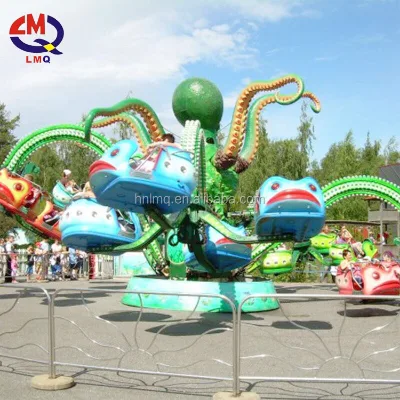
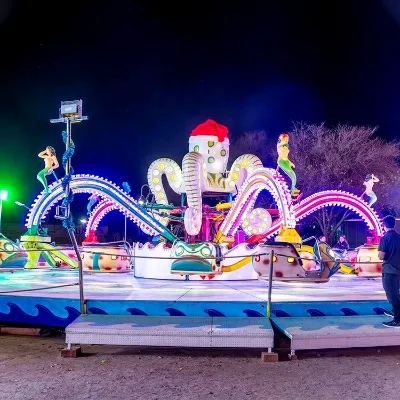
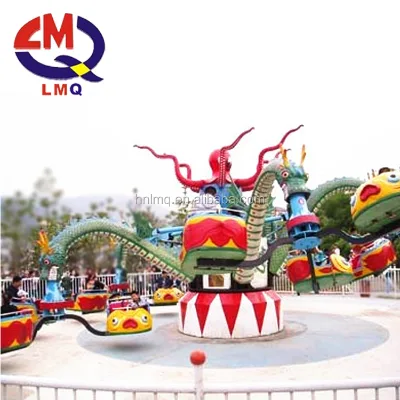
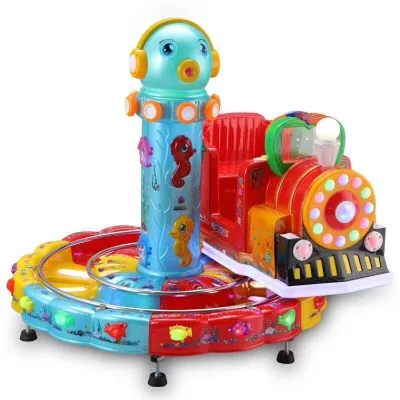
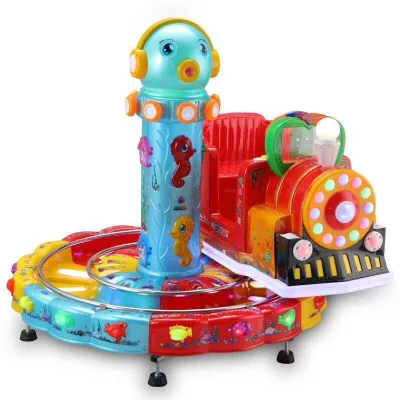


Giant Octopus Rides for Sale, Large Octopus Equipment for Children Park
$10000.00 - $20000.00
MOQ: 1 Pieces

Classical Thrill Amusement Park Ride Crazy Octopus Ride for Fun Fair Party
$30000.00 - $35000.00
MOQ: 1 Pieces
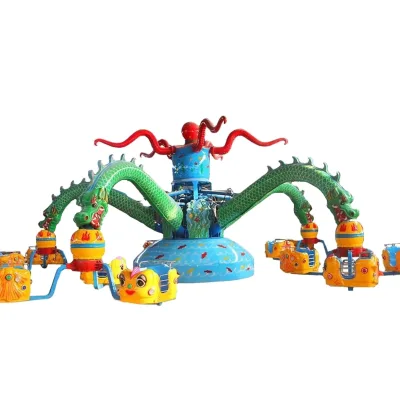
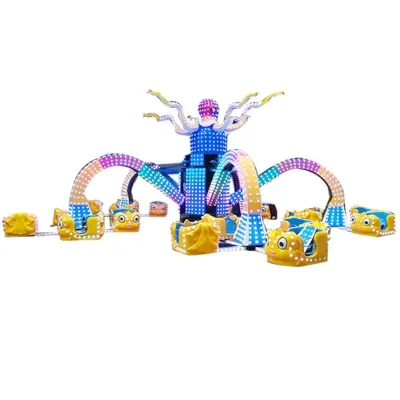
Children and Adults Carnival Games Rotating 40 Seats Big Octopus Ride for Sale
$25903.47 - $41446.17
MOQ: 1 Minimum
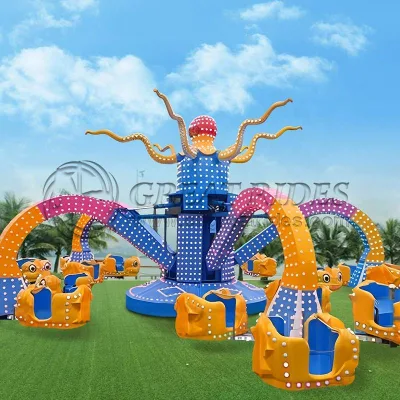
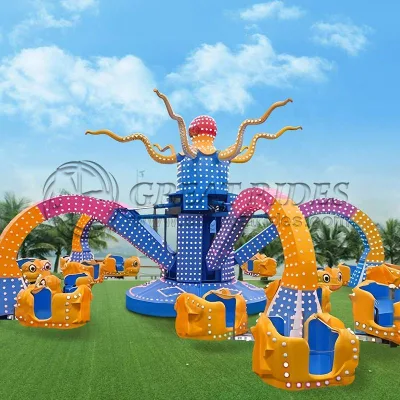
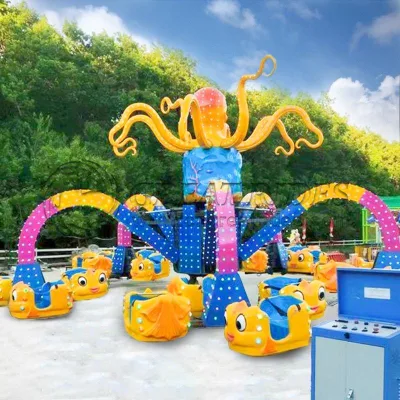
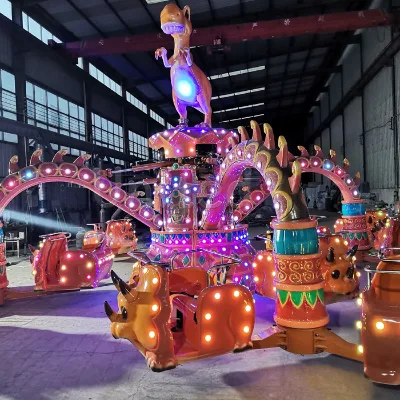
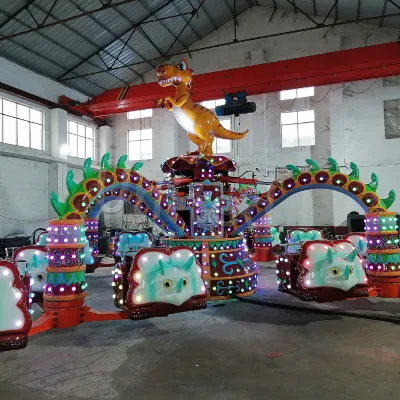
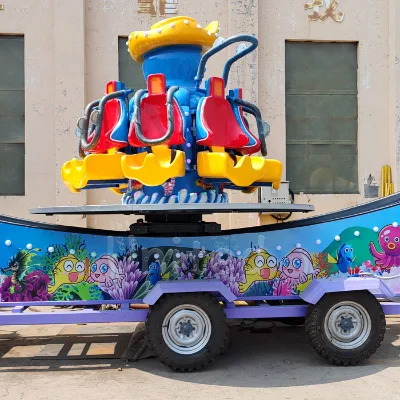
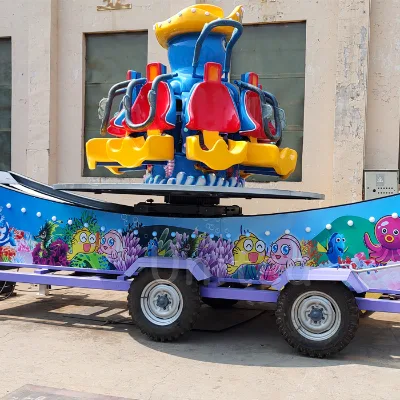
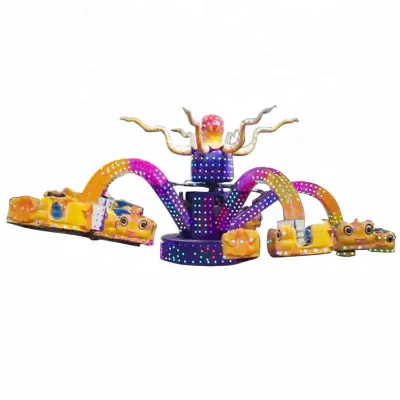


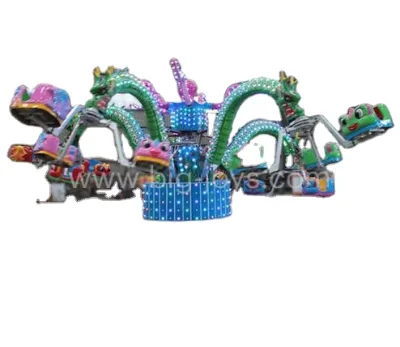
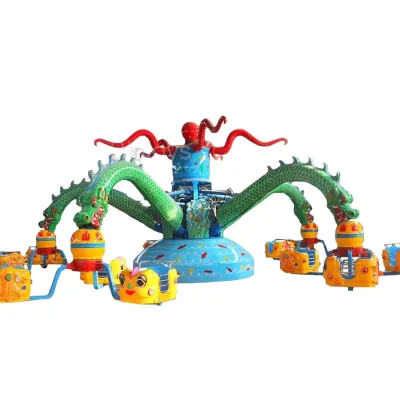
30 Seats Amusement Park Octopus Ride for Sale, Thrill Amusement Park Octopus Ride
$25549.01 - $30658.81
MOQ: 1 Minimum
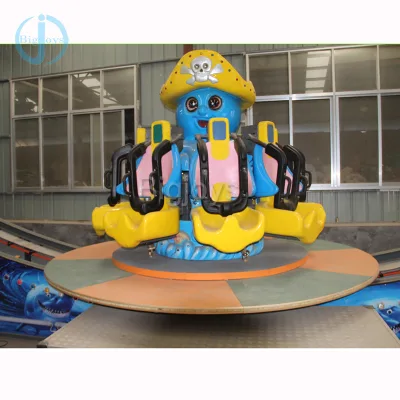
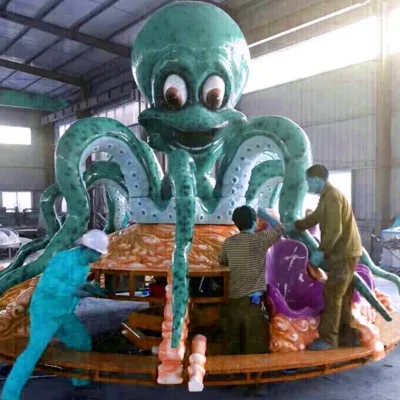
$10219.60 - $20439.21
MOQ: 1 Minimum
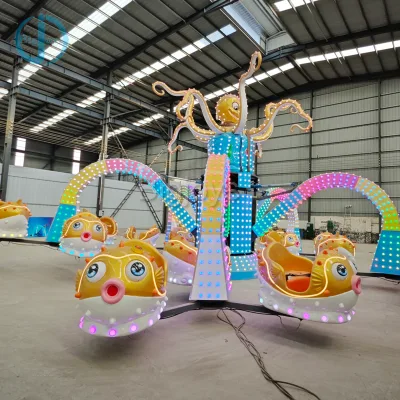
New Arrival Amusement Park Rotary Rides Rotary Octopus Rides for Children on Sale
$9178.75 - $11218.47
MOQ: 1 Minimum

Comprehensive Sourcing Guide
CE Octopus Ride Sourcing Guide
Procuring a CE Octopus Ride requires distinguishing between fixed amusement park installations and smaller commercial variants, as the market presents diverse configurations. Buyers must verify that the specific unit matches their intended venue, whether it is a sports park, adventure park, or a commercial arcade, since the operational requirements differ significantly between these settings. The observed product listings indicate a wide range of capacities, from small kiddie trains to large spinning rides, necessitating a precise definition of the target audience before engaging with suppliers.
The sourcing process begins by analyzing the physical footprint and power requirements, which vary from 32 cubic meters to 60 cubic meters in volume depending on the model. A critical decision point involves selecting the correct voltage and power rating, as some units operate at 380V with 15KW power consumption while others may have different electrical needs. Buyers should confirm the single package dimensions and gross weight to ensure their logistics team can handle the delivery, as the shipping volume and weight directly impact freight costs and installation feasibility at the destination site.
Product Scope and Observed Listing Signals
The current market offers distinct variations of octopus rides, ranging from fiberglass and metal spinning attractions to plastic kiddie train models. Listings show specific model numbers like Z-25 and F21-10, which correspond to different diameters and passenger capacities, such as 24 persons or 30 persons. Buyers must carefully match the product name and type to their specific operational needs, noting that some units are designed for outdoor playgrounds while others are intended for indoor arcade game malls or commercial funfairs.
Observations reveal that the material composition is a key differentiator, with some rides constructed from fiberglass and stainless steel for durability, while others utilize plastic for younger children. The color customization options and digital printing capabilities allow for branding alignment, but the structural integrity depends heavily on the chosen material. Procurement teams should verify the allowable passenger count and the specific occasion, ensuring the ride fits the safety and space constraints of the planned location, whether it is a city park, garden, or a dedicated amusement park.
Technical Specifications to Verify
Technical due diligence must focus on the mechanical and electrical specifications to ensure the ride operates safely and efficiently. Buyers should confirm the diameter, which can range from 6 meters to 13 meters for flying octopus rides, and verify the rising height and single package size to plan the installation site layout. The voltage requirement of 380V is common, but the power rating and volume must be cross-referenced with the local electrical infrastructure to prevent compatibility issues during the setup phase.
Capacity and weight are critical parameters that influence the foundation requirements and the overall structural load of the installation. The observed data indicates weights ranging from 3,100 kilograms to 7,500 kilograms, with some units having a single gross weight of 28,000 kilograms, which necessitates heavy-duty transport and specialized lifting equipment. Buyers must also check the maximum capacity and the number of passengers, ensuring the ride can handle the expected foot traffic without exceeding the design limits of the mechanical parts or the electrical sections.
Compliance and Safety Documentation
Safety compliance is paramount when sourcing amusement rides, and buyers must request valid certificates such as ISO9001 and Bureau Veritas (BV) approvals before finalizing any purchase. The presence of a Manufacture Licence is essential to verify that the supplier is authorized to produce these complex mechanical devices, and the documentation should explicitly cover the specific model number being ordered. While CE certification is a common expectation in the industry, buyers should not assume its presence without explicit confirmation from the supplier for the specific unit in question.
Warranty terms provide a crucial layer of protection for the buyer, with observed listings offering six months for electric sections and one year for mechanical parts. This distinction is vital for budgeting future maintenance costs and understanding the supplier's confidence in their product durability. Buyers should ensure that the warranty documentation clearly defines the scope of coverage, including what constitutes a defect versus normal wear and tear, and verify the process for claiming repairs or replacements to avoid disputes after the delivery and installation are complete.
Cost Drivers and Commercial Terms
The pricing structure for octopus rides is influenced by the complexity of the design, the materials used, and the customization options selected. The observed price range is extensive, reflecting the difference between basic plastic models and large-scale fiberglass and metal installations. Buyers should expect that larger diameters, higher passenger capacities, and custom color schemes will drive the cost upward, requiring a detailed breakdown of the unit price to understand the value proposition of each option.
Commercial terms typically involve a significant deposit structure, with common practices requiring a 40% deposit and the remaining 60% paid before delivery. This payment schedule is standard for custom manufacturing but requires careful cash flow planning from the buyer. Additionally, the minimum order quantity is often flexible, with some suppliers accepting single items, which allows for smaller operators to enter the market. However, buyers must clarify the shipping terms and any additional costs for packaging, such as wooden frames, to avoid unexpected expenses during the final settlement.
Supplier Qualification and Quality Control
Supplier qualification involves verifying the place of origin and the manufacturing capabilities of the vendor to ensure they can meet the required quality standards. The observed listings indicate production in regions like Henan and Guangdong, China, which are known for their manufacturing hubs. Buyers should request proof of the manufacturer's license and review their track record with similar projects to ensure they have the experience necessary to handle the specific technical challenges of octopus ride production.
Quality control measures must be established before production begins, focusing on the integrity of the fiberglass, metal, and plastic components. Buyers should insist on a pre-shipment inspection to verify that the single package size and gross weight match the specifications provided in the listing. It is also essential to confirm that the voltage and power ratings are correctly implemented and that the ride functions as intended under load. Establishing a clear communication channel for addressing any discrepancies during the manufacturing process is critical to ensuring the final product meets the buyer's expectations.
Long-Term Procurement Checks
Long-term procurement success depends on establishing a reliable relationship with the supplier for ongoing maintenance and spare parts availability. Buyers should verify the availability of replacement parts for the electric sections and mechanical components, as these are the most likely areas to require attention over time. A clear plan for post-warranty support ensures that the ride can remain operational for years without significant downtime, protecting the investment made in the initial purchase.
Regular performance checks and adherence to safety standards are necessary to maintain the ride's operational integrity and compliance with local regulations. Buyers should implement a schedule for routine inspections to identify any wear and tear on the fiberglass or metal structures before they become safety hazards. Additionally, keeping detailed records of all maintenance activities and warranty claims will help in managing the lifecycle of the ride and provide valuable data for future procurement decisions or upgrades.
FAQs
What is the voltage requirement for octopus rides?
The standard voltage requirement for these amusement rides is 380 V. This electrical specification ensures proper operation of the spinning mechanisms and lighting systems. Buyers should verify their site power supply matches this requirement before installation to avoid operational issues or equipment damage during use.
How many passengers can the flying octopus ride accommodate?
The flying octopus ride model F21-10 accommodates 30 persons per cycle. This capacity makes it suitable for medium-sized amusement parks or funfairs. The design allows for simultaneous seating, ensuring efficient throughput and maximizing visitor engagement during peak operating hours at outdoor playgrounds or sports parks.
What materials are used in constructing these rides?
These rides are constructed using fiberglass, metal, and stainless steel. Fiberglass provides durable, colorful outer shells, while metal and stainless steel ensure structural integrity. These materials withstand outdoor weather conditions and heavy usage, ensuring safety and longevity for operators managing amusement parks or commercial entertainment venues.
Can the ride color be customized for branding?
Yes, the ride color can be customized to match specific branding or theme requirements. Manufacturers offer digital printing options for logos and graphics. This customization allows operators to align the ride with their park's aesthetic, enhancing visual appeal and creating a cohesive experience for visitors in commercial or public settings.
What certifications are required for these amusement rides?
These rides typically hold ISO9001, France BV, and Manufacture Licence certifications. These documents verify quality management and manufacturing standards. Buyers should request these certificates to ensure compliance with safety regulations. While CE is mentioned in background data, specific documentation should be confirmed with the supplier for each unit.
What is the warranty coverage for electric and mechanical parts?
The warranty covers six months for electric sections and one year for mechanical parts. This split coverage addresses the different wear rates of components. Buyers benefit from extended mechanical protection, while electrical systems receive standard support. This structure helps operators plan maintenance schedules and manage long-term operational costs effectively.