Source PVC Coated Angle Bar Fence for Security, Garden, and Industrial Uses
Find and compare 30 PVC Coated Angle Bar Fence options from verified suppliers. Buyers can review specifications, materials, and pricing for security, garden, and industrial applications to select the best fit for their projects.
Key considerations
Products List


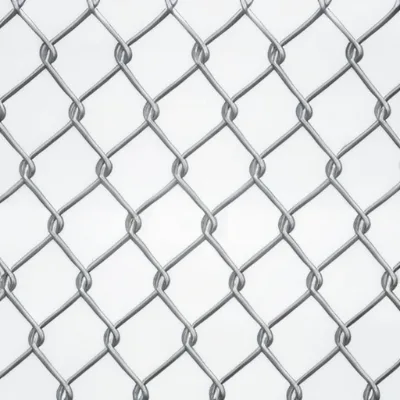


Comprehensive Sourcing Guide
Strategic Sourcing Guide for PVC Coated Angle Bar Fence Systems
Understanding Product Composition and Technical Specifications
When sourcing PVC Coated Angle Bar Fence systems, buyers must first distinguish between the structural metal components and the protective polymer coating that defines the product's durability. The core material for these fencing solutions is predominantly steel or iron, often sourced from regions known for metal fabrication such as Anping or Hebei in China. The structural integrity relies on specific metal types, including low-carbon steel wire and iron, which provide the necessary tensile strength for security applications. The angle bars themselves serve as the primary vertical or horizontal supports, often paired with palisade designs that utilize specific dimensions to ensure stability against wind loads and physical impact.
Technical specifications vary significantly based on the intended application and regional standards. For angle bar systems, dimensions are critical; for instance, post dimensions may be standardized at 102x44mm or 100x55mm, while rail components might be specified as 50x50x6mm with a length of 2750mm. The height of the fence is a customizable attribute, with common observed ranges including 1.5m, 1.8m, 2.0m, and 2.4m. The PVC coating, which is a key differentiator for these products, is applied to low-carbon iron wire or steel wire. This coating process, often referred to as Frame Finishing, provides a waterproof and rot-proof barrier that protects the underlying metal from corrosion. The wire gauge is another vital specification, with 12x12 BWG being a standard observation for mesh components, though solid angle bars rely on the thickness of the steel profile itself.
The surface treatment process is a critical determinant of longevity. While some products utilize a simple coated finish, high-performance angle bar fences often undergo a dual treatment process involving hot-dipped galvanization followed by a PVC coating. This combination ensures that even if the PVC layer is scratched, the galvanized layer offers secondary protection against rust. The color of the fence is typically customizable, allowing buyers to match specific architectural or security requirements. The final product is often described as a "Steel Palisade Fence" or a "Security Fence," indicating its primary function in perimeter protection.
Compliance, Certification, and Standard Verification
Navigating the compliance landscape for PVC coated angle bar fences requires a rigorous verification of certifications and adherence to international standards. Buyers should not assume that all listed products meet specific regulatory requirements without direct confirmation. The supply chain for these metal products often references certifications such as ISO, SGS, and CE. Specific model numbers, such as BT-ABF-001 or FH-1086, may be associated with distinct certification packages, including ISO9001 or ISO9001:2008, which validate the manufacturer's quality management systems.
When evaluating a supplier, the presence of an ISO certification is a strong indicator of a structured production environment, but it does not guarantee the specific performance of the fence in a given environment. Buyers must verify if the product standards align with local building codes or security regulations. For example, some product listings reference standards like ASTM F668, though this should be treated as a background reference rather than a guaranteed attribute of every listed item. The actual product standards listed in supplier data often include CE and ISO, which are essential for export to European and international markets.
It is crucial to distinguish between the certification of the manufacturing facility and the certification of the specific product batch. A supplier may hold an ISO9001 certificate, but the specific PVC Coated Angle Bar Fence must also undergo testing for tensile strength, coating adhesion, and corrosion resistance. The "Eco Friendly" and "Renewable Sources" attributes sometimes listed in product features suggest an environmental consideration, but buyers should request specific documentation to verify these claims, such as FSC certification for any wooden components used in conjunction with the metal fencing. The "Pressure Treated Timbers" feature, while listed, is more relevant to wooden fence systems and may indicate a mixed-product catalog; buyers must ensure the specific angle bar product they are purchasing does not rely on unverified timber components.
Cost Drivers and Pricing Dynamics
The pricing of PVC coated angle bar fences is influenced by a complex interplay of material costs, manufacturing processes, and logistical factors. The observed price range for these products in the market can vary widely, from as low as $0.98 to as high as $900, depending heavily on the scale of the order and the specific configuration of the fence. This broad range highlights the importance of defining exact requirements before soliciting quotes. The cost is primarily driven by the weight of the steel or iron used, the thickness of the PVC coating, and the complexity of the surface treatment process.
Minimum Order Quantities (MOQ) are a significant factor in the total cost of ownership. The observed MOQ range spans from 1 to 1000 units, offering flexibility for small-scale projects while encouraging bulk purchasing for large infrastructure developments. Suppliers often offer tiered pricing structures where the unit cost decreases as the order volume increases. For instance, ordering a single unit may incur a premium price due to setup costs, whereas an order of 1000 units may benefit from economies of scale in production and shipping.
Packaging and shipping costs also contribute to the final price. The standard packing methods for these metal products include steel pallets, iron pallets, or bundles. The choice of packaging affects the shipping efficiency and the risk of damage during transit. Products packed on steel pallets may be more robust but heavier, increasing freight costs. Additionally, the origin of the product, whether from Anping or Hebei, influences the logistics chain. Buyers should factor in the lead time associated with the supplier's location, as production schedules can vary based on raw material availability and factory capacity.
Typical Applications and Functional Requirements
PVC coated angle bar fences are versatile solutions designed for a wide array of applications, primarily focusing on security and perimeter protection. The "Security Fence" classification indicates their use in high-risk areas such as industrial sites, military bases, and commercial properties where intrusion prevention is paramount. The "Protecting Mesh" and "Fence Mesh" applications suggest that these systems are also suitable for agricultural or residential boundaries where visibility and containment are necessary.
The specific design features of angle bar fences make them ideal for environments requiring high durability. The "Waterproof" and "Rot Proof" attributes ensure that the fence can withstand harsh weather conditions without degrading. This makes them suitable for coastal areas or regions with high humidity. The "Easily Assembled" feature is particularly valuable for large-scale projects where rapid installation is required to minimize labor costs and project timelines. The use of rivets, such as M12 or M8, facilitates a secure and rigid connection between the angle bars and the rails, enhancing the overall structural integrity of the fence.
In addition to security, these fences serve aesthetic and functional roles in urban planning. The customizable color options allow for integration into various architectural styles, while the "Tempered Glass" feature mentioned in some product attributes suggests potential applications in modern, high-design environments where transparency and strength are balanced. The "Double Twist" method used in wire components adds an extra layer of security by making the mesh difficult to cut or breach. Whether used as a standalone barrier or as part of a larger security system, the PVC Coated Angle Bar Fence provides a robust solution that balances protection with longevity.
Supplier Evaluation and Quality Control Protocols
Selecting the right supplier for PVC coated angle bar fences requires a meticulous evaluation of their capabilities, history, and quality control measures. Buyers should prioritize suppliers who provide transparent documentation regarding their production processes and material sourcing. The origin of the product, often listed as Anping or Hebei, China, indicates a concentration of metal fabrication expertise, but buyers must verify the specific factory's reputation and capacity.
Quality control should be a central component of the supplier selection process. Buyers should request evidence of the surface treatment process, specifically the galvanization and PVC coating steps. The "Hot Dipped Galvanized" finish is a critical quality indicator, as it provides a superior corrosion resistance compared to electro-galvanized options. Inspections should verify the thickness of the PVC coating and the adhesion of the material to the metal substrate. The "Frame Finishing: PVC Coated" attribute should be confirmed through physical samples or third-party test reports.
Supplier evaluation also involves assessing their ability to meet customization requirements. The availability of customization for dimensions, colors, and sizes is a key differentiator. Buyers should confirm that the supplier can accommodate specific post dimensions, rail sizes, and height requirements without compromising the structural integrity of the fence. The "Customized" attribute for product size and color suggests flexibility, but buyers must ensure that the customization process does not introduce variability that affects the overall quality.
Furthermore, buyers should verify the supplier's adherence to safety and environmental standards. The "Eco Friendly" and "Renewable Sources" claims should be backed by verifiable data. The supplier's ability to provide certifications such as ISO and SGS is a positive indicator, but buyers should also check for any history of non-compliance or product recalls. A robust quality control system should include pre-production sampling, in-process inspections, and final product testing before shipment.
Long-Term Procurement and Maintenance Considerations
Procuring PVC coated angle bar fences is not just a one-time transaction but a long-term investment in infrastructure security. Buyers must consider the lifecycle costs, including maintenance, repair, and potential replacement. The "Rot Proof" and "Waterproof" attributes suggest a long service life, but regular inspections are necessary to ensure the integrity of the PVC coating and the underlying metal structure. Any damage to the coating should be addressed promptly to prevent corrosion from spreading.
The modular nature of these fences, indicated by the "Easily Assembled" feature, allows for easy maintenance and expansion. If a section of the fence is damaged, individual components can be replaced without dismantling the entire structure. This modularity also facilitates future upgrades or modifications to the security perimeter. Buyers should ensure that spare parts, such as rivets, rails, and angle bars, are readily available from the supplier to minimize downtime during repairs.
Sustainability is another long-term consideration. The "Eco Friendly" and "Renewable Sources" attributes align with growing environmental regulations and corporate sustainability goals. Buyers should verify the recyclability of the steel and PVC materials to ensure that the fence can be disposed of or recycled at the end of its lifecycle. The use of low-carbon steel wire and iron supports a more sustainable approach to metal production, reducing the overall carbon footprint of the project.
Finally, buyers should establish a clear communication channel with the supplier for ongoing support. This includes access to technical assistance, warranty claims, and updates on new product developments. A reliable supplier relationship ensures that the buyer can adapt to changing security needs and maintain the fence system effectively over many years. By focusing on these long-term factors, buyers can maximize the value and performance of their PVC Coated Angle Bar Fence investment.
FAQs
What materials are used for the fence posts and rails?
The fence posts are made of steel or iron with dimensions like 102x44mm or 100x55mm. Rails are specified as 50x50x6mm steel profiles, often paired with M12 or M8 rivets for secure assembly.
Can the fence height and color be customized?
Yes, the height is customizable with common options including 1.5m, 1.8m, 2.0m, and 2.4m. Colors are also fully customizable to match specific architectural or security requirements.
Which certifications do the manufacturers typically hold?
Manufacturers typically hold ISO, SGS, and CE certifications for their products. Specific models may also comply with ISO9001 or ISO9001:2008 standards to ensure quality management.
How is the metal protected against corrosion?
The metal undergoes surface treatments like hot-dipped galvanization followed by a PVC coating. This dual process ensures waterproof and rot-proof protection even if the outer layer is scratched.
What is the minimum order quantity for these fences?
The minimum order quantity ranges from 1 to 1000 units depending on the supplier. Bulk orders often benefit from lower unit costs due to economies of scale in production.
Where are these steel palisade fences manufactured?
These fences are primarily manufactured in Anping and Hebei, China. These regions are known for their metal fabrication expertise and supply chain efficiency for export.