Source PVC Coated Bow Mushroom Anchor for Marine, Boat, and Hardware
Compare 30 verified listings for the PVC Coated Bow Mushroom Anchor suitable for marine, boat, and hardware applications. Buyers can evaluate specifications, customization options, and pricing details from multiple suppliers in China.
Key considerations
Products List


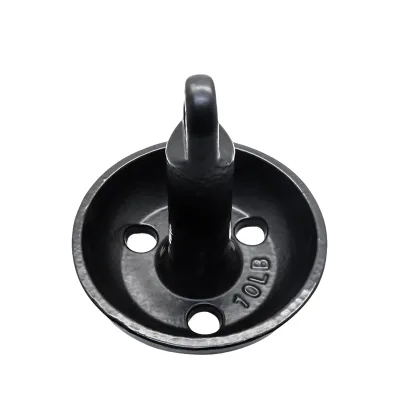
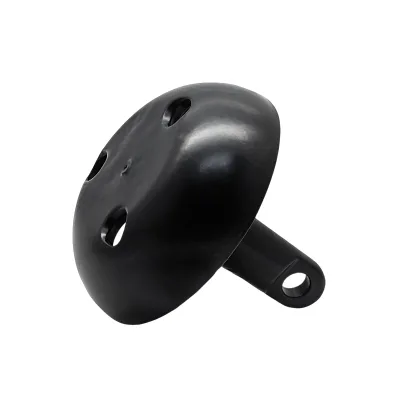


Factory Supply Versatile Coated Mushroom Anchor for Reliable Construction Projects
$5.00 - $30.00
MOQ: 10 Pieces


Comprehensive Sourcing Guide
Sourcing Guide for PVC Coated Bow Mushroom Anchors
Understanding the Product Category and Core Specifications
When sourcing a PVC Coated Bow Mushroom Anchor, buyers must first distinguish between the general category of marine anchors and the specific functional design of the mushroom anchor. The mushroom anchor is characterized by its distinct shape, which is engineered to bury itself into soft seabeds such as mud or sand, providing holding power through suction and weight rather than the fluke penetration typical of traditional anchors. The core keyword "PVC coated" indicates a specific surface treatment process where a layer of polyvinyl chloride is applied over the base metal. This coating serves dual purposes: it protects the underlying steel from the corrosive marine environment and prevents damage to the vessel's deck or hull during handling and storage.
Based on available product data, the base material for these anchors is predominantly steel, with specific listings identifying carbon steel as the primary composition. The manufacturing process often involves casting, which allows for the creation of the complex, heavy geometry required for this anchor type. The surface treatment is explicitly noted as plastic spraying, which aligns with the PVC coating requirement. The standard color observed in the market is black, though customized colors are available upon request. The product is frequently listed under the model number "Mushroom Anchor" or specific alphanumeric codes such as MA006, MA10LB, and MA12LB, indicating a range of sizes and capacities. The shape is consistently described as "Mushroom," and the application is primarily for boats, with specific use cases in marine environments.
Technical Compliance and Certification Verification
For marine hardware, compliance with international standards is not merely a formality but a critical safety requirement. While specific international standards for mushroom anchors can vary by region, buyers should verify that the supplier adheres to recognized quality management systems. A high-confidence fact observed in the market is the presence of ISO9001 certification among suppliers. This certification indicates that the manufacturer has established processes for consistent quality control, which is essential for products subjected to extreme stress and corrosive conditions.
Buyers must also investigate the specific standards referenced in the product documentation. Listings often cite "Mushroom Anchor" as a standard designation, while others may list "custom" standards, suggesting that dimensions and holding capacities can be tailored. It is vital to request the specific test data or certification documents that validate the anchor's holding power in mud and sand. The absence of a specific numerical standard in the general listing does not imply non-compliance but rather suggests a need for the buyer to request the manufacturer's internal quality assurance protocols. Additionally, while some background information mentions CE certification, this should be treated as a potential attribute rather than a guaranteed fact for every unit. Buyers must explicitly confirm CE marking or other regional certifications (such as US Coast Guard or ABS) if required for their specific vessel registration or operational zone.
Cost Drivers and Pricing Structure Analysis
The pricing of PVC coated bow mushroom anchors is influenced by several distinct factors, primarily the weight of the unit, the thickness of the PVC coating, and the volume of the order. The observed price range in the market spans from $0.01 to $200 USD, a wide variance that reflects the difference between small, lightweight units and heavy-duty, large-scale anchors. The weight of the product is a significant cost driver, with listings indicating weights under 1000kg, but the specific price per kilogram or per unit depends heavily on the raw material costs of carbon steel and the current market rates for PVC resin.
Minimum Order Quantity (MOQ) also plays a crucial role in the final unit cost. The market data shows a broad MOQ range, from as low as 1 piece to as high as 10,000 pieces. Specific listings indicate MOQs of 100 pieces, 200 pieces, or even a single piece for custom orders. Buyers purchasing small quantities may face a higher per-unit cost due to the setup costs for casting and coating. Conversely, bulk orders often benefit from economies of scale. Payment terms are another financial consideration, with common structures including a 30% T/T advance with the balance due later, or a 30% T/T advance plus a 70% balance upon shipment. These terms affect cash flow and should be negotiated based on the total order value and the buyer's relationship with the supplier.
Typical Applications and Operational Environments
The primary application for mushroom anchors is in marine environments where the seabed consists of soft, cohesive materials like mud, silt, or fine sand. Unlike fluke anchors that require hard bottoms to dig in, the mushroom anchor relies on its weight and shape to sink and create a vacuum seal. This makes it ideal for permanent mooring buoys, small to medium-sized boats, and vessels that operate in sheltered waters or estuaries. The product listings explicitly state "Marine" and "Boat" as the intended use, confirming its suitability for these applications.
The PVC coating is particularly beneficial in environments where the anchor might come into contact with the boat's deck or hull. The coating prevents rust stains and physical abrasion, which is a common concern with bare steel anchors. Furthermore, the anchor is often used for "replace/repair" purposes, indicating that it serves as a direct replacement for existing equipment that may have been lost or damaged. The "Hardware" application category suggests that these anchors are also used in general marine hardware setups where reliable, low-profile holding is required. Buyers should ensure that the anchor's weight is sufficient for the vessel's displacement and the expected wind and current conditions, as the holding power is directly proportional to the weight of the anchor in soft bottoms.
Supplier Evaluation and Manufacturing Capabilities
Evaluating a supplier for mushroom anchors requires a focus on their manufacturing capabilities and logistical reliability. The place of origin for the majority of these products is China, with specific mentions of Shandong province as a manufacturing hub. This region is known for its heavy industry and casting capabilities. Buyers should verify the supplier's production capacity, particularly their ability to handle the casting process and the subsequent plastic spraying (PVC coating) application. The consistency of the coating thickness is critical for long-term durability, and suppliers with in-house coating facilities often provide better quality control than those who outsource this step.
Customization is a key differentiator in this market. The attribute "Customization: Available" is a high-confidence fact, meaning buyers can request specific dimensions, weights, or coating colors. The "OEM: Acceptable" or "OEM: Accept" attribute indicates that suppliers are willing to produce products under the buyer's brand name. This is useful for distributors or large fleet operators who want to standardize their equipment. However, buyers must confirm the lead time for custom orders, as the standard delivery time is listed as "Within 35 Days." This lead time may vary based on the complexity of the customization and the current production schedule. Additionally, the warranty period is typically 12 months, which serves as a baseline for quality assurance. Buyers should clarify what the warranty covers, specifically regarding coating delamination or structural failure.
Quality Control and Long-Term Procurement Strategy
Ensuring the long-term reliability of PVC coated mushroom anchors requires a robust quality control strategy. The observed attribute "High Quality" is a common marketing claim, but buyers must demand objective evidence. This includes requesting mill certificates for the carbon steel used, which verify the chemical composition and tensile strength. For the PVC coating, buyers should inquire about the adhesion test results and the thickness measurement of the coating layer. The process of casting must be controlled to avoid internal voids or porosity, which can lead to structural failure under load.
Packaging is another critical aspect of quality control during transit. The market shows various packaging methods, including "Pallet," "Carton," "Wooden Carton," and "Carbon" packaging. The choice of packaging depends on the size and weight of the anchor. For heavy anchors, wooden cartons or palletized packaging is essential to prevent damage during shipping. The "Single gross weight" and "Single volume" data points are often listed as zero in generic templates, which is a red flag for buyers. Procurement teams must request accurate shipping dimensions and weights to calculate freight costs and ensure proper handling equipment is available at the destination port, typically Qingdao Port for exports from China.
Long-term procurement considerations involve building a relationship with a supplier who can provide consistent quality over time. The availability of "Customized Color" and "Standard" specifications allows for future-proofing the supply chain. Buyers should also consider the "Selling Units," which are often listed as "Single item," meaning the supplier can fulfill both small and large orders. However, for large fleets, establishing a framework agreement with a fixed price and guaranteed lead time is advisable. The payment terms, such as the 30% advance and 70% balance, should be standardized to protect the buyer's interests. Finally, buyers should verify the "Condition" of the product, which is listed as "New," ensuring that no refurbished or used items are inadvertently supplied. By focusing on these technical and logistical details, buyers can secure a reliable supply of high-performance PVC coated bow mushroom anchors for their marine operations.
FAQs
Can I order a single PVC Coated Bow Mushroom Anchor?
Yes, you can order a single item as some suppliers list an MOQ of 1 piece. However, other listings require a minimum order of 100 or 200 pieces depending on the specific model and customization needs.
What material is used for the PVC Coated Bow Mushroom Anchor?
The anchor is primarily made of carbon steel or steel. The surface treatment involves plastic spraying to apply the PVC coating, which protects the metal from corrosion in marine environments.
Which certifications do PVC Coated Bow Mushroom Anchor suppliers hold?
Suppliers typically hold ISO9001 certification to ensure consistent quality control. While CE is mentioned in background data, you must explicitly confirm specific certifications like CE or ABS for your vessel requirements.
How long is the delivery time for a PVC Coated Bow Mushroom Anchor?
The standard delivery time is within 35 days from the order date. This timeline may vary if you request custom specifications, colors, or large bulk orders requiring extended production schedules.
What payment terms are available for PVC Coated Bow Mushroom Anchor orders?
Common payment terms include a 30% T/T advance with the balance due later, or a 30% advance plus 70% balance upon shipment. Specific terms should be negotiated based on the total order value.
Can I customize the color of the PVC Coated Bow Mushroom Anchor?
Yes, customized colors are available upon request alongside the standard black finish. Customization is a key feature, allowing buyers to match specific vessel requirements or branding preferences.
Where are pvc coated bow mushroom anchors manufactured?
These anchors are manufactured in China, specifically in the Shandong province region. The products are typically shipped from Qingdao Port, which serves as the main export hub for this manufacturing area.