Source PVC Coated Pool Safety Liner for Pools, Spas, and Water Features
Compare 30 listings for PVC Coated Pool Safety Liner options with customizable colors, anti-UV properties, and thickness ranging from 0.7mm to 2.0mm. Buyers can evaluate specifications like CE and ISO certifications, roll dimensions, and lead times from Guangzhou suppliers.
Key considerations
Products List


Hot Sale UV Resistance Vinyl Pool Liners Durable PVC Swimming Pool Liner
$1.50 - $8.50
MOQ: 1000 Square Meters

Anti-UV Reinforced with Fabric Water Wave Pattern PVC Swimming Pool Liner
$1.50 - $8.50
MOQ: 1000 Square Meters

PVC Waterproof Pool Liners Film and Inground Swimming Pool PVC Liner
$1.50 - $8.50
MOQ: 1000 Square Meters

Oil Resistance Pool Liner Swimming Pool PVC Above Ground Pool Liner
$1.50 - $8.50
MOQ: 1000 Square Meters

Reinforced with Fabric Water Wave Polyvinyl Chloride PVC Swimming Pool Liner
$1.50 - $8.50
MOQ: 1000 Square Meters

UV-Resistant Dark Blue PVC Swimming Pool Liner for Pool Waterproofing
$6.20 - $6.80
MOQ: 1000 Square Meters
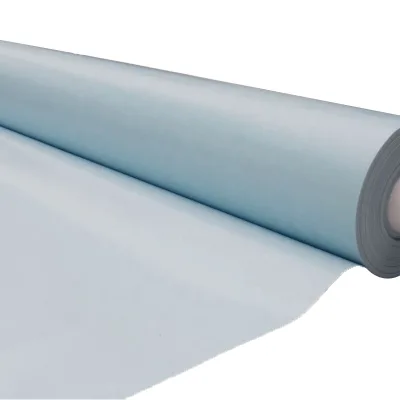

Eco-Friendly and Chlorine-Resistant PVC Coated 1.2mm Swimming Pool Liner
$1.00 - $3.00
MOQ: 2000 Meters

Chlorine-Resistant and Eco-Friendly PVC Coated 1.5mm Swimming Pool Liner
$1.00 - $3.00
MOQ: 2000 Meters


Manufacturers Directly Sell Safe and Durable Swimming Pool PVC Liner
$6.80 - $8.50
MOQ: 50 Square Meters


Good Quality Factory Supply Wholesale Swimming Pool Waterproof Liner PVC
$7.70 - $8.60
MOQ: 50 Square Meters

Comprehensive Sourcing Guide
PVC Coated Pool Safety Liner Sourcing Guide
Procuring a PVC Coated Pool Safety Liner requires a disciplined approach to material verification and supplier qualification. Buyers must distinguish between generic waterproofing membranes and specialized pool liners designed for high-traffic aquatic environments. The core keyword indicates a focus on durability and safety, necessitating a review of thickness options and surface treatments. This guide outlines the critical verification steps for sourcing these products effectively.
The following sections provide evidence-based guidance on product scope, technical specifications, compliance, cost drivers, supplier qualification, and long-term procurement checks. Each section contains two substantive paragraphs designed to help buyers make informed decisions. The guidance relies on observed listing signals and trusted category knowledge to ensure accuracy and relevance for B2B procurement professionals.
Product Scope and Observed Listing Signals
The observed product range includes PVC vinyl liners specifically engineered for swimming pool applications, with thickness styles ranging from 0.7mm to 2.0mm. Listings frequently highlight customization options for color, such as blue or mosaic patterns, and surface treatments like film coating or water wave designs. These variations allow buyers to tailor the liner’s aesthetic and functional properties to specific project requirements, ensuring both visual appeal and practical performance in aquatic settings.
Commercial signals indicate a wide MOQ range, from single rolls to 3000 units, with supply abilities reaching 10,000 square meters per week. Standard packaging involves kraft paper, poly bags, and cartons, often packed on pallets for secure transport. Origin data points to Guangzhou, China, as a primary manufacturing hub, with dispatch ports aligned to major shipping routes. Buyers should verify these logistical details to ensure alignment with their supply chain constraints and delivery timelines.
Technical Specifications to Verify
Thickness is a critical specification, with observed options including 1.2mm, 1.5mm, and 2.0mm, alongside thinner variants like 0.9mm and 0.7mm. Buyers must confirm the exact thickness required for their pool’s structural integrity and usage intensity. The standard size of 1.83m by 25m per roll is common, but custom sizes are available. Verifying the precise dimensions and weight, such as 120kg per unit, ensures accurate freight calculation and handling planning for large-scale installations.
Material properties include anti-UV and anti-corrosion features, which are essential for outdoor durability and resistance to chemical exposure. The product’s lifespan is claimed to exceed ten years, a key metric for total cost of ownership analysis. Surface treatments like anti-slip or mosaic designs enhance safety and aesthetics. Buyers should request material data sheets to confirm these properties, ensuring the liner meets the specific environmental and usage demands of their project.
Compliance and Safety Documentation
Certification status is a vital component of procurement, with observed standards including CE, ISO9001, and SGS. These certifications indicate adherence to international quality and safety management systems. Buyers must verify the validity and scope of these certificates, ensuring they cover the specific product type and manufacturing process. Documentation should be current and issued by recognized bodies to mitigate compliance risks and facilitate smooth customs clearance in target markets.
Additional safety features include anti-static, fireproof, and waterproof properties, which contribute to the liner’s overall performance and user safety. The product is suitable for both indoor and outdoor use, with applications extending to roofing and waterproofing in some contexts. Buyers should request test reports for fire resistance and chemical stability, particularly if the liner will be exposed to harsh pool chemicals or extreme weather conditions. These documents provide objective evidence of the product’s safety and durability.
Cost Drivers and Commercial Terms
Price ranges observed in listings vary from $1 to $11 per unit, reflecting differences in thickness, customization, and order volume. MOQs significantly impact unit pricing, with lower quantities often incurring higher per-unit costs. Buyers should negotiate based on their projected volume, leveraging the observed supply ability of 10,000 square meters per week to secure favorable terms. Understanding the cost structure helps in budgeting and comparing quotes from multiple suppliers accurately.
Packaging and logistics are additional cost drivers, with standard export packing in cartons and pallets affecting freight charges. The origin in Guangdong, China, offers competitive manufacturing costs but requires careful planning for shipping and import duties. Buyers should clarify Incoterms and port of dispatch, typically Guangzhou, to avoid hidden costs. Transparent commercial terms, including payment methods and warranty conditions, are essential for a successful procurement transaction and long-term supplier relationship.
Supplier Qualification and Quality Control
Supplier qualification involves verifying manufacturing capabilities and quality control processes. Buyers should assess the supplier’s production capacity, evidenced by the observed weekly supply ability, and their experience in producing PVC pool liners. Requesting factory audits or third-party inspections can provide insights into their quality management systems and production standards. This due diligence helps ensure consistent product quality and reliable delivery schedules.
Quality control checks should include visual inspections for surface defects, thickness measurements, and material composition verification. Buyers should establish clear acceptance criteria and inspection protocols before shipment. Collaborating with suppliers on pre-shipment inspections can prevent defects and reduce the risk of receiving non-conforming goods. Building a strong relationship with the supplier through regular communication and feedback fosters continuous improvement and ensures long-term product reliability.
Long-Term Procurement Checks
Long-term procurement success depends on monitoring product performance and supplier reliability over time. Buyers should track the liner’s lifespan, noting any signs of degradation, UV damage, or corrosion. Feedback from end-users regarding safety, aesthetics, and maintenance requirements is valuable for future purchasing decisions. Regularly reviewing supplier performance against agreed-upon metrics helps identify potential issues early and maintain high standards of quality and service.
Market trends and technological advancements in PVC materials should also be monitored. Suppliers may introduce new features, such as enhanced anti-bacterial properties or improved customization options. Staying informed about these developments allows buyers to upgrade their products and remain competitive. Establishing a periodic review process for procurement strategies ensures alignment with evolving project needs and industry best practices, securing a sustainable supply chain for PVC coated pool safety liners.
FAQs
What is the standard thickness for this PVC liner?
The standard thickness options are 1.2mm, 1.5mm, or 2.0mm depending on the specific style selected. These variations allow buyers to choose the appropriate durability level for their swimming pool requirements while ensuring long-term performance.
Can the liner be customized for specific pool designs?
Yes, customization is available for both the mosaic color and the surface design patterns. Buyers can request specific styles like water wave or custom designs to match their unique aesthetic preferences for indoor or outdoor swimming pools.
Which certifications does this product meet for safety?
This product meets CE, ISO9001, and SGS standards to ensure quality and safety compliance. These certifications verify that the PVC material adheres to international manufacturing requirements for waterproofing and durability in swimming pool applications.
How long is the expected life time of the liner?
The expected life time is more than 10 years under normal usage conditions. This longevity is achieved through anti-UV and anti-corrosion properties that protect the material from environmental degradation in both indoor and outdoor settings.
What is the minimum order quantity for this product?
The minimum order quantity can range from 1 roll up to 1000 square meters depending on the supplier. Buyers should verify specific MOQ requirements as they vary based on the customization level and packaging details selected.
Where is the product manufactured and shipped from?
The product originates from Guangzhou, China, and is shipped from the Guangzhou port. This location ensures efficient logistics for international buyers while maintaining the quality standards associated with the manufacturing region in Guangdong.
What functions does the liner provide for pool safety?
The liner provides anti-static, fireproof, heat insulation, and sound-absorbing functions alongside waterproofing. These features ensure a safe environment for swimmers while protecting the pool structure from water damage and environmental wear over time.