Source Ethylene Oxide Sterilized Oxygen Tubing for Hospitals, Clinics, and Home Care
Explore 30 Ethylene Oxide Sterilized Oxygen Tubing options from verified manufacturers. Compare specifications, sizes, and pricing for hospital, clinic, and home care applications to find the right supply chain partner.
Key considerations
Products List


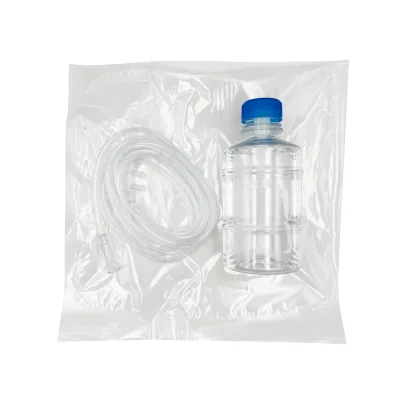


high Quality High Toughness Medical Oxygen Connection Tubing Oxygen Connection Tube
$0.19 - $0.30
MOQ: 10000 Pieces

Comprehensive Sourcing Guide
Strategic Sourcing Guide for Ethylene Oxide Sterilized Oxygen Tubing
Understanding the Product Category and Technical Specifications
When sourcing Ethylene Oxide Sterilized Oxygen Tubing, buyers must first distinguish between the specific product attributes observed in the current market and general industry expectations. The available data indicates a diverse range of catheter and tubing products, including suction catheters, endotracheal tubes, and stylets, which often share similar manufacturing materials and sterilization protocols. A critical observation from the current product listings is the prevalence of "Ethylene Oxide Sterilization" as a standard attribute for these medical devices. This sterilization method is particularly vital for oxygen tubing and related respiratory equipment, as it ensures the product is free from biological contaminants without compromising the structural integrity of the tubing materials.
The technical specifications for these items vary significantly based on their intended application. For instance, suction catheters are available in sizes ranging from 6fr to 24fr, while endotracheal tubes are categorized by internal diameters such as 6.5mm to 9.0mm or 2.5mm to 10.0mm. Oxygen tubing, often categorized under surgical supplies materials, must be evaluated for its material composition. The provided context highlights the use of "Medical Grade PVC" as a standard material for these products. This material choice is essential for flexibility, durability, and biocompatibility in respiratory applications. Furthermore, the color of the tubing is typically white, though some variations may offer white or blue options.
Buyers should verify the specific size requirements for their clinical needs. The market data shows that products are available in adult, pediatric, and infant sizes, with specific models like the "Cap-cone Type" or "Suction Type With Cuff" indicating specialized designs. The physical dimensions of the tubing and its packaging are also critical for logistics planning. For example, box specifications can range from 42x38x32 cm to 62.5x29.5x28 cm, depending on the product type and quantity. Understanding these dimensions helps in calculating shipping costs and warehouse storage requirements. Additionally, the storage conditions for these items are strictly defined; products must be stored in dry, ventilated, and cool places, or in dark, dry, and clean conditions to maintain sterility and material quality.
Compliance and Certification Verification Protocols
In the medical device sector, compliance is not merely a regulatory formality but a fundamental requirement for market access and patient safety. The observed product listings consistently reference "CE/ISO Compliant" status, indicating that manufacturers are targeting markets that require European Conformity and adherence to International Organization for Standardization guidelines. Specifically, the data mentions "ISO 13485" as a relevant standard for the quality management systems of these suppliers. This standard is crucial for organizations involved in the design, development, production, and installation of medical devices.
When evaluating potential suppliers for Ethylene Oxide Sterilized Oxygen Tubing, buyers must verify the specific scope of the certifications. While the general listings mention CE and ISO compliance, the exact standard numbers and the validity of the certificates must be confirmed through direct supplier documentation. The presence of "ISO 13485" suggests a commitment to quality management, but buyers should also inquire about specific biocompatibility standards. Although the provided text mentions "ISO 10993" and "ISO 11135" in a low-confidence context, these are highly relevant standards for medical devices. ISO 10993 covers the biological evaluation of medical devices, ensuring the materials do not cause adverse reactions, while ISO 11135 specifically addresses the requirements for ethylene oxide sterilization processes.
Buyers should request current, valid certificates from the supplier's quality assurance department. It is important to note that certifications are often tied to specific manufacturing sites. A supplier may hold a certificate for one facility but not another. Therefore, verification should include the specific factory location, such as Guangdong or Zhejiang in China, as indicated in the product origin data. The certification documents should clearly state the product categories covered, ensuring that oxygen tubing is explicitly included in the scope. Additionally, buyers should check for any recent audit reports or non-conformity records associated with the certification body to ensure ongoing compliance.
Cost Drivers and Pricing Structure Analysis
The pricing structure for Ethylene Oxide Sterilized Oxygen Tubing is influenced by several factors, including material costs, sterilization processes, order volume, and customization requirements. The observed market data shows a wide price range, with sample prices as low as $0.10 per piece and general listed prices ranging from $0.01 to $80.00. This variance highlights the impact of product complexity and order quantity on the final cost. For instance, specialized items like "Intubating Stylets" or "Tracheal Tube Suction Type with Cuff" may command higher prices due to their intricate design and the additional materials required.
Minimum Order Quantity (MOQ) is another significant cost driver. The data indicates an MOQ range from 1 piece for samples to 100,000 pieces for bulk orders. Buyers should be aware that unit costs typically decrease as the order volume increases. However, the initial sample cost, often around $0.10 to $0.35 per piece, serves as a baseline for evaluating product quality before committing to larger orders. Customization options, such as logo printing or specific packaging requirements, can also influence the price. The availability of OEM services suggests that buyers can request tailored solutions, which may incur additional setup or tooling costs.
Packaging and logistics costs are also embedded in the overall pricing. The product listings detail various packaging configurations, such as 1 piece per blister bag, 50 pieces per box, and 300 pieces per carton. The choice of packaging material, whether corrugated boxes or PE & Paper-Plastic bags, affects the shipping weight and volume. Furthermore, the storage conditions and transport requirements must be factored into the total cost of ownership. For example, products requiring dark, dry, and clean storage conditions may need specialized handling during transit, potentially increasing shipping expenses. Buyers should request a detailed breakdown of costs, including unit price, packaging fees, sterilization charges, and logistics, to make an informed procurement decision.
Typical Applications and Clinical Use Cases
Ethylene Oxide Sterilized Oxygen Tubing serves a critical role in various medical settings, from emergency care to long-term respiratory support. The primary application is in the delivery of oxygen to patients who require respiratory assistance. The tubing must be flexible, durable, and free from contaminants to ensure safe and effective oxygen flow. The data indicates that these products are used in conjunction with other respiratory devices, such as endotracheal tubes and suction catheters. For example, the "Tracheal Tube Suction Type with Cuff" and "Standard Endotracheal Tube with Cuff" are designed for intubation procedures, where the tubing plays a vital role in maintaining airway patency.
The versatility of these products is evident in the range of sizes available, catering to adult, pediatric, and infant patients. This adaptability is essential for hospitals and clinics that treat patients of all ages. The specific design features, such as the "Cap-cone Type" or "Suction Type," suggest specialized applications where precise control of airflow or suction is required. In surgical settings, the tubing must be compatible with anesthesia machines and ventilators, ensuring a seamless connection and reliable performance.
Furthermore, the use of medical-grade PVC ensures that the tubing is suitable for prolonged contact with patients. The material's flexibility allows for easy maneuvering in tight spaces, while its durability prevents kinking or bursting under pressure. The color coding, typically white or blue, helps medical staff quickly identify the correct tubing for specific procedures. The storage conditions, requiring dry and cool environments, are also relevant to the clinical setting, as they ensure the tubing remains sterile and functional until the moment of use. Buyers should consider the specific clinical workflows of their facilities when selecting the appropriate tubing, ensuring that the product meets the demands of their patient population and medical procedures.
Supplier Evaluation and Quality Control Standards
Selecting a reliable supplier for Ethylene Oxide Sterilized Oxygen Tubing requires a rigorous evaluation process that goes beyond price comparisons. Buyers should assess the supplier's manufacturing capabilities, quality control systems, and track record in the medical device industry. The observed data points to suppliers located in Guangdong and Zhejiang, China, which are known manufacturing hubs for medical supplies. However, the location alone is not a sufficient indicator of quality. Buyers must verify the supplier's adherence to international standards, such as ISO 13485, and their ability to maintain consistent product quality.
Quality control is paramount in the production of medical devices. Suppliers should implement strict quality assurance protocols throughout the manufacturing process, from raw material sourcing to final packaging. The use of medical-grade PVC and the implementation of ethylene oxide sterilization are critical steps that must be monitored closely. Buyers should request documentation of the sterilization process, including validation reports and cycle parameters, to ensure that the products meet the required sterility assurance levels. Additionally, the packaging details, such as the use of blister bags and corrugated boxes, should be evaluated for their ability to protect the product during transit and storage.
The supplier's ability to handle customization requests is another important factor. The data indicates that logo printing and OEM services are available, suggesting that suppliers are flexible in meeting specific buyer requirements. However, buyers should ensure that any customization does not compromise the product's integrity or sterility. The sample process, with low minimum order quantities, allows buyers to test the product quality before placing larger orders. Buyers should use this opportunity to evaluate the product's performance, packaging, and documentation. Finally, the supplier's responsiveness to inquiries and their willingness to provide detailed information about their quality control processes are strong indicators of their reliability as a long-term partner.
Long-Term Procurement and Supply Chain Considerations
Establishing a long-term procurement strategy for Ethylene Oxide Sterilized Oxygen Tubing involves more than just securing a one-time purchase. Buyers must consider the stability of the supply chain, the potential for future demand fluctuations, and the ability of the supplier to scale production. The observed MOQ range, from 1 piece to 100,000 pieces, suggests that suppliers are capable of handling both small and large orders. However, buyers should negotiate terms that allow for flexibility in order quantities to accommodate changes in patient volume or clinical needs.
Lead times and delivery schedules are critical components of supply chain management. While the provided data does not specify exact lead times, buyers should inquire about the typical production and shipping durations. Ethylene oxide sterilization is a time-consuming process, and any delays in this stage can impact the overall delivery schedule. Buyers should also consider the impact of global events, such as pandemics or supply chain disruptions, on the availability of raw materials and finished products. Establishing a relationship with a supplier who has a robust contingency plan can help mitigate these risks.
Sustainability and environmental considerations are increasingly important in medical device procurement. The use of ethylene oxide, while effective for sterilization, raises environmental concerns. Buyers should inquire about the supplier's efforts to minimize the environmental impact of their sterilization processes and their commitment to sustainable manufacturing practices. Additionally, the packaging materials used, such as corrugated boxes and PE bags, should be evaluated for their recyclability and environmental footprint. By prioritizing suppliers who align with these values, buyers can contribute to a more sustainable healthcare system while ensuring a reliable supply of high-quality oxygen tubing.
FAQs
What certifications do Ethylene Oxide Sterilized Oxygen Tubing products hold?
Products are CE and ISO compliant, with specific adherence to ISO 13485 standards for quality management. Buyers should verify that certificates cover the specific manufacturing site and product category before procurement.
How are Ethylene Oxide Sterilized Oxygen Tubing products packaged for shipment?
Items are typically packed in blister bags, boxes, and corrugated cartons with specific dimensions like 62.5x29.5x28 cm. Packaging details vary by product type, such as 50 pieces per box for certain catheters.
Which sizes are available for Ethylene Oxide Sterilized Oxygen Tubing and related catheters?
Available sizes range from 6fr to 24fr for suction catheters and 2.0mm to 10.0mm for endotracheal tubes. Options include adult, pediatric, and infant sizes to meet diverse clinical requirements.
Can buyers request customization like logo printing for Ethylene Oxide Sterilized Oxygen Tubing?
Yes, customization is available including logo printing and OEM services. Buyers can request tailored packaging or branding, though setup costs may apply depending on the specific order volume and design complexity.
What are the storage conditions required for Ethylene Oxide Sterilized Oxygen Tubing?
Products must be stored in dry, ventilated, and cool places or in dark, dry, and clean conditions. Maintaining these environments ensures sterility and prevents material degradation before clinical use.
What is the minimum order quantity for Ethylene Oxide Sterilized Oxygen Tubing samples?
Samples can be ordered with a minimum quantity of 1 piece at prices ranging from $0.10 to $0.35 per piece. Bulk orders may have different MOQs, extending up to 100,000 pieces for large volume procurement.