Source PVC Insole Plush Slippers for Home, Winter, and Indoor Use
Explore 30 listings of PVC Insole Plush Slippers designed for indoor comfort and seasonal warmth. Buyers can compare features like anti-slip soles, custom designs, and material options from verified manufacturers in China.
Key considerations
Products List


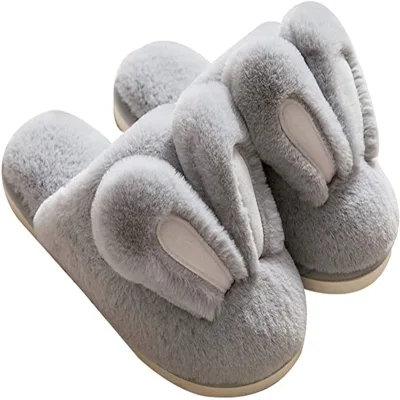
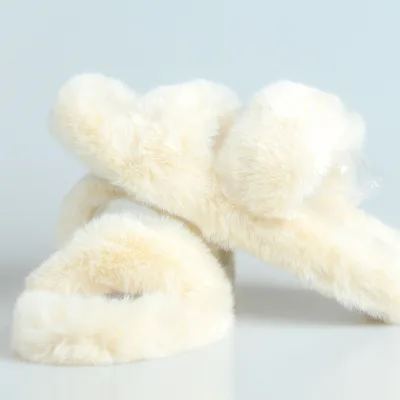
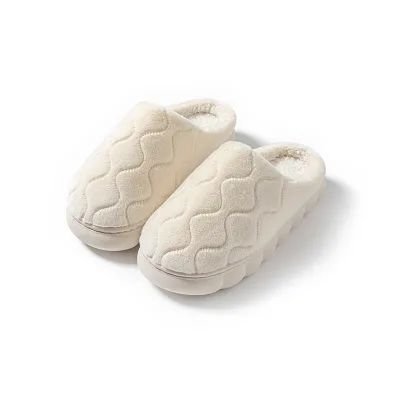
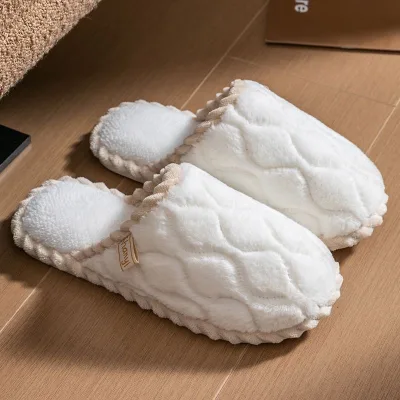
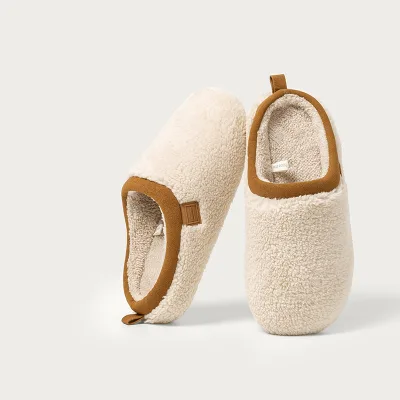
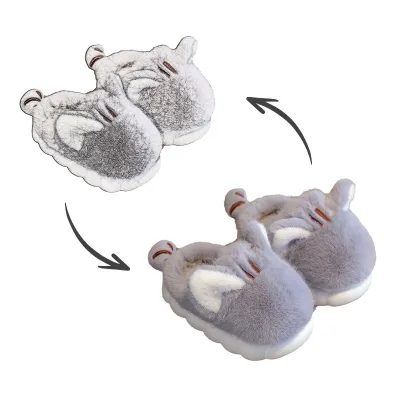
Custom Service black slippers plush animal slippers white fuzzy slippers
$4.00 - $5.00
MOQ: 2000 pairs
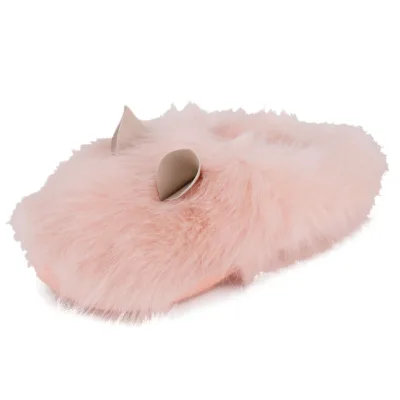
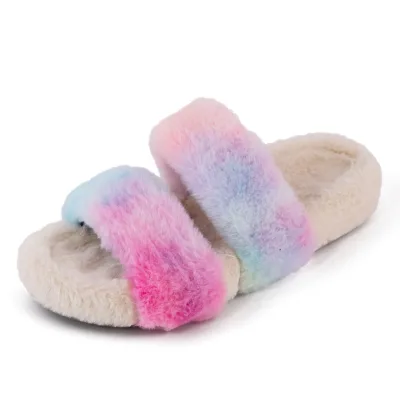
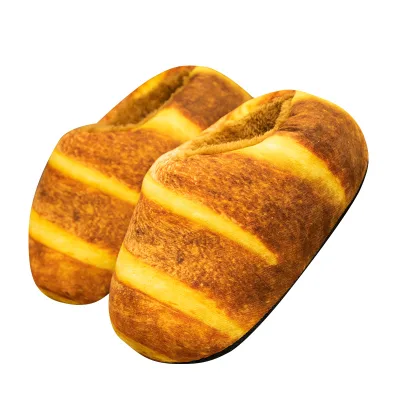
Cute Novelty slippers Closed Toe slippers With Plush Insoles Plushies slippers
$2.87 - $2.97
MOQ: 2000 pairs
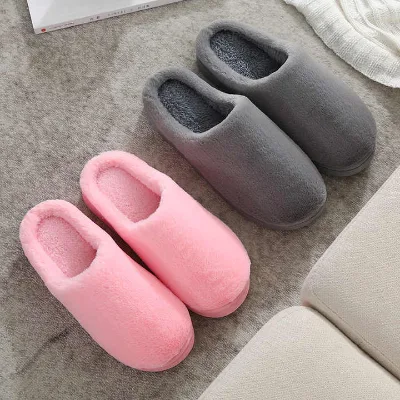
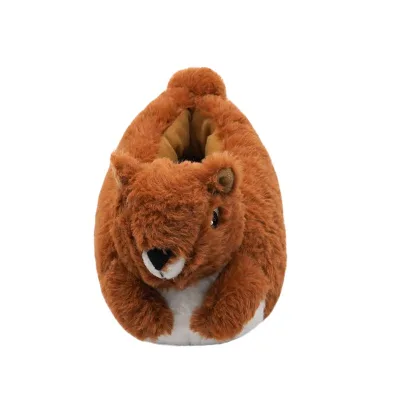
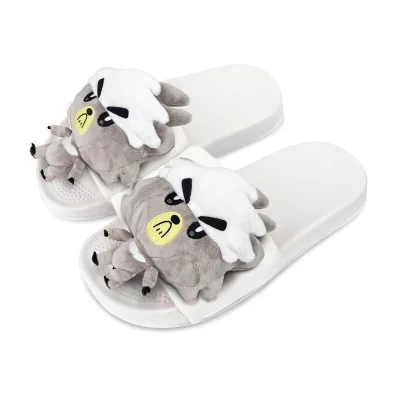
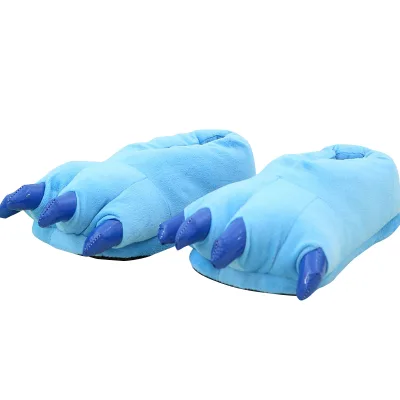


Comprehensive Sourcing Guide
Strategic Sourcing Guide for PVC Insole Plush Slippers
Understanding Product Composition and Technical Specifications
The core keyword "PVC Insole Plush Slippers" describes a specific category of indoor footwear defined by the interaction between a soft, insulating upper and a durable, molded sole. Based on observed market data, these products typically feature an upper constructed from fluffy plush or fur materials, designed to provide warmth and comfort for home environments. The primary material for the upper is often listed as plush, fur, or a combination of both, which aligns with the product's intended use as a winter, spring, or autumn accessory. The defining technical characteristic of this category is the sole composition. While some listings indicate an EVA midsole or PVC outsole, the specific focus on "PVC insole" suggests a construction where the footbed or mid-layer utilizes Polyvinyl Chloride (PVC) for structural integrity and moisture resistance.
The product specifications reveal a wide variance in design models, ranging from model numbers like 1770B and 1704A to HC22023. These variations often dictate the specific aesthetic and functional attributes. For instance, styles may include wave designs, fruit embroidery, unicorn designs, or Halloween themes, indicating that customization is a significant driver in this sector. The sizing typically spans from US sizes 35 to 41, catering to a unisex demographic. The color palette is extensive, frequently including white, brown, pink, orange, green, blue, black, purple, grey, beige, red, and yellow. This diversity allows buyers to target specific seasonal trends or promotional campaigns.
A critical observation regarding the construction is the distinction between the upper and the sole materials. While the upper is consistently plush or fur, the outsole is frequently PVC, which offers a balance between grip and flexibility. However, the presence of an EVA midsole in some models suggests that "PVC insole" may refer to a specific layering technique or a variation in the product line where the footbed is rigid PVC to prevent deformation, while the outsole provides traction. Buyers must verify the exact layering of materials, as the term "insole" can sometimes be used interchangeably with "midsole" in product descriptions. The standard size range for the product is noted as 250-290mm, which corresponds to the standard European and Asian sizing conventions often used in manufacturing.
Compliance, Certification, and Safety Standards
When sourcing PVC-based footwear, compliance with international safety and environmental standards is paramount. The supply chain for PVC products often requires verification of chemical restrictions, particularly regarding phthalates and heavy metals, which are common concerns in plastic manufacturing. While specific certification statuses cannot be confirmed for every listed product without direct supplier documentation, the presence of "Quality" and "Promotion" as listed standards indicates that manufacturers generally adhere to baseline quality control protocols.
Buyers should be aware that while some background data mentions REACH compliance, this should not be assumed as a universal fact for all suppliers without explicit verification. REACH (Registration, Evaluation, Authorisation and Restriction of Chemicals) is a critical regulation for the European market, and any supplier claiming compliance must provide valid test reports. Similarly, the "Quality" standard mentioned in the product data is a generic descriptor and does not replace specific international certifications like ISO 9001 or specific footwear safety standards (e.g., ASTM or EN standards for slip resistance).
The "Hand Made" attribute observed in several listings suggests a labor-intensive production process. This can impact consistency in quality control. Hand-made items may exhibit slight variations in stitching, plush density, or sole bonding. Therefore, the compliance check must extend beyond chemical safety to include physical safety. Buyers should request test results for slip resistance, especially since the outsole material is PVC, which can become slippery when wet. Additionally, the "Lighted" feature mentioned in some product attributes introduces electrical safety considerations. If the slippers include LED components, the supplier must demonstrate compliance with low-voltage electrical safety standards to prevent fire hazards or battery leakage.
Cost Drivers and Pricing Dynamics
The pricing for PVC Insole Plush Slippers is influenced by a complex interplay of material costs, labor intensity, and customization requirements. The observed price range in the market spans from $0.99 to $10.36 USD. This wide disparity is not merely a reflection of brand value but is heavily driven by the complexity of the design and the volume of the order. The lower end of the price spectrum typically corresponds to basic models with standard colors and minimal customization, often produced in high volumes. Conversely, the higher price points are associated with complex designs, such as those featuring fruit embroidery, unicorn designs, or lighted features, which require additional manufacturing steps and higher material costs.
Material costs are a primary driver. The use of "Fluffy Plush" and "Fur" as upper materials varies significantly in price depending on the quality of the synthetic fibers used. High-density plush that retains its shape and softness after washing commands a premium. Similarly, the type of PVC used for the insole and outsole affects the cost. Thicker, more durable PVC formulations that offer better anti-slip properties are more expensive than thin, flexible variants. The inclusion of an EVA midsole, as seen in some models, also adds to the material cost compared to a single-layer PVC sole.
Labor costs play a significant role, particularly given the "Hand Made" attribute. Products that require intricate embroidery, such as the fruit or unicorn designs, involve more manual labor, which increases the unit cost. The customization factor is another major cost driver. Suppliers listed as accepting OEM (Original Equipment Manufacturer) orders allow for branding and design changes, but these services often come with a higher price per unit due to the setup costs and smaller production runs associated with custom orders.
The Minimum Order Quantity (MOQ) is a critical factor in determining the final landed cost. The observed MOQ range is from 1 to 2000 units. For buyers seeking the lowest unit price, ordering near the upper limit of the MOQ range (e.g., 2000 units) is essential. Suppliers often offer tiered pricing, where the cost per unit drops significantly as the order volume increases. The packaging details, such as the carton size of 63 x 45 x 58 cm and the capacity of 40 pairs per carton, also impact logistics costs. Efficient packing reduces shipping volume, which is a hidden cost driver in international procurement.
Typical Applications and Market Segmentation
PVC Insole Plush Slippers are primarily designed for indoor use, with a specific focus on the "Home" occasion. The seasonal attributes of "Winter," "Spring," and "Autumn" indicate that these products are versatile but are most critical during colder months. The plush and fur materials provide necessary insulation, making them ideal for residential settings where warmth is a priority. However, the design variations suggest that these slippers also serve as promotional items or gifts. The "Promotion" standard and the availability of OEM services indicate that a significant portion of this market is driven by corporate gifting, hotel amenities, and retail promotions.
The "Halloween" and "Fruit Embroidery" styles point to a strong seasonal marketing component. These themed products are often purchased for specific events or holidays, creating a spike in demand during those periods. The "Lighted" feature further expands the application to children's wear or novelty items, targeting a demographic that values fun and visual appeal over pure utility. The unisex nature of the product allows for broad market coverage, making these slippers suitable for family packs or mixed-gender retail assortments.
The "Hand Made" aspect adds a perceived value that can be leveraged in marketing. Products marketed as handcrafted often appeal to consumers looking for higher quality or unique items compared to mass-produced factory goods. This positioning allows suppliers to target the mid-to-high end of the domestic market, where consumers are willing to pay a premium for comfort and aesthetics. The "Carton" packaging and the ability to customize packing details suggest that these products are also suitable for bulk distribution to hotels, resorts, and rental properties, where durability and brand visibility are key.
Supplier Evaluation and Sourcing Strategy
Evaluating suppliers for PVC Insole Plush Slippers requires a multi-faceted approach that goes beyond price comparison. The "Place of Origin" is consistently listed as China, with specific mentions of Zhejiang as a production hub. This region is known for its textile and footwear manufacturing capabilities, but it also implies a high level of competition. Buyers should verify the supplier's capacity to handle the specific customization requirements, such as the "Fruit Embroidery" or "Unicorn Design," which may require specialized machinery or skilled labor.
The "OEM" and "Customization" attributes are critical indicators of a supplier's flexibility. A supplier that accepts OEM orders is likely to have the infrastructure for branding and design changes. However, buyers must assess the supplier's track record in delivering consistent quality across custom batches. The "Hand Made" attribute suggests that quality control is more challenging than in fully automated production lines. Buyers should request samples of hand-made items to inspect the stitching, the density of the plush, and the bonding of the PVC sole.
Supplier reliability is also tied to their packaging and logistics capabilities. The detailed packaging information, such as the carton dimensions and the capacity of 6500 pairs in a 20 GP container, indicates that the supplier has experience with international shipping. Buyers should verify if the supplier can handle the "Customized packing" requests, as this can be crucial for retail presentation. The "Selling Units" being listed as "Single item" suggests that the supplier is flexible with order sizes, which is beneficial for small buyers, but buyers should be aware that unit costs will be higher for single-item orders.
When evaluating suppliers, buyers should also consider the lead time and the ability to meet seasonal deadlines. Given the seasonal nature of the product, delays can result in missed sales opportunities. The "Standard" and "Quality" attributes should be backed by concrete quality control processes. Buyers should ask for the supplier's internal quality assurance protocols, particularly for the bonding of the PVC sole to the plush upper, which is a common failure point in footwear manufacturing.
Quality Control and Long-Term Procurement Considerations
Maintaining consistent quality in PVC Insole Plush Slippers requires a robust quality control (QC) framework. The primary areas of concern are the durability of the sole, the retention of the plush texture, and the safety of any added features like lights. The PVC outsole must be tested for slip resistance, especially since the product is intended for indoor use where spills may occur. The bonding between the sole and the upper is critical; delamination is a common defect that can render the slippers unusable. Buyers should implement random sampling inspections that include a pull-test on the sole to ensure the adhesive bond is strong.
The plush material must be evaluated for shedding and color fastness. Low-quality plush can shed excessively, creating a mess and reducing the product's lifespan. Color fastness tests are necessary to ensure that the vibrant colors, such as pink, orange, and green, do not bleed during washing or contact with moisture. For products with "Lighted" features, electrical safety testing is non-negotiable. Buyers should verify that the batteries are securely housed and that the wiring is insulated to prevent short circuits.
Long-term procurement considerations involve building a sustainable relationship with suppliers who can scale production as demand grows. The ability to customize packaging and design is a significant advantage for buyers looking to build a private label. However, buyers must ensure that the supplier can maintain quality consistency as order volumes increase. The "Hand Made" aspect may become a bottleneck if the supplier relies on a limited number of skilled workers. Buyers should inquire about the supplier's labor capacity and whether they have contingency plans for scaling up production.
Environmental sustainability is also becoming a key consideration. While the "PVC" material is durable, it is not biodegradable. Buyers interested in sustainable sourcing should explore whether the supplier offers eco-friendly alternatives or recycling programs for the PVC components. The "REACH" background data suggests that chemical compliance is a growing concern, and buyers should proactively request updated compliance certificates to ensure their products meet evolving environmental regulations.
Final Procurement Recommendations
Sourcing PVC Insole Plush Slippers requires a balanced approach that prioritizes technical specifications, quality assurance, and supplier flexibility. The wide range of models, from simple winter slippers to lighted, embroidered designs, offers significant opportunities for market differentiation. However, the variability in material quality and manufacturing processes necessitates rigorous due diligence. Buyers should focus on verifying the specific material composition, particularly the PVC insole and plush upper, to ensure they meet their performance expectations.
The pricing dynamics, with a range from $0.99 to $10.36, highlight the importance of volume in achieving cost efficiency. Buyers should leverage the MOQ flexibility to negotiate better terms while ensuring that the quality does not compromise at lower price points. The "Hand Made" attribute adds value but requires careful quality control to prevent inconsistencies. By focusing on suppliers with strong OEM capabilities and a proven track record in quality control, buyers can secure a reliable supply chain for these versatile indoor footwear products.
Ultimately, the success of a procurement strategy for PVC Insole Plush Slippers depends on clear communication of requirements, thorough sample testing, and a commitment to ongoing quality monitoring. By adhering to these principles, buyers can navigate the complexities of the market and secure high-quality products that meet the demands of their target customers.
FAQs
Can these slippers be customized for specific brand requirements?
Yes, customization is available for these slippers to meet specific brand needs. Suppliers accept OEM orders and can adjust designs like embroidery or colors to match your requirements.
What is the typical price range for these indoor slippers?
The observed price range for these slippers is between 0.99 and 10.36 USD per unit. Final pricing depends on the selected model, material quality, and order volume.
Which materials are used for the upper and sole construction?
The upper material is typically fluffy plush or fur, while the outsole is made of PVC. Some models also feature an EVA midsole for added comfort and durability.
What are the available seasonal options for these footwear items?
These slippers are designed for winter, spring, and autumn seasons. They provide warmth and comfort suitable for indoor home use during cooler months.
How does the minimum order quantity affect the unit cost?
The minimum order quantity ranges from 1 to 2000 units, influencing the final unit cost. Higher volumes often secure lower prices due to economies of scale.
Where are these slippers typically manufactured and shipped from?
These slippers originate from China, with specific production hubs in Zhejiang. Suppliers handle packaging in cartons suitable for international shipping logistics.
What style variations are available for these plush slippers?
Available styles include wave designs, fruit embroidery, unicorn designs, and Halloween themes. Colors range from white and pink to brown, green, and blue.