Source PVD Gold Coating Machine for Decorative, Metal, and Ceramic
Find 30 PVD Gold Coating Machine listings from Guangdong suppliers. Buyers can compare models like HCCA and LH-series, coating technologies, and chamber sizes for decorative, metal, and ceramic applications.
Key considerations
Products List


Stainless Steel Sheet Gold Black Blue Rose Gold Color PVD Coating Machine
$80000.00 - $300000.00
MOQ: 1 Sets


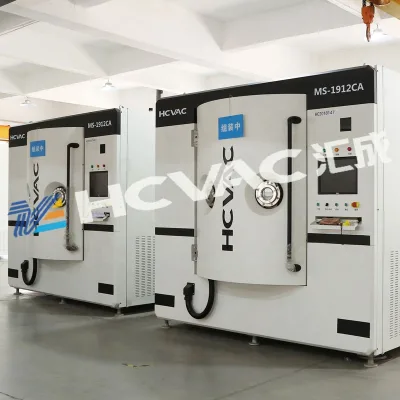


PVD Coating Machine for Stainless Steel and Silver Jewelry Tin or Real Gold Coating
$40000.00 - $120000.00
MOQ: 1 Sets

Professional PVD Coating Equipment for Jewelry Golden Color Coating
$40000.00 - $120000.00
MOQ: 1 Sets

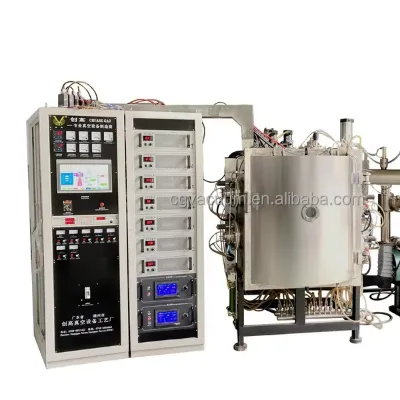
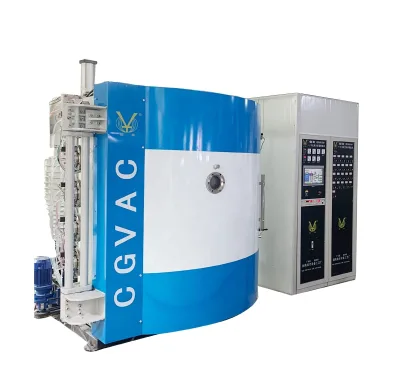
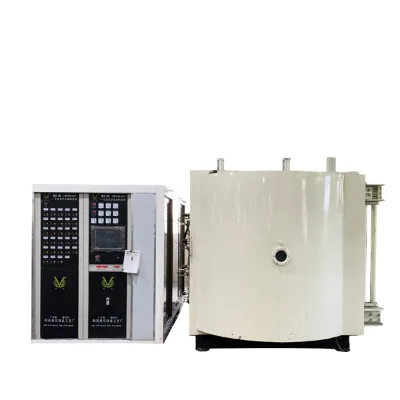
Drum pvd coating equipment vacuum coating machine for coating Plastic bead
$49914.62 - $51994.40
MOQ: 1 sets
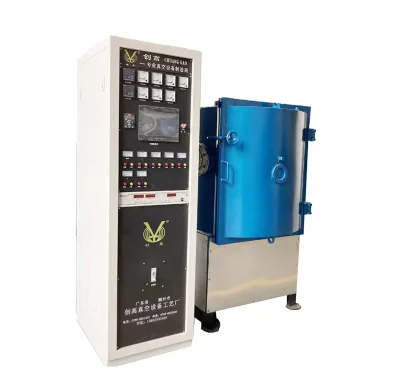
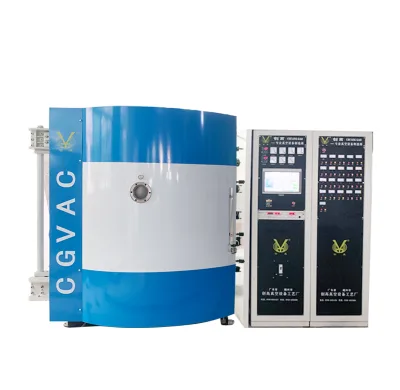


Jewelry PVD Vacuum Coating Machine for Get Gold, Blue, Black Color
$75000.00 - $160000.00
MOQ: 1 Pieces


PVD Titanium Chromium Nitride Gold Rosegold Black with Other Colors Plasma Coating Machine
$15000.00 - $89000.00
MOQ: 1 Pieces
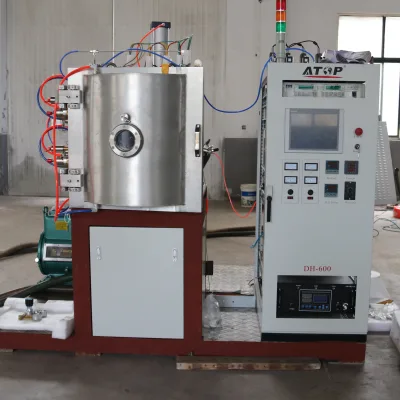
Atop Real Gold Plating Machine Small PVD Coating Machine with High Adhesion PVD Technology
$25497.53 - $50995.06
MOQ: 1 sets

PVD Coating Machine Manufacturers in China for Ceramic/Gold Vacuum Coating Machine
$36000.00 - $155000.00
MOQ: 1 Sets


Comprehensive Sourcing Guide
Strategic Sourcing Guide for PVD Gold Coating Machines
Understanding Core Technical Specifications and Architecture
When sourcing a PVD Gold Coating Machine, the primary objective is to identify equipment that aligns with specific production requirements while maintaining structural integrity. The market offers machines with distinct architectural configurations, most notably vertical single-door structures designed for efficient loading and unloading. The core of these systems relies on advanced coating technologies, including ion coating, ion plating, and plasma sputtering. These processes are essential for achieving the desired metallic finishes, such as gold, rosegold, silver, black, blue, and rainbow hues, on various substrates.
The physical dimensions of the vacuum chamber are a critical specification that dictates production capacity. Available chamber sizes vary significantly to accommodate different batch volumes, with standard configurations often cited as 1250mm x 1500mm, 1400mm x 1600mm, and 1600mm x 1800mm. Smaller units may be available at 800mm x 1000mm, while larger production lines might utilize custom dimensions. The chamber material is typically constructed from stainless steel to ensure durability and resistance to the harsh vacuum environment. The substrate materials processed by these machines include steel, stainless steel, metal alloys, ceramics, and glass. Buyers must verify that the machine's internal geometry supports the specific geometry of the parts to be coated, as the coating film thickness and uniformity depend heavily on the line-of-sight nature of the deposition process.
Operational Control Systems and Automation Levels
The efficiency of a PVD coating operation is heavily dependent on the control system architecture. Modern machines are predominantly equipped with PLC (Programmable Logic Controller) systems integrated with touch screen interfaces. This combination allows for precise control over process parameters such as pressure, voltage, and gas flow. The control mode can range from fully automatic operation to manual control, with many suppliers offering an "all-in-one" or integrated system that allows operators to switch between automatic and manual modes as needed.
The operating system interface is designed to facilitate complex process recipes. For high-volume production, the automatic PLC touch screen control ensures repeatability and reduces human error. However, for prototyping or specific custom runs, the availability of manual override capabilities is a valuable feature. The control system also manages the multi-arc ion coating technology, which is often highlighted for its ability to produce dense, adherent films. Buyers should verify that the control software supports the specific coating materials required, such as titanium targets, which are commonly used as raw materials for generating the plasma necessary for deposition. The integration of these systems ensures that the machine can handle the complexity of creating durable, decorative coatings on a wide range of industrial applications.
Compliance, Certification, and Safety Standards
In the global B2B market, compliance with international standards is a non-negotiable aspect of procurement. The supplied product data indicates that many machines in this category carry ISO and CE certifications. These certifications suggest that the equipment meets specific safety and quality management benchmarks, which is crucial for importing machinery into regions with strict regulatory environments. The CE mark, in particular, indicates conformity with health, safety, and environmental protection standards for products sold within the European Economic Area.
However, buyers must exercise due diligence. While the presence of ISO and CE marks is observed in the product listings, the specific standard numbers (such as ISO 9001) should be verified directly with the supplier rather than assumed. Certification status can vary between different models or production batches. It is essential to request valid, up-to-date certification documents before finalizing a purchase. The machinery must also adhere to local electrical safety standards in the buyer's region, which may require additional modifications or testing. The origin of the equipment, frequently listed as Guangdong, China, implies a need for careful review of the manufacturer's quality management system to ensure that the certification is current and applicable to the specific model being purchased.
Cost Drivers and Economic Considerations
The price range for PVD gold coating machines is exceptionally broad, spanning from approximately $22 to $300,000 USD. This vast disparity is driven by several key factors, including chamber size, automation level, and the complexity of the coating technology. A basic unit with a smaller chamber and manual controls will occupy the lower end of the spectrum, while a fully automated, large-chamber production line with advanced multi-arc ion technology will command a premium price.
The Minimum Order Quantity (MOQ) for these industrial machines is typically low, often observed as 1 unit, which allows for flexible procurement strategies. However, the total cost of ownership extends beyond the initial purchase price. Buyers must consider the cost of consumables, such as titanium targets and other coating materials, as well as the energy consumption required to maintain high-vacuum conditions. The packaging method, often utilizing 20FT or 40FT containers or wooden packages, also impacts shipping costs. Additionally, the location of the manufacturer in Guangdong, China, influences logistics and lead times. Buyers should calculate the total landed cost, including freight, insurance, and customs duties, to make an accurate budget comparison.
Typical Applications and Material Compatibility
PVD gold coating machines are versatile tools used across various industries for decorative and functional applications. The primary application is decorative coating, where the machine creates colorful, durable finishes on metal and non-metal substrates. The ability to produce gold, rosegold, silver, and black finishes makes these machines ideal for the jewelry, watchmaking, and fashion accessory sectors. Furthermore, the technology is widely used in the hardware industry for coating door handles, locks, and bathroom fixtures, where aesthetic appeal and corrosion resistance are paramount.
The material compatibility is extensive, covering stainless steel, metal alloys, ceramics, and glass. The coating film materials can include tin, titanium carbide (TiC), titanium carbonitride (TiCN), titanium aluminum nitride (TiAlN), chromium nitride (CrN), copper, and gold. This versatility allows manufacturers to produce parts that require specific hardness, wear resistance, or aesthetic properties. For instance, the use of TiAlN coatings can significantly enhance the durability of cutting tools, while gold and rosegold coatings are preferred for consumer electronics and luxury goods. Buyers should ensure that the selected machine can handle the specific raw materials and target types required for their intended application.
Supplier Evaluation and Service Infrastructure
Selecting the right supplier is as critical as selecting the machine itself. The market features a mix of manufacturers and trading companies, with many suppliers based in Guangdong, China. A key differentiator is the level of after-sales service provided. Reputable suppliers offer comprehensive support, including installation, training, and professional solutions to ensure the machine operates correctly upon arrival. The service model often includes a combination of manufacturing and trading capabilities, allowing for greater flexibility in customization and support.
Buyers should evaluate suppliers based on their ability to provide customization services. The product data indicates that customization is available for various aspects, including chamber size, standard dimensions, and coating processes. This flexibility is essential for businesses with unique production needs. Additionally, the brand reputation, such as Hcvac or Dongguan-based entities, should be researched to gauge reliability. The business type, whether a direct manufacturer or a supplier, impacts the pricing structure and the depth of technical support available. It is advisable to request references and case studies to verify the supplier's track record in delivering and supporting PVD coating systems.
Quality Control and Long-Term Procurement Strategy
Ensuring long-term reliability requires a robust quality control strategy. Buyers must verify the condition of the machine, which is typically listed as "New," but should also inspect the manufacturing quality of the components. The vacuum coating process requires precise engineering to maintain consistent film quality. Regular maintenance and the availability of spare parts are critical for minimizing downtime. The supplier's commitment to after-sales service, including training and professional solutions, plays a vital role in the machine's lifecycle.
Procurement should also consider the scalability of the equipment. As production needs grow, the ability to upgrade the machine or integrate it into a larger production line becomes important. The modular nature of some systems, such as the LH-series or JTL-series, may offer advantages in this regard. Buyers should establish clear communication channels with the supplier for ongoing support and troubleshooting. Finally, verifying the origin and standard compliance of the machine ensures that the investment is protected against regulatory issues and quality failures. By focusing on these long-term considerations, buyers can secure a reliable partnership that supports their production goals for years to come.
Comparative Analysis of Key Machine Features
To assist in the decision-making process, the following table summarizes the key technical and operational features observed in the market for PVD gold coating machines. This comparison highlights the variability in specifications and helps buyers identify the features most relevant to their specific needs.
| Feature Category | Common Specifications & Options | Verification Requirement |
|---|---|---|
| Structure | Vertical, Single Door | Confirm door size and loading mechanism compatibility. |
| Chamber Size | 800x1000mm to 1600x1800mm (Customizable) | Verify internal volume against part dimensions. |
| Coating Technology | Ion Coating, Ion Plating, Plasma Sputtering, Multi-Arc | Ensure technology matches required film properties. |
| Control System | PLC + Touch Screen (Auto/Manual/Integrated) | Test interface responsiveness and recipe management. |
| Coating Colors | Gold, Rosegold, Silver, Black, Blue, Rainbow | Request sample coatings on target material. |
| Substrate Material | Steel, Stainless Steel, Alloy, Ceramic, Glass | Confirm material compatibility and fixturing options. |
| Certifications | ISO, CE (Verify specific standard numbers) | Request current certification documents. |
| Origin | Guangdong, China | Verify shipping logistics and lead times. |
| Service | Installation, Training, After-Sales Support | Define scope of service in the contract. |
This structured approach to evaluating PVD gold coating machines ensures that buyers make informed decisions based on verified data and practical requirements, rather than marketing claims alone. By focusing on technical specifications, compliance, and supplier reliability, organizations can secure equipment that delivers consistent, high-quality results in their production environments.
FAQs
What certification do PVD gold coating machines typically have?
Many machines in this category carry ISO and CE certifications to meet international safety and quality standards. Buyers should verify specific standard numbers directly with the supplier before purchase.
Which chamber sizes are available for these coating machines?
Standard configurations include sizes like 1250x1500mm, 1400x1600mm, and 1600x1800mm, with smaller units at 800x1000mm. Custom dimensions are also available to accommodate specific batch volumes and part geometries.
Can the machine operate with automatic and manual control modes?
Yes, most units feature an integrated PLC system with a touch screen that supports both automatic and manual operation. This allows operators to switch modes for prototyping or high-volume production as needed.
What materials can be coated using this PVD technology?
The machines process substrates such as steel, stainless steel, metal alloys, ceramics, and glass. Various coating films like TiC, TiCN, and gold are achievable on these diverse material types.
How are these machines packaged for international shipping?
Products are typically packed in 20FT or 40FT containers, or sometimes in wooden packages depending on the model. This ensures safe transport while accounting for the large physical dimensions of the equipment.
What after-sales services are provided by the manufacturers?
Suppliers generally offer installation, training, and professional solutions to ensure correct operation upon arrival. Many vendors combine manufacturing and trading capabilities to provide comprehensive support and spare parts.
What is the price range for a PVD Gold Coating Machine?
Prices vary widely from approximately $22 to $300,000 USD depending on chamber size and automation level. The final cost is influenced by factors like customization, packaging, and shipping logistics from the origin.