Source PVD Plated Dog Neck Chain for Collars, Leashes, and Accessories
Source PVD Plated Dog Neck Chain options from 30 verified listings. Compare specifications like width, material grade, and customization availability to find suitable components for pet accessories and industrial applications.
Key considerations
Products List


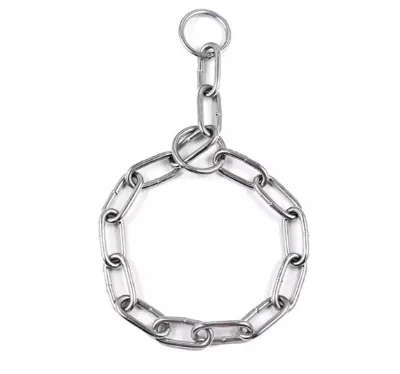
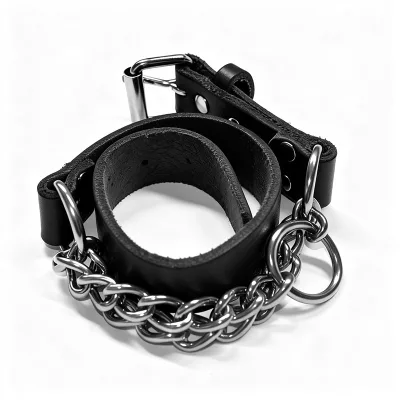
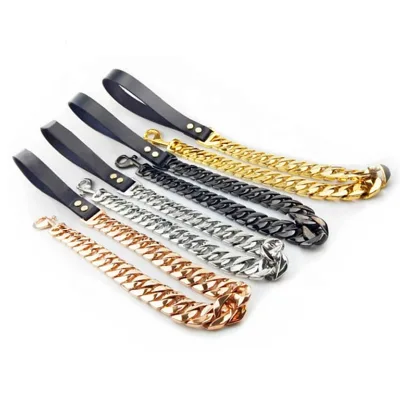


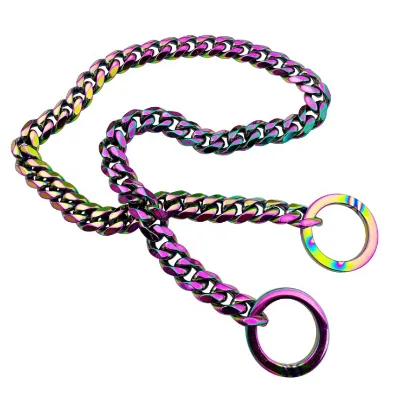
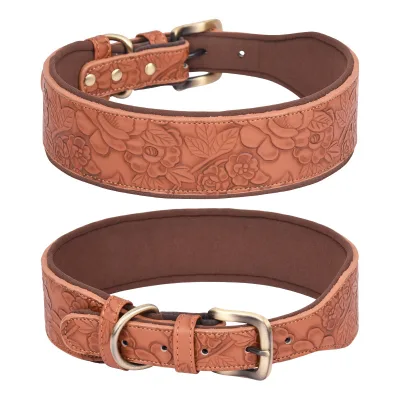
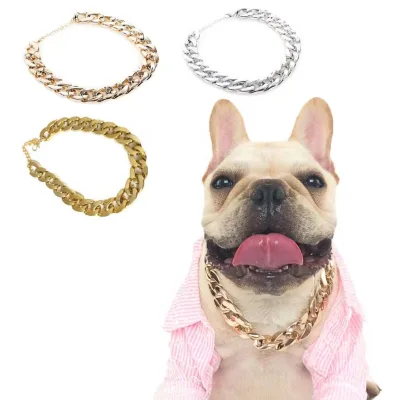
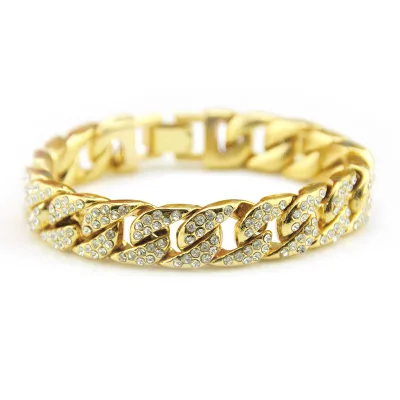
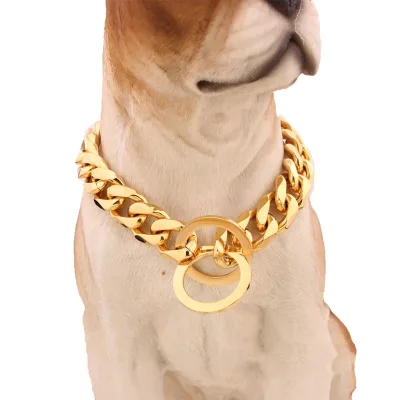


Comprehensive Sourcing Guide
PVD Plated Dog Neck Chain Sourcing Guide
Sourcing high-quality pet accessories requires a nuanced understanding of material durability, aesthetic finish, and functional safety. The term "PVD Plated Dog Neck Chain" often appears in B2B marketplaces, yet the actual product landscape is more diverse than the keyword suggests. Buyers must distinguish between decorative chains intended for fashion-forward pet owners and heavy-duty industrial chains that may be mislabeled or repurposed. This guide provides a disciplined framework for evaluating suppliers, verifying technical specifications, and ensuring commercial safety when procuring these items. By focusing on observable listing signals and verifiable attributes, procurement teams can mitigate risk and secure products that meet both brand standards and end-user expectations.
The following sections break down the sourcing process into actionable steps. We will examine the scope of available products, identify critical technical parameters, review compliance requirements, analyze cost structures, and establish supplier qualification protocols. Each section is designed to help buyers make informed decisions based on evidence rather than marketing claims. The goal is to provide a comprehensive roadmap for sourcing dog collars and chains that are safe, durable, and commercially viable.
Product Scope and Observed Listing Signals
The current market for dog neck chains includes a wide range of products, from simple solid-color collars to complex twisted chain designs. Observed listings indicate a price range of $0.20 to $80.00 USD, reflecting significant variation in material quality, brand positioning, and customization levels. The minimum order quantity (MOQ) typically ranges from 1 to 2,000 units, with some suppliers requiring bulk purchases of up to 2 tons for industrial-grade chains. This disparity suggests that buyers must clearly define their volume requirements and product specifications before engaging with suppliers. Understanding these signals helps in filtering out irrelevant listings and focusing on suppliers who can meet specific operational needs.
Product attributes observed in listings include materials such as iron and stainless steel, with surface treatments like electroplating and high polishing. Some products are described as "fashion" or "luxury" style, featuring rivet decorations and adjustable structures. Others are labeled as "twisted chain" or "link chain" with specific models like RT55XL1125 or DIN763. It is crucial to note that not all products labeled as "PVD plated" may actually use this specific technology; some may use standard electroplating. Buyers should verify the actual surface treatment method to ensure durability and resistance to corrosion, especially for products intended for outdoor use or active dogs.
Technical Specifications to Verify
Technical verification is the cornerstone of successful procurement. Buyers must confirm the material grade, as listings mention iron, stainless steel (AISI 304, 316), and specific grades like G30 for industrial chains. The width of the collar or chain is a critical dimension, with observed specifications including 10mm widths and diameters ranging from 2mm to 20mm for chain links. These dimensions directly impact the comfort and safety of the pet, as well as the aesthetic appeal of the product. Buyers should request detailed technical drawings or samples to verify these dimensions, ensuring they match the design requirements for their target market.
Surface treatment and finish are equally important for longevity and appearance. Listings indicate various finishes, including electroplating, high polishing, and zinc plating. The structure of the chain, whether welded or twisted, affects its strength and flexibility. For instance, welded chains may offer higher tensile strength, while twisted chains might provide a more decorative look. Buyers should also check the packaging details, as products may come in OPP bags, bunny bags, cartons, or industrial drums. Proper packaging is essential for protecting the product during transit and maintaining its quality upon arrival.
Compliance and Safety Documentation
Compliance with safety standards is non-negotiable for pet products. While specific certifications like ISO are mentioned in some listings, buyers must verify the relevance and validity of these certifications for their target markets. For example, if selling in Europe, REACH compliance is critical, although its status in the provided context is low-confidence and requires independent verification. Buyers should request test reports from accredited laboratories to confirm that the materials used are non-toxic and safe for pets. This includes checking for heavy metal content, particularly in plated surfaces, to ensure they do not leach harmful substances.
Documentation should also cover the manufacturing process and quality control measures. Suppliers should provide evidence of their quality management systems, such as ISO 9001 certification, to ensure consistent product quality. Buyers should inquire about the testing procedures used for tensile strength, corrosion resistance, and durability. These tests are essential for ensuring that the collars and chains can withstand the daily wear and tear of active dogs. By prioritizing compliance and safety documentation, buyers can protect their brand reputation and avoid potential legal liabilities.
Cost Drivers and Commercial Terms
Understanding the cost drivers is essential for effective budgeting and negotiation. The price of dog neck chains is influenced by material costs, surface treatment complexity, and customization requirements. For instance, stainless steel chains with high polishing may be more expensive than iron chains with basic electroplating. Customization options, such as logo engraving or unique packaging, can also increase the unit price. Buyers should request detailed quotations that break down these costs to understand the value proposition of each supplier. This transparency helps in making informed decisions and negotiating better terms.
Commercial terms, including MOQ, lead time, and payment conditions, vary significantly among suppliers. Observed MOQs range from 1000 pieces to 2 tons, with lead times of 15-20 days for some products. Buyers should align their order quantities with their sales forecasts to avoid excess inventory or stockouts. It is also important to clarify the payment terms, such as deposit requirements and balance payments upon shipment. Suppliers offering OEM/ODM services may have different commercial structures, so buyers should discuss these details early in the sourcing process to ensure alignment with their business model.
Supplier Qualification and Quality Control
Supplier qualification is a critical step in mitigating procurement risk. Buyers should conduct thorough due diligence on potential suppliers, including verifying their business licenses, production capabilities, and export history. Suppliers located in regions like Fujian, Jiangsu, and Shandong, China, are common sources for these products, but buyers should not rely solely on location as a quality indicator. Instead, they should request factory audits or third-party inspections to assess the supplier's manufacturing environment and quality control processes. This due diligence helps in identifying reliable partners who can consistently deliver high-quality products.
Quality control measures should be established before production begins. Buyers should define clear quality standards and inspection criteria, including acceptable defect rates and packaging requirements. It is advisable to request pre-production samples for approval and to conduct pre-shipment inspections to ensure that the final products meet these standards. Suppliers who offer sample services should be evaluated on the quality and timeliness of their samples, as this reflects their overall responsiveness and commitment to quality. By implementing robust quality control protocols, buyers can minimize the risk of receiving substandard products.
Long-Term Procurement Checks
Long-term procurement success depends on continuous monitoring and relationship management. Buyers should establish regular communication channels with their suppliers to stay updated on production schedules, inventory levels, and any changes in product specifications. This proactive approach helps in addressing potential issues before they escalate and ensures a smooth supply chain. Additionally, buyers should periodically review supplier performance metrics, such as on-time delivery rates, product quality, and responsiveness to inquiries. These metrics provide valuable insights into the supplier's reliability and help in making informed decisions about future orders.
Sustainability and ethical sourcing are increasingly important considerations for modern buyers. Buyers should inquire about the supplier's environmental practices, such as waste management and energy efficiency, and their adherence to labor standards. Suppliers who demonstrate a commitment to sustainability can enhance the brand's reputation and appeal to environmentally conscious consumers. By integrating these long-term checks into their procurement strategy, buyers can build resilient and ethical supply chains that support their business growth and social responsibility goals.
FAQs
What materials are used for the dog neck chain?
The product is primarily made of iron with electroplating surface treatment. Some variants are available in stainless steel grades like AISI 304 or 316. These materials ensure durability and resistance to corrosion for adult pets.
Can I customize the design of the dog collar?
Yes, customization is available for this product line. Buyers can request specific patterns, colors, or structural changes like welded chains. The standard model supports custom orders to meet unique branding or functional requirements.
What is the minimum order quantity for this item?
The minimum order quantity varies by product type, ranging from 1 piece to 2000 pieces. Specific models like the RT55XL1125 may require 1000 pieces, while heavy-duty chains might have a 2-ton requirement. Check specific listings for exact thresholds.
How long does delivery take for these chains?
Delivery time typically ranges from 15 to 20 days after order confirmation. This lead time applies to standard production runs from factories in China. Expedited options may vary based on current factory capacity and specific shipping arrangements.
Which certifications does the product hold?
The product holds ISO certification as a standard quality assurance measure. This ensures the manufacturing process meets international standards for safety and reliability. Buyers should verify specific certification documents for their required compliance needs.
What packaging options are available for shipment?
Packaging options include OPP bags, cartons, plastic drums, and iron drums depending on the order size. Some heavy chains use gunny bags or steel drums for protection. Customizable packing is available to suit specific logistics requirements.
Are samples available for testing before bulk order?
Samples can be provided for testing purposes before committing to a large order. This allows buyers to verify material quality, finish, and dimensions. Contact the supplier to arrange sample requests and associated costs.