Source Pyrolysis Wood Chips Machines for Energy, Fuel, and Char
Find 30 Pyrolysis Wood Chips processing units with capacities from 100 to 4500 kg/h. Compare continuous machines for biomass char, fuel oil, and carbon production. Options include stainless steel and carbon steel models with CE and ISO certifications.
Key considerations
Products List


Wood Chips Pyrolysis Machine for High - Quality Charcoal Production
$98000.00 - $239800.00
MOQ: 1 Sets


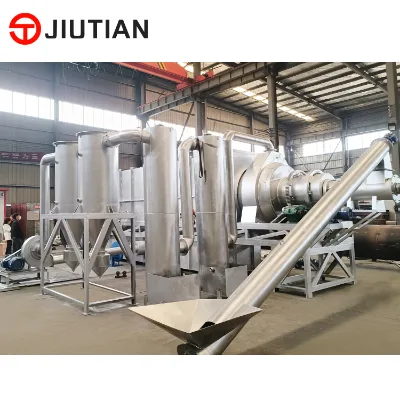
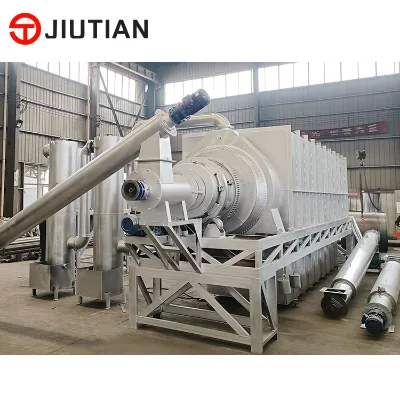


Biomass Wood Sawdust Pyrolysis Plant Bamboo Chips Carbonization Machine
$98000.00 - $239800.00
MOQ: 1 Sets


Plastic Recycling Pyrolysis Plant
$50000.00 - $90000.00
MOQ: 1 Sets
SHANGQIU ZHONGQING ENVIRONMENTAL PROTECTION SCIENCE AND TECHNOLOGY CO., LTD.

$300000.00 - $500000.00
MOQ: 1 Sets
SHANGQIU ZHONGQING ENVIRONMENTAL PROTECTION SCIENCE AND TECHNOLOGY CO., LTD.


Fully Automatic Continuous Pyrolysis Plant
$300000.00 - $1000000.00
MOQ: 1 Sets
SHANGQIU ZHONGQING ENVIRONMENTAL PROTECTION SCIENCE AND TECHNOLOGY CO., LTD.

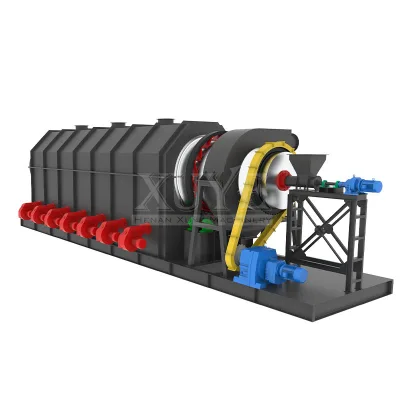

Comprehensive Sourcing Guide
Pyrolysis Wood Chips Sourcing Guide
Sourcing pyrolysis equipment for processing wood chips requires a disciplined approach to technical verification and supplier qualification. The market offers a range of continuous and batch-style machines designed to convert biomass feedstocks into biochar, syngas, and bio-oil. Buyers must navigate a complex landscape of specifications, from drum dimensions to heating sources, ensuring that the selected machinery aligns with their specific throughput requirements and raw material characteristics. This guide provides a structured framework for evaluating these industrial assets, focusing on evidence-based decision-making rather than marketing claims.
The procurement process begins with a clear understanding of the machine’s core functionality and its compatibility with the intended feedstock. While many listings advertise versatility, the physical design of the reactor, including internal diameter and length, directly impacts the carbonization time and final product quality. Buyers should prioritize machines that offer customization options for dimensions and power configurations, as standard models may not accommodate the unique moisture content or particle size of local wood chip supplies. A thorough review of observed listing signals and technical parameters is essential to avoid mismatches between equipment capabilities and operational goals.
Product Scope and Observed Listing Signals
The current market for pyrolysis machines dedicated to biomass processing exhibits a wide variance in capacity and physical design. Observed listings indicate a capacity range spanning from 100 to 4,500 kilograms per hour, reflecting the diversity of industrial needs from small-scale agricultural operations to large commercial plants. The physical dimensions of these units are equally varied, with drum diameters ranging from 1,000 to 3,600 millimeters and internal lengths extending up to 12 meters. These physical constraints are critical for logistics planning, as the footprint and weight of the equipment will significantly influence site preparation and installation requirements.
Listing signals also reveal a strong emphasis on customization and continuous operation capabilities. Many suppliers offer machines that can be tailored to specific customer requests regarding color, dimensions, and power input, suggesting a flexible manufacturing base. The observed price range is broad, extending from approximately $80 to over $1,000,000, which correlates with the complexity of the system, the quality of materials used, and the included ancillary equipment. Buyers should interpret these price points as indicative of the overall system value rather than the cost of the reactor alone, as complete lines often include gas purification, cooling, and carbon extraction systems.
Technical Specifications to Verify
Verifying the technical specifications of a pyrolysis machine is paramount to ensuring efficient operation and product yield. Key parameters to scrutinize include the drum speed, which typically ranges from 1.5 to 3.0 RPM, and the power consumption, which can vary from 25 kW to 230 kW depending on the model and heating method. The voltage requirements are another critical factor, with systems designed for 380V or broader ranges up to 10KV, necessitating careful alignment with local electrical infrastructure. Buyers must confirm that the motor and other core components are of sufficient quality to handle continuous loads without premature failure.
The material composition of the reactor and its heating mechanism also require detailed verification. The inner and outer layer diameters, along with steel plate thicknesses of around 10mm, contribute to the durability and heat retention of the unit. Heating sources can include biomass, natural gas, diesel, or coal, each offering different operational cost profiles and environmental implications. Additionally, the effective volume of the reactor, often cited between 4 and 12 cubic meters, determines the batch size or continuous throughput rate. Buyers should request detailed engineering drawings to verify these dimensions and ensure they match the supplier’s claims.
Compliance and Safety Documentation
Compliance with international standards is a non-negotiable aspect of sourcing industrial pyrolysis equipment. Certifications such as CE and ISO are commonly cited by suppliers, indicating adherence to European safety and quality management principles. Buyers must verify the validity of these certificates and ensure they cover the specific model being purchased. The presence of a machinery test report is another positive indicator, providing evidence that the equipment has undergone rigorous performance testing before shipment. These documents serve as crucial safeguards against purchasing non-compliant or unsafe machinery.
Safety features and operational protocols must also be thoroughly documented. The pyrolysis process involves high temperatures and potentially hazardous gases, making proper ventilation and gas handling systems essential. Buyers should inquire about the design of the gas purification and cooling units, which are integral to preventing explosions and ensuring product quality. Furthermore, the warranty terms, typically lasting one year, should be clearly defined in the contract, covering both parts and labor. Understanding the scope of the warranty and the supplier’s response time for technical support is vital for minimizing downtime in the event of a malfunction.
Cost Drivers and Commercial Terms
The total cost of ownership for a pyrolysis machine is influenced by several commercial and logistical factors. The minimum order quantity (MOQ) for these industrial assets is generally low, often ranging from 1 to 20 units, allowing for flexible procurement strategies. However, the shipping and installation costs can be substantial, given the large dimensions and weight of the equipment. Buyers should clarify whether the quoted price includes container packing, installation technology, and commissioning services, as these can significantly impact the final invoice.
Payment terms and after-sales support are also key components of the commercial agreement. Suppliers often provide 7*24 hour customer service, which is crucial for resolving technical issues quickly. Buyers should negotiate clear terms for spare parts availability and technical training for their operational staff. The energy efficiency of the machine, often highlighted as a key selling point, directly affects long-term operational costs. Evaluating the energy-saving features, such as heat recovery systems, can provide a better understanding of the return on investment over the machine’s lifespan.
Supplier Qualification and Quality Control
Qualifying a supplier for pyrolysis equipment requires a multi-faceted approach to assessing their technical capability and reliability. Buyers should request detailed machinery test reports and verify the supplier’s ability to provide installation technology and training. The origin of the equipment, often from industrial hubs like Henan, China, should be cross-referenced with the supplier’s track record and customer references. A reputable supplier will be transparent about their manufacturing processes and willing to facilitate factory audits or virtual inspections.
Quality control measures should be embedded in the procurement process from the outset. Buyers must ensure that the materials used in construction, such as carbon steel and refractory materials, meet specified standards for durability and heat resistance. The brand name and model number of the machine should be clearly documented to facilitate future maintenance and parts replacement. Additionally, buyers should verify the supplier’s ability to customize the machine to specific requirements, such as adjusting the drum length or internal diameter, to ensure optimal performance for their specific wood chip feedstock.
Long-Term Procurement Checks
Long-term procurement success depends on establishing a sustainable relationship with the supplier and ensuring the machine’s longevity. Buyers should plan for regular maintenance and schedule periodic inspections of the reactor’s internal components, such as the drum and heating elements. The availability of spare parts, including motors and seals, should be guaranteed for the expected lifespan of the equipment. A clear maintenance manual and technical support channel are essential for keeping the machine running efficiently and minimizing unplanned downtime.
Furthermore, buyers should stay informed about advancements in pyrolysis technology and regulatory changes that may affect their operations. As environmental standards evolve, the ability of the machine to meet new emissions requirements may become a critical factor. Regularly reviewing the machine’s performance data against initial specifications can help identify potential issues early. By maintaining a proactive approach to equipment management and supplier communication, buyers can maximize the value of their pyrolysis investment and ensure consistent production of high-quality biochar from wood chips.
FAQs
What raw materials can the pyrolysis machine process?
The machine processes waste tyres, plastics, logs, wood sticks, jute sticks, bamboo, and wood branches. It also handles wood chips, coconut shells, rice husks, and plant stalks for agricultural and forestry biomass charring making applications.
Can I customize the pyrolysis machine specifications?
Yes, customization is available for the machine color and dimensions. The internal diameter ranges from 1000 to 3600 mm, and the drum length is typically 10 to 12 meters, allowing for tailored production capacities.
What certifications do the pyrolysis machines hold?
The machines hold CE and ISO certifications to ensure safety and quality standards. These certifications apply to the stainless steel heating equipment and carbon steel models used for continuous pyrolysis processes.
How much capacity does the pyrolysis machine offer?
Capacity ranges from 100 to 4500 kg per hour depending on the specific model configuration. Some units offer an effective volume of 4 to 12 cubic meters with a carbonization time of approximately 10 hours.
What heating sources are compatible with the machine?
The machine supports biomass, natural gas, diesel, and coal as heating sources. This flexibility allows operators to select the most cost-effective fuel based on local availability and operational requirements.
Is installation technology provided for the pyrolysis unit?
Yes, installation technology is provided to assist with setup and commissioning. The supplier offers 7*24 hour customer service to ensure smooth operation and address any technical issues that may arise during the process.
What is the warranty period for the pyrolysis machine?
The machine comes with a 1-year warranty covering core components like the motor. This warranty ensures reliability for the stainless steel heating equipment and carbon steel structures used in the pyrolysis process.