Source Q-Switched Carbon Peel Machine for Tattoo Removal
Compare 30 Q-Switched Carbon Peel Machine listings from verified suppliers. Buyers can evaluate specifications like wavelength, power, and cooling systems for tattoo removal, skin rejuvenation, and spot removal applications; compare the available evidence and request quotations based on your requirements.
Key considerations
Products List


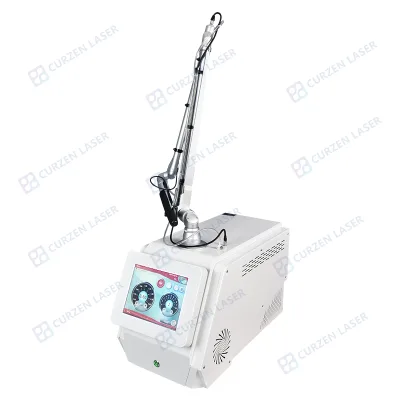


Hot Selling Portable Carbon Peeling Picosecond ND YAG Laser Removal Tattoo Q Switch Machine
$999.00 - $1500.00
MOQ: 1 Pieces

Portable Tattoo Removal Q Switched Carbon Peeling ND YAG Laser Depilation Machines Price
$998.00 - $1500.00
MOQ: 1 Pieces

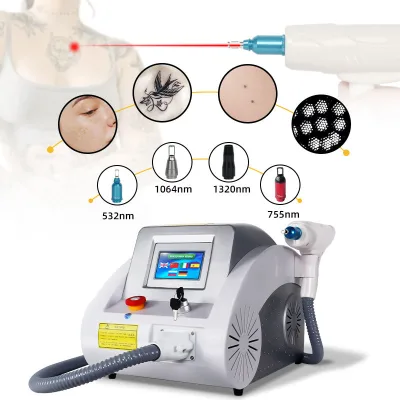
ND YAG Q Switch Laser Machine All Color Tattoo Removal & Carbon Peeling 1064 532 755
$899.00 - $1300.00
MOQ: 1 Pieces


Pico Laser Q Switched Carbon Peeling Picosecond Laser Tattoo Removal Machine
$1200.00 - $5300.00
MOQ: 1 Pieces

Picosecond Q Switched ND: YAG Laser Carbon Peeling Picosecond Machine Remove Tattoo
$1200.00 - $5300.00
MOQ: 1 Pieces


Carbon Peel Equipment 1064/532nm Eo Q-Switch ND YAG Laser Machine for Skin Rejuvenation
$21600.00 - $43200.00
MOQ: 1 Pieces



Comprehensive Sourcing Guide
Q-Switched Carbon Peel Machine Sourcing Guide
Procuring a Q-switched carbon peel machine requires a clear understanding of the underlying laser technology and its specific application in aesthetic treatments. These devices typically utilize Q-switched Nd:YAG lasers, which emit pulses at wavelengths such as 1064nm and 532nm to target pigment and stimulate skin rejuvenation. The carbon peel procedure involves applying a conductive carbon gel to the skin, which absorbs the laser energy to create a photothermal effect that exfoliates and cleanses pores. Buyers must distinguish between true Q-switched systems and other laser types, as the pulse duration and peak power directly influence treatment efficacy and safety profiles for both practitioners and patients.
The market offers various configurations, ranging from portable units to desktop systems, often featuring multi-wavelength capabilities to address tattoo removal, spot removal, and general skin rejuvenation. Key operational features include high peak power outputs, such as those reaching up to 1000mj, and adjustable frequencies that allow for precise control during procedures. Understanding the distinction between different model numbers, such as DY-C5 or DY-C2, is crucial for aligning equipment capabilities with specific clinic needs. Buyers should evaluate the cooling systems, typically combining air and water cooling, to ensure sustained performance and longevity of the laser source during extended treatment sessions.
Product Scope and Observed Listing Signals
Current market listings indicate a diverse range of aesthetic laser equipment, with prices varying significantly from approximately $226.70 to $200,000 USD, reflecting differences in technology, build quality, and included accessories. The minimum order quantity (MOQ) is frequently listed as one unit, suggesting that suppliers are willing to accommodate single-unit purchases for individual clinics or practitioners. This flexibility allows buyers to test equipment without committing to large inventory volumes, although it is essential to verify if bulk discounts or specific shipping terms apply to single-unit orders. The wide price range underscores the importance of scrutinizing specifications rather than relying solely on cost as an indicator of value.
Observed product attributes highlight a strong emphasis on customization and versatility, with many suppliers offering OEM and ODM services to tailor branding and features. Common specifications include a 10.4-inch touch screen interface, multi-language support, and compatibility with various international plug types, including US, EU, UK, and AU standards. The devices are often described as portable or desktop units, with dimensions varying based on the model, such as 54cm54cm125cm for certain configurations. Buyers should carefully review the packing details, which may include wooden packages for protection, and confirm the single gross weight to plan for logistics and installation requirements effectively.
Technical Specifications to Verify
When evaluating technical specifications, the wavelength range is a critical factor, with many devices supporting 1064nm, 532nm, and sometimes 1320nm for versatile treatment options. The peak power output, often cited up to 1000mj, determines the intensity of the laser pulses and their ability to break down pigment particles effectively. Buyers must verify the frequency range, which typically spans from 1-6 Hz, with some models offering up to 10 Hz, to ensure the device can handle the desired treatment speed and patient volume. Additionally, the cooling system, usually a combination of air and water cooling, must be robust enough to prevent overheating during continuous operation, ensuring consistent performance and extending the lifespan of the laser source.
The operating interface and user experience are also vital considerations, with most modern units featuring a 10.4-inch touch screen for intuitive control. The availability of multi-language software ensures that staff from different regions can operate the machine without language barriers. Buyers should also check the power source requirements, which often support 110V/220V at 50-60Hz, to ensure compatibility with local electrical infrastructure. Furthermore, the inclusion of consumables like carbon gel and the availability of free spare parts can impact long-term operational costs and convenience, making these details important for total cost of ownership assessments.
Compliance and Safety Documentation
Compliance with international safety standards is non-negotiable for aesthetic laser equipment, and buyers must verify that devices carry relevant certifications such as CE, IEC60335, IEC61000, and EN60601. These certifications indicate that the equipment meets specific electrical safety, electromagnetic compatibility, and medical device standards, which are crucial for legal operation in many markets. Buyers should request copies of these certificates and verify their validity with the issuing bodies to ensure they are current and applicable to the specific model being purchased. Lack of proper certification can lead to regulatory issues, fines, or inability to import the equipment into certain countries.
In addition to certifications, buyers should inquire about the warranty terms, which typically range from one to two years, covering parts and labor. A comprehensive warranty should include support for critical components like the laser source and cooling system, which are prone to wear and tear. It is also important to confirm the availability of technical support and training materials, as proper operation is essential for both safety and treatment efficacy. Buyers should ensure that the supplier provides clear documentation on safety protocols, including eye protection requirements and skin testing procedures, to minimize the risk of adverse events during treatments.
Cost Drivers and Commercial Terms
Several factors influence the final cost of a Q-switched carbon peel machine, including the technology type, build quality, and included accessories. Devices with higher peak power, multi-wavelength capabilities, and advanced cooling systems tend to be more expensive due to the complexity of their components. Buyers should also consider the cost of consumables, such as carbon gel, which is required for each treatment and can add to the operational expenses over time. Additionally, shipping costs can vary significantly based on the weight and dimensions of the package, which may include wooden crates for protection, so it is essential to request detailed shipping quotes early in the procurement process.
Commercial terms such as payment methods, lead times, and after-sales support also play a significant role in the total cost of ownership. Buyers should negotiate clear terms regarding warranty coverage, including whether it covers labor and shipping costs for repairs. It is advisable to confirm the availability of spare parts and the expected lead time for their delivery, as downtime can impact clinic revenue. Some suppliers may offer OEM services for branding, which can add to the initial cost but may be beneficial for establishing a unique brand identity. Understanding these commercial nuances helps buyers make informed decisions that balance upfront costs with long-term value.
Supplier Qualification and Quality Control
Selecting a reliable supplier is crucial for ensuring the quality and reliability of the Q-switched carbon peel machine. Buyers should verify the supplier’s manufacturing capabilities, including their experience in producing aesthetic laser equipment and their adherence to quality control processes. Requesting references or case studies from existing clients can provide insights into the supplier’s reputation and the performance of their products in real-world settings. It is also important to confirm the supplier’s ability to provide comprehensive training and technical support, as this can significantly impact the ease of adoption and successful operation of the equipment.
Quality control measures should include rigorous testing of the laser source, cooling system, and electronic components before shipment. Buyers should inquire about the testing procedures and standards used by the supplier to ensure that each unit meets specified performance criteria. Additionally, verifying the supplier’s certification status and their commitment to continuous improvement can provide confidence in their ability to deliver consistent quality. Buyers should also assess the supplier’s responsiveness to inquiries and their willingness to address concerns promptly, as this reflects their overall customer service quality and commitment to client satisfaction.
Long-Term Procurement Checks
Long-term success with a Q-switched carbon peel machine depends on ongoing maintenance, support, and potential upgrades. Buyers should establish a clear maintenance schedule, including regular cleaning of the cooling system and inspection of optical components, to prevent premature wear and ensure consistent performance. It is advisable to negotiate a service contract with the supplier that covers routine maintenance and emergency repairs, reducing downtime and extending the lifespan of the equipment. Buyers should also stay informed about technological advancements in laser aesthetics, as newer models may offer improved features or efficiency that could benefit their practice.
Additionally, buyers should monitor the availability and cost of consumables, such as carbon gel, to manage operational expenses effectively. Building a strong relationship with the supplier can facilitate access to updates, training, and potential upgrades, ensuring that the equipment remains competitive and effective. Regularly reviewing the performance of the machine and gathering feedback from practitioners and patients can help identify areas for improvement or additional training needs. By proactively managing these long-term aspects, buyers can maximize the return on investment and maintain high standards of patient care.
FAQs
What technology does the Q-Switched Carbon Peel Machine use?
The machine uses Q Switch ND YAG Laser technology for effective treatments. It operates with wavelengths of 1064nm, 532nm, and 1320nm to target various skin issues. This system supports tattoo removal and skin rejuvenation functions efficiently.
Can the Q-Switched Carbon Peel Machine be customized for branding?
Yes, customization is available for this equipment including customized logos. The product accepts OEM and ODM requests to meet specific business needs. Buyers can also select from multiple language options on the touch screen interface.
Which certifications does the Q-Switched Carbon Peel Machine hold?
The device holds CE, IEC60335, IEC61000, and En60601 certifications for safety. These standards ensure the equipment meets international electrical and medical device requirements. Buyers can verify these documents before placing orders for compliance.
How is the Q-Switched Carbon Peel Machine cooled during operation?
The system utilizes an Air plus Water cooling system to maintain optimal performance. This dual cooling method prevents overheating during extended sessions. It ensures the machine remains stable while delivering peak power up to 1000mj.
What is the warranty period for the Q-Switched Carbon Peel Machine?
The standard warranty period is one year for most models. Some specific configurations may offer a two-year warranty depending on the supplier terms. Spare parts are provided free of charge to support long-term maintenance needs.
Which plug types are compatible with the Q-Switched Carbon Peel Machine?
The machine supports multiple plug types including US, EU, JP, CN, AU, UK, ZA, and IT. This flexibility allows installation in various international locations without needing adapters. The voltage range covers 110V and 220V at 50-60Hz.
What is the operating screen size of the Q-Switched Carbon Peel Machine?
The device features a 10.4-inch touch screen for easy operation. This display allows users to adjust settings like frequency and power levels quickly. The interface supports multi-language selection to accommodate different operators globally.