Source PWM CPU Cooler for Servers, PCs, and Workstations
Source 30 PWM CPU Cooler options from verified suppliers. Compare specifications like airflow, noise levels, and socket compatibility for servers, PCs, and workstations to find the right cooling solution; compare the available evidence and request quotations based on your requirements.
Key considerations
Products List
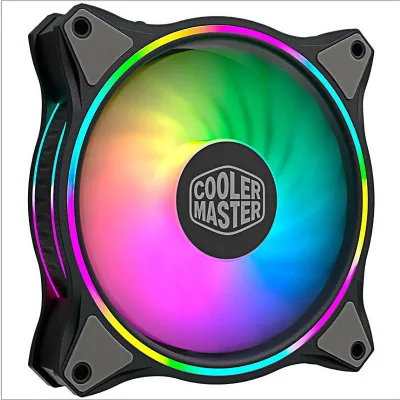
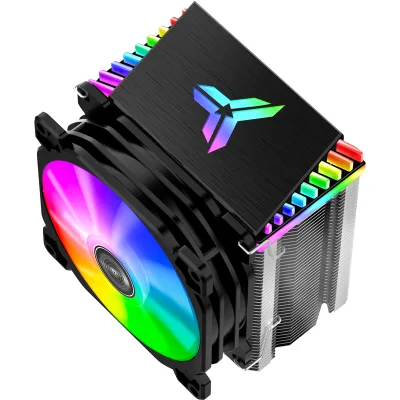
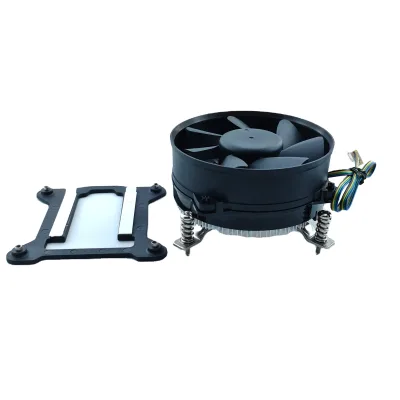
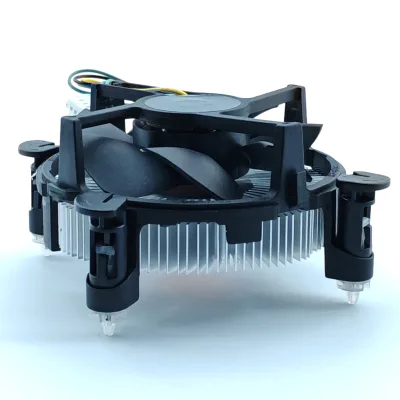
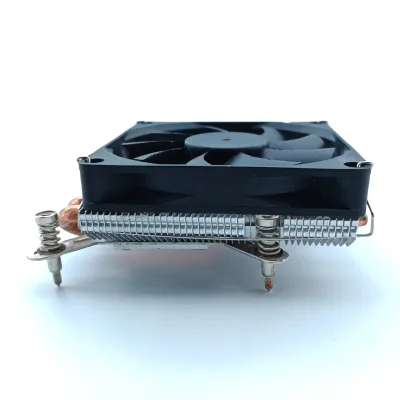
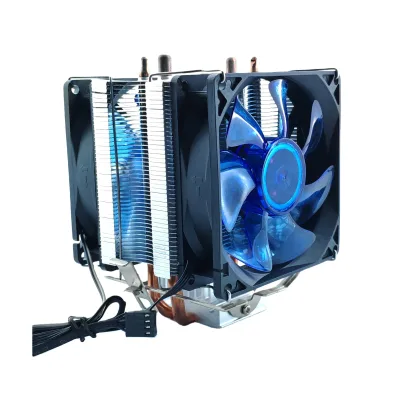
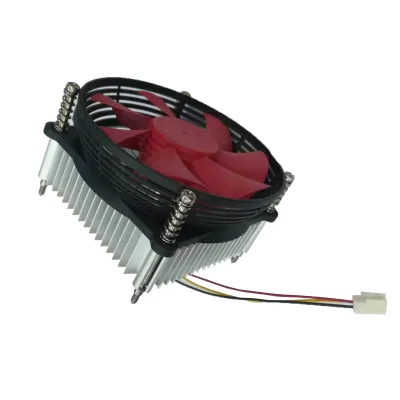


High Efficiency CPU Cooler with 6 Heatpipes and Black Nickel-Plated Heatsink
$20.00 - $22.00
MOQ: 100 Pieces


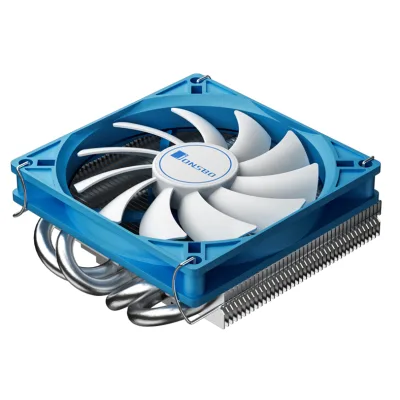


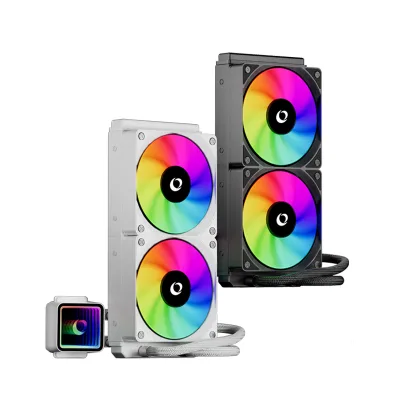
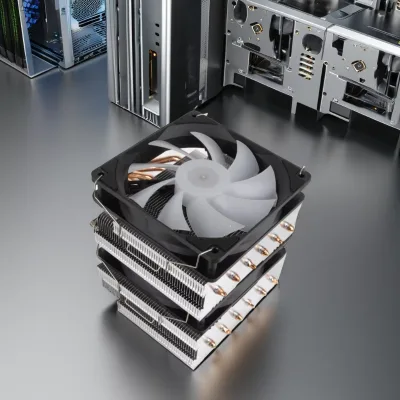
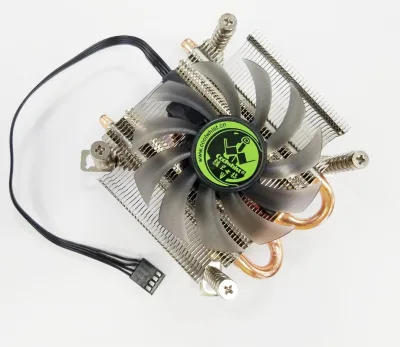


240 Water Cooling Argb Support Intel AMD CPU New Model, Liquid CPU Cooler
$41.00 - $45.00
MOQ: 1000 Pieces

Comprehensive Sourcing Guide
PWM CPU Cooler Sourcing Guide
Procuring PWM-controlled CPU coolers requires distinguishing between general case fans and integrated cooling solutions designed for specific processor sockets. The observed market data indicates a diverse range of products, from standalone 140mm fans with 55 CFM airflow to complete heatsink assemblies supporting Intel LGA1150 through 1851 and AMD AM4 sockets. Buyers must carefully align their selection with the specific thermal requirements of their target hardware, as the application scope varies significantly between simple case ventilation and active processor cooling.
Commercial listings reveal substantial variation in power consumption and noise profiles, with some units operating at 2.5 watts and 6 dBA while others draw up to 1.92 watts with noise levels reaching 31 dBA. This disparity necessitates a rigorous review of technical datasheets before placing orders, as the "Muti-function Design" or specific bearing types like Fluid or Sleeve bearings directly impact long-term reliability. Sourcing decisions should prioritize units that explicitly list compatible CPU sockets and voltage ranges to ensure seamless integration into existing server or workstation builds without requiring custom adapters.
Product Scope and Observed Listing Signals
The current market inventory includes distinct product categories ranging from pure fan components to complete heatsink and fan assemblies. Listings show specific model numbers such as MF-140 and CR1000pro, alongside generic descriptions like "cpu heatsink fan" or "Cpu Cooler." These items often feature varying blade quantities, from 7 to 9 blades, and different physical dimensions, including 140x140x25mm and 92x25mm form factors. Buyers must verify whether the listed item is a standalone fan or a complete cooling solution, as the presence of a heatsink material like Aluminum 6063+Cu indicates a more complex assembly than a simple air mover.
Listing signals also highlight significant differences in power interfaces, with options ranging from standard 4-pin connectors to 6-pin or specialized 2510-4PIN configurations. The observed price range spans from $1.30 to $18,000, reflecting the wide spectrum from basic components to high-end industrial cooling systems. Minimum Order Quantities (MOQ) vary from single items to 1000 units, with some suppliers setting a baseline of 10 pieces. Procurement teams should scrutinize these signals to avoid ordering mismatched components, ensuring that the power interface and physical size match the motherboard or chassis specifications.
Technical Specifications to Verify
Voltage compatibility is a critical verification step, as observed units operate at 12V but with varying tolerances, such as 10.8-13.2V for some models. The power interface must match the motherboard header, with 4-pin PWM control being a common standard for speed regulation, though 6-pin variants exist for higher power applications. Buyers should confirm the working voltage range to prevent damage to sensitive electronics, especially when sourcing from regions like Guangdong, China, where manufacturing tolerances can vary. Ensuring the voltage specification aligns with the system's power delivery unit is essential for stable operation.
Airflow and noise performance metrics require careful comparison against the intended thermal load. Data points show air volumes ranging from 13.65 CFM to 55 CFM, with noise levels as low as 6 dBA or as high as 30 dBA depending on the model. The fan speed control is listed at 1500 RPM for some units and 2400 RPM for others, directly influencing the cooling capacity and acoustic profile. Procurement specialists must match these specifications to the thermal design power (TDP) of the target CPU, ensuring that the selected cooler can dissipate heat effectively without exceeding acceptable noise thresholds for the deployment environment.
Compliance and Safety Documentation
While specific certification documents are not explicitly listed in the provided product facts, buyers must request evidence of electrical safety compliance for all 12V DC cooling equipment. Standard industry practice requires verification that the power interface and internal wiring meet relevant safety standards for electronic components, particularly when the units are intended for commercial or industrial deployment. The absence of explicit certification claims in the listing data means that the buyer must proactively ask for test reports or compliance certificates before finalizing any purchase agreement.
Documentation regarding the bearing type and expected lifespan is equally important for long-term reliability assessments. Observed specifications mention Fluid Bearing and Long Life Sleeve Bearing options with a fan life of 50,000 hours, but these claims require validation through independent testing or manufacturer guarantees. Buyers should ensure that the supplier provides clear documentation on the bearing construction and the conditions under which the stated lifespan is achieved. Without this verification, the risk of premature failure increases, potentially leading to costly downtime in critical computing environments.
Cost Drivers and Commercial Terms
The wide price range observed, from $1.30 to $18,000, is driven by factors such as heatsink material composition, bearing technology, and the complexity of the assembly. Units featuring Aluminum 6063+Cu heatsinks and advanced PWM control likely command higher prices compared to basic aluminum models with sleeve bearings. Buyers should analyze the cost per unit against the expected operational life and thermal performance to determine the true value proposition, rather than simply selecting the lowest-priced option. Understanding these cost drivers helps in budgeting for projects that require specific performance characteristics.
Commercial terms, including Minimum Order Quantities (MOQ) and selling units, vary significantly across the supplier base. Some listings offer single-item sales, while others require orders of 10 pieces or up to 1000 units. The MOQ of 10 pieces for certain models suggests a tiered pricing structure that may benefit bulk purchasers. Procurement teams must negotiate terms that align with their inventory needs, balancing the cost benefits of larger orders against the risk of overstocking. Clear communication regarding payment terms and shipping logistics is essential to avoid delays, especially when sourcing from international locations.
Supplier Qualification and Quality Control
Supplier qualification should focus on verifying the origin of the products, with many listings indicating a place of origin in Guangdong, China. Buyers must assess the supplier's manufacturing capabilities and quality control processes to ensure consistency in product attributes like blade color, weight, and model number accuracy. The presence of specific model numbers like CCZLFS97-97-4212DS suggests a level of standardization, but buyers should still request samples to verify that the physical attributes match the description. Establishing a relationship with a supplier who can provide consistent quality is crucial for maintaining system reliability.
Quality control measures must include verification of the fan life and bearing performance under actual operating conditions. The observed fan life of 50,000 hours is a significant claim that requires rigorous testing to validate. Buyers should implement incoming quality checks to ensure that the received units meet the specified noise, airflow, and power consumption standards. Regular audits of the supplier's production line and testing facilities can help mitigate the risk of receiving substandard products. A robust quality control plan is essential for managing the long-term performance of the cooling infrastructure.
Long-Term Procurement Checks
Long-term procurement strategies should include regular monitoring of supplier performance and product consistency over time. As the market evolves, new models with updated specifications may emerge, requiring buyers to stay informed about the latest technological advancements in PWM control and thermal management. Maintaining a relationship with suppliers who can provide updates on product improvements ensures that the procurement strategy remains aligned with current industry standards. Continuous engagement with the supplier base helps in anticipating changes in component availability and pricing.
Performance tracking of installed units is vital for identifying potential issues before they lead to system failures. Buyers should establish a protocol for monitoring noise levels, airflow efficiency, and bearing wear in deployed systems. The observed variation in noise levels and air volume suggests that regular maintenance checks are necessary to ensure optimal performance. By collecting data on field performance, procurement teams can make informed decisions about future replacements or upgrades, ensuring that the cooling infrastructure continues to meet the thermal requirements of the computing hardware.
FAQs
What is the working voltage for these fans?
The working voltage is 12V, with some models supporting a range from 10.8 to 13.2V. This ensures stable operation across standard computer power supplies while maintaining safety margins for the internal circuitry and motor components.
Which CPU sockets are supported by these coolers?
These coolers support Intel LGA775, 115x, 1200, 1700, 1851, and AMD AM4, AM3 sockets. The design accommodates various processor generations, ensuring compatibility with a wide range of desktop systems without requiring additional adapters.
How long does the fan bearing last?
The fan life is rated at 50,000 hours for fluid bearing models. Some units utilize long-life sleeve bearings to extend operational durability, providing reliable cooling performance over extended periods of continuous computer usage.
What is the noise level of the 140mm fan?
The 140mm fan operates at a noise level of 6dBA, ensuring quiet performance. This low noise output is ideal for silent computer builds, allowing users to enjoy high airflow without disruptive acoustic interference during operation.
Can I find coolers with specific air volume requirements?
Yes, available models offer air volumes ranging from 13.65 to 55 CFM depending on the size. You can select units like the 140mm fan with 55 CFM or smaller variants with 38 CFM to match your thermal needs.
What is the minimum order quantity for these products?
The minimum order quantity is 10 pieces for some items, while others allow orders starting from 1 unit. This flexibility supports both bulk procurement for large projects and smaller orders for individual system upgrades or testing.
Which materials are used for the heatsink construction?
Heatsinks are constructed from Aluminum 6063 combined with copper in some models, or pure aluminum in others. These materials provide efficient heat dissipation while maintaining structural integrity and lightweight properties for optimal thermal management performance.