Source Quartz Crystal Singing Harp for healing yoga meditation
Compare 30 Quartz Crystal Singing Harp options from verified Chinese suppliers. Buyers can evaluate materials, frequencies, and packaging details for sound therapy and chakra balancing applications.
Key considerations
Products List
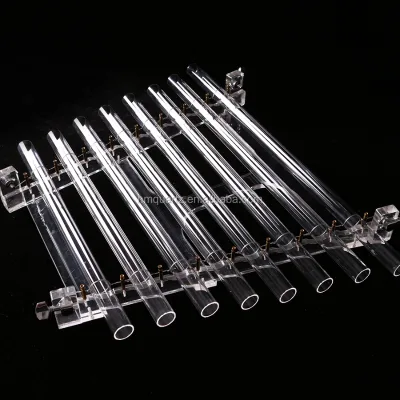
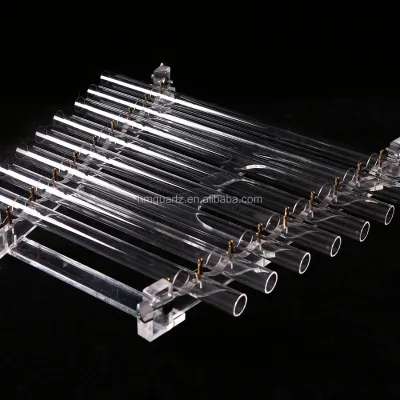
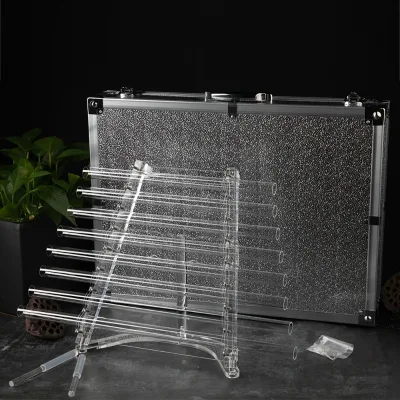
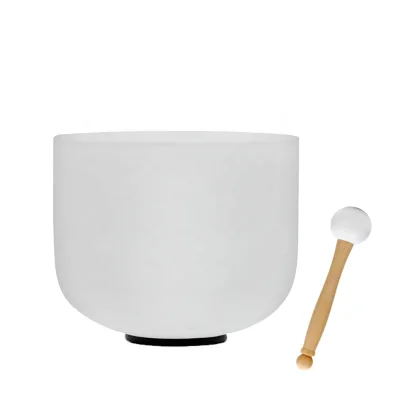
Rubber Head Mallet & Rubber Stick to Play Quartz Crystal Singing Products
$4.50 - $9.00
MOQ: 1 Minimum
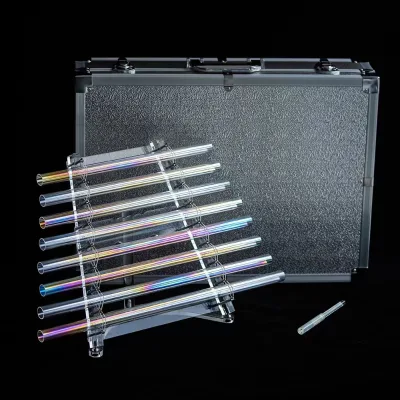
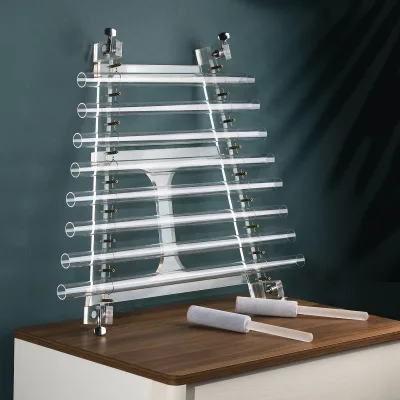
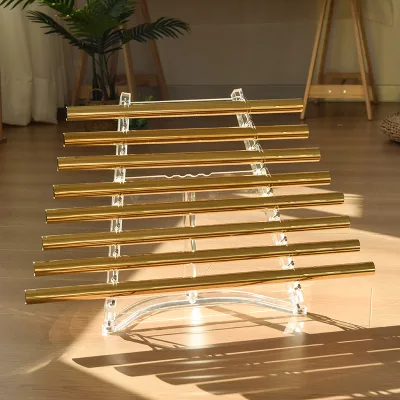
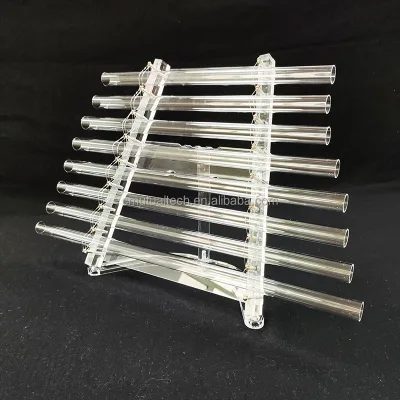
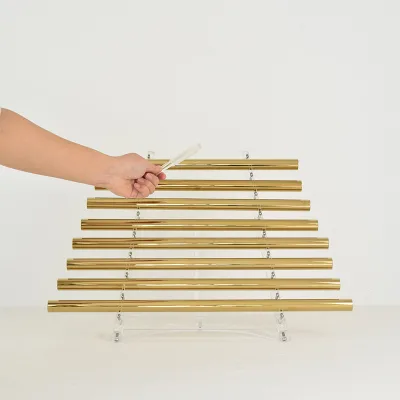
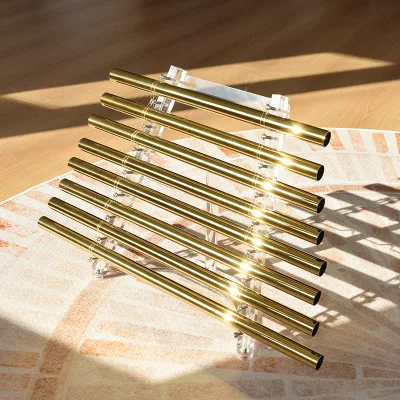
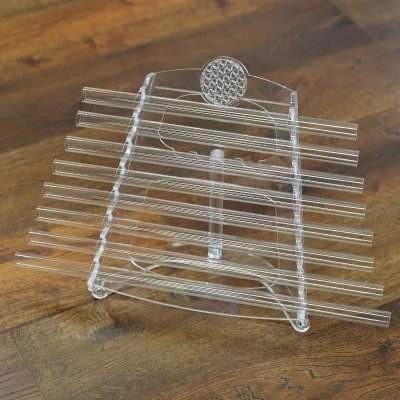
Wholesale Clear Quartz Crystal Singing Harp Crystal Harp Sound Therapy
$226.24 - $257.09
MOQ: 1 Minimum
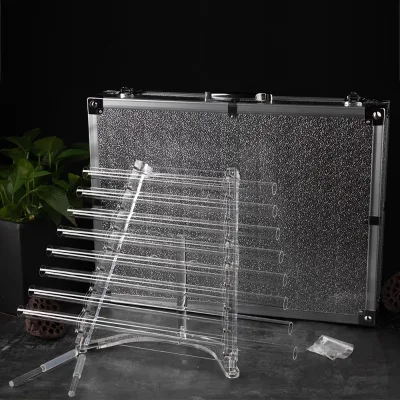
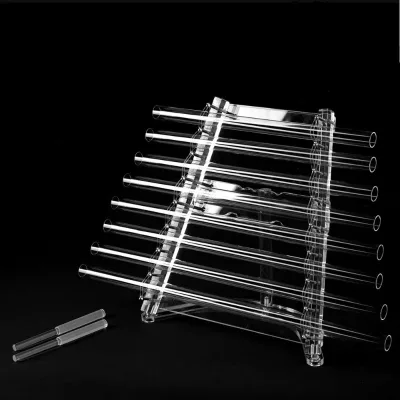



Comprehensive Sourcing Guide
Quartz Crystal Singing Harp Sourcing Guide
The Quartz Crystal Singing Harp represents a specialized niche within the broader sound healing and musical instrument market, combining the acoustic properties of pure quartz with the structural form of a traditional harp. Sourcing these instruments requires a distinct approach compared to standard musical equipment, as the value proposition hinges heavily on material purity, precise frequency tuning, and the integrity of the crystal structure. Buyers must navigate a landscape where products are often marketed under various brand names, such as HUAMEI or Mountainrain, yet share common foundational characteristics like 99.99% pure quartz composition and specific tuning frequencies, typically 432Hz or 440Hz. Understanding these baseline attributes is critical for distinguishing between mass-produced decorative items and professional-grade therapeutic tools.
Procurement decisions for quartz crystal singing harps are influenced by a variety of observed listing signals, including price ranges that span from approximately $0.68 to $800 USD, indicating a wide disparity in quality, size, and included accessories. The minimum order quantities (MOQ) observed range from single pieces to 500 units, suggesting flexibility for both individual practitioners and large-scale distributors. However, the significant variation in pricing and MOQs necessitates rigorous due diligence to ensure that the quoted price reflects the actual weight, purity, and craftsmanship of the crystal. Buyers should treat these observed metrics as initial screening data rather than definitive standards, verifying each claim against supplier documentation before committing to purchase orders.
Product Scope and Observed Listing Signals
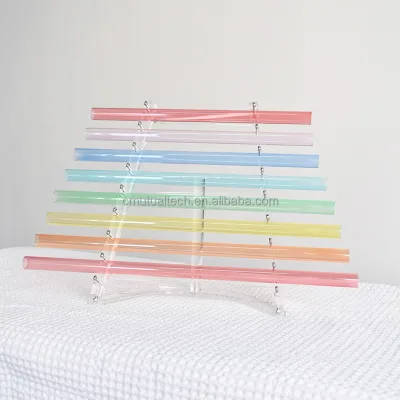
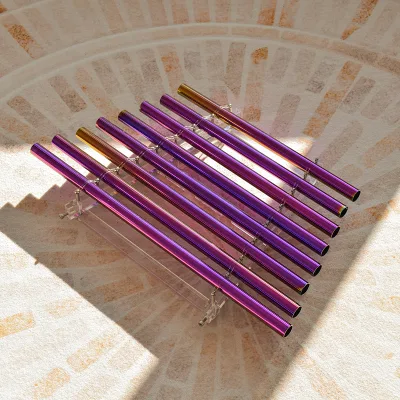
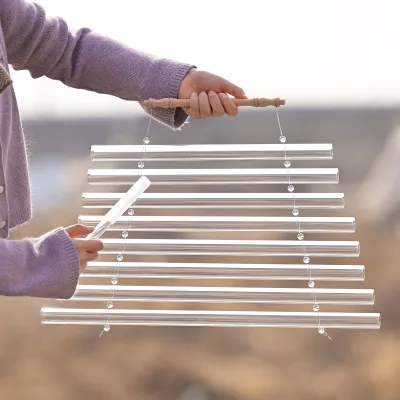
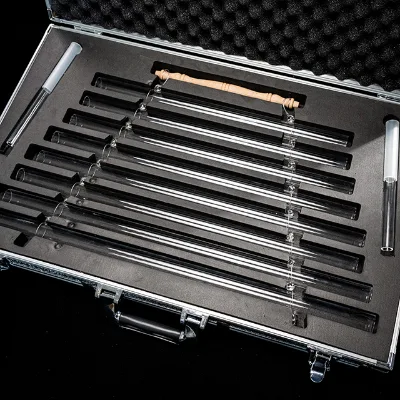
The product scope for quartz crystal singing harps encompasses instruments designed for sound therapy, chakra balancing, and spiritual healing, often categorized under themes of health and wellness. Observed listings frequently highlight specific functional attributes, such as the inclusion of suede mallets or strikers, and packaging details that emphasize protection during transit, including bubble wrap, polystyrene foam sheets, cartons, and wooden cases. These accessories and packaging methods are not merely logistical details but are integral to the product’s usability and safety, as the crystal components are fragile and require careful handling to maintain their acoustic integrity. Buyers should verify that the listed accessories match the physical product received, as discrepancies here can indicate lower-quality manufacturing processes.
Listing signals also reveal variations in product naming and branding, with terms like "HM Wholesale Perfect Chakra Note Quartz Crystal Singing Harp" or "HM Wholesale Crystal Singing Harp with carry bag" appearing alongside other descriptors such as "quartz harp" or "singing bowl" applications. This inconsistency in terminology can lead to confusion regarding the exact nature of the product, particularly when distinguishing between a true harp structure and other crystal sound instruments. The observed shape is consistently described as a harp, with dimensions that can be customized, and a single package size noted around 78x74x30 cm for certain models. Procurement teams must clarify these structural details early in the sourcing process to ensure the product aligns with the intended use case, whether for personal meditation, clinical sound therapy, or retail distribution.
Technical Specifications to Verify
Technical verification begins with confirming the material composition, which should be 99.99% pure quartz crystal, as indicated by multiple supplier listings. The chemical composition is often cited as quartz, but buyers must ensure that the term "pure quartz" is not used loosely to describe lower-grade or synthetic alternatives. The frequency tuning is a critical technical specification, with observed listings specifying 432Hz or 440Hz options. These frequencies are central to the product’s therapeutic claims, and buyers should request evidence of tuning accuracy, such as calibration certificates or test results from independent acoustic labs, to verify that the instrument produces the stated pitch consistently across all strings or crystal elements.
Additional technical specifications include the surface finish, which is typically polished using sandblasting techniques, and the weight of the individual units, which can vary significantly from 6kg to 16kg depending on the size and model. The single gross weight and volume are important for logistics planning, with some listings reporting a single gross weight of 16.000 kg and others showing discrepancies such as 0.0 kg, which likely indicates missing or erroneous data. Buyers must clarify these logistical parameters with the supplier to avoid unexpected shipping costs or handling issues. Furthermore, the mesh size of 200 mesh (75μm) mentioned in some contexts may refer to the purity or processing of the raw quartz material, a detail that should be clarified to understand the manufacturing quality.
Compliance and Safety Documentation
Compliance and safety documentation for quartz crystal singing harps primarily focus on material safety and product integrity rather than electrical or mechanical hazards, as these are non-electronic acoustic instruments. Buyers should request material safety data sheets (MSDS) or declarations of conformity that confirm the absence of harmful substances in the quartz crystal and any accompanying accessories, such as the suede mallets or aluminum alloy cases. While specific certification standards are not explicitly listed in the observed data, buyers should verify that the supplier adheres to relevant international standards for musical instruments and wellness products, ensuring that the materials used are safe for direct human contact and therapeutic use.
Packaging compliance is another critical area, as the observed packaging details include multiple layers of protection such as bubble wrap, polystyrene foam, cartons, and wooden cases. Buyers must ensure that the packaging materials comply with international shipping regulations, particularly regarding the use of wood in wooden cases, which may require ISPM 15 certification to prevent the spread of pests. Additionally, the labeling on the packaging should clearly indicate the product’s weight, dimensions, and handling instructions to prevent damage during transit. Verifying these compliance aspects early in the sourcing process helps mitigate risks associated with customs delays, product damage, and regulatory non-compliance in the destination market.
Cost Drivers and Commercial Terms
Cost drivers for quartz crystal singing harps include the purity of the quartz material, the precision of the frequency tuning, the size and weight of the instrument, and the complexity of the packaging. The observed price range of $0.68 to $800 USD reflects these variables, with higher prices likely corresponding to larger, heavier instruments with higher purity quartz and more precise tuning. Buyers should analyze the cost structure in relation to the observed supply ability, which is noted as 10,000 pieces per month for certain models, indicating that economies of scale may be achievable for larger orders. Understanding these cost drivers allows buyers to negotiate more effectively and identify potential areas for cost reduction without compromising quality.
Commercial terms such as MOQ and lead times are also significant factors in the procurement process. The observed MOQ ranges from 1 piece to 500 units, offering flexibility for small-scale buyers but potentially limiting cost advantages for larger orders. Buyers should clarify the lead times associated with different order quantities, as the supply ability of 10,000 pieces per month suggests that larger orders may require scheduling and production planning. Additionally, the port of dispatch, identified as Dalian in some listings, should be considered when calculating total landed costs, including freight and insurance. Clear communication of these commercial terms helps buyers plan their inventory and cash flow more effectively.
Supplier Qualification and Quality Control
Supplier qualification for quartz crystal singing harps involves assessing the manufacturer’s expertise in crystal processing and acoustic tuning. Buyers should verify the supplier’s production capabilities, including their ability to maintain the 99.99% purity of the quartz and their precision in tuning the instruments to 432Hz or 440Hz. The observed brand names, such as HUAMEI and Mountainrain, suggest that there may be multiple manufacturers or trading companies involved in the supply chain, and buyers should determine whether they are dealing directly with the manufacturer or a reseller. Direct engagement with the manufacturer can provide greater transparency into the production process and quality control measures.
Quality control procedures should include rigorous testing of the crystal’s acoustic properties, visual inspection for defects, and verification of the packaging integrity. Buyers should request samples before placing bulk orders to evaluate the sound quality, material purity, and overall craftsmanship. Additionally, implementing a pre-shipment inspection protocol can help ensure that the products meet the agreed-upon specifications and are free from damage. Establishing a clear quality assurance framework with the supplier helps minimize the risk of receiving substandard products and ensures that the final goods meet the expectations of the end-users.
Long-Term Procurement Checks
Long-term procurement checks for quartz crystal singing harps involve monitoring the supplier’s consistency in quality, delivery performance, and customer support. Buyers should establish key performance indicators (KPIs) to track metrics such as defect rates, on-time delivery, and responsiveness to issues. Regular audits of the supplier’s production facilities and quality control processes can help identify potential problems early and ensure that the supplier maintains high standards over time. Building a strong relationship with the supplier can also facilitate better communication and collaboration, leading to improved product offerings and more favorable commercial terms.
Market trends and customer feedback should also be monitored to ensure that the sourced products remain relevant and competitive. As the sound healing and wellness market evolves, buyers should stay informed about emerging technologies, materials, and design trends that may impact the demand for quartz crystal singing harps. Engaging with end-users to gather feedback on the products can provide valuable insights into areas for improvement and help guide future sourcing decisions. By maintaining a proactive approach to long-term procurement, buyers can ensure a sustainable and successful supply chain for quartz crystal singing harps.
FAQs
What material is used for the Quartz Crystal Singing Harp?
The product is made from 99.99% pure quartz crystal. This high-purity material ensures clear sound resonance suitable for sound healing and chakra balancing applications.
Which frequencies are available for the quartz crystal harp?
Available frequencies include 432Hz and 440Hz options. These specific tuning standards allow users to select the frequency that best fits their sound therapy or meditation practice.
How is the Quartz Crystal Singing Harp packaged for shipping?
Packaging includes bubble wrap, polystyrene foam sheets, cartons, and wooden cases. This multi-layer protection ensures the fragile crystal instrument arrives safely during international transport.
Can I find a quartz crystal harp with a low minimum order quantity?
Yes, the minimum order quantity is one piece. This low MOQ allows buyers to test the product or purchase small batches without committing to large wholesale volumes.
What accessories are included with the Quartz Crystal Singing Harp?
Accessories include a suede mallet and sometimes a free pair of strikers with an aluminum alloy case. These tools are essential for playing the instrument and protecting it during storage.
Where is the Quartz Crystal Singing Harp manufactured?
The place of origin is Liaoning, China, with some items sourced from Jiangsu, China. Buyers can expect manufacturing capabilities from these specific Chinese regions.
What is the supply ability for the Quartz Crystal Singing Harp?
The supply ability is 10,000 pieces per month. This capacity supports both small orders and larger wholesale requirements for businesses needing consistent inventory.