Source Quick Automatic Opening Screen Tent for Camping, Beach, and Parties
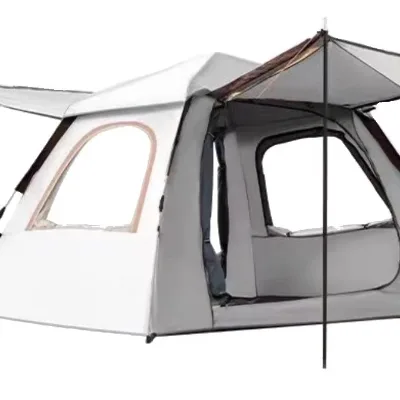
Compare 30 Quick Automatic Opening Screen Tent options from verified suppliers. Buyers can evaluate specifications like waterproof ratings, pole materials, and customization features for traditional, party, relief, camping, beach, and advertising uses.
Key considerations
Products List


Cheap Quick Open Tent Camping Outdoor Camping Automatic Folding 1-4 People Tent
$175.00 - $199.00
MOQ: 300 Pieces


10 Man Large Canopy Screen Tent Outdoor Folding Instant Screened Canopy Tent
$50.00 - $52.00
MOQ: 500 pieces


Comprehensive Sourcing Guide
Quick Automatic Opening Screen Tent Sourcing Guide
Sourcing quick automatic opening screen tents requires a careful balance between convenience features and structural integrity, particularly for buyers targeting the outdoor recreation, event management, or emergency relief markets. These products are designed to minimize setup time through spring-loaded or telescopic pole mechanisms that allow for rapid deployment, often within seconds. However, the "automatic" nature of the opening mechanism introduces specific engineering considerations that differ significantly from traditional manual pole tents. Buyers must evaluate the durability of the internal spring systems, the stability of the frame under wind loads, and the ease of folding the tent back into its carrying case without damaging the mechanism. The procurement strategy should focus on verifying that the automatic feature does not compromise the tent’s waterproofing, ventilation, or overall lifespan, ensuring that the convenience factor translates into genuine value for the end-user rather than a source of frequent mechanical failure.
The market for these tents is diverse, ranging from lightweight beach shelters to more robust camping structures capable of withstanding moderate weather conditions. Procurement teams need to distinguish between simple pop-up sun shelters and fully enclosed automatic tents with screen mesh walls, as the latter offer greater versatility for insect protection and privacy. Understanding the specific use case is critical when defining technical requirements; for instance, a tent intended for a music festival may prioritize quick setup and portability, while one for family camping might emphasize interior space, ventilation, and weather resistance. By aligning the product specifications with the intended application, buyers can avoid over-specifying features that drive up costs unnecessarily or under-specifying critical elements that lead to product returns and brand damage. This guide provides a structured approach to navigating these complexities, ensuring that sourcing decisions are grounded in verified data and practical operational needs.
Product Scope and Observed Listing Signals
The current market landscape for quick automatic opening screen tents reveals a wide variance in product configurations, materials, and pricing structures. Observed listing signals indicate a price range from approximately $2 to $1,399 USD, reflecting the disparity between basic, single-layer sun shelters and complex, multi-room automatic structures with premium fabrics and advanced framing systems. Minimum Order Quantities (MOQs) also vary significantly, ranging from single units for sample testing to bulk orders of 500 pieces for large-scale distribution. This broad spectrum suggests that buyers should not assume uniformity across suppliers; instead, they must scrutinize individual product listings to understand what specific features are included at each price point. The presence of customization options, such as logo printing and color selection, is common, indicating that many manufacturers are equipped to handle branded orders, which is a key consideration for corporate gifting or retail private labeling.
Technical observations from available data highlight specific design trends that buyers should be aware of when evaluating potential suppliers. For example, some models feature a ridge tent or pup tent top style, while others utilize a hexagonal or square center-pole design, each offering different internal space efficiencies and wind resistance profiles. Material choices also vary, with some tents utilizing flexible fiberglass poles for lightweight portability, while others employ rigid poles for enhanced stability. Fabric options range from 210D Oxford cloth to 210T Polyester PU cloth, with waterproofing indices reported between 1000-1500 mm and up to 2000 mm for higher-end models. These variations directly impact the tent’s performance in different weather conditions and its overall durability. Buyers must carefully match these observed specifications to their quality standards, ensuring that the selected product meets the necessary requirements for waterproofing, UV protection, and structural strength.
Technical Specifications to Verify
When evaluating quick automatic opening screen tents, buyers must prioritize the verification of structural components, particularly the pole material and the automatic opening mechanism. The choice between flexible fiberglass poles and rigid poles significantly affects the tent’s weight, packability, and resistance to bending or breaking under stress. Fiberglass poles are generally lighter and more flexible, making them suitable for beach or casual camping use, whereas rigid poles offer greater stability for larger or more permanent setups. Additionally, the quality of the automatic mechanism itself is critical; buyers should request detailed information on the spring tension, hinge durability, and ease of folding. A poorly designed mechanism can lead to difficulty in setup or failure to collapse properly, which can be a significant safety hazard and a source of customer dissatisfaction. Verifying these mechanical aspects through sample testing or detailed technical drawings is essential before placing large orders.
Fabric specifications and waterproofing performance are equally important technical factors that require rigorous verification. The base fabric, often cited as 210D Oxford cloth or 210T Polyester, should be examined for thread count, coating quality, and seam sealing. Waterproofing indices, such as those ranging from 1000 mm to 2000 mm, provide a quantitative measure of the fabric’s ability to resist water penetration, but buyers should also inquire about the durability of this coating over time and after repeated folding. Ventilation is another key technical aspect, especially for screen tents; the number and placement of windows and mesh panels should be evaluated to ensure adequate airflow while maintaining insect protection. Furthermore, the dimensions of the tent, including external size and packed dimensions, must be confirmed to ensure compatibility with storage requirements and transportation logistics. Buyers should also check the gross and net weights to assess portability and shipping costs accurately.
Compliance and Safety Documentation
Compliance and safety documentation are non-negotiable aspects of sourcing quick automatic opening screen tents, particularly when these products are intended for use in regulated markets or by vulnerable populations such as children. Buyers must ensure that suppliers provide relevant safety data sheets and compliance certificates that verify the materials used are free from harmful substances such as lead, phthalates, and other toxic chemicals. This is especially important for tents that may come into direct contact with skin or be used in enclosed spaces where off-gassing could be a concern. While specific certification standards may vary by region, buyers should proactively request documentation that demonstrates adherence to international safety norms, such as those related to flammability, mechanical strength, and chemical composition. Without proper documentation, buyers risk facing regulatory hurdles, product recalls, or legal liabilities in the event of an accident or health issue.
In addition to material safety, buyers should verify that the supplier has implemented robust quality control processes that are documented and auditable. This includes checking for certifications related to manufacturing quality management systems, such as ISO 9001, which indicate a supplier’s commitment to consistent product quality. Buyers should also inquire about the supplier’s testing protocols for the automatic opening mechanism, including stress tests, cycle tests, and wind resistance tests. These tests should be conducted by independent third-party laboratories to ensure objectivity and reliability. Furthermore, buyers should ensure that the supplier provides clear labeling and instruction manuals that comply with local language and safety warning requirements. Proper labeling helps prevent misuse and ensures that end-users are aware of any limitations or safety precautions associated with the product.
Cost Drivers and Commercial Terms
Understanding the cost drivers associated with quick automatic opening screen tents is essential for effective budgeting and negotiation. Key factors influencing price include the complexity of the automatic mechanism, the quality and quantity of materials used, and the level of customization required. Tents with more sophisticated spring systems, higher-grade waterproof fabrics, and additional features like multiple doors or windows will naturally command higher prices. Customization options, such as logo printing, custom colors, and unique packaging, also add to the cost but can provide significant marketing value for branded products. Buyers should request detailed cost breakdowns from suppliers to understand how these factors contribute to the final price, allowing for more informed decision-making and potential cost-saving opportunities through material or feature adjustments.
Commercial terms, including Minimum Order Quantities (MOQs), payment terms, and lead times, play a crucial role in the overall procurement strategy. MOQs can range from single units for sampling to hundreds of pieces for bulk orders, and buyers should align their order quantities with their sales forecasts and storage capacity. Payment terms, such as deposits and balance payments upon shipment, should be negotiated to mitigate financial risk, especially for new suppliers. Lead times are another critical consideration, as delays in production can impact inventory levels and customer satisfaction. Buyers should establish clear communication channels with suppliers to monitor production progress and address any potential issues promptly. Additionally, buyers should consider the total landed cost, including shipping, duties, and taxes, to ensure that the final price is competitive and aligns with their target margins.
Supplier Qualification and Quality Control
Supplier qualification is a critical step in ensuring the reliability and consistency of Quick Automatic Opening Screen Tent supplies. Buyers should conduct thorough due diligence on potential suppliers, including verifying their business licenses, manufacturing capabilities, and financial stability. Site visits or virtual tours can provide valuable insights into the supplier’s production facilities, quality control processes, and overall operational efficiency. Buyers should also assess the supplier’s experience in the tent manufacturing industry, including their track record with similar products and their ability to meet specific technical requirements. A supplier with a strong reputation and a history of successful collaborations is more likely to deliver high-quality products on time and within budget.
Quality control measures must be rigorously enforced throughout the production process to minimize defects and ensure product consistency. Buyers should establish clear quality standards and inspection criteria, which should be communicated to the supplier in writing. Regular quality inspections, including pre-production, during-production, and pre-shipment inspections, are essential to identify and address any issues early in the process. Buyers should also consider hiring third-party inspection agencies to conduct independent quality checks, providing an additional layer of assurance. Feedback mechanisms should be established to track defect rates and identify areas for improvement. By maintaining a proactive approach to quality control, buyers can reduce the risk of receiving substandard products and protect their brand reputation.
Long-Term Procurement Checks
Long-term procurement success with quick automatic opening screen tents requires ongoing monitoring and evaluation of supplier performance and product quality. Buyers should establish key performance indicators (KPIs) to track metrics such as on-time delivery, defect rates, and customer satisfaction. Regular reviews of these metrics can help identify trends and potential issues before they become significant problems. Buyers should also maintain open communication with suppliers, providing constructive feedback and collaborating on continuous improvement initiatives. This collaborative approach can lead to better product designs, more efficient production processes, and stronger supplier relationships.
Additionally, buyers should stay informed about market trends and technological advancements in the tent industry. This includes monitoring changes in consumer preferences, emerging materials, and new manufacturing techniques. By staying ahead of these trends, buyers can ensure that their product offerings remain competitive and relevant. Buyers should also regularly review their supplier base, considering diversification strategies to mitigate supply chain risks. This may involve identifying alternative suppliers for critical components or exploring new markets for raw materials. By maintaining a flexible and adaptive procurement strategy, buyers can navigate market fluctuations and ensure long-term supply chain resilience.
FAQs
What customization options are available for these tents?
Customization is available for color and logo on the tent surface. Buyers can request specific branding or color variations to match their event needs or corporate identity requirements.
Which pole materials are used in these automatic tents?
The tents utilize flexible fiberglass poles or rigid poles depending on the specific model. These materials provide the necessary structural support while allowing for the automatic opening mechanism.
How large is the external size of the standard tent model?
The external tent size is 190x140x110 cm for the standard configuration. Other models may vary, with some reaching dimensions like 300x300x210 cm for larger capacity needs.
Can these tents be used for beach and party events?
Yes, these tents are designed for traditional, party, relief, camping, and beach tent usage. Their versatile design supports various outdoor activities and advertising purposes effectively.
What is the waterproof rating of the tent fabric?
The bottom waterproof index ranges from 1000 to 1500 mm, with some models reaching 2000 mm. The fabric is treated to ensure waterproof performance during outdoor use.
How many pieces are packed in a single carton?
Packing varies by model, with options including 8 pieces per carton or 10 pieces per carton. Some specific units are packed as 1 piece per carton for individual shipment.
Where are these tents manufactured and shipped from?
The products originate from Zhejiang, China, with general production locations listed as China. This origin ensures access to established manufacturing capabilities for these specific tent types.