Source Quick Automotive Refrigeration Coupler for AC Repair, Fuel Line, Hydraulic Systems
Compare 30 listings for the Quick Automotive Refrigeration Coupler from verified Chinese manufacturers. Buyers can evaluate brass, nylon, and copper options with OEM support, CE certification, and supply capacities up to 10,000 sets monthly for AC repair and fuel line applications.
Key considerations
Products List
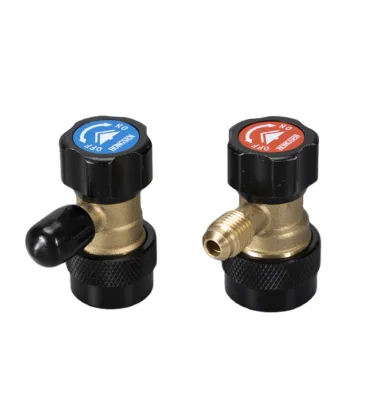


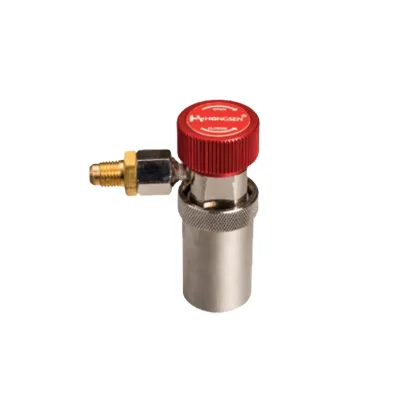
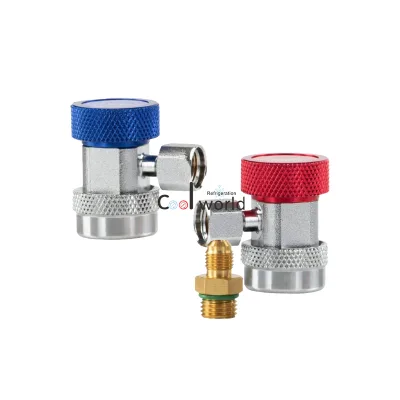
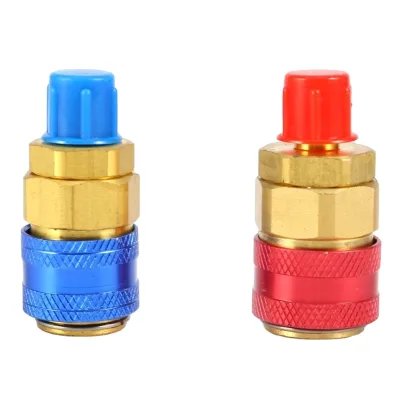
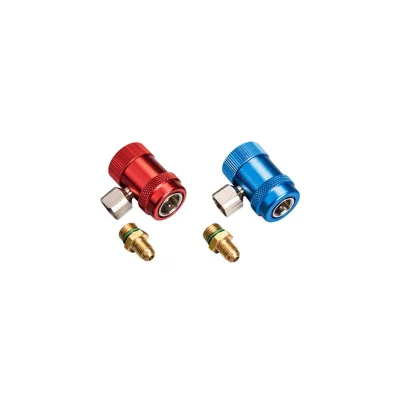
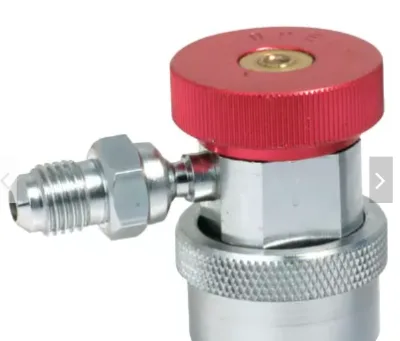


Comprehensive Sourcing Guide
Strategic Sourcing Guide for Quick Automotive Refrigeration Couplers
Navigating the global market for quick automotive refrigeration couplers requires a disciplined approach that balances technical precision with supply chain reliability. These components are critical for AC repair and maintenance operations, serving as the primary interface for connecting refrigerant lines, charging hoses, and diagnostic equipment. The procurement process involves evaluating a wide array of specifications, from material composition and connection types to compliance with international standards. Buyers must distinguish between generic observations and verified product attributes to ensure that the selected couplers meet the rigorous demands of automotive service environments. This guide outlines the essential factors for sourcing these components effectively, focusing on technical requirements, supplier vetting, and quality assurance protocols based on available market data.
Technical Specifications and Material Composition
The core functionality of an automotive quick coupler relies heavily on its material composition and structural design. In the current market, brass and copper are frequently cited as primary materials for these components, offering a balance of durability and corrosion resistance essential for handling refrigerants. Some listings also indicate the use of nylon for specific housing or sealing elements, while stainless steel variants are available for applications requiring enhanced resistance to harsh chemicals or extreme temperatures. The choice of material directly influences the coupler's longevity and its ability to maintain a seal under pressure.
Beyond material, the connection type is a fundamental specification that dictates compatibility. Buyers must verify whether the component features a male or female connection, as this determines its role in the assembly. For instance, a female connection is often required for the end of a hose that plugs into a vehicle's service port, while a male connection might be necessary for the tool side. The head type, typically round in standard configurations, must align with the specific service equipment being used. Furthermore, the structural design can vary between rigid and flexible configurations. Rigid couplers, often described as having a vertical structure, provide stability and are preferred for fixed installations or high-pressure applications, whereas flexible options may be required for tight spaces within engine bays.
| Feature | Common Observation | Verification Requirement |
|---|---|---|
| Material | Brass, Copper, Nylon, Stainless Steel | Confirm material grade and suitability for specific refrigerant types. |
| Connection | Male, Female | Match connection type to the specific vehicle service port and tool. |
| Structure | Vertical, Rigid | Ensure structural integrity matches the pressure and torque requirements. |
| Head Type | Round | Verify compatibility with standard wrench sizes and tool interfaces. |
| Surface Treatment | Without Treatment (Standard) | Check if plating or coating is needed for specific environmental conditions. |
Compliance, Certification, and International Standards
Ensuring that quick couplers meet international safety and quality standards is paramount for B2B procurement. The automotive industry operates under strict regulatory frameworks, and components used in AC repair must adhere to recognized standards to prevent leaks, failures, or safety hazards. Market data indicates that various standards are applicable, including GB (Chinese National Standards), DIN (German Institute for Standardization), ANSI (American National Standards Institute), and JIS (Japanese Industrial Standards). These standards define the dimensional tolerances, pressure ratings, and performance criteria that the couplers must satisfy.
Certification plays a crucial role in validating these standards. While specific certification statuses should be verified on a per-supplier basis, common certifications observed in the sector include CE (Conformité Européenne) and UL (Underwriters Laboratories). The presence of these marks suggests that the product has undergone testing for electrical safety, material compatibility, and performance reliability. However, buyers should not assume that all listed products automatically possess these certifications. Instead, procurement teams must request valid certification documents and test reports to confirm that the specific batch of couplers meets the required regulatory thresholds. Additionally, standards such as ISO9001 for quality management systems are often referenced as background indicators of a supplier's operational maturity, though they do not guarantee the quality of a specific product lot without direct verification.
Cost Drivers and Pricing Dynamics
Understanding the cost structure of quick automotive refrigeration couplers is essential for budgeting and negotiating effective contracts. The price range for these components can vary significantly, with observed market data suggesting a span from approximately $0.20 to $230 per unit. This wide disparity is driven by several key factors, including the complexity of the design, the quality of materials used, and the level of customization required. Basic brass or copper couplers with standard specifications typically occupy the lower end of the price spectrum, while specialized stainless steel units, custom-molded parts, or high-pressure variants command premium pricing.
Minimum Order Quantity (MOQ) is another critical cost driver. Suppliers often set MOQs to optimize production runs and manage inventory costs. In the current market, MOQs can range from as low as 100 pieces to as high as 500 pieces, depending on the supplier's capacity and the specific product configuration. Buyers must align their order volumes with these thresholds to avoid excessive per-unit costs or production delays. Furthermore, the supply ability of the manufacturer, often cited as 10,000 sets per month for established producers, influences pricing stability. Suppliers with higher capacity can often offer more competitive rates for large-volume orders, whereas smaller suppliers may charge a premium for flexibility or lower volume commitments.
Typical Applications and Usage Scenarios
Quick automotive refrigeration couplers are primarily designed for AC repair and maintenance within the automotive sector. Their application extends to connecting refrigerant lines, charging hoses, and diagnostic equipment to vehicle air conditioning systems. The ability to quickly connect and disconnect these lines without losing refrigerant is vital for efficient service operations. The couplers must withstand the pressures associated with refrigerant charging and the chemical properties of the refrigerants used, such as R134a or R1234yf.
The versatility of these components is evident in their varied specifications. Some models are designated for specific models like the TB-QCJT-0049 or the QC series (e.g., QC-12L, QC-16H), indicating compatibility with specific vehicle manufacturers or service tools. Others are designed for general use across a broad range of applications. The packaging details, such as blister packs or export-standard cartons, also reflect the intended use case, ensuring that the components remain protected during transit and storage. Whether used in a professional repair shop or a mobile service unit, the coupler must maintain a reliable seal and resist wear from frequent connection and disconnection cycles.
Supplier Evaluation and Operational Capabilities
Selecting the right supplier is as important as selecting the right product. Buyers should evaluate potential partners based on their production capabilities, geographic location, and service offerings. Many suppliers originate from manufacturing hubs in China, such as Zhejiang, Hebei, and Zhuji City, which are known for their robust industrial ecosystems. The location of the supplier can impact logistics, lead times, and shipping costs. For instance, suppliers located in coastal cities like Shanghai or Ningbo may offer more efficient port access for international shipping, whereas inland locations might require additional inland transportation.
A critical aspect of supplier evaluation is their support for customization. Many manufacturers offer OEM (Original Equipment Manufacturer) and ODM (Original Design Manufacturer) services, allowing buyers to brand the products or request specific modifications to meet unique requirements. The availability of customization, such as specific packaging or branding, can be a significant differentiator. Buyers should also assess the supplier's warranty terms, with a one-year warranty being a common standard in the industry. This warranty indicates the supplier's confidence in the product's durability and provides a safety net for the buyer in case of premature failure. Additionally, the supplier's ability to provide neutral packaging or custom branding options can be crucial for buyers who need to maintain their own brand identity in the market.
Quality Control and Long-Term Procurement Considerations
Maintaining consistent quality is the cornerstone of successful long-term procurement. Buyers must implement rigorous quality control measures to ensure that every batch of couplers meets the specified standards. This includes verifying the material composition, checking for surface defects, and testing the connection integrity. The "High" or "Good" quality ratings often found in product descriptions should be treated as observations rather than guaranteed claims. Instead, buyers should request third-party test results or conduct their own incoming quality inspections to validate these claims.
Long-term procurement strategies should also consider the supply chain's resilience. Suppliers with a high supply ability, such as 10,000 sets per month, are better positioned to handle fluctuating demand and potential supply disruptions. Buyers should establish clear communication channels with suppliers to monitor production schedules and lead times. The packaging details, such as the use of blister cards or export-standard cartons, should be agreed upon to prevent damage during transit. Furthermore, buyers should maintain a relationship with suppliers that allows for flexibility in order quantities and specifications, ensuring that the supply chain remains agile in response to market changes. By focusing on these long-term considerations, buyers can secure a reliable source of high-quality quick automotive refrigeration couplers that support their operational needs effectively.
FAQs
What materials are used for quick automotive refrigeration couplers?
Brass, copper, and nylon are commonly used materials for these couplers. Stainless steel variants are also available for applications requiring enhanced chemical resistance. The material choice directly impacts durability and corrosion resistance for handling refrigerants.
Which connection types are available for these couplers?
Both male and female connection types are available to match specific vehicle service ports. The connection type determines compatibility with charging hoses and diagnostic equipment. Buyers must verify the required type for their specific tool interface.
Can these couplers be customized for specific branding?
Yes, OEM and ODM support are available for customization. Suppliers offer options for specific packaging and branding to meet unique buyer requirements. This allows businesses to maintain their own brand identity while sourcing these essential components.
What is the minimum order quantity for these products?
The standard minimum order quantity is 100 pieces per item. Some listings may show ranges from 1 to 500 pieces depending on the specific configuration. Buyers should align their order volumes with these thresholds to optimize costs.
Where are these couplers typically manufactured?
Manufacturing origins include Zhejiang, Hebei, and Zhuji City in China. Coastal locations like Shanghai and Ningbo serve as primary ports for dispatch. The location influences logistics efficiency and shipping costs for international buyers.
What certifications apply to these automotive couplers?
Common certifications include CE and compliance with standards like GB, DIN, ANSI, and JIS. These marks indicate testing for safety and performance reliability. Buyers should request valid documents to confirm specific batch compliance.
How long is the warranty period for these couplers?
A one-year warranty is a common standard for these products. This warranty reflects the supplier's confidence in product durability and provides protection against premature failure. It serves as a safety net for buyers during the initial usage period.