Source Quick Dry Baby Bath Towel for Home Travel and Sport
Find 30 listings for the Quick Dry Baby Bath Towel suitable for home, travel, and sport use. Buyers can compare customization options, fabric weights, and certifications from verified suppliers in Zhejiang, China.
Key considerations
Products List

$0.50 - $1.00
MOQ: 20000 Bags





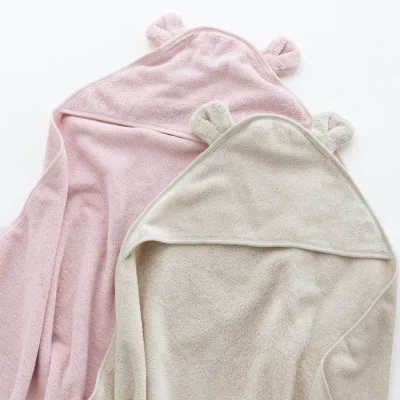
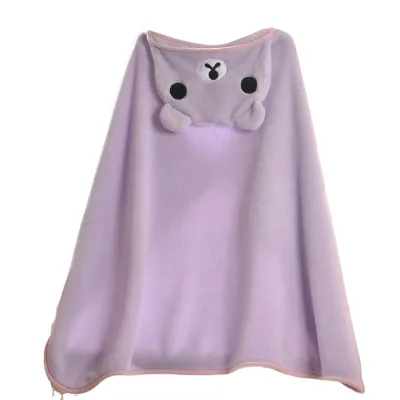


Comprehensive Sourcing Guide
Quick Dry Baby Bath Towel Sourcing Guide
Sourcing quick dry baby bath towels requires a nuanced understanding of material science, as the term "quick dry" often conflicts with traditional expectations of 100% cotton products. In the current B2B marketplace, buyers frequently encounter listings that claim both attributes simultaneously, necessitating careful verification of fabric composition and construction. The primary challenge lies in distinguishing between pure cotton towels that rely on thinness for faster drying and synthetic blends or specialized weaves designed for rapid moisture evaporation. Procurement teams must prioritize transparency in material declarations to ensure the final product meets the specific performance needs of their target demographic, whether that involves frequent washing cycles, travel convenience, or sensitive skin requirements.
The observed market data indicates a wide variance in product specifications, ranging from single-ply disposable tissues to woven cotton sheets and towels. This diversity suggests that the "quick dry" label is not a standardized industry term but rather a marketing descriptor applied to various product types. Buyers must therefore establish clear technical definitions before engaging with suppliers. Understanding whether the desired product is a woven towel, a non-woven wipe, or a hybrid fabric is the first critical step in defining the scope of the procurement project. Without this clarity, there is a significant risk of receiving products that do not align with the intended use case, leading to returns, customer dissatisfaction, and wasted procurement resources.
Product Scope and Observed Listing Signals
The current listing landscape reveals a broad spectrum of baby care textiles, including items explicitly labeled as baby bath towels, baby sheets, and even disposable tissues. High-confidence data points to products made from 100% cotton fabric with woven techniques, featuring thread counts of 600TC or higher, which typically denote softness and durability rather than quick-drying capabilities. Conversely, other listings highlight features such as "no alcohol," "no chemicals," and "absorbent" properties, often associated with disposable or non-woven applications. This discrepancy underscores the importance of examining the "Fabric Weight" and "Paper Net Content" fields, which range from 53g/Sm to 100g/PCS, to determine the actual mass and absorbency profile of the item. Buyers should treat these varied listings as distinct product categories rather than interchangeable options.
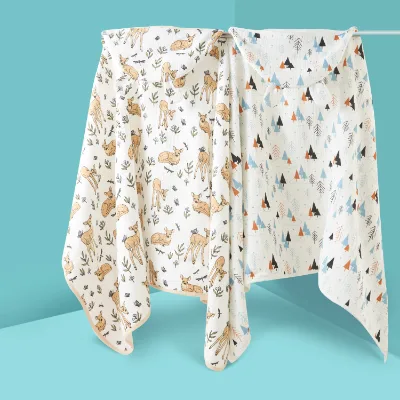
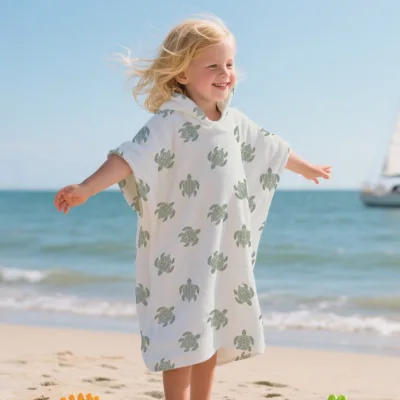
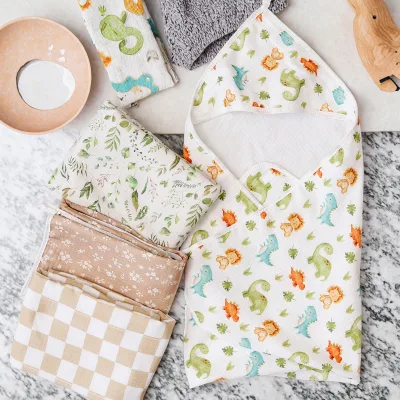
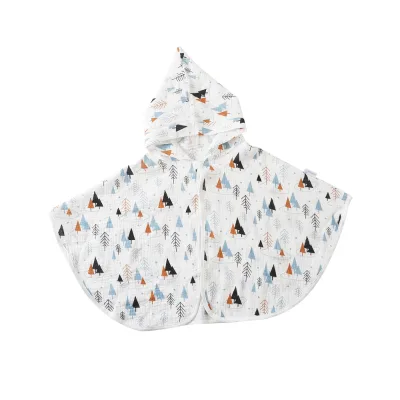
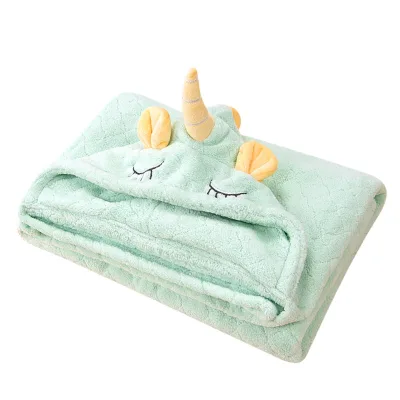
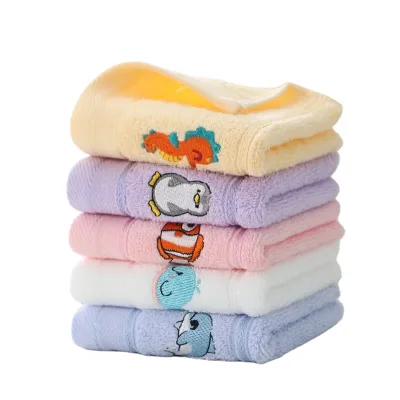
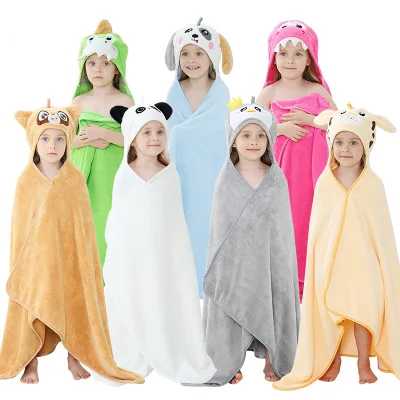
Visual and stylistic attributes also play a crucial role in product selection, with options ranging from modern styles to animal prints and customized patterns. The availability of digital printing and OEM/ODM services indicates that many suppliers are equipped to handle branded orders, which is essential for retailers looking to differentiate their offerings. However, the presence of both "disposable" and "nondisposable" attributes in the same dataset highlights the need for precise specification. Procurement teams must verify if the product is intended for single-use hygiene applications or for repeated home use, as this distinction fundamentally alters the manufacturing process, material selection, and quality control protocols. Ignoring these signals can lead to sourcing errors where the wrong product type is ordered for the wrong market segment.
Technical Specifications to Verify
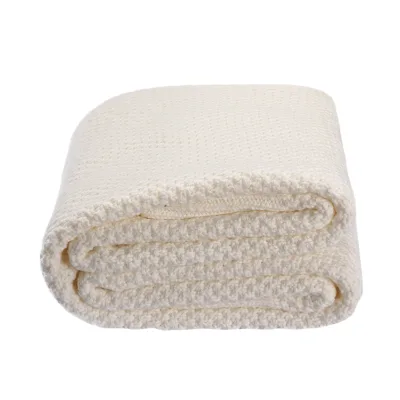
When evaluating quick dry baby bath towels, the fabric composition and weave structure are the most critical technical parameters to verify. While 100% cotton is a common material, it is inherently slow-drying compared to synthetic blends or microfiber. Buyers should inquire about the specific weave type, such as terry, waffle, or gauze, as open weaves like gauze are known for faster drying times while maintaining the breathability and softness associated with cotton. Additionally, the fabric weight, listed in grams per square meter (GSM), is a key indicator of thickness and drying speed; lighter weights generally dry faster but may offer less absorbency. It is essential to request physical samples to test the actual drying time and texture, as theoretical specifications do not always translate to real-world performance.
Dimensional accuracy and packaging details are also vital for logistics and retail readiness. The observed open sizes range from 20x15cm to 22x24cm, which are suitable for infant use but may be too small for older children or adults. Buyers must confirm the exact dimensions of the finished product, including any shrinkage that may occur after washing, to ensure it meets their size requirements. Furthermore, the single package size and gross weight, such as 25x20x5 cm and 0.300 kg respectively, impact shipping costs and storage efficiency. Understanding the packing method, whether it is individual OPP bags, poly bags, or cartons, is crucial for determining the unit cost and the ease of distribution to end-users.
Compliance and Safety Documentation
Safety is paramount when sourcing products for babies, making compliance documentation a non-negotiable aspect of the procurement process. The observed certifications, including CE, MSDS, FDA, SGS, and ISO 9001, provide a baseline for quality and safety assurance. However, buyers must verify that these certifications are current and specifically applicable to baby textiles, as some may relate to general manufacturing processes rather than the final product's safety. For instance, FDA compliance might relate to food contact surfaces, while its relevance to textiles needs clarification. It is advisable to request detailed test reports that cover specific hazards such as formaldehyde content, pH levels, and the presence of harmful dyes or chemicals, ensuring the product is safe for prolonged skin contact.
The claim of "no alcohol" and "no chemicals" is a significant selling point for parents concerned about skin irritation, but it must be substantiated by laboratory testing. Buyers should ask for a comprehensive ingredient list or a statement of compliance with relevant textile safety standards, such as OEKO-TEX Standard 100, which is widely recognized for testing harmful substances in textiles. While GOTS (Global Organic Textile Standard) is mentioned in the background knowledge, its specific application to the current listings is low-confidence and should not be assumed without direct verification from the supplier. Ensuring that the product is free from allergens and irritants is critical for maintaining brand reputation and avoiding regulatory issues in target markets.
Cost Drivers and Commercial Terms
The cost of quick dry baby bath towels is influenced by several factors, including material quality, customization options, and order volume. The observed price range of $0.11 to $7.43 USD reflects the vast difference between disposable wipes and high-quality woven cotton towels. Buyers must align their budget with the desired product specifications, understanding that higher thread counts, organic materials, or complex printing designs will increase the unit cost. The minimum order quantity (MOQ) ranges from 1 to 25,000 pieces, offering flexibility for both small startups and large retailers. However, lower MOQs often come with higher per-unit prices, so buyers should calculate the total landed cost, including shipping and tariffs, to determine the most economical order size.
Commercial terms such as payment methods and lead times also impact the overall procurement strategy. The availability of payment options like PayPal, Western Union, TT, and Trade Assurance provides security for buyers, with Trade Assurance offering additional protection against non-delivery or quality issues. Lead times for samples are typically 1-2 days, while formal orders take 10-14 days, which is relatively fast but subject to production capacity and customization requirements. Buyers should plan their inventory accordingly, allowing for buffer time to account for potential delays in production or shipping. Clear communication regarding these terms can help avoid misunderstandings and ensure a smooth transaction process.
Supplier Qualification and Quality Control
Selecting a reliable supplier is crucial for maintaining product consistency and meeting delivery deadlines. Buyers should verify the supplier's manufacturing capabilities, including their experience with baby textiles and their ability to handle OEM/ODM requests. The presence of a physical address in Hangzhou, Zhejiang Province, China, provides a point of reference for due diligence, but buyers should also assess the supplier's reputation through reviews, references, and past performance data. Requesting a factory audit or a third-party inspection report can provide insights into the production environment, quality control processes, and ethical labor practices. This step is essential for mitigating risks associated with supply chain disruptions and ensuring that the supplier can scale production as needed.
Quality control measures should be established before placing large orders, including clear acceptance criteria for defects, color consistency, and dimensional accuracy. Buyers should specify the acceptable tolerance levels for fabric weight, thread count, and print quality in the purchase agreement. Implementing a pre-shipment inspection (PSI) can help identify any issues before the goods are dispatched, reducing the risk of receiving substandard products. Additionally, establishing a clear communication channel for addressing quality issues and requesting replacements or refunds is vital for maintaining a healthy business relationship. Regular feedback and performance evaluations can help identify areas for improvement and ensure continuous quality enhancement.
Long-Term Procurement Checks
Sourcing quick dry baby bath towels is not a one-time transaction but an ongoing process that requires continuous monitoring and adaptation. Buyers should regularly review market trends, consumer preferences, and regulatory changes to ensure their product offerings remain relevant and compliant. This includes staying informed about new materials, such as improved cotton blends or sustainable alternatives, that may offer better performance or environmental benefits. Engaging with suppliers to discuss product innovations and potential cost-saving opportunities can also help maintain a competitive edge. Building a strong relationship with suppliers based on mutual trust and transparency can lead to better pricing, priority production, and collaborative problem-solving.
Finally, buyers should establish a robust feedback loop with their end-users to gather insights on product performance and satisfaction. This information can be used to refine product specifications, address common complaints, and develop new features that meet evolving customer needs. Regularly updating the supplier qualification criteria and quality control protocols ensures that the procurement process remains effective and efficient. By adopting a proactive and data-driven approach to sourcing, buyers can mitigate risks, optimize costs, and deliver high-quality products that meet the safety and performance expectations of their target market.
FAQs
What materials are used for the baby bath towel?
The product is made from 100% cotton fabric with a thread count of at least 600TC. This woven material ensures the towel is absorbent, air-permeable, and suitable for sensitive baby skin without using harsh chemicals.
Can I customize the logo and design on the towel?
Yes, customization is available for logos and patterns using digital printing techniques. Buyers can request specific designs or brand names like Ruiying or Meijiji, and OEM or ODM services are accepted for bulk orders.
What are the available sizes for the Quick Dry Baby Bath Towel?
Standard open sizes include 20*15cm, 20*19cm, 20*20cm, and 22*24cm, with other dimensions available upon request. These specifications ensure the towel fits various needs for babies, women, and men during cleaning or bathing.
How long does it take to receive samples and formal orders?
Samples can be delivered within 1 to 2 days, while formal orders typically require 10 to 14 days for short delivery. This timeline applies to orders originating from Hangzhou, Zhejiang Province, China, ensuring efficient logistics.
Which certifications does the product pass for safety and quality?
The product passes tests and holds certifications including CE, MSDS, FDA, SGS, and ISO 9001 Quality. These credentials verify that the towels are free from alcohol and chemicals, making them safe for use on babies and sensitive skin.
What is the minimum order quantity for purchasing these towels?
The minimum order quantity is 100 pieces, though observed ranges in the market can extend up to 25,000 units. Buyers can negotiate packaging options such as poly bags, cartons, or soft bags to suit their specific distribution needs.
Are these towels suitable for all seasons and age groups?
Yes, the towels are designed for all seasons and are suitable for babies aged 2 to 10 years. Their 100% cotton fabric provides warmth and comfort, making them ideal for home, travel, and sport applications throughout the year.