Source Quick Dry Anti-Shrink T-Shirt for Office, Factory, and Maintenance
Find and compare 30 quick dry anti-shrink t-shirt options from Chinese manufacturers. Evaluate features like embroidery, silk screen printing, and fabric weight to select the best fit for office, factory, or maintenance workplace needs.
Key considerations
Products List
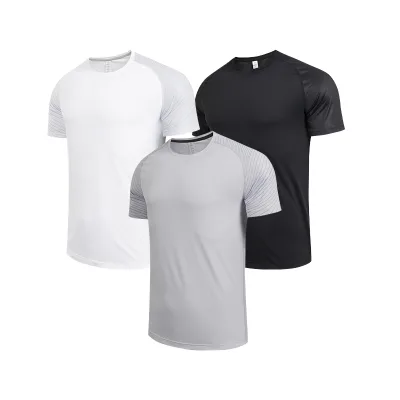


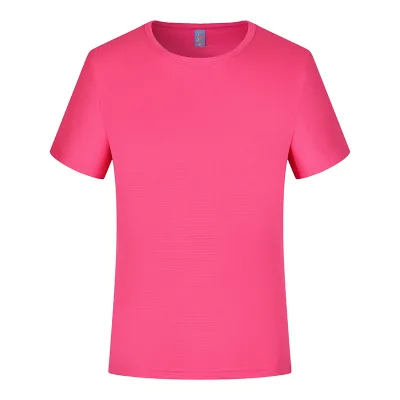


Men's Anti-Wrinkle, Quick Dry & Breathable & Eco-Friendly Customized T-Shirt
$3.60 - $5.90
MOQ: 1000 Pieces



Comprehensive Sourcing Guide
Quick Dry Anti-Shrink T-Shirt Sourcing Guide
Sourcing quick dry anti-shrink t-shirts requires a nuanced understanding of how fabric composition and finishing treatments interact to deliver performance in high-activity environments. Buyers must distinguish between garments designed for athletic moisture management and those intended for industrial or office wear where durability and shape retention are paramount. The intersection of "quick dry" and "anti-shrink" properties often points toward synthetic blends or specialized polyester constructions, as natural fibers like cotton generally lack inherent quick-drying capabilities without significant chemical treatment. Understanding these material distinctions is the first step in defining accurate technical requirements and avoiding mismatches between supplier claims and actual product performance.
This guide provides a structured approach to evaluating suppliers, verifying technical specifications, and managing commercial risks associated with this product category. By focusing on observable listing signals, critical technical verifications, and robust quality control measures, procurement teams can build a reliable supply chain for performance apparel. The following sections detail the essential checks and decision points necessary to secure high-quality inventory that meets specific functional and aesthetic requirements.
Product Scope and Observed Listing Signals
Market listings for quick dry anti-shrink t-shirts often present a mix of attributes that require careful cross-referencing to identify true product capabilities. Observed data indicates a wide price range, typically from $0.50 to $22.00 USD, reflecting variations in fabric weight, branding complexity, and order volume. The minimum order quantity (MOQ) also varies significantly, ranging from single items for sampling to bulk orders of 1,000 pieces, which suggests that suppliers cater to both small-batch customization and large-scale manufacturing needs. Buyers should note that lower prices often correlate with higher MOQs and simpler designs, while premium pricing may include advanced finishing treatments or complex embroidery.
Specific product attributes observed in current listings provide valuable signals for filtering potential suppliers. For instance, many items are constructed from 100% polyester, a material choice that inherently supports quick-drying properties and resistance to shrinking compared to natural fibers. Fabric weights observed around 150 grams per square meter suggest a lightweight, breathable construction suitable for summer wear or active use. Additionally, features such as anti-wrinkle, anti-pilling, and rip-stop capabilities are frequently listed alongside quick-dry claims, indicating a focus on durability and low maintenance. These combined attributes help buyers identify products that align with specific use cases, whether for corporate uniforms, athletic wear, or industrial maintenance roles.
Technical Specifications to Verify
Verifying the material composition is the most critical technical step, as the term "quick dry" is most reliably achieved through synthetic fibers like polyester. While some listings mention cotton, true quick-dry performance is rarely inherent in pure cotton without specific chemical coatings, which may wash out over time. Buyers should prioritize suppliers who explicitly state 100% polyester or high-percentage synthetic blends for quick-dry applications. Additionally, fabric type verification is essential; knitted fabrics are commonly used for t-shirts due to their stretch and comfort, but the specific knit structure (e.g., jersey, pique) affects breathability and moisture-wicking efficiency. Confirming the fabric weight, such as the observed 150gsm, ensures the garment is neither too thin for durability nor too heavy for comfort.
Beyond material, construction details and finishing treatments must be scrutinized to ensure the "anti-shrink" claim is substantiated. Buyers should verify if the fabric has undergone pre-shrinking processes or if the garment design includes features like regular fit and open-fronted structures that accommodate minor dimensional changes. Technical methods such as silk screen printing or embroidery for logos should be assessed for their impact on fabric breathability and moisture management. For example, heavy embroidery on the front logo position may reduce airflow in that area, potentially affecting the overall quick-dry performance. Additionally, checking for needle detection services is crucial for safety compliance, especially if the garments are intended for use in environments where metal contamination is a risk.
Compliance and Safety Documentation
Safety and compliance documentation are non-negotiable for B2B procurement, particularly when sourcing garments for industrial or workplace use. Buyers must request evidence of needle detection results, as indicated by specific supplier attributes, to ensure no metal fragments remain in the finished product. This is especially important for t-shirts used in factory settings or by maintenance personnel, where safety standards are strict. While specific certification statuses like ASTM E96 are mentioned in background data, buyers should verify the current validity and scope of any certifications provided by the supplier, ensuring they cover the specific fabric and dye processes used in production.
Environmental and chemical safety standards also play a significant role in modern procurement. Features such as "eco-friendly" and "anti-static" suggest that suppliers may adhere to specific chemical management protocols. Buyers should inquire about the dyes and finishes used, particularly for quick-dry and anti-shrink treatments, to ensure they comply with regional regulations regarding hazardous substances. Documentation should include test reports for flame retardancy if the garment is intended for high-risk workplaces, as some listings indicate this feature. Ensuring that all safety claims are backed by third-party test results or internal quality control records protects the buyer from liability and ensures worker safety.
Cost Drivers and Commercial Terms
The cost of quick dry anti-shrink t-shirts is influenced by several key factors, including material costs, customization complexity, and order volume. Suppliers often offer tiered pricing based on MOQ, with lower quantities incurring higher per-unit costs. For instance, some suppliers list an MOQ of 300 pieces, while others may require 200 or up to 1,000 pieces, directly impacting the final price. Customization services such as logo design, label placement, and packaging also add to the cost. Buyers should clarify whether these services are included in the base price or charged separately, as they can significantly affect the total procurement budget.
Commercial terms, including lead times and payment methods, are critical for supply chain planning. Typical sample lead times range from 3 to 7 days, allowing for quick evaluation of product quality before committing to bulk orders. However, production delivery times can extend from 20 to 40 days after receiving the deposit, depending on the order size and supplier workload. Buyers should negotiate clear delivery schedules and penalty clauses for delays to mitigate supply chain disruptions. Payment methods such as Western Union or bank transfers are common, but buyers should ensure secure transaction processes and consider using trade assurance services if available to protect their financial interests.
Supplier Qualification and Quality Control
Evaluating supplier qualifications is essential to ensure consistent product quality and reliable service. Buyers should prioritize manufacturers with a proven track record in producing performance apparel, as indicated by their business type and product history. Verifying the supplier's location, such as Shandong or Zhejiang in China, can provide insights into their supply chain efficiency and access to raw materials. Additionally, suppliers offering comprehensive customization services, including design, labeling, and packaging, demonstrate flexibility and capability to meet specific buyer requirements. Buyers should request references or case studies to validate the supplier's ability to deliver on time and meet quality standards.
Quality control measures must be rigorously enforced throughout the production process. Buyers should implement pre-production samples, in-line inspections, and final random inspections to catch defects early. Specific checks should include verifying fabric weight, color consistency, and the integrity of embroidery or printing. For quick-dry and anti-shrink claims, buyers may request independent lab tests to confirm performance attributes before approving bulk production. Establishing a clear quality agreement with the supplier, including acceptable defect rates and remediation procedures, ensures that both parties are aligned on quality expectations and reduces the risk of receiving substandard inventory.
Long-Term Procurement Checks
Building a long-term relationship with suppliers requires continuous monitoring and periodic re-evaluation of performance metrics. Buyers should track key performance indicators such as on-time delivery rates, defect rates, and responsiveness to issues. Regular communication and feedback loops help identify areas for improvement and strengthen the partnership. Additionally, staying updated on industry trends and technological advancements in fabric technology can provide opportunities to enhance product offerings. Buyers should periodically review supplier certifications and compliance documentation to ensure ongoing adherence to safety and environmental standards.
As market conditions and buyer requirements evolve, flexibility in procurement strategies is crucial. Buyers should maintain a diversified supplier base to mitigate risks associated with single-source dependencies. Regularly auditing suppliers and conducting market scans for new technologies or materials can help identify better value opportunities. By maintaining a disciplined approach to verification, compliance, and relationship management, buyers can secure a reliable supply of high-quality quick dry anti-shrink t-shirts that meet their operational and strategic goals. This proactive stance ensures long-term success and resilience in the face of supply chain challenges.
FAQs
What material is used for the quick dry anti-shrink t-shirt?
The product is available in 100% Polyester or Cotton materials depending on the specific model. Some variants feature knitted fabric with a weight of 150 grams to ensure durability and comfort during summer wear in office or factory settings.
Can I get a sample order within 7 days?
Yes, sample order lead time is supported within 7 days for most configurations. Specific sample times may range from 3 to 5 days depending on the customization requirements and the specific model number selected by the buyer.
What is the minimum order quantity for this t-shirt?
The minimum order quantity varies between 200 and 300 pieces based on the specific product model and customization needs. Buyers should verify the exact MOQ for their selected item as some models require 300 pieces while others start at 200.
Which customization services are available for this garment?
Customization services include design, label, logo, and package options for the t-shirt. Buyers can request specific modifications to the front logo position or pattern type while maintaining the regular fit and short sleeve style.
How long does delivery take after receiving the deposit?
Delivery time is typically within 30 to 40 days after receiving the deposit for standard orders. Some models may have a shorter order delivery time of 20 to 25 days depending on the production schedule and factory capacity.
What features does the quick dry anti-shrink t-shirt offer?
The t-shirt offers features such as anti-wrinkle, quick dry, anti-shrink, and breathable properties. Additional features may include anti-static, rip-stop, and flame retardant capabilities depending on the specific material and intended workplace application.
Where are these t-shirts manufactured?
These products originate from China, specifically from regions like Shandong and Zhejiang. The manufacturing process involves needle detection and utilizes techniques like embroidery or silk screen printing for the final design.