Source Quick Dry Microfibre Gym Towel for Sports, Hotel, Home
Compare 30 listings for the Quick Dry Microfibre Gym Towel suitable for sports, hotel, and home use. Buyers can evaluate features like ultra-soft texture, quick drying capability, and customization options across various models and materials; compare the available evidence and request quotations based on your requirements.
Key considerations
Products List


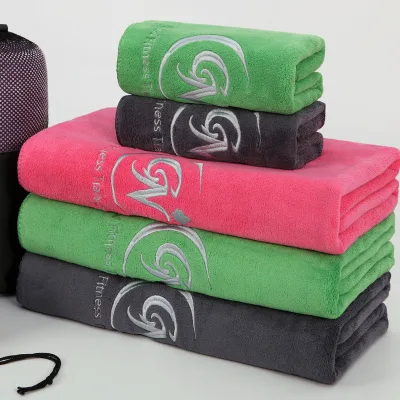


Custom Logo Microfiber Fitness Towel Fast Drying Portable Sports Gym Towel
$1.20 - $2.00
MOQ: 50 pieces

Microfiber Quick Dry Striped Workout Hiking Yoga Gym Towels with Logo Custom
$2.45 - $3.85
MOQ: 50 pieces


Microfiber Towel Manufacturer Quick Dry Sports Towel Gym Towel Cleaning Towels
$0.15 - $0.35
MOQ: 1000 pieces


Quick-Dry Microfiber Gym Towel Custom Logo for Sports and Fitness Training
$1.80 - $7.00
MOQ: 200 Pieces


Comprehensive Sourcing Guide
Quick Dry Microfibre Gym Towel Sourcing Guide
Procuring quick dry microfibre gym towels requires distinguishing between generic polyester blends and specialized microfiber constructions that offer superior moisture management. The observed market data indicates a material split between standard polyester-cotton mixes and dedicated microfiber options, with specific listings citing compositions like 80% polyester and 20% polyamide. Buyers must verify the exact fiber blend to ensure the towel meets the rapid absorption and drying speed required for high-intensity athletic environments.
Selection criteria should prioritize towels explicitly labeled as microfiber with features such as antimicrobial properties and high water absorption. While some listings mention plain dyed or printed patterns, the functional performance relies heavily on the fabric density and weave structure rather than just the visual design. Sourcing teams should focus on suppliers who can demonstrate the specific quick-dry capabilities through technical data rather than relying solely on marketing claims found in general product descriptions.
Product Scope and Observed Listing Signals
The current market inventory reveals a diverse range of product models, including specific identifiers like IR97544E and PX00200, which often correspond to different weight classes or weave densities. Observed gram weights typically fall between 300 and 400 GSM, suggesting a heavy-duty construction suitable for gym and hotel use, though some listings also reference lighter 100D*200D specifications for travel applications. Buyers need to carefully map these model numbers to their specific usage requirements, as the weight directly impacts the towel's absorbency and drying time.
Listing signals also highlight significant variation in customization options, with many suppliers offering custom packing, labels, and printing services. The observed usage categories span sports, gifts, hotels, and home environments, indicating that a single product line may serve multiple verticals. Procurement teams should verify if the specific model selected supports the intended application, such as beach use or compressed travel, by checking the detailed feature lists for attributes like sand-free or hanging capabilities.
Technical Specifications to Verify
Technical verification must begin with the material composition, as the distinction between 100% polyester and microfiber blends dictates the towel's performance characteristics. Some observed standards cite specific denier counts like 12% nylon and 88% polyester, while others list 100D*200D specifications that define the thread thickness and fabric density. Buyers should request detailed fabric swatches to confirm the microfiber structure, ensuring the product delivers the advertised quick-dry and ultra-soft properties without compromising durability.
Density and weight are critical parameters that influence the towel's utility in different settings, with observed ranges suggesting a need for precise specification matching. The presence of features like mothproofing, hypoallergenic treatment, and antimicrobial properties requires confirmation through technical data sheets rather than general product titles. Procurement specialists should validate the single package size and packing methods, such as carton or custom packaging, to ensure the physical dimensions align with logistics and storage constraints.
Compliance and Safety Documentation
Safety and compliance documentation for gym towels often focus on chemical safety and material purity, particularly for products marketed as hypoallergenic or eco-friendly. While specific certification names are not universally listed in the provided data, buyers should demand evidence of compliance with relevant textile safety standards for the target market. This includes verifying that the antimicrobial and super absorbent claims are backed by independent test results rather than internal assertions.
Documentation regarding the origin of materials is equally important, as observed listings indicate production in regions like Wuxi, Jiangsu, and Hebei, China. Buyers must ensure that the supplier can provide traceability for the raw materials, especially when the product claims to be eco-friendly or suitable for sensitive skin. Requesting a full material safety data sheet (MSDS) and proof of origin helps mitigate risks associated with chemical residues or non-compliant dyeing processes in the supply chain.
Cost Drivers and Commercial Terms
Cost structures for quick dry microfibre gym towels are heavily influenced by the complexity of the material blend and the level of customization required. The observed minimum order quantities (MOQ) range from 10 to 1000 units, suggesting that smaller buyers may face higher per-unit costs unless they consolidate orders or select standard models. Buyers should analyze the price-to-value ratio, considering that higher GSM weights and specialized features like compression or specific printing techniques will increase the base cost.
Commercial terms must account for the variability in packing and branding requirements, which are frequently cited as customizable in the market data. Suppliers offering custom labels, embroidery, and tailored packaging often charge premiums that should be factored into the total landed cost. Procurement teams should negotiate clear terms regarding sample availability and lead times, as the ability to produce customized samples and manage production runs efficiently can significantly impact the overall project timeline and budget.
Supplier Qualification and Quality Control
Supplier qualification should prioritize manufacturers with a proven track record in producing microfiber textiles and those capable of handling complex customization requests. The observed data shows a variety of production techniques, including embroidery and specific weaving standards, which require specialized machinery and skilled labor. Buyers should assess the supplier's capacity to maintain consistent quality across different batches, especially when dealing with custom orders that involve specific color matching or pattern printing.
Quality control protocols must be rigorous, focusing on the consistency of the quick-dry performance and the durability of the fabric after repeated washing. Since features like antimicrobial properties and high absorbency are key selling points, suppliers should provide batch testing reports to verify these claims. Establishing a clear quality assurance framework that includes pre-shipment inspections and random sampling ensures that the final product meets the specified technical requirements and brand standards.
Long-Term Procurement Checks
Long-term procurement strategies should include regular audits of supplier performance to ensure consistent adherence to quality and delivery schedules. Given the observed variation in product models and specifications, maintaining a stable supply chain requires clear communication channels and updated technical specifications for each order. Buyers should establish a feedback loop with suppliers to address any performance issues, such as inconsistent drying times or fabric defects, before they impact the end-user experience.
Sustainability and supply chain resilience are becoming increasingly critical factors in long-term sourcing decisions for textile products. Buyers should evaluate the supplier's commitment to eco-friendly practices and their ability to adapt to changing market demands or regulatory requirements. Regularly reviewing the supplier's production capabilities and material sourcing strategies ensures that the procurement of quick dry microfibre gym towels remains competitive and aligned with broader corporate sustainability goals.
FAQs
What materials are used in these quick dry microfibre gym towels?
The towels are primarily made from polyester and cotton blends or 100% polyester microfiber. Some specific models utilize an 80% polyester and 20% polyamide composition. These materials ensure the fabric is ultra-soft, highly absorbent, and capable of quick drying, making them ideal for sports and hotel use.
Can I customize the packing and branding for bulk orders?
Yes, customization is available for both packing and branding. Buyers can request customized packings, such as cartons or individual units, and accept customized labels. The supplier also offers customerized printing options, allowing you to add your logo or specific designs to meet your brand requirements for gifts or corporate events.
What is the typical MOQ for ordering these microfiber towels?
The minimum order quantity typically ranges from 10 to 1000 pieces, depending on the specific product model and customization needs. This flexible MOQ allows businesses to start with smaller test orders or scale up for larger distributions. Buyers should confirm the exact MOQ with the supplier based on their chosen model and design specifications.
Are these towels suitable for use as beach or gym accessories?
Yes, these towels are versatile and suitable for sports, gym, beach, and home use. They feature quick-dry technology, are hypoallergenic, and often include antimicrobial properties. The microfiber construction ensures high water absorption and sand-free performance, making them practical for active lifestyles, yoga, golf, and general travel needs.
Where are these quick dry towels manufactured and shipped from?
These towels are manufactured in China, with specific origins noted in Wuxi, Jiangsu, and Hebei provinces. The products are packed in cartons for efficient shipping. Buyers can expect standard microfiber quality with various GSM weights, ensuring durability and performance for international distribution and wholesale procurement channels.