Source Quick Dry Oversize Bamboo Pajamas for home, travel, and lounging
Compare 30 listings for Quick Dry Oversize Bamboo Pajamas from verified manufacturers. Buyers can evaluate customization options, material blends like cotton or polyester, and MOQs ranging from 50 to 1000 pieces for sleepwear and robes.
Key considerations
Products List


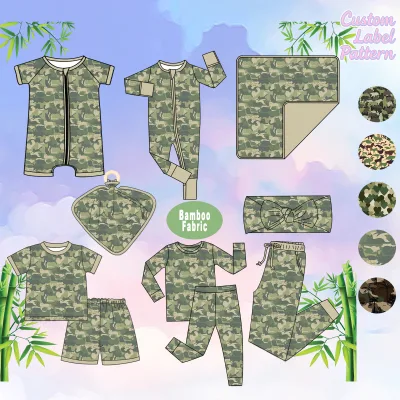
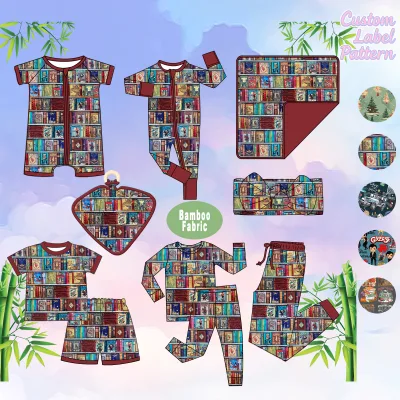
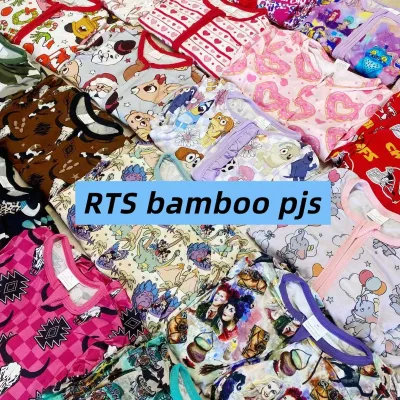
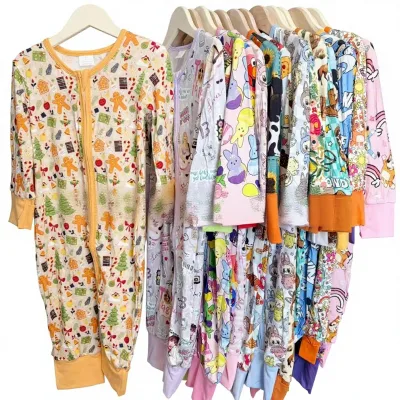
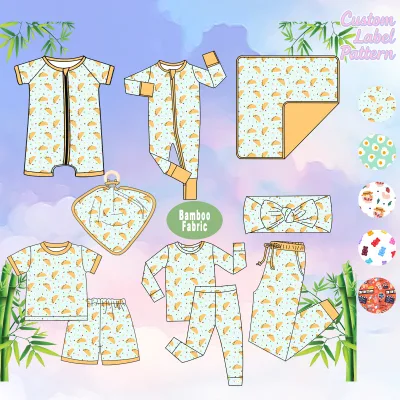


Short Sleeve Pyjamas Viscose Super Soft Bamboo Pajamas Women Loungewear
$8.99 - $15.99
MOQ: 100 Pieces

Summer Short Sleeve Lapel Neck Floral Print Contrast Binding Bamboo Women Pajamas
$9.58 - $16.58
MOQ: 100 Pieces

Custom Printing Bamboo Sleepwea Extra Soft Texture Breathable Comfortable Women Pajamas Set
$9.99 - $10.28
MOQ: 100 Pieces


Low MOQ Bamboo Pajamas for Women Sleepwear Short Sleeve 2pieces Pajama Set
$8.51 - $9.22
MOQ: 50 Pieces
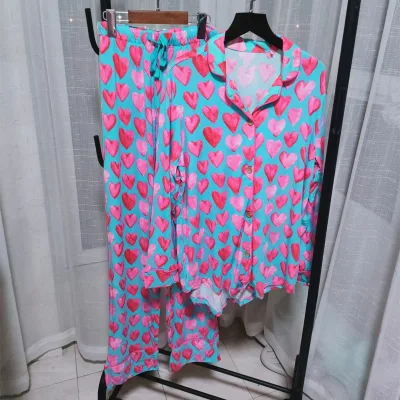


Comprehensive Sourcing Guide
Strategic Sourcing Guide for Quick Dry Oversized Bamboo Pajamas
The global demand for sustainable sleepwear has driven a significant shift toward natural fiber blends that offer both comfort and functional performance. Buyers searching for "Quick Dry Oversize Bamboo Pajamas" are often looking for a specific intersection of material science, design aesthetics, and supply chain reliability. While the core keyword suggests a specific material composition, the reality of the B2B market requires a nuanced understanding of how bamboo is processed, blended, and manufactured into finished garments. This guide provides a disciplined framework for evaluating suppliers, verifying technical claims, and structuring procurement contracts for this specific product category.
Material Composition and Functional Performance
The term "bamboo" in the textile industry can refer to bamboo viscose, bamboo lyocell, or bamboo blends. It is critical for buyers to distinguish between these because the "quick dry" attribute is rarely a property of pure bamboo fiber alone. Pure bamboo viscose is known for its breathability and softness but often retains moisture longer than synthetic blends. To achieve the "quick dry" performance specified in the search query, manufacturers typically blend bamboo with polyester or other synthetic fibers.
When evaluating product specifications, buyers must verify the exact material ratio. The supplied data indicates that products in this sector often utilize materials such as "100% Cotton" or "Polyester/Cotton" blends. While these are common, they do not inherently satisfy the "bamboo" requirement unless the supplier explicitly confirms a bamboo viscose or lyocell content. A responsible buyer should request a detailed fiber composition breakdown. If the product claims to be "quick dry," the presence of a synthetic component like polyester is highly probable, as synthetics facilitate faster moisture evaporation.
Furthermore, the "oversize" design element implies a specific cut and drape. This requires the fabric to have sufficient weight and structure to maintain the silhouette without clinging. Buyers should inquire about the fabric weight, typically measured in GSM (grams per square meter). The observed market data suggests a weight range of 200-450 GSM is available for customization. For an oversize pajama set intended for comfort and warmth, a weight in the higher end of this spectrum (300-450 GSM) is often preferred to ensure the garment drapes correctly and provides the desired cozy feel.
Technical Specifications and Manufacturing Standards
Beyond material, the construction details define the quality and longevity of the pajamas. The manufacturing process for bamboo-based textiles involves specific challenges, particularly regarding shrinkage and color fastness. Buyers must verify the stitching density and thread quality. Standard industry practices often cite specific stitching metrics, such as "1 inch 12 Stitching," which indicates a high level of durability. The thread quality, such as "60s/2," suggests a finer, stronger yarn that resists pilling and fraying over time.
The "oversize" fit also necessitates precise pattern making. The product model numbers observed in the market, such as "TIF Sleepwear 20250801," indicate that suppliers often use specific internal coding for designs. Buyers should ensure that the supplier has a robust system for tracking these models to avoid mix-ups in large orders. Additionally, the "knitting" weave type mentioned in the data is common for sleepwear as it offers stretch and comfort. However, the buyer must confirm that the knitting process does not compromise the structural integrity of the fabric, especially when dealing with blended fibers.
Printing and customization are also key technical considerations. The data highlights various printing methods including "Silk-Screen," "Hot Transfer," and "Sublimation." For bamboo blends, sublimation is often preferred for all-over prints as it bonds well with synthetic fibers, while silk-screen is suitable for logo placement. Buyers should verify that the chosen printing method is compatible with the specific fiber blend to prevent cracking or fading after washing. The "Pattern Cost" of 50 USD per pattern is a specific data point that can be used as a benchmark for budgeting, though buyers should confirm if this cost is one-time or recurring.
Compliance, Certification, and Ethical Sourcing
In the B2B sleepwear market, compliance is not merely a legal requirement but a brand differentiator. While the supplied data mentions "FSC" and "OEKO-TEX" as low-confidence background elements, buyers should treat these as verification targets rather than guaranteed attributes. The "FSC" (Forest Stewardship Council) certification is relevant if the bamboo is sourced from managed forests, ensuring sustainable harvesting. The "OEKO-TEX" standard is critical for sleepwear, as it verifies that the fabric is free from harmful substances, which is a primary concern for products worn directly against the skin for extended periods.
Buyers must explicitly request certification documents from potential suppliers. Do not rely on marketing claims alone. The "prod_standard" field in the data notes "As customer request," which implies that standards can be negotiated. However, for international markets, adhering to established standards like OEKO-TEX Standard 100 is often a prerequisite for market entry. Additionally, the "Customized Privated Label" attribute suggests that many suppliers offer private labeling services. Buyers should ensure that the labeling process complies with local regulations regarding fiber content disclosure and care instructions.
Ethical sourcing is another pillar of compliance. The "Supply Type: Make to Order" model indicates a production approach that can reduce waste, but it also requires strict oversight of labor practices. Buyers should inquire about the supplier's social compliance audits, such as SA8000 or BSCI, to ensure fair labor conditions. The "prod_origin" being listed as "Zhejiang, China" or "China Mainland" is common, but the specific factory location should be verified to ensure it meets the buyer's ethical standards.
Cost Drivers and Pricing Structures
Understanding the cost structure of bamboo pajamas is essential for budgeting and margin analysis. The observed price range of 1-98 USD suggests a wide variance based on material quality, customization level, and order volume. Several factors drive these costs. First, the raw material cost of bamboo viscose or lyocell can fluctuate based on global supply chains. Second, the "Customization" aspect, including "Design: Customized" and "Printing: as Your Request," adds significant labor and setup costs.
The "MOQ" (Minimum Order Quantity) is a critical cost driver. The data shows a range from 5 to 1000 pieces, with specific instances of 500 PCS and 1000 PCS. Higher MOQs generally lower the unit cost due to economies of scale. However, for buyers testing a new product line, the "500 PCS" or "100 PCS Per Design" options provide a lower barrier to entry. Buyers should also consider the "Pattern Cost" of 50 USD, which is a fixed cost per design regardless of volume. This cost must be amortized over the order quantity to determine the true unit cost.
Other cost factors include the "Sample Time" of 7 days and the "Bulk Production Time" of 45 days after sample confirmation. Rush orders may incur expedited shipping or production fees. The "prod_packing" method, such as "1 PC/OPP Bag" or "Export Carton," also impacts logistics costs. Bulkier packaging increases shipping volume and weight, which can significantly affect the landed cost. Buyers should optimize packaging specifications to balance protection and shipping efficiency.
Supplier Evaluation and Quality Control
Selecting the right supplier requires a rigorous evaluation process. The "OEM: Welcome" and "Customization: Available" attributes indicate that many suppliers are flexible, but flexibility does not equate to quality. Buyers should assess the supplier's technical capabilities, including their ability to handle "Digital Printing" and "Sublimation" processes effectively. The "Sample Time" of 7 days is a good indicator of operational efficiency, but the quality of the sample is paramount.
Quality control (QC) should be integrated into the procurement process. The "Samples: Free Samples Are Available" offer is a valuable tool for buyers to test the "Quick Dry" claim and the "Oversize" fit personally. Buyers should conduct wash tests on samples to verify color fastness and shrinkage rates. The "Threads: 60s/2" and "Stitching: 1inch 12 Stitching" specifications should be used as acceptance criteria during the QC phase. Any deviation from these standards should be flagged immediately.
Furthermore, the "Production Time: According to Your Quantity" suggests that lead times can vary. Buyers must establish clear communication channels to monitor production progress. The "Bulk Production Time" of 45 days is a baseline, but delays can occur due to material shortages or design changes. A robust supplier will provide regular updates and have contingency plans for potential disruptions. The "Print Method" and "Pattern Cost" should be confirmed in writing to avoid disputes later.
Long-Term Procurement and Market Adaptability
Sourcing bamboo pajamas is not a one-time transaction but a long-term partnership. The "Supply Type: Make to Order" model allows for flexibility in responding to market trends, such as changes in "Dying Colors" where "Over 60 Colors Are in Stock." Buyers should leverage this inventory to reduce lead times for reorders. The "Buttons: Mother Peals Are Typical" detail highlights the importance of component quality; buyers should ensure that buttons and other trims are durable and aesthetically consistent with the brand image.
As the market evolves, buyers must stay ahead of regulatory changes and consumer preferences. The "Function: Warmth, Home, Comfortable" attributes suggest that the product is positioned for the home wear segment. Buyers should monitor trends in sustainable fashion and ensure their suppliers remain compliant with evolving environmental standards. The "Customized Privated Label" feature allows brands to build loyalty, but it requires consistent quality to maintain brand reputation.
Finally, buyers should consider the scalability of the supply chain. The "MOQ" ranges indicate that suppliers can handle both small test runs and large volume orders. However, the "Production Time" and "Sample Time" must be factored into the overall supply chain strategy. A supplier that can consistently deliver on time and meet quality standards is more valuable than one with a lower price but unreliable delivery. By focusing on these long-term considerations, buyers can build a resilient supply chain that supports their brand's growth in the competitive sleepwear market.
Comparative Analysis of Product Attributes
To assist in decision-making, the following table summarizes key attributes observed in the market data for bamboo and similar sleepwear products. This comparison helps buyers identify the specific features that align with their requirements.
| Attribute Category | Observed Options | Strategic Implication |
|---|---|---|
| Material Composition | 100% Cotton, Polyester/Cotton, Silk Satin | Verify bamboo content explicitly; blends may be needed for "quick dry." |
| MOQ Range | 500 PCS, 1000 PCS, 100 PCS/Design | Lower MOQs (100) allow for testing; higher MOQs reduce unit cost. |
| Production Time | 45 Days (Bulk), 7 Days (Sample) | Plan lead times carefully; 45 days is standard for bulk. |
| Customization | Logo, Pattern, Private Label, Print Method | High flexibility available; confirm costs for patterns and printing. |
| Fabric Weight | 200-450 GSM | Heavier weights (300+) preferred for "oversize" drape and warmth. |
| Origin | Zhejiang, China; China Mainland | Verify factory location for ethical and logistical planning. |
| Packing | 1 PC/OPP Bag, Export Carton | Optimize for shipping costs; export cartons are standard for bulk. |
This structured approach ensures that buyers can navigate the complexities of sourcing quick-dry oversize bamboo pajamas with confidence, relying on verified data and industry best practices rather than unverified claims.
FAQs
How can I verify if the pajamas are truly quick dry?
Verify quick dry performance by requesting samples to test moisture evaporation rates. The product data indicates blends like Polyester/Cotton are common, which facilitate faster drying compared to pure bamboo viscose.
What customization options are available for these pajamas?
Customization is available for design, printing, and private labeling. Suppliers offer silk-screen, hot transfer, and sublimation printing methods with pattern costs around 50 USD per design.
Which material compositions are typically used for this style?
Typical compositions include 100% Cotton or Polyester/Cotton blends. While pure bamboo is common, quick dry features often require synthetic blends to enhance moisture evaporation capabilities.
Can I get free samples before placing a bulk order?
Yes, free samples are available for testing fit and quality. Sample time is typically 7 days, allowing you to verify stitching density and fabric weight before committing to production.
What is the minimum order quantity for custom pajamas?
Minimum order quantities range from 100 to 1000 pieces depending on the design. Specific listings show MOQs of 500 PCS or 100 PCS per design for customization projects.
How long does bulk production take after sample confirmation?
Bulk production time is approximately 45 days after sample confirmation. This duration may vary based on the specific quantity ordered and the complexity of the customization requested.
Where are these pajamas typically manufactured?
Products are typically manufactured in Zhejiang, China or China Mainland. Suppliers in these regions often offer make-to-order services with customizable packing and labeling options.