Source Quick-Drying Breathable Bicycle Jersey for Racing, Training, and Daily Commuting
Explore 30 verified listings for a quick-drying breathable bicycle jersey designed for road cycling, mountain biking, and fitness training. Buyers can compare customization options, fabric blends like polyester and elastane, and sizing ranges from kids to adults.
Key considerations
Products List


Breathable Quick Dry Lightweight Short Sleeve Men's Cycling Bicycle Jersey
$14.58 - $15.70
MOQ: 500 Pieces


Hot Sale Sublimation Printing Cycling Jersey Custom Made Bicycle Sportswear
$8.00 - $16.50
MOQ: 10 piece


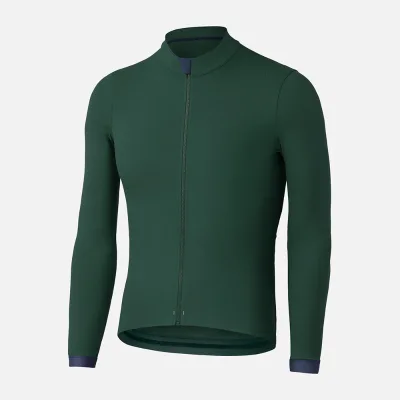


Fully Customizable Design Breathable Quick Dry Mesh Short Sleeve Bike Jersey
$15.00 - $25.00
MOQ: 600 Pieces


Custom High Quality Short Sleeve Cycling Jersey Breathable Quick Dry Front
$15.00 - $25.00
MOQ: 600 Pieces


Comprehensive Sourcing Guide
Strategic Sourcing Guide for Quick-Drying Breathable Bicycle Jerseys
The global demand for high-performance cycling apparel has driven a significant shift in B2B procurement strategies, particularly for items defined by the core keyword "quick-drying breathable bicycle jersey." Buyers entering this market must navigate a complex landscape of material science, manufacturing capabilities, and supply chain logistics. The following guide provides a structured approach to sourcing these garments, grounded in verified product attributes and industry standards. This document is designed to assist procurement professionals in evaluating suppliers, understanding technical specifications, and mitigating risks associated with bulk purchasing of cycling wear.
Understanding Material Composition and Technical Performance
The foundation of a high-quality cycling jersey lies in its material composition. In the current market, Polyester stands out as the dominant material, often blended with Elastane or Spandex to achieve the necessary stretch and fit. The observed product data confirms that Polyester is the primary fiber, frequently cited in conjunction with Elastane or Spandex to enhance elasticity. This blend is critical for the "quick-drying" and "breathable" attributes that define the product category. Polyester provides the structural integrity and moisture-wicking capabilities required to move sweat away from the skin, while the addition of Elastane ensures the jersey conforms to the rider's body shape without restricting movement.
Some advanced listings indicate the inclusion of Wool in the standard composition, suggesting a niche segment focused on temperature regulation for variable weather conditions. However, the vast majority of quick-drying jerseys rely on the Polyester/Elastane or Polyester/Spandex matrix. The technical performance of these garments is further enhanced by specific fabric treatments. Attributes such as "Anti-UV," "Anti-Static," and "Windbreak" are frequently observed in product specifications, indicating that modern jerseys are engineered not just for comfort but for environmental protection. The "Quick-Drying" feature is a direct result of the hydrophobic nature of synthetic fibers, which allows water to evaporate rapidly, a crucial factor for endurance cycling and high-intensity racing.
Buyers must verify that the specific fabric weight and weave density align with the intended usage. While the standard thickness is often listed as "Standard," this can vary based on the season. For spring and summer applications, lighter weaves are preferred to maximize breathability. The "Sublimation Printed" technique is the industry standard for applying patterns and logos. This method ensures that the design becomes part of the fabric rather than sitting on top, which prevents cracking and fading while maintaining the fabric's breathability. The "Patterned" attribute observed in many listings suggests a high degree of customization, allowing brands to create unique visual identities without compromising the technical performance of the base material.
Customization Capabilities and Production Flexibility
One of the most significant advantages of sourcing cycling jerseys from the current market is the extensive customization available. The product data explicitly states that "Customization" is an available attribute for nearly all listed items. This extends beyond simple color selection to include full design control. The "Logo" field is frequently marked as "Customized," indicating that suppliers are equipped to handle branding requirements for private label or corporate teams. The "Patterned" nature of the garments, combined with sublimation printing, allows for complex, all-over designs that are integral to the fabric structure.
Size customization is another critical factor. While standard sizes such as S, M, L, XL, and XXL are common, the data reveals a strong trend toward "Customized" sizing. This includes options for "Kids-Youths-Adults" and specific ranges like "S-XXXL or Customized." This flexibility is essential for buyers targeting specific demographics or requiring precise fit for professional racing teams. The "prod_packing" attribute further highlights this flexibility, with options ranging from "OPP Bags" to "According to Customer Required" or specific logistics partners like "DHL, FedEx." This indicates that suppliers are prepared to handle bespoke packaging solutions, which is vital for brand presentation and logistics efficiency.
The "Supply Type" is consistently identified as "OEM Service," confirming that the manufacturing ecosystem is built around Original Equipment Manufacturing. This means buyers can expect a high level of collaboration, from initial design concepts to final production runs. The "prod_model" codes, such as G24C-21, C-5-P, and various NSCY series numbers, suggest a modular approach to production where different models can be adapted to specific client needs. Buyers should leverage this flexibility to request samples that reflect their exact requirements before committing to large orders, ensuring that the customization process meets their quality and aesthetic standards.
Compliance, Standards, and Quality Verification
When sourcing apparel, understanding the relevant standards and compliance requirements is paramount. The product data lists "Polyester" and "Polyester/Elastane" under the "prod_standard" field, which refers to material composition standards rather than safety certifications. However, buyers must be aware that while the material standards are clear, specific safety or environmental certifications (such as OEKO-TEX or GRS) are not explicitly confirmed in the provided data. Therefore, it is the buyer's responsibility to verify that the supplier adheres to international safety and environmental standards relevant to their target market.
The "prod_origin" is listed as "China," which is a major hub for textile manufacturing. While this offers cost advantages, it necessitates rigorous quality control. Buyers should request documentation regarding the dyeing and finishing processes to ensure compliance with regulations in their destination country. The "Feature" list includes "Body Shape" and "Breathable," which are performance claims that should be validated through third-party testing. Although specific test results are not provided in the source data, buyers should ask for lab reports confirming the moisture-wicking efficiency and UV protection ratings (e.g., UPF 50+).
Compliance also extends to labor standards and ethical sourcing. Given the OEM nature of the supply, buyers should ensure that the manufacturing facilities adhere to fair labor practices. While the data does not provide specific audit reports, the "OEM Service" designation implies a professional manufacturing environment. Buyers should include clauses in their contracts requiring adherence to local labor laws and international ethical standards. Additionally, the "Standard" field listing "Customized" for some items suggests that the supplier may be willing to meet specific client-defined standards, which can be a leverage point for ensuring quality assurance.
Cost Drivers and Pricing Dynamics
The pricing of quick-drying breathable bicycle jerseys is influenced by several key factors, including material costs, customization complexity, and order volume. The observed price range in the market is between 3 and 30 USD, reflecting a wide spectrum of product quality and features. Lower-priced items typically utilize standard Polyester blends with minimal customization, while higher-priced items may incorporate advanced features like Wool blends, superior Anti-UV treatments, or complex sublimation designs.
The "MOQ" (Minimum Order Quantity) range of 1 to 600 units indicates significant flexibility for buyers. This range allows small startups to test the market with low-risk orders while accommodating large-scale retailers with bulk requirements. The "Customized" nature of the product often increases the unit cost due to the setup time for sublimation printing and the need for specific pattern matching. Buyers should anticipate that orders requiring unique logos, custom sizes, or specialized packaging will fall on the higher end of the price spectrum.
Lead times are another critical cost driver. While specific lead times are not provided in the data, the "According to Customer Required" packing and "OEM Service" nature suggest that production schedules can be negotiated. Buyers should factor in the time required for sample approval, material sourcing, and production runs when planning their inventory. The "Supply Type" being OEM also implies that the supplier may have a backlog of orders, so early communication regarding timelines is essential to avoid delays.
Supplier Evaluation and Selection Criteria
Selecting the right supplier requires a multi-faceted evaluation process. Buyers should prioritize suppliers who demonstrate a clear understanding of the technical requirements for cycling jerseys. The presence of specific product models (e.g., GB035, NSCY43) and detailed feature lists indicates a mature product line. However, buyers must verify the supplier's capacity to maintain consistency across batches. The "Sublimation Printed" technique requires precise equipment and skilled operators to ensure colorfastness and design accuracy.
Communication and responsiveness are also key indicators of supplier reliability. The ability to handle "Customized" requests for size, logo, and packing suggests a flexible and customer-oriented approach. Buyers should assess the supplier's willingness to provide samples and their transparency regarding material sources. The "prod_origin" being China means that language barriers and time zone differences may exist, so effective communication channels are vital.
Furthermore, buyers should evaluate the supplier's quality control processes. While the data does not list specific QC protocols, the "Standard" field listing "Customized" suggests that the supplier is open to implementing client-specific quality checks. Buyers should request a detailed QC plan that covers material inspection, in-process checks, and final product testing. The "Feature" list includes "Windbreak" and "Waterproof" for some items, which are critical performance metrics that must be rigorously tested.
Quality Control Protocols and Long-Term Procurement
Implementing a robust quality control (QC) protocol is essential for maintaining product integrity. Buyers should establish clear acceptance criteria for the "Quick-Drying" and "Breathable" features. This can be done through simple home tests or by commissioning third-party laboratory tests. The "Thickness" being listed as "Standard" provides a baseline, but buyers should verify that the fabric weight is consistent across the entire order. Any deviation in thickness can affect the jersey's performance and durability.
Long-term procurement considerations involve building a sustainable relationship with the supplier. The "OEM Service" model allows for continuous improvement and product iteration. Buyers should plan for regular product reviews to incorporate feedback from end-users. The "Season" attribute, listing "Spring, Summer," suggests that inventory planning should be aligned with seasonal demand cycles. Buyers should also consider the environmental impact of their procurement, exploring options for recycled polyester or sustainable packaging to meet growing consumer demand for eco-friendly products.
Finally, buyers should maintain a diversified supplier base to mitigate risks. While the current data points to a strong presence of Chinese manufacturers, relying on a single source can be risky. Developing relationships with multiple suppliers who offer similar customization and quality levels can provide flexibility in case of supply chain disruptions. The "MOQ" range of 1 to 600 allows for this diversification strategy, enabling buyers to split orders among different suppliers to test quality and reliability before committing to large volumes.
Application Scenarios and Market Segmentation
The versatility of quick-drying breathable bicycle jerseys makes them suitable for a wide range of applications. The "Usage" field lists "Racing, Cycling, Bicycle Wear," indicating their primary function in competitive and recreational cycling. However, the data also highlights broader applications such as "Ball Sports, Soccer, Fitness, Rugby/Football, Track and Field, Gym, Yoga, Basketball." This suggests that the same technical features—moisture-wicking, breathability, and stretch—can be adapted for various athletic activities.
For racing teams, the "Body Shape" and "Breathable" features are paramount, as they directly impact performance and comfort during high-intensity efforts. For recreational cyclists, the "Anti-UV" and "Windbreak" features add value by providing protection against the elements. The "Patterned" designs and "Customized" logos allow teams and brands to create a cohesive visual identity, which is crucial for marketing and team spirit.
The "Size" options, ranging from "Kids-Youths-Adults," indicate that these jerseys can be used for youth development programs as well as adult competitions. This broad applicability makes them a versatile product for retailers and distributors looking to serve multiple market segments. Buyers should consider the specific needs of each segment when selecting products, ensuring that the features align with the intended use case. For example, youth jerseys may require more durable materials to withstand rougher handling, while adult racing jerseys may prioritize aerodynamics and lightweight construction.
In conclusion, sourcing quick-drying breathable bicycle jerseys requires a strategic approach that balances technical performance, customization needs, and cost considerations. By leveraging the available product data and adhering to rigorous quality control standards, buyers can build a reliable supply chain that meets the demands of the dynamic cycling apparel market. The flexibility of the OEM model and the wide range of customization options provide a solid foundation for creating high-quality, branded products that resonate with consumers.
FAQs
Can I get custom logos and designs on these jerseys?
Yes, customization is available for logos and patterns on these cycling jerseys. Suppliers use sublimation printing to ensure the design becomes part of the fabric, allowing for unique patterns and branding without compromising the quick-drying and breathable performance of the polyester material.
What materials are used for quick-drying breathable bicycle jerseys?
The primary material is polyester, often blended with elastane or spandex to provide stretch and fit. Some advanced options may include wool for temperature regulation, but the standard composition relies on synthetic fibers to ensure rapid moisture-wicking and breathability for riders.
Which sizes are available for these cycling jerseys?
Standard sizes range from S to XXL, but customized sizing is widely available for kids, youths, and adults. Buyers can request specific dimensions like S-XXXL or fully custom measurements to ensure a precise fit for professional racing teams or specific demographic groups.
How much is the minimum order quantity for these jerseys?
The minimum order quantity ranges from 1 to 600 units depending on the supplier and customization level. This flexibility allows small startups to test the market with low-risk orders while accommodating large-scale retailers who require bulk purchasing for their inventory needs.
What features do these jerseys offer for weather protection?
Many jerseys include features like windbreak, waterproof, anti-UV, and anti-static properties to protect riders. These attributes are engineered into the fabric to handle variable weather conditions while maintaining the core quick-drying and breathable performance required for high-intensity cycling.
Can I customize the packaging for my brand?
Yes, packaging can be customized according to customer requirements, including options like OPP bags or specific logistics partners. This flexibility supports brand presentation and logistics efficiency, allowing buyers to tailor the unboxing experience to their specific market and distribution needs.