Source Yoga Dress Options for Gym, Running, and Fitness
Explore 30 available Yoga Dress styles designed for active lifestyles. Compare features like moisture-wicking, breathability, and quick-dry fabrics across various sizes and materials to find the right fit for your needs; compare the available evidence and request quotations based on your requirements.
Key considerations
Products List


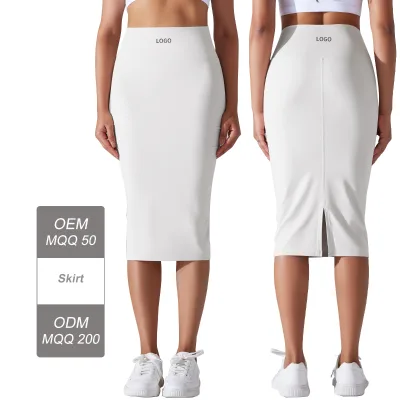
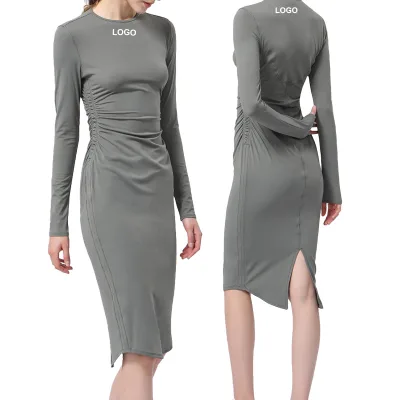
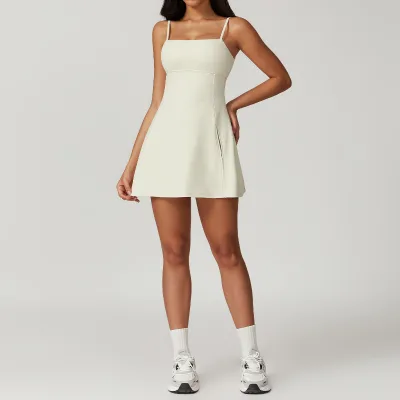
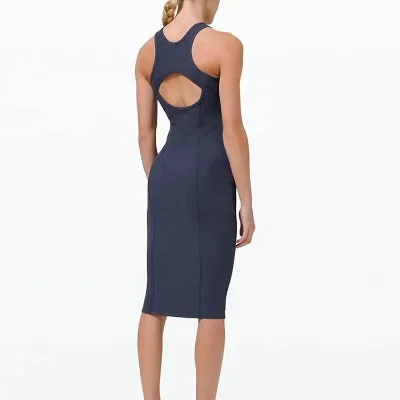
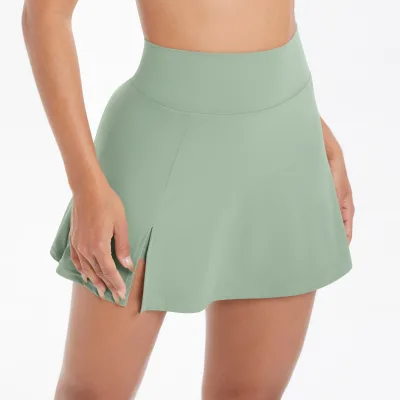
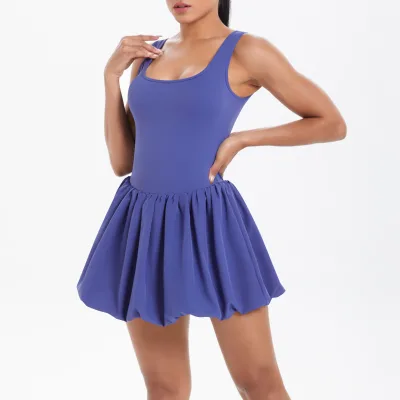
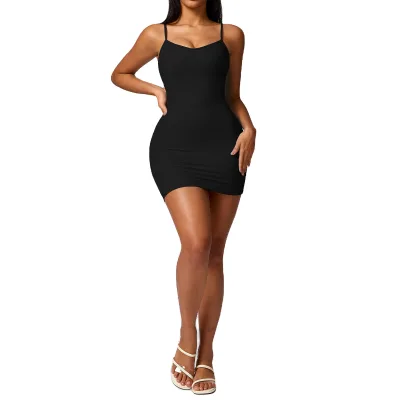
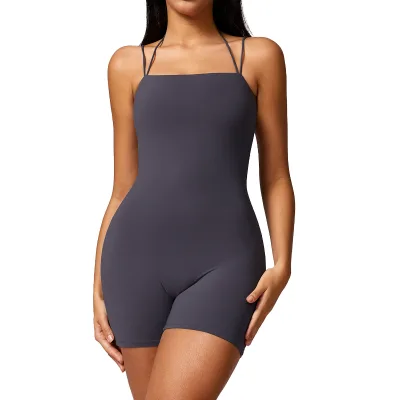
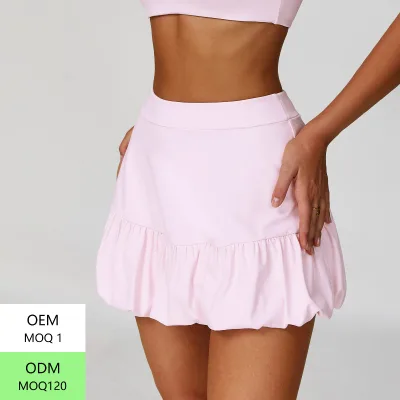
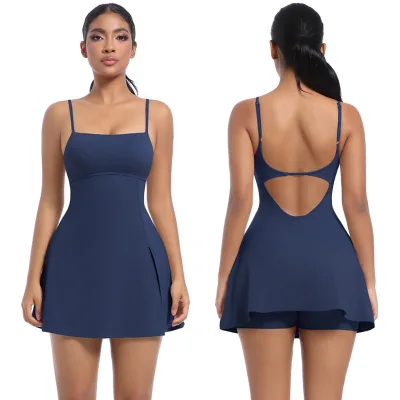

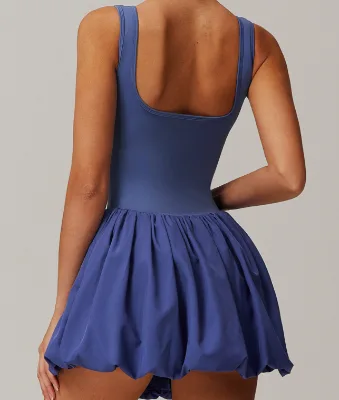
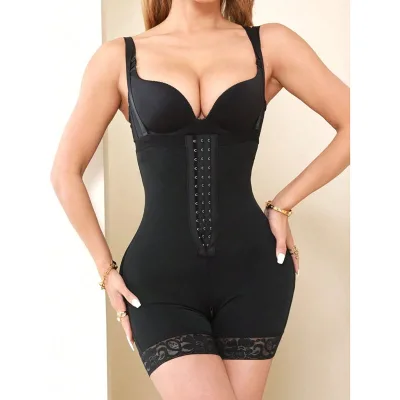


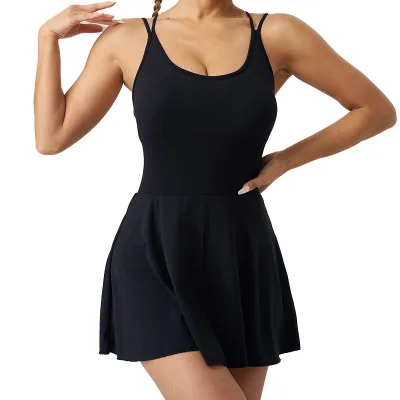


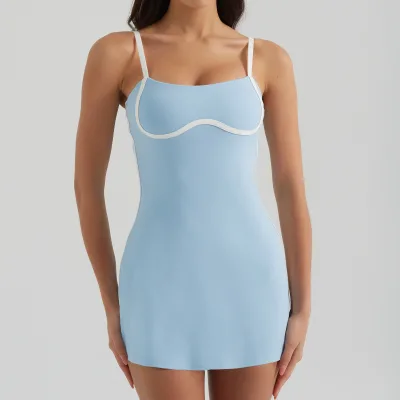

Comprehensive Sourcing Guide
Yoga Dress Sourcing Guide
The global market for yoga dresses presents a diverse range of options, primarily characterized by high-performance synthetic blends like polyester, spandex, and nylon. Buyers observing current listings will note that these garments often feature specialized attributes such as windbreak, waterproof, and quick-drying capabilities, alongside moisture-wicking and anti-UV properties. These functional features are essential for maintaining comfort and performance during intense physical activities, ensuring the fabric adapts to varying environmental conditions while providing necessary body shape support.
Procurement strategies must account for the variability in product models and material compositions found in the supply chain. While some listings specify a blend of 75% nylon and 25% spandex for optimal stretch, others may utilize different ratios or include cotton components. Sourcing professionals should verify that the selected model, such as those designated with specific codes like JS-F2070 or YLRL02, aligns with the intended application, whether for gym wear, running, or general fitness, to ensure the final product meets the specific performance requirements of the target demographic.
Product Scope and Observed Listing Signals
Current market observations indicate a wide spectrum of product variations, with price points ranging from 1.35 to 18.37 USD and minimum order quantities spanning from single units to 3,000 pieces. The product scope includes diverse styles such as sleeveless designs, midi lengths, and short cuts, catering to different aesthetic preferences and functional needs. Buyers should recognize that while some items are listed as pure color, others offer customized color options, allowing for significant brand differentiation in the final retail offering.
Seasonal and occasion-based signals further define the scope, with many products marketed for all-season use or specifically for spring and summer activities. The observed attributes highlight a strong focus on comfort, light texture, and breathability, which are critical for yoga and sports applications. However, the presence of conflicting specifications, such as varying length descriptions or material percentages across different models, necessitates a rigorous verification process to ensure consistency between the supplier's catalog and the actual goods delivered.
Technical Specifications to Verify
Buyers must rigorously verify technical specifications regarding fabric composition, as the supply chain presents multiple material standards including polyester/spandex, nylon/spandex, and cotton blends. Specific models may claim a composition of 80% cotton with 20% spandex, while others rely on high-stretch nylon blends like 78% nylon and 22% spandex. It is imperative to confirm the exact percentage of elastane to ensure the garment provides the necessary recovery and durability required for yoga movements without losing its shape over time.
Dimensional and structural details also require precise validation, as observed listings show a mix of free size options and specific sizing standards like S, M, L, and XL. Length specifications vary significantly, with some products described as long, others as midi, and some as short, which directly impacts the suitability for different body types and activity levels. Additionally, verifying the sleeve length, whether sleeveless or otherwise, and the specific model number associated with each specification is crucial to prevent mismatches between the ordered design and the received inventory.
Compliance and Safety Documentation
While the provided data does not explicitly confirm specific certifications like GOTS or OEKO-TEX, buyers should treat these as critical verification points rather than assumed attributes. The presence of flame-retardant and anti-static features in the product attributes suggests a potential need for safety testing, particularly for garments used in high-intensity environments. Procurement teams must request independent test reports to validate these claims, ensuring that the chemical treatments applied to the fabric meet international safety standards for consumer goods.
Documentation regarding the origin and manufacturing standards is equally vital, with most observed products originating from Zhejiang, China. Buyers should verify that the manufacturing facilities adhere to recognized labor and safety standards, even if specific certifications like BSCI are not immediately visible in the listing. Requesting proof of compliance with local and international regulations ensures that the supply chain is transparent and that the products are safe for end-users, mitigating potential legal and reputational risks associated with non-compliant manufacturing practices.
Cost Drivers and Commercial Terms
The commercial landscape for yoga dresses is influenced by several cost drivers, including the complexity of the fabric blend, the level of customization available, and the specific technical features incorporated into the design. Products offering customized colors and patterns, along with advanced features like moisture-wicking and quick-drying capabilities, typically command higher price points within the observed 1.35 to 18.37 USD range. Buyers must analyze how these value-added features impact the final unit cost to determine the optimal balance between quality and margin.
Order volume and lead times are significant factors in commercial negotiations, with observed minimum order quantities ranging from one to 3,000 units and sample lead times as short as seven days. The availability of in-stock items can reduce lead times, but custom orders may require longer production cycles. Understanding the relationship between order size, packaging details, and shipping timelines is essential for effective inventory planning, ensuring that the supply chain can meet demand fluctuations without incurring excessive costs or delays.
Supplier Qualification and Quality Control
Supplier qualification should focus on verifying the consistency of production capabilities, particularly regarding automated cutting techniques and packaging standards. The observed use of automated cutting suggests a capacity for precision and efficiency, which can reduce material waste and improve the overall quality of the finished garment. Buyers should assess the supplier's ability to maintain these standards across different production runs, ensuring that the technical specifications and material compositions remain consistent with the initial samples provided.
Quality control protocols must address the variability observed in product attributes, such as the mix of different material percentages and length specifications. Implementing a robust inspection process that checks for fabric integrity, stitching quality, and adherence to the agreed-upon model numbers is essential. Given the diverse range of features like windbreak and anti-UV properties, suppliers should be required to provide batch-specific quality reports to confirm that every unit meets the functional and aesthetic requirements defined in the purchase order.
Long-Term Procurement Checks
Establishing a long-term procurement strategy requires continuous monitoring of supplier performance and product consistency over time. Buyers should track key performance indicators such as defect rates, adherence to lead times, and the stability of material quality across multiple orders. Regular audits and feedback loops with the supplier will help identify any deviations in production standards, ensuring that the yoga dresses continue to meet the evolving demands of the market and the specific needs of the end consumers.
Future-proofing the supply chain involves staying informed about changes in material technology and regulatory requirements that may affect product compliance. As the market for athletic wear evolves, suppliers may introduce new fabric blends or enhanced features that offer superior performance. Maintaining an open dialogue with suppliers about upcoming innovations and potential supply chain disruptions will enable buyers to adapt their sourcing strategies proactively, ensuring a steady supply of high-quality yoga dresses that maintain their competitive edge in the marketplace.
FAQs
What materials are used for the Yoga Dress?
The Yoga Dress is primarily made from polyester and spandex blends, with some variants using nylon and spandex. Specific compositions include 80% cotton with 20% spandex or 75% nylon with 25% spandex. These materials ensure comfort, stretch, and durability for active wear.
Can I customize the color and pattern of the dress?
Yes, customization is available for both color and pattern. Buyers can request customized colors and various patterns including pure colors or other designs. This flexibility allows brands to tailor the product to their specific aesthetic requirements and target audience preferences.
What are the available size options for this dress?
The dress comes in multiple standard sizes including S, M, L, XL, and XXL. Some listings also offer free size options to accommodate a wider range of body types. Buyers should check specific model numbers like JS-F2070 for exact sizing details.
How long does it take to receive a sample order?
A sample order lead time of 7 days is supported for this product. This quick turnaround allows buyers to evaluate fabric quality and fit before committing to larger bulk orders. The shipping time for samples typically ranges from 5 to 7 days after production.
What features does the Yoga Dress offer for sports?
The dress features windbreak, waterproof, quick-drying, and moisture-wicking properties. It also includes breathable, anti-UV, and anti-static capabilities suitable for sports occasions. These functional attributes ensure comfort and performance during activities like yoga, running, and gym workouts.
Where is the product manufactured and what is the origin?
The product originates from China, specifically from the Zhejiang region. This location is a known hub for textile manufacturing, ensuring efficient production capabilities. Buyers can expect consistent quality standards and reliable supply chain management from these Chinese factories.
What is the minimum order quantity for this dress?
The minimum order quantity ranges from 1 to 3000 units depending on the specific supplier and product model. Some listings show an available quantity of 1000 units for immediate stock. Buyers should verify the exact MOQ with the supplier to align with their inventory needs.