Source Four-Way Stretch Yoga Suit for Gym, Pilates, and Training
Compare 30 listings of Four-Way Stretch Yoga Suit options featuring high waist designs, quick dry fabrics, and seamless knitting. Buyers can evaluate specifications like fabric weight, size ranges, and customization availability from verified suppliers in China; compare the available evidence and request quotations based on your requirements.
Key considerations
Products List


Long-Sleeve Yoga Suit with Built-in Bra – High-Performance Tights & Top Set
$11.00 - $15.00
MOQ: 100 Pieces
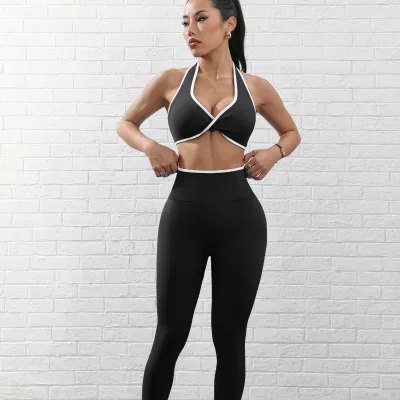
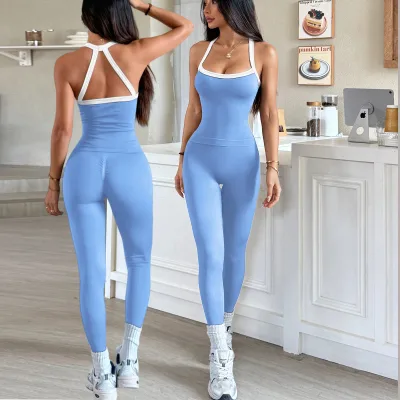


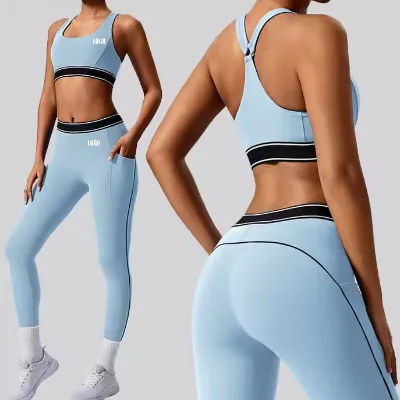


Comprehensive Sourcing Guide
Four-Way Stretch Yoga Suit Sourcing Guide
Sourcing four-way stretch yoga suits requires a disciplined approach to material composition and construction, as these garments demand specific elasticity and recovery properties to perform correctly during dynamic movement. Buyers must prioritize suppliers who demonstrate expertise in blending synthetic fibers, particularly combinations of nylon and spandex, to achieve the necessary multidirectional stretch without compromising durability. The observed market data indicates a prevalence of polyester-based options, yet high-performance yoga wear often relies on nylon-spandex blends for superior softness and moisture management. Procurement teams should verify the exact fiber ratios, as a shift from polyester to nylon can significantly alter the hand feel and breathability of the final product.
Commercial viability also depends on understanding the diverse listing signals present in the current market, which range from basic cotton-blend alternatives to advanced seamless knitting technologies. The available data shows a wide spectrum of product attributes, including high-waist designs, straight-leg cuts, and various pattern types such as stripes or solid colors. Buyers should not assume that all listed items meet the rigorous demands of professional yoga practice; instead, they must filter for specific technical features like four-way stretch, quick-dry capabilities, and seamless construction. This filtering process ensures that the selected suppliers can deliver garments that maintain their shape and comfort after repeated washing and intense physical activity.
Product Scope and Observed Listing Signals
The current market landscape for yoga apparel reveals a broad range of product configurations, with many listings highlighting high-waist designs and straight-leg trouser cuts that cater to both aesthetic preferences and functional needs. Observed attributes include a variety of fabric types, predominantly 100% polyester, alongside specific material compositions like 75% nylon and 25% acrylic, or spandex and nylon blends. These material variations directly influence the garment’s performance, with nylon-spandex combinations typically offering superior elasticity and recovery compared to standard polyester options. Buyers must carefully review the material specifications for each potential supplier, as the presence of spandex is often a critical indicator of true four-way stretch capability.
Listing signals also indicate a strong emphasis on convenience and customization, with many suppliers offering drawstring closures, back pockets, and customizable sizing options ranging from small to extra-large. The data shows that products are often sold as two-piece sets, featuring sleeveless tops with double-layer straps and full-length bottoms, catering to the modern demand for coordinated activewear. Additionally, features such as quick-dry, anti-pilling, and breathable fabrics are frequently highlighted, suggesting that buyers should prioritize these attributes for optimal user experience. The availability of in-stock items and support for sample orders further facilitates the initial sourcing process, allowing buyers to assess quality before committing to larger volumes.
Technical Specifications to Verify
Verifying the technical specifications of four-way stretch yoga suits is essential to ensure that the garments meet the functional requirements of active wear. Buyers should confirm the weaving method, as seamless knitting techniques often provide a smoother fit and reduce chafing compared to traditional woven or stitched constructions. The observed data highlights specific technical details such as fabric weight, with some items listed at 160 grams, which may indicate a lighter, more breathable option suitable for hot yoga or intense workouts. Procurement teams must also verify the closure types, such as drawstrings, and the presence of structural elements like high-waist bands, which provide core support and stability during movement.
In addition to material and construction details, buyers must assess the fit and length specifications to ensure they align with target market expectations. The available listings show a mix of short fits and full-length options, with some products specifically designed as two-piece sets. It is crucial to verify the size standards, as some suppliers adhere to US sizing (S, M, L, XL, XXL) while others may use different measurement systems. Buyers should also check for specific model numbers and customization options, as these can impact production lead times and minimum order quantities. Ensuring that the technical specifications match the intended use case will prevent returns and enhance customer satisfaction.
Compliance and Safety Documentation
Compliance and safety documentation are critical components of sourcing yoga suits, particularly when dealing with garments that come into direct contact with the skin. Buyers should request evidence of adherence to relevant textile safety standards, such as OEKO-TEX certification, which verifies that the fabrics are free from harmful substances. Although the provided data mentions OEKO-TEX as a background standard, buyers must actively confirm that their suppliers hold valid certifications for the specific materials used, such as nylon, spandex, or polyester blends. This verification process helps mitigate risks associated with chemical residues and ensures that the products meet international safety requirements for consumer goods.
Furthermore, buyers must ensure that suppliers provide accurate care instructions and material composition labels, which are often required by regulatory bodies in various markets. The observed listings indicate that most products are machine washable, but buyers should verify the specific care requirements to prevent damage to the elastic fibers. Documentation should also include details on the manufacturing origin, with many suppliers based in Zhejiang, China, which is a major hub for textile production. Procurement teams should request test reports for colorfastness, shrinkage, and pilling resistance to ensure that the garments maintain their appearance and integrity over time.
Cost Drivers and Commercial Terms
Cost drivers for four-way stretch yoga suits are influenced by material composition, construction complexity, and order volume. The observed price range of 3.43 to 25 USD reflects significant variation based on factors such as fabric weight, seamless knitting technology, and customization options. Buyers should note that products with advanced features like four-way stretch, quick-dry capabilities, and seamless construction typically command higher prices due to the specialized manufacturing processes involved. Understanding these cost drivers allows procurement teams to budget accurately and negotiate effectively with suppliers, ensuring that they receive value for money without compromising on quality.
Commercial terms, including minimum order quantities (MOQ) and lead times, also play a crucial role in the sourcing decision. The data shows an MOQ range of 1 to 500 units, offering flexibility for both small-scale buyers and larger enterprises. Buyers should also consider the availability of sample orders, with some suppliers supporting seven-day sample lead times, which can accelerate the product development process. Additionally, packaging details, such as carton or individual bag packaging, can impact logistics costs and storage requirements. Clear communication regarding these commercial terms helps establish a transparent and efficient procurement process.
Supplier Qualification and Quality Control
Supplier qualification is a vital step in ensuring the reliability and consistency of four-way stretch yoga suit sourcing. Buyers should evaluate suppliers based on their production capabilities, particularly their expertise in seamless knitting and fabric blending technologies. The observed data indicates that many suppliers offer customization options, which suggests a level of flexibility and technical proficiency. Procurement teams should request samples to assess the quality of the four-way stretch, checking for proper recovery and durability after multiple wash cycles. This hands-on verification is essential to confirm that the supplier can meet the specific performance requirements of the target market.
Quality control measures should be integrated into the procurement process to minimize defects and ensure product consistency. Buyers should establish clear quality standards for fabric weight, stitching integrity, and color accuracy, and request pre-shipment inspections if necessary. The availability of in-stock items can be advantageous for quick turnaround, but buyers must also verify that these items meet the same quality standards as custom orders. Additionally, suppliers should provide detailed product specifications, including model numbers and size charts, to facilitate accurate ordering and reduce the risk of errors. A robust quality control framework helps build trust and ensures long-term supplier relationships.
Long-Term Procurement Checks
Long-term procurement checks involve continuous monitoring of supplier performance and market trends to maintain a competitive edge. Buyers should regularly review supplier feedback, delivery times, and product quality to identify any potential issues early. The dynamic nature of the activewear market means that trends in design, such as high-waist styles or specific color palettes, can shift rapidly. Procurement teams should stay informed about these trends and adjust their sourcing strategies accordingly to meet changing consumer demands. Additionally, buyers should explore opportunities for deeper collaboration with suppliers, such as co-developing new fabric blends or innovative construction techniques.
Sustainability and ethical sourcing are increasingly important considerations for long-term procurement success. Buyers should assess their suppliers’ commitment to environmental practices, such as the use of recycled materials or energy-efficient manufacturing processes. Although the provided data does not explicitly detail sustainability initiatives, buyers should proactively inquire about these aspects to align with growing consumer preferences for eco-friendly products. Regular audits and performance reviews help ensure that suppliers continue to meet quality and ethical standards. By focusing on long-term relationships and continuous improvement, buyers can build a resilient and responsive supply chain.
FAQs
What fabric composition is used for the Four-Way Stretch Yoga Suit?
The suit utilizes a blend of Spandex and Nylon to ensure durability and flexibility. Some variations also feature 100% Polyester or a mix of 75% Nylon and 25% Acrylic. These materials provide the necessary elasticity for yoga movements while maintaining a comfortable fit against the skin during intense physical activity.
Can I customize the logo position on the Four-Way Stretch Yoga Suit?
Yes, customization is available for this product line. Buyers can specify the logo position, which is often listed as other or customizable. This allows brands to place their branding strategically on the garment, ensuring visibility and alignment with their specific marketing and design requirements for the final product.
What are the available size options for the Four-Way Stretch Yoga Suit?
Standard sizes include S, M, L, XL, and XXL to accommodate various body types. The product is designed with a high waist and short fit, ensuring a secure and comfortable wear. Custom sizing is also available, allowing buyers to request specific measurements that align with their target demographic's preferences.
How is the Four-Way Stretch Yoga Suit packaged for shipping?
Each item is typically packed individually in a bag, with one piece per bag. For bulk orders, these are then placed into cartons for efficient shipping and storage. This packaging method protects the garment from damage during transit and helps maintain its quality until it reaches the final destination or retail store.
What features make the Four-Way Stretch Yoga Suit suitable for exercise?
The suit is designed with breathable, quick-dry, and moisture-wicking properties to keep the wearer cool and dry. It features seamless knitting and four-way stretch technology for unrestricted movement. Additionally, it is anti-pilling and sweat-wicking, ensuring long-lasting comfort and performance during various yoga and fitness routines.
What is the lead time for sample orders of the Four-Way Stretch Yoga Suit?
Sample orders are supported with a lead time of seven days. This allows buyers to quickly evaluate the product quality, fit, and material before committing to larger bulk orders. The efficient sample process helps streamline the sourcing decision and ensures that the final product meets the buyer's specific requirements.