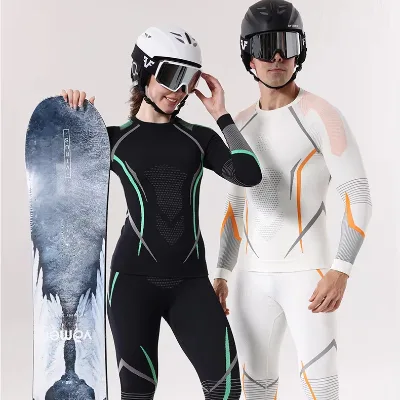
Source Quick-drying Ski Suit for Winter Sports, Resorts, and Training
Explore 30 listings for Quick-drying Ski Suit options featuring moisture-wicking and windproof properties. Buyers can compare materials like spandex, nylon, and polyester, along with customization services and lead times from suppliers in Zhejiang, China.
Key considerations
Products List


Winter Ski & Snow Jacket and Pants Men's Waterproof Breathable Snowboard Ski Suits
$20.00 - $30.00
MOQ: 300 Pieces


Winter Warm Outdoor One Piece Ski Suits Jumpsuit Waterproof Windproof Snowsuits
$46.50 - $55.80
MOQ: 500 Pieces

Customized Unisex Outdoor Windproof Waterproof Warm Hooded Snow Ski Snowboard Suit
$30.60 - $60.20
MOQ: 100 Pieces

Hot Selling Pricessports Accessories Snowboard Soft Stretch Outdoor Ski Snow Wear Suits
$25.74 - $28.77
MOQ: 30 Pieces


Comprehensive Sourcing Guide
Strategic Sourcing Guide for Quick Drying Ski Suits
The global market for winter sports apparel has seen a significant shift toward high-performance, moisture-managing fabrics that maintain thermal efficiency without compromising on drying speed. For procurement professionals seeking a Quick-drying Ski Suit, the sourcing landscape is defined by a complex interplay of material science, manufacturing capabilities, and rigorous quality assurance protocols. This guide provides a disciplined framework for evaluating potential suppliers, interpreting technical specifications, and mitigating supply chain risks associated with this specialized category. The focus remains on evidence-based decision-making, utilizing observed market data to inform strategic purchasing decisions while avoiding unverified claims.
Material Composition and Technical Performance
The foundation of a high-quality Quick-drying Ski Suit lies in its material composition. Market observations indicate a prevalent use of synthetic blends, specifically combinations of Spandex and Nylon, or Polyester, which offer the necessary elasticity and durability required for dynamic winter sports. These materials are often selected for their inherent ability to wick moisture away from the skin, a critical feature for maintaining body temperature during high-exertion activities. The presence of Spandex ensures the garment retains its shape and fit, while Nylon or Polyester provides the structural integrity needed to withstand abrasion from snow and equipment.
In addition to the shell fabric, the filling material plays a pivotal role in thermal regulation. Data suggests that high-performance suits may utilize wool or polyester fillings, with specific attention paid to the down content percentage, which can reach up to 90% in premium variants. This high down content is essential for providing superior insulation in cold environments. However, the quick-drying capability is primarily driven by the hydrophobic treatment of the outer shell and the breathability of the inner lining. Buyers must verify that the fabric treatment is designed to repel water while allowing vapor to escape, preventing the suit from becoming saturated and heavy. The "Garment Dyed" technique observed in the market further enhances colorfastness and fabric softness, ensuring the suit maintains its aesthetic and functional properties after repeated washing.
Design Specifications and Functional Features
Beyond raw materials, the design specifications of a Quick-drying Ski Suit dictate its utility in the field. A comprehensive evaluation should consider the collar type, closure mechanisms, and overall fit. The crew neck design is a common standard, offering a balance between comfort and protection against wind chill. Closure systems are equally critical; options range from elastic closures to more complex mechanisms like auto-lock zippers and horn buttons. The choice of closure depends on the specific use case, with auto-lock zippers preferred for their reliability in freezing conditions where manual dexterity is reduced.
The fit and form of the suit are also paramount. Observed models often feature a straight form with medium length, designed to provide coverage without restricting movement. The inclusion of features such as windproof, waterproof, and anti-UV properties is standard for high-end ski suits, ensuring protection against the harsh elements of mountain environments. Additionally, the customization of logos and patterns allows brands to maintain identity while adhering to functional requirements. The "One Handed Operation" capability for certain components, such as zippers or buckles, is a notable feature that enhances usability for athletes wearing gloves. Buyers should ensure that the selected model number, such as X102/X103 or various SJ and S series codes, aligns with the specific performance requirements of their target demographic, which often includes both men and women, or unisex users.
Compliance, Certification, and Quality Standards
Navigating the regulatory landscape is a non-negotiable aspect of sourcing ski suits. Suppliers must demonstrate adherence to international labor and safety standards to ensure ethical production and product safety. Verified certifications such as BSCI, Tmc, and SA8000 are critical indicators of a supplier's commitment to social responsibility and fair labor practices. These certifications validate that the manufacturing process respects worker rights, provides safe working conditions, and adheres to strict environmental guidelines.
Quality control is equally rigorous, with specific attention paid to the AQL (Acceptable Quality Limit) standards. An AQL range of 2.5-4 is often observed, indicating the maximum number of defective items allowed in a random sample before a batch is rejected. This standard ensures that the final product meets the buyer's expectations for durability and finish. Furthermore, the production standards regarding weight, such as 1-2 kg or 2-3 kg, must be clearly defined to ensure the suit is neither too heavy nor too light for its intended purpose. Buyers should request documentation proving that the supplier's quality management system is aligned with these standards before finalizing any order.
Cost Drivers and Procurement Economics
Understanding the cost structure of quick drying ski suits is essential for budgeting and negotiation. The price range observed in the market spans from approximately $5.43 to $160 per unit, reflecting a wide disparity in quality, material grade, and brand positioning. Several factors drive these costs, including the complexity of the garment construction, the type of filling material used, and the level of customization required. High down content and advanced fabric treatments typically command a premium price, while basic polyester blends may fall on the lower end of the spectrum.
Minimum Order Quantities (MOQ) also significantly impact the total cost of ownership. The observed MOQ range varies from 2 to 1000 units, offering flexibility for both small startups and large retailers. Buyers with lower volume needs may face higher per-unit costs, whereas bulk orders can leverage economies of scale to reduce the price. Additionally, the lead time for production and sample approval must be factored into the financial planning. While some suppliers offer a 7-day sample order lead time, full production cycles can extend to 40-60 days after the PP (pre-production) sample is confirmed. These timelines affect inventory management and the ability to respond to market demands, particularly for seasonal products like ski suits.
Supplier Evaluation and Operational Capabilities
Selecting the right supplier requires a thorough evaluation of their operational capabilities and track record. The place of origin is a key indicator, with Zhejiang, China, emerging as a significant hub for textile manufacturing. This region is known for its robust supply chain and expertise in garment production. However, location alone is not a sufficient criterion; buyers must assess the supplier's ability to meet specific customization needs, such as logo placement and unique pattern designs.
The supplier's capacity for customization is a vital differentiator. Features like "Oem Service" and "Customization Available" indicate a supplier's willingness to adapt their production lines to meet specific buyer requirements. This flexibility is crucial for brands looking to differentiate their products in a competitive market. Additionally, the packaging specifications, such as box packing, and the single package size of 30x20x10 cm, should be considered to optimize logistics and shipping costs. Buyers should verify that the supplier can consistently deliver products that meet the specified gross weight of 0.500 kg per unit, ensuring accurate freight calculations.
Quality Control Protocols and Long-Term Procurement
Implementing a robust quality control protocol is essential to mitigate the risks associated with outsourcing production. Given the technical nature of quick drying ski suits, buyers should establish clear acceptance criteria based on the observed specifications, such as the 90% down content and specific feature sets like moisture-wicking and breathability. Regular inspections during the production process, particularly at critical stages like fabric cutting, sewing, and final assembly, can prevent defects from reaching the final product.
Long-term procurement considerations involve building a sustainable relationship with suppliers who can scale with the buyer's growth. This includes evaluating the supplier's ability to maintain consistent quality over time, their responsiveness to design changes, and their commitment to ethical manufacturing practices. The availability of a 7-day sample order lead time suggests a supplier's agility, but the longer production lead time of 40-60 days requires careful planning to avoid stockouts. Buyers should also consider the environmental impact of their sourcing decisions, prioritizing suppliers who utilize eco-friendly materials and processes, as indicated by the "Eco-Friendly" feature observed in the market.
Application Scenarios and Market Trends
The application of quick drying ski suits extends beyond professional athletes to recreational users and outdoor enthusiasts. The versatility of these garments, characterized by features like windproofing, waterproofing, and breathability, makes them suitable for a wide range of winter activities. The unisex design and availability in various sizes ensure that the product can cater to a broad demographic, from men and women to specific age groups like adults.
Market trends indicate a growing demand for sustainable and high-performance apparel. Consumers are increasingly conscious of the environmental impact of their purchases, driving the need for eco-friendly materials and ethical production methods. The integration of advanced technologies, such as anti-UV protection and quick-drying fabrics, is becoming a standard expectation rather than a luxury feature. Buyers who align their sourcing strategies with these trends will be better positioned to capture market share and build brand loyalty. By focusing on quality, compliance, and innovation, procurement professionals can navigate the complexities of the ski suit market and secure a competitive advantage for their organizations.
FAQs
What materials are used in quick drying ski suits?
Quick drying ski suits typically use Spandex, Nylon, or Polyester blends for durability and moisture management. Some variants include wool or polyester fillings, with premium options reaching 90% down content for superior insulation in cold environments.
Which certifications should I look for in ski suit suppliers?
Verified certifications such as BSCI, Tmc, and SA8000 are critical indicators of ethical production and fair labor practices. These standards validate that the manufacturing process respects worker rights and adheres to strict environmental guidelines before finalizing any order.
How long does production take for custom ski suits?
Sample orders can be supported within 7 days, but full production cycles often extend to 40-60 days after the pre-production sample is confirmed. Buyers must factor these timelines into inventory management to avoid seasonal stockouts.
What is the typical price range for quick drying ski suits?
The observed market price range spans from approximately $5.43 to $160 per unit, reflecting disparities in quality and material grade. High down content and advanced fabric treatments typically command a premium price compared to basic polyester blends.
Can I customize the logo and pattern on the ski suit?
Yes, customization is available for logo placement and unique pattern designs to help brands maintain identity. The product features custom logo positioning and various pattern options, allowing for tailored designs while adhering to functional requirements.
What is the minimum order quantity for these ski suits?
The minimum order quantity varies from 2 to 1000 units, offering flexibility for both small startups and large retailers. Buyers with lower volume needs may face higher per-unit costs, whereas bulk orders can leverage economies of scale.
Where are these ski suits manufactured?
The place of origin is Zhejiang, China, which is a significant hub for textile manufacturing and garment production. This region is known for its robust supply chain and expertise in producing high-performance winter sports apparel.