Source Rabbit Design Concrete Table Lamp for Living Room, Bedroom, Office
Compare 30 Rabbit Design Concrete Table Lamp options from verified suppliers. Explore varying dimensions, power ratings, and color temperatures to find the perfect modern lighting solution for your residential or commercial projects; compare the available evidence and request quotations based on your requirements.
Key considerations
Products List
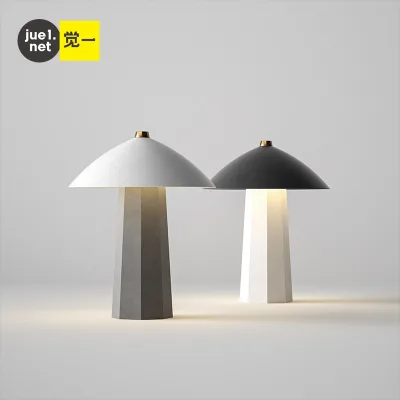
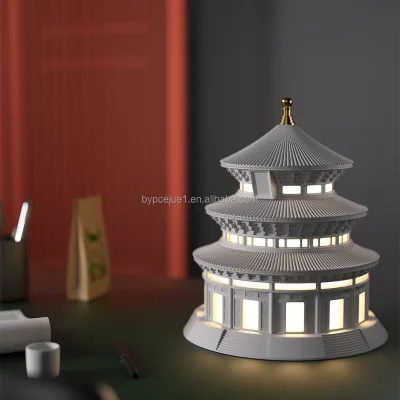
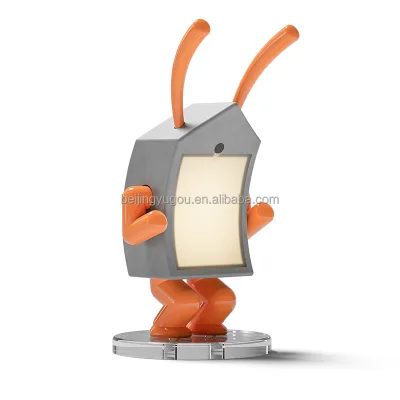
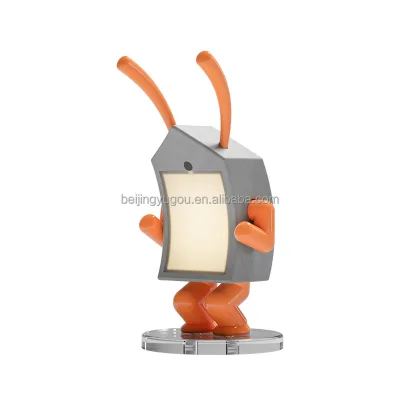
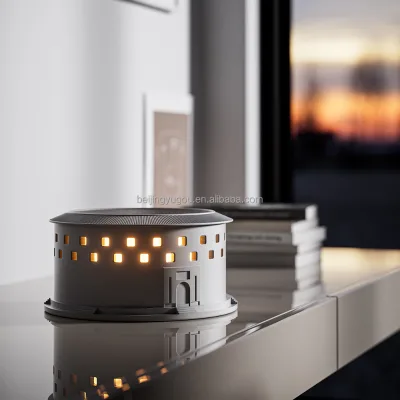


Nordic Creative Multifunctional Floor Lamp with Small Table and USB Wireless Charging
$50.00 - $100.00
MOQ: 1 Pieces

Concrete Table Lamp with Fabric Shade for Hotel Room Decorative Lighting Product
$10.00 - $18.00
MOQ: 1 Pieces


Loft Style Cement Table Lamp Vintage Concrete Light Desk Lamp for Interiors
$8.00 - $10.00
MOQ: 100 Pieces


Creative Lovely Warm Light Children Portable Rabbit Home Decoration Desk Table Lamp
$0.49 - $0.56
MOQ: 1000 Pieces


Round Design Alabaster Stone Marble Bedside Table Lamp for Bedroom Hotel Lighting
$218.00 - $262.00
MOQ: 1 Pieces


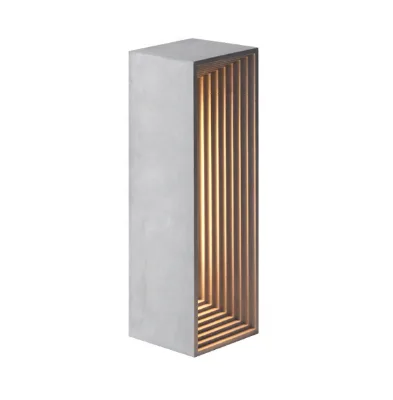
Comprehensive Sourcing Guide
Rabbit Design Concrete Table Lamp Sourcing Guide
Sourcing a Rabbit Design Concrete Table Lamp requires balancing aesthetic uniqueness with the structural realities of heavy materials. While the provided data highlights specific models like the "Tower Of Growth" and "Cloud Stairs," buyers must verify if the rabbit motif is a standard offering or a custom mold. The observed product attributes indicate a strong preference for modern design styles with concrete bodies, suggesting that any rabbit-themed variant will likely share the same robust, industrial aesthetic found in the listed "Decorative Table Lamp" examples.
Buyers should also scrutinize the specific application context, as the listed products are explicitly designed for living rooms. The heavy nature of concrete, with observed weights ranging from 5.28 kg to 7.28 kg, necessitates stable surfaces and careful handling during installation. Procurement teams must confirm that the specific rabbit design maintains the structural integrity required for a table lamp, ensuring the base is sufficiently weighted to prevent tipping, a critical safety consideration for any decorative lighting fixture intended for residential use.
Product Scope and Observed Listing Signals
The current market signals for concrete table lamps reveal a diverse range of specifications, including varying dimensions and power requirements. Observed listings show product dimensions ranging from 242430.2 cm to 303023 cm, with power inputs fluctuating between DC 5V and 220V. This inconsistency indicates that buyers cannot assume a single standard for all concrete lamps; instead, they must define precise requirements for the rabbit design to ensure compatibility with existing electrical infrastructure and spatial constraints in the target environment.
Listing signals also highlight significant variations in material composition and finish, with some products specifying "Faced concrete" or "Cement/Concrete" shades in colors like dark grey, white, or black. The presence of a "Customized Logo" attribute suggests that branding opportunities exist, but the core material remains consistent. Buyers should expect that a rabbit design will likely be available in these standard concrete finishes, and they must verify if the specific shape of the rabbit affects the overall footprint or the internal volume available for the light source.
Technical Specifications to Verify
Technical verification must begin with the light source and color temperature, as observed listings show ranges from 3000K to 5000K and specific neutral white options at 4100K. For a rabbit design, the color temperature will significantly alter the mood of the living room, so buyers should confirm the exact CCT before ordering. Additionally, the Color Rendering Index (Ra) varies between 80 and 85 in the observed data, which impacts how accurately the concrete texture and rabbit details are illuminated, a crucial factor for decorative pieces.
Power consumption and luminous efficiency are equally critical, with observed wattages ranging from 7W to 15W and luminous flux values around 450 lm. Buyers must ensure the selected rabbit lamp matches the intended brightness level for a living room setting without causing glare. The control mode is typically switch control, but the presence of dimmer support in some listings means buyers should explicitly confirm if the specific rabbit model supports dimming to allow for adjustable ambiance control in the home environment.
Compliance and Safety Documentation
Safety documentation for concrete lamps must address both electrical safety and physical stability, given the heavy materials involved. While specific certification names are not provided in the source data, buyers should request proof of compliance with local electrical standards for the voltage range specified, whether it is DC 5V or 220V. The working temperature range of -30°C to 60°C suggests robustness, but the electrical components must still meet regional safety requirements to prevent overheating or short circuits during extended operation.
Physical safety is paramount due to the high product weight, which can exceed 7 kg in some configurations. Buyers should verify that the packaging details, such as the "Foam + Carton" method observed in the data, are sufficient to prevent damage during transit that could compromise the structural integrity of the concrete base. Additionally, the warranty terms, listed as "Other" in the data, require clarification to ensure that any potential breakage or electrical failure is covered, protecting the buyer from liability if the heavy lamp were to fail or cause injury.
Cost Drivers and Commercial Terms
Cost drivers for concrete table lamps are heavily influenced by the material density and the complexity of the mold required for the rabbit design. The observed MOQs range from 5 pieces to 1000 pieces, indicating that smaller orders may incur higher per-unit costs due to setup fees for custom molds. Buyers should anticipate that a unique rabbit shape will likely command a higher price point than standard geometric designs, as the tooling costs for intricate concrete casting are significantly higher than for simple cylindrical or square bases.
Commercial terms must also account for the substantial shipping weight, with single gross weights observed between 5.28 kg and 7.28 kg. The packing dimensions, such as 4230.533.5 cm, suggest that shipping costs will be a significant portion of the total landed cost, especially for international orders. Buyers should negotiate based on the total volume and weight rather than just the unit price, and they must clarify if the "Standard export package" includes insurance or if additional freight coverage is required for such heavy, fragile items.
Supplier Qualification and Quality Control
Supplier qualification should focus on their experience with concrete casting and their ability to maintain consistency in the rabbit design. The observed data mentions a brand name "Jue1" and a place of origin in Beijing, China, which provides a starting point for due diligence. Buyers should verify the supplier's production capacity to handle the specific mold requirements for the rabbit shape, ensuring they can meet the requested quantity without compromising the finish or structural integrity of the concrete.
Quality control protocols must include rigorous inspection of the concrete surface for cracks, uneven textures, or color inconsistencies. Since the observed products feature a "Newly-designed" attribute, buyers should request samples to verify that the rabbit details are sharp and the concrete finish is smooth. The supplier should also demonstrate their ability to maintain the specified Color Rendering Index and luminous efficiency, ensuring that the final product meets the aesthetic and functional expectations set during the initial sourcing phase.
Long-Term Procurement Checks
Long-term procurement checks should prioritize the durability of the concrete material and the longevity of the electrical components. The observed working time of 50,000 hours suggests a long lifespan for the LED source, but buyers must verify if the concrete body is treated to resist chipping or weathering if the lamp is moved or cleaned frequently. Regular quality audits should be scheduled to ensure that the supplier maintains the same high standards for the rabbit design over multiple production runs.
Buyers should also establish a clear communication channel for after-sales support, as the "Lighting solutions service" is listed as "Online Assistance." This support is vital for troubleshooting any issues with the dimmer functionality or switch control that may arise after installation. Additionally, maintaining a relationship with the supplier for potential reorders or customizations will ensure that the rabbit design remains consistent with the original aesthetic, preventing discrepancies in future batches of the product.
FAQs
What is the power consumption of this concrete table lamp?
The lamp consumes 7W of power, providing efficient illumination for living spaces. It features a 450 lm luminous flux and a 30 lm/w efficiency rating. The LED light source ensures long-term reliability with a 50,000-hour working time. This low energy usage makes it suitable for continuous indoor use without high electricity costs.
Can I customize the logo on the concrete table lamp?
Yes, customized logos are supported for this decorative table lamp. The product allows for branding adjustments to meet specific business needs. Buyers can request tailored markings on the concrete body or packaging. This customization option helps enhance brand visibility for retail or promotional purposes.
What are the dimensions and weight of the packaged lamp?
The single package size is 41.5x31x34 cm with a gross weight of 5.28 kg. The product itself measures 24x24x30.2 cm and weighs 5.67 kg. Packing uses foam and carton for standard export protection. These dimensions ensure safe transit while maintaining a compact footprint for storage.
Does the lamp support dimming functionality?
Yes, the lamp supports dimming functionality via switch control. It features an in-line switch for easy operation. The LED light source offers a color temperature range of 3000K-5000K. This flexibility allows users to adjust brightness and ambiance according to their specific lighting requirements in living rooms.
What is the minimum order quantity for this product?
The minimum order quantity is 5 pieces for this concrete table lamp. This low MOQ allows buyers to test the market with minimal initial investment. The product is sold as a single item per unit. Bulk orders can be placed with flexible packaging options for efficient logistics and distribution.
What materials are used in the lamp body and shade?
The lamp body is made of faced concrete, providing a modern and durable structure. The shade material is also cement or concrete, ensuring a cohesive design aesthetic. This material choice offers a unique tactile experience and visual appeal. The dark grey, white, black, and gray color options complement various interior styles.